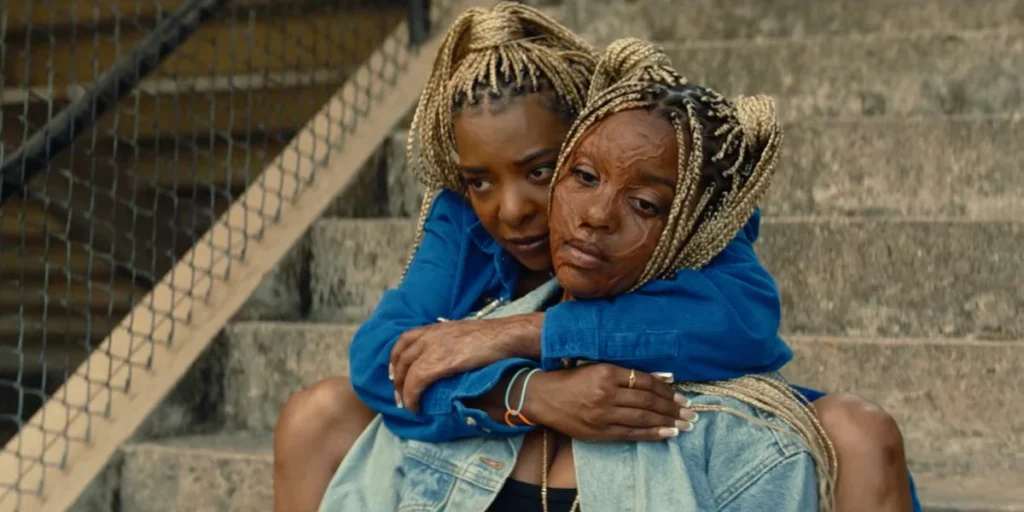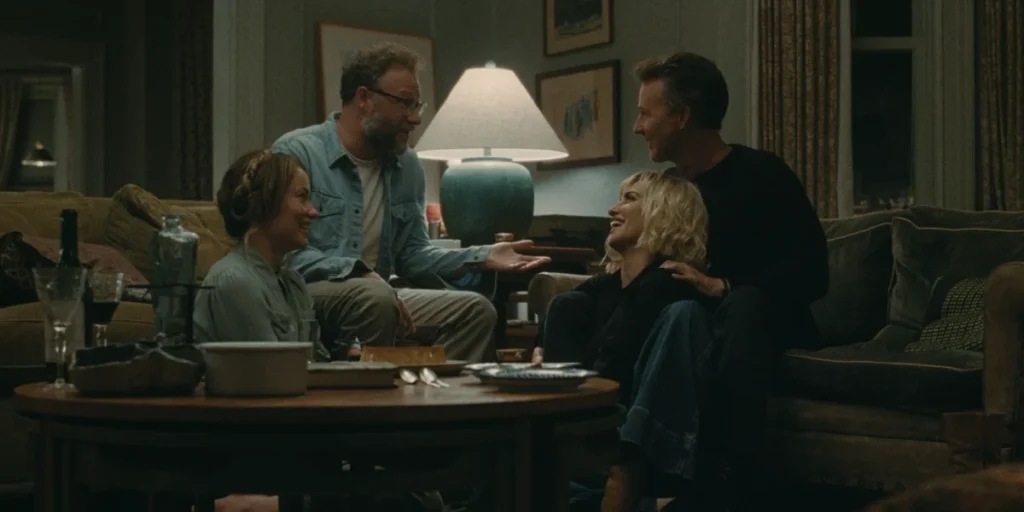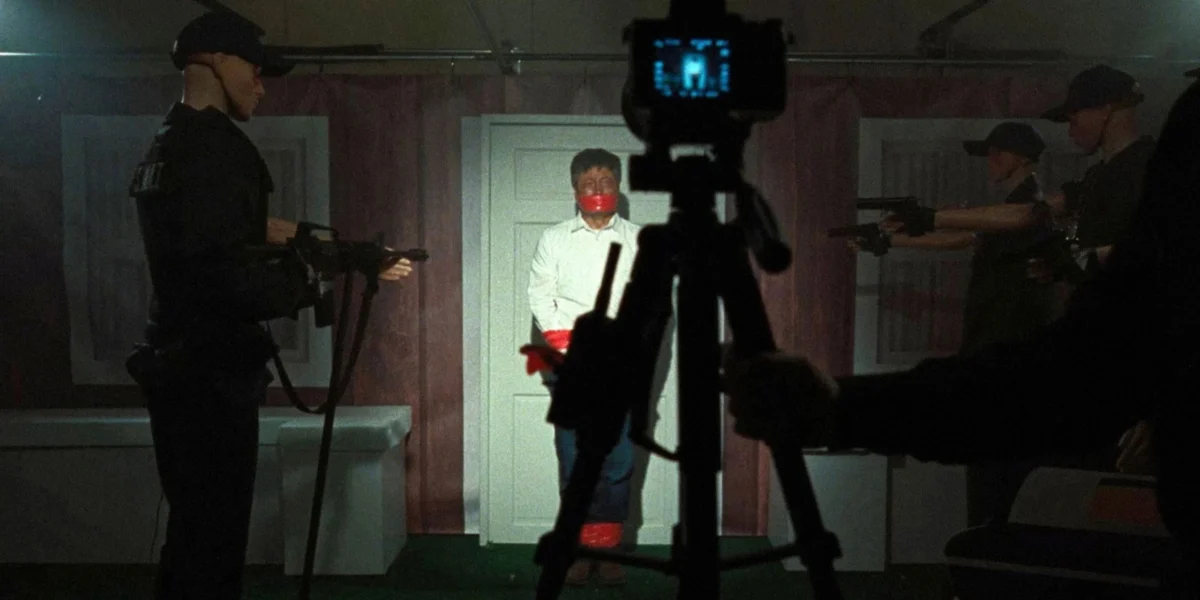
The landscape of modern horror is set to undergo a significant transformation with the upcoming release of "Faces of Death," a contemporary reimagining of the notorious 1978 cult classic. Directed by Daniel Goldhaber and co-written by his frequent collaborator Isa Mazzei, the film is scheduled to arrive in theaters on April 10, 2026, under the banner of the Independent Film Company. This production marks a high-profile return to one of the most controversial titles in cinematic history, updated for a digital age where the boundaries between reality and artifice are increasingly blurred.
The 2026 iteration of "Faces of Death" stars a diverse and high-profile ensemble cast, including Barbie Ferreira, Dacre Montgomery, Josie Totah, Aaron Holliday, Jermaine Fowler, and global pop icon Charli XCX in a significant dramatic role. The film recently held its world premiere at Beyond Fest in Chicago, where it was presented as a special 35mm screening. This choice of format served as a stylistic homage to the original film’s 20th-century roots while highlighting the high-fidelity production values of the modern reimagining. Early critical responses following the Chicago screening have been overwhelmingly positive, with particular praise directed toward Goldhaber’s visionary direction and the visceral performances of the lead cast.
Historical Context and the Legacy of the 1978 Original
To understand the significance of the 2026 reimagining, it is essential to examine the legacy of the original 1978 film. Written and directed by John Alan Schwartz (under various pseudonyms), the original "Faces of Death" was a "mondo" horror documentary that purported to show real-life footage of various ways to die. While much of the footage was later revealed to be staged or "faked" using practical effects, the film’s gritty, low-budget aesthetic convinced audiences of its authenticity for decades.
The 1978 film became a lightning rod for controversy, reportedly being banned in over 40 countries and becoming a staple of the "video nasty" era in the United Kingdom. Its success was driven largely by word-of-mouth and the forbidden nature of its content, eventually spawning several sequels and a host of imitators. In the decades since its release, "Faces of Death" has transitioned from a scandalous underground tape to a significant piece of cult cinema history, studied for its impact on the found-footage genre and its exploitation of the human fascination with mortality.
Goldhaber and Mazzei’s 2026 version departs from the anthology-style documentary format of the original, opting instead for a narrative-driven psychological horror approach. However, it retains the central theme of the original: the voyeuristic and often disturbing nature of observing death through a lens. By shifting the focus to the modern era, the filmmakers aim to explore how social media, viral content, and the "dark web" have replaced the grainy VHS tapes of the 1970s and 80s as the primary medium for shocking imagery.
Production Development and Creative Collaboration
The development of the "Faces of Death" reimagining began several years ago when Legendary Entertainment and the Independent Film Company sought to revitalize the IP for a new generation. The selection of Daniel Goldhaber and Isa Mazzei as the creative leads was seen by industry analysts as a strategic move to bring intellectual depth to the project. The duo previously gained acclaim for their 2018 techno-thriller "Cam," which explored the world of webcam modeling and digital identity, and the 2022 eco-thriller "How to Blow Up a Pipeline," which was praised for its tension and political urgency.
Goldhaber’s directorial style is characterized by a kinetic energy and a keen interest in how technology mediates human experience. In "Faces of Death," he reportedly utilizes a mix of traditional cinematography and simulated digital formats to create a sense of unease. Mazzei’s screenplay is said to delve into the psychological toll of content moderation, focusing on characters who are tasked with filtering the horrors of the internet, only to find those horrors bleeding into their physical reality.
The production involved a rigorous casting process to ensure the film could balance its genre elements with strong character work. Barbie Ferreira, known for her breakout role in HBO’s "Euphoria," leads the film as a character navigating the ethics of digital violence. Dacre Montgomery, who rose to fame in "Stranger Things," brings a high-intensity presence to the screen, while the inclusion of Charli XCX adds a layer of contemporary cultural relevance that has already generated significant buzz on social media platforms.
Beyond Fest Premiere and Initial Critical Reception
The decision to premiere "Faces of Death" at Beyond Fest in Chicago was a calculated move to engage with the core horror community. Beyond Fest has established itself as one of the premier genre film festivals in the United States, known for its enthusiastic audiences and curation of boundary-pushing cinema. The 35mm screening was particularly noted by attendees for its texture and depth, providing a cinematic experience that contrasted with the "digital" themes of the story.
Initial reviews from the festival highlight the film’s ability to transcend the "shocks" of its predecessor. Critics have noted that while the film does not shy away from graphic imagery, its primary strength lies in its atmospheric tension and its critique of the "spectacle of death." The performances of Ferreira and Montgomery have been singled out for their emotional groundedness, which provides a necessary anchor for the film’s more extreme sequences.

Furthermore, the direction by Goldhaber has been described as sophisticated, moving beyond the simple "jump scares" often associated with mainstream horror. By integrating the aesthetics of modern social media with the gritty traditions of 1970s exploitation cinema, the film creates a unique visual language that feels both nostalgic and terrifyingly current.
Chronology of Project Milestones
The path to the 2026 release of "Faces of Death" has been marked by several key milestones:
- 2021-2022: Initial reports surfaced regarding a reboot of the "Faces of Death" franchise, with Legendary Entertainment securing the rights.
- Early 2023: Daniel Goldhaber and Isa Mazzei were officially announced as the creative team. Casting calls began shortly thereafter, seeking a "Gen Z" perspective on the legacy material.
- 2024: Principal photography took place, primarily in urban locations that reflected the film’s modern setting. The production remained relatively secretive, with only minor leaks regarding the involvement of Charli XCX.
- Late 2025: The Independent Film Company acquired domestic distribution rights and set a definitive release date for April 2026.
- Chicago Premiere: The film’s debut at Beyond Fest served as the first public unveiling, confirming the shift in tone from the original documentary style to a narrative thriller.
- April 10, 2026: The scheduled wide theatrical release across North America.
Industry Implications and the Evolution of Horror
The release of "Faces of Death" in 2026 comes at a pivotal moment for the horror genre. In recent years, "elevated horror"—films that prioritize theme and atmosphere over traditional scares—has dominated the critical conversation. However, there is also a growing trend toward "maximalist" horror that embraces the visceral and the shocking. Goldhaber’s project appears to occupy a middle ground, utilizing the "shock" value of the "Faces of Death" brand to deliver a sophisticated commentary on modern voyeurism.
From a business perspective, the Independent Film Company is leveraging the brand recognition of a classic title while marketing it to a younger demographic that may only be aware of the original through internet lore. The casting of social media-savvy actors like Ferreira and Charli XCX is a vital component of this strategy, ensuring that the film generates organic engagement across platforms like TikTok and Instagram.
Furthermore, the film’s focus on the "darker side of the internet" reflects a broader societal anxiety regarding the lack of privacy and the desensitization to violence in the digital age. By framing the narrative around content moderators and viral death videos, the film taps into contemporary fears that were non-existent when John Alan Schwartz created the original film nearly half a century ago.
Technical Execution and Artistic Direction
A significant aspect of the 2026 reimagining is its technical execution. Reports from the production suggest that Goldhaber collaborated with leading practical effects artists to ensure that the "death" sequences remained grounded and disturbing, avoiding the "uncanny valley" often associated with excessive CGI. The use of 35mm film for the Beyond Fest screening suggests a commitment to a specific aesthetic quality—one that values grain, light, and chemical processing over the sterile perfection of digital video.
The soundtrack and sound design are also expected to play a crucial role. Given Charli XCX’s involvement and Goldhaber’s history of using immersive soundscapes, the film is likely to feature a sonic environment that enhances its psychological impact. The goal, according to sources close to the production, was to create a film that feels "dangerous" to watch, mimicking the illicit thrill that audiences felt when viewing the original 1978 version in secret.
Distribution and Marketing Strategy
The Independent Film Company has planned a robust marketing campaign leading up to the April 10th release. This includes a series of "cryptic" teasers that mirror the viral marketing techniques used by successful horror predecessors like "Cloverfield" or "The Blair Witch Project." By leaning into the mystery of what the film actually depicts, the distributors hope to recreate the sense of curiosity and dread that made the original a global phenomenon.
The film will face competition in the Spring 2026 box office, but its unique positioning as both a legacy sequel and a modern reimagining gives it a distinct advantage. It appeals to older horror fans who remember the controversy of the 1970s and 80s, as well as younger audiences drawn to its cast and its exploration of digital culture.
As the release date approaches, "Faces of Death" stands as a testament to the enduring power of the horror genre to reinvent itself. By taking one of the most infamous titles in cinema and reframing it through a modern lens, Daniel Goldhaber and Isa Mazzei have created a work that is not only a tribute to the past but a stark warning about the future of human consumption and the digital gaze. The April 2026 theatrical release will be a significant litmus test for how modern audiences engage with the "spectacle of death" in an era where everything is recorded and nothing is forgotten.