Fantasy Life marks the directorial and screenwriting debut of Matthew Shear, a performer previously recognized for his recurring collaborations with Academy Award-nominated filmmaker Noah Baumbach. The film represents a significant transition for Shear, who moves from his established role as a supporting actor in character-driven narratives to the helm of a feature-length production. Clocking in at 91 minutes, the film is a contemporary tragicomedy that investigates the complexities of professional failure, mental health, and the unexpected connections formed during periods of personal stagnation. Set against the backdrop of New York City, the narrative explores the lives of two individuals—a law school dropout and an aging actress—who find themselves at a crossroads, navigating the disconnect between their idealized "fantasy lives" and their current realities.
A Narrative of Stagnation and Connection
The story centers on Sam, portrayed by Matthew Shear himself, a man in his thirties working as a paralegal after failing to complete law school. The film opens with Sam’s professional life in shambles; he is terminated from his law firm, an event that triggers a severe downward spiral and a public panic attack in a local bookstore. This introductory sequence establishes the film’s grounded approach to mental health, presenting Sam’s anxiety not as a plot device for heightened drama, but as a lived reality that informs his daily interactions.
Seeking stability, Sam visits his longtime psychiatrist, Fred, played by veteran actor Judd Hirsch. In an unconventional turn of events, Sam is offered a position not in his field of study, but as a babysitter for Fred’s three granddaughters. This career pivot serves as the catalyst for the film’s central conflict and emotional development. While managing his new responsibilities, Sam encounters the girls’ mother, Dianne, portrayed by Amanda Peet. Dianne is a once-promising actress whose career has stalled, leaving her in a state of professional unemployment and personal depression despite her affluent circumstances.
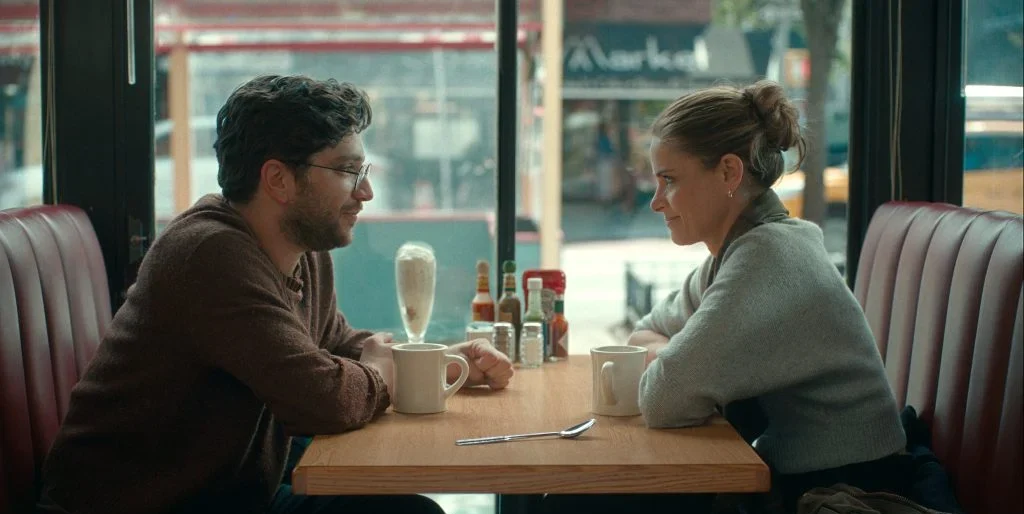
The relationship that develops between Sam and Dianne is the emotional core of the film. Both characters are "running on empty," feeling trapped by past decisions and uncertain about their futures. Their connection is forged in a "stagnant phase" of life, where shared vulnerability leads to a quiet, mutual self-reflection. The film suggests that even brief encounters can significantly alter a person’s trajectory, providing a "gentle reminder" of the impact of human connection in overcoming isolation.
The Evolution of a Directorial Vision
Matthew Shear’s directorial style is heavily influenced by his history in the New York independent film scene. Having appeared in several of Noah Baumbach’s most acclaimed works, including While We’re Young, Mistress America, The Meyerowitz Stories, and Marriage Story, Shear has spent years observing the construction of "tragicomic, character-driven stories" that focus on the nuances of everyday relationship dynamics.
In Fantasy Life, Shear applies these lessons to a story that mines the anxieties of unfulfilled dreams. While the film may not reach the same level of emotional impact as some of Baumbach’s larger-scale works, it succeeds in creating a specific, lived-in atmosphere. The screenplay prioritizes small, powerful interactions over grand cinematic gestures. For instance, a scene where Sam and Dianne watch a movie together after his babysitting duties illustrates their "slow-build connection." Sam’s mention that the television series Battlestar Galactica helped him through a previous depressive episode serves as a character-building moment that emphasizes the film’s sincere, if slight, nature.
Character Dynamics and the Anatomy of a Career Crossroads
The chemistry between Matthew Shear and Amanda Peet is a defining element of the production. Their performances are described as understated and emotionally grounded, allowing the characters’ relationship to feel "lived-in and intuitive." Peet, in particular, delivers a performance that highlights a "quietly dramatic shift" in her character’s perspective, especially regarding her own privilege and the reality of her stalled Hollywood career.
Dianne’s character is further complicated by her domestic situation. She is married to David, played by Alessandro Nivola, an ex-rock musician preparing for a tour that will take him away from the family for months. The film explores the underlying double standards within their marriage, particularly in a standout scene where David defends his professional absence by comparing it to an acting job Dianne took years prior. This conflict highlights Dianne’s lack of presence at home, which David views as a result of her depression and professional disillusionment.
Sam becomes a "safe space" for Dianne, offering a level of attentiveness and comfort that her husband, preoccupied with his own career resurgence, cannot provide. This dynamic is illustrated in a scene where Dianne asks Sam to help her film an audition that requires "face tape" to hide signs of aging. The request, born out of a moment of vulnerability regarding her appearance, feels natural within the context of their developing bond.
The De-Stigmatization of High-Functioning Depression
One of the most notable aspects of Fantasy Life is its portrayal of high-functioning depression. Shear’s screenplay avoids sensationalizing mental health struggles for dramatic effect. Instead, it presents Sam and Dianne’s conditions with a sense of "subdued, compassionate" realism. By introducing Sam’s panic attack early in the film, the narrative humanizes the experience without allowing the diagnosis to define the character entirely.
The film explores how depression manifests in individuals who, on the surface, possess significant social and economic privilege. While the characters "aren’t quite operating in the real world" in terms of financial struggle, their "personal disillusionment" is treated with sincerity. This approach allows the film to engage with the subject of mental health in a way that is accessible and de-stigmatized, focusing on the internal toll of feeling "stuck" rather than the external symptoms of the illness.
An Ensemble of Veteran Character Actors
Despite the central focus on Sam and Dianne, Fantasy Life features an extensive ensemble cast of seasoned character actors. The presence of performers such as Judd Hirsch, Bob Balaban, Andrea Martin, and Holland Taylor provides the film with a sense of "ease and authenticity."
- Judd Hirsch as Fred: Sam’s psychiatrist and the grandfather of the children Sam babysits. Hirsch provides the narrative bridge between Sam’s mental health journey and his new employment.
- Andrea Martin as Helen: Fred’s wife, who provides moments of levity. Her subplot involving a humorous observation about cone-shaped paper cups in a doctor’s office adds to the film’s observational humor.
- Alessandro Nivola as David: Representing the domestic tension in Dianne’s life, Nivola’s character serves as a foil to Sam’s attentive and stationary presence.
- Bob Balaban and Holland Taylor: These veteran actors contribute to the affluent, intellectual New York atmosphere that defines the setting of the film.
While some critics have noted that these high-caliber actors are not always given substantial material to work with, their inclusion elevates the production and grounds the story in a recognizable social milieu.
Critical Analysis of Thematic Execution and Direction
As a first-time director, Shear faces the challenge of balancing tone. The film’s "subdued direction" has been described as occasionally "emotionally distancing," which can reduce significant character studies to "vague observations." For example, a tense dinner scene intended to highlight the marital conflict between Dianne and David has been noted for falling flat emotionally, despite the high stakes involved.
Furthermore, the title Fantasy Life suggests a potential for romanticism or a neatly resolved conclusion. However, the film opts for a "messier and far more grounded" resolution. The narrative trajectory builds toward an end that some might find "underwhelming," but this choice aligns with the film’s commitment to realism over cinematic artifice. The characters do not experience a magical solution to their problems; instead, they reach a point of self-reflection that allows them to begin moving forward.
Industry Implications and Broader Impact
Fantasy Life enters the cinematic landscape at a time when independent film is increasingly focused on intimate, conversational dramas. The film’s 91-minute runtime reflects a trend toward more concise storytelling in the indie sector, prioritizing character arcs over complex plotting.
The film also contributes to a growing body of work that examines the specific anxieties of the "creative class" in major urban centers. By focusing on an actress and a law school dropout, Shear taps into themes of "career crossroads" and the psychological impact of failing to meet one’s own expectations. The film’s exploration of these themes within a privileged demographic provides a specific lens on the universal experience of "personal disillusionment."
From a production standpoint, the film demonstrates Matthew Shear’s potential as a "promising talent on the rise." His ability to assemble a high-profile cast for a directorial debut speaks to his standing within the industry and the respect he has garnered through his previous acting work. While Fantasy Life may be viewed as a "slight" character study, its grounded performances and de-stigmatized view of mental health position it as a thoughtful entry in the tragicomedy genre.
Ultimately, the film serves as a case study in how contemporary filmmakers are navigating the intersection of humor and pathos. By mining the "dark humor" found in vulnerable moments, Shear creates a narrative that is both specific to its New York setting and broadly relatable in its depiction of human stagnation and the power of unexpected companionship. As the film moves through its distribution cycle, it will likely be recognized for its sincere performances and its contribution to the ongoing dialogue surrounding mental health in modern cinema.