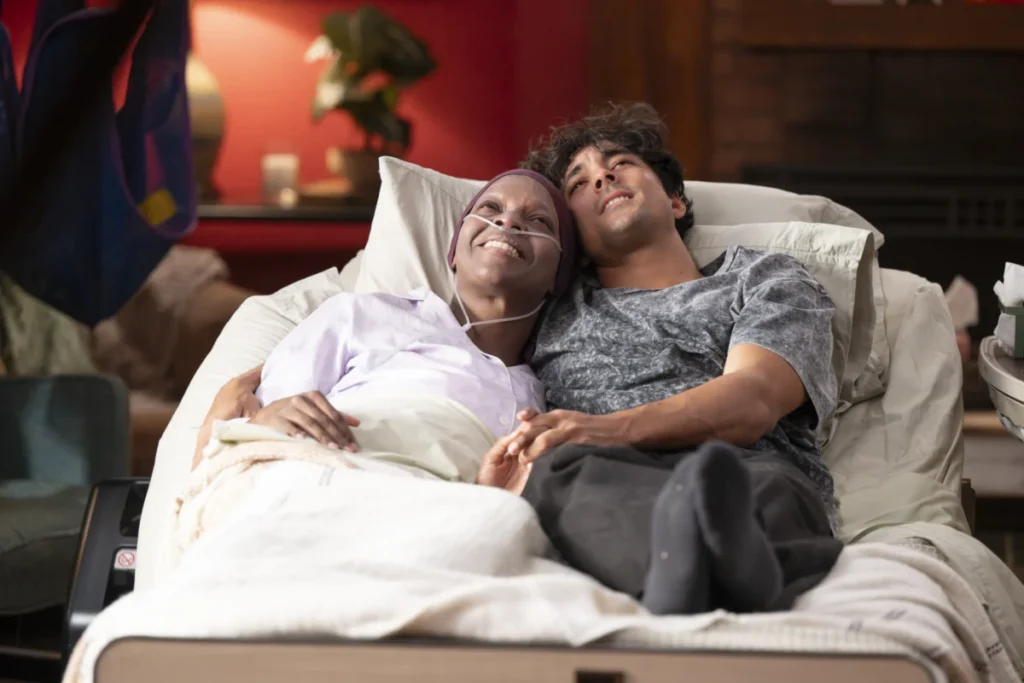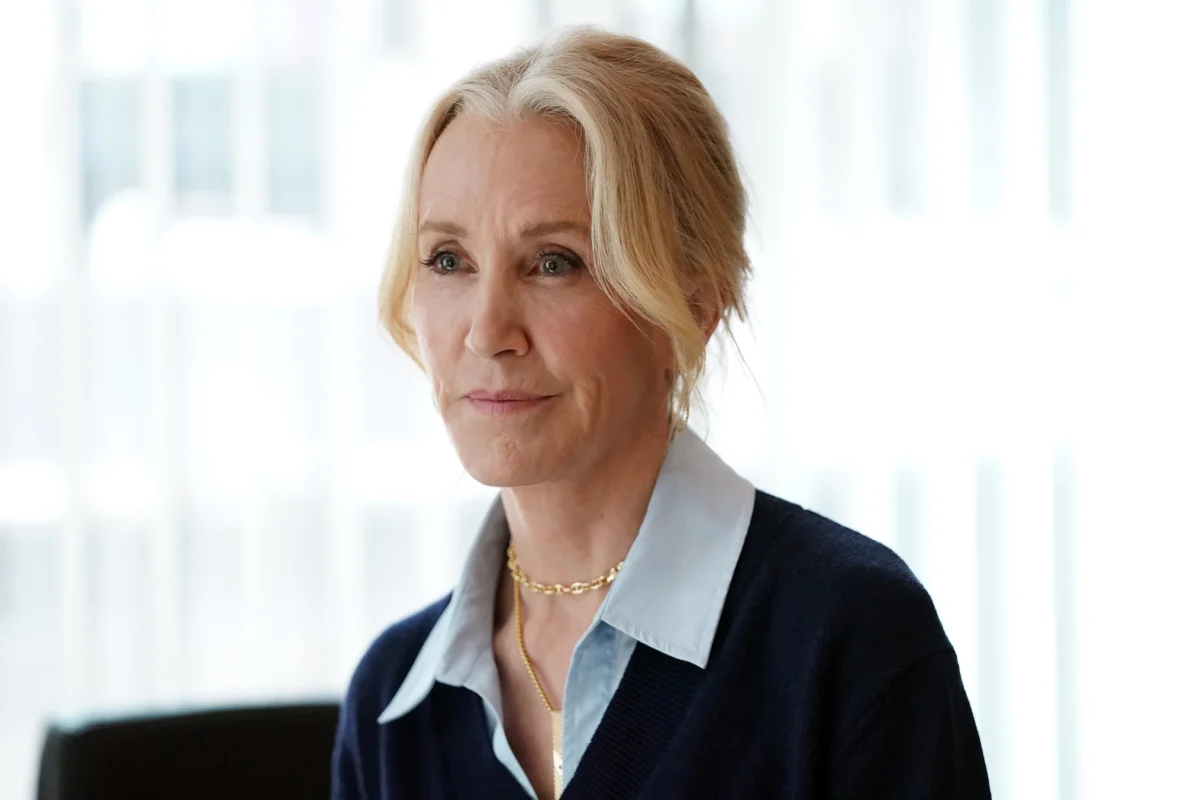
The medical landscape of the hit Fox series Doc underwent a transformative shift in its nineteenth episode of the second season, as Dr. Joan Ridley, portrayed by Emmy-winner Felicity Huffman, officially concluded her tenure as the Chief of Internal Medicine at Westside Hospital. The episode, which aired on Tuesday, March 31, served as a pivotal narrative juncture, resolving long-standing leadership tensions while setting the stage for a high-stakes two-hour season finale. Throughout the hour, Ridley exercised the "veto power" she had negotiated upon her arrival, making three critical appointments: a permanent successor for her own position and the naming of co-chief residents. These decisions not only redefine the operational structure of Westside but also reflect the character’s complex personal journey as she grapples with a life-threatening diagnosis of myelodysplastic syndrome (MDS).
The Succession of Leadership: Michael’s Ascent to Chief
The search for a new Chief of Internal Medicine provided the central tension of the episode. Dr. Ridley spent much of her final day vetting external candidates, with Michael (Omar Metwally) acting as her advisor. Throughout the process, Michael found disqualifying flaws in every applicant, a pattern that eventually culminated in him pitching himself for the role. This development marks a significant career pivot for Michael, who has historically operated in the shadow of his former wife, Amy (Molly Parker).
Huffman, in a detailed post-mortem of the episode, noted that while Joan’s long-term hope might have been for Amy to eventually reclaim the leadership mantle, the character’s current emotional state—compounded by the trauma of losing eight years of memory—rendered her unready for the administrative burden. Michael’s appointment was framed as a pragmatic solution for an interim period. By pitching himself to Max (Darrin Baker), Michael emphasized a division of labor: Max would handle the hospital’s public image and fundraising, while Michael would focus on clinical excellence and the mentorship of staff.
Joan’s rigorous "interview" of Michael served as a final test of his resolve. She challenged him to prove his commitment, ensuring that his focus would remain on the hospital rather than his complicated personal life. The transition highlights a recurring theme in the series: the necessity of emotional stability in high-stakes medical leadership. Michael’s willingness to step into the role suggests a newfound professional confidence that distinguishes him from the version of himself Amy remembers from eight years prior.
A Novel Solution: The Appointment of Co-Chief Residents
One of the more debated decisions in the episode involved the appointment of the chief resident. The competition narrowed down to Amy and Sonya (Anya Banerjee), two doctors with vastly different professional strengths. Joan’s final decision to appoint them as co-chief residents reflects a strategic move to balance clinical brilliance with empathetic leadership.
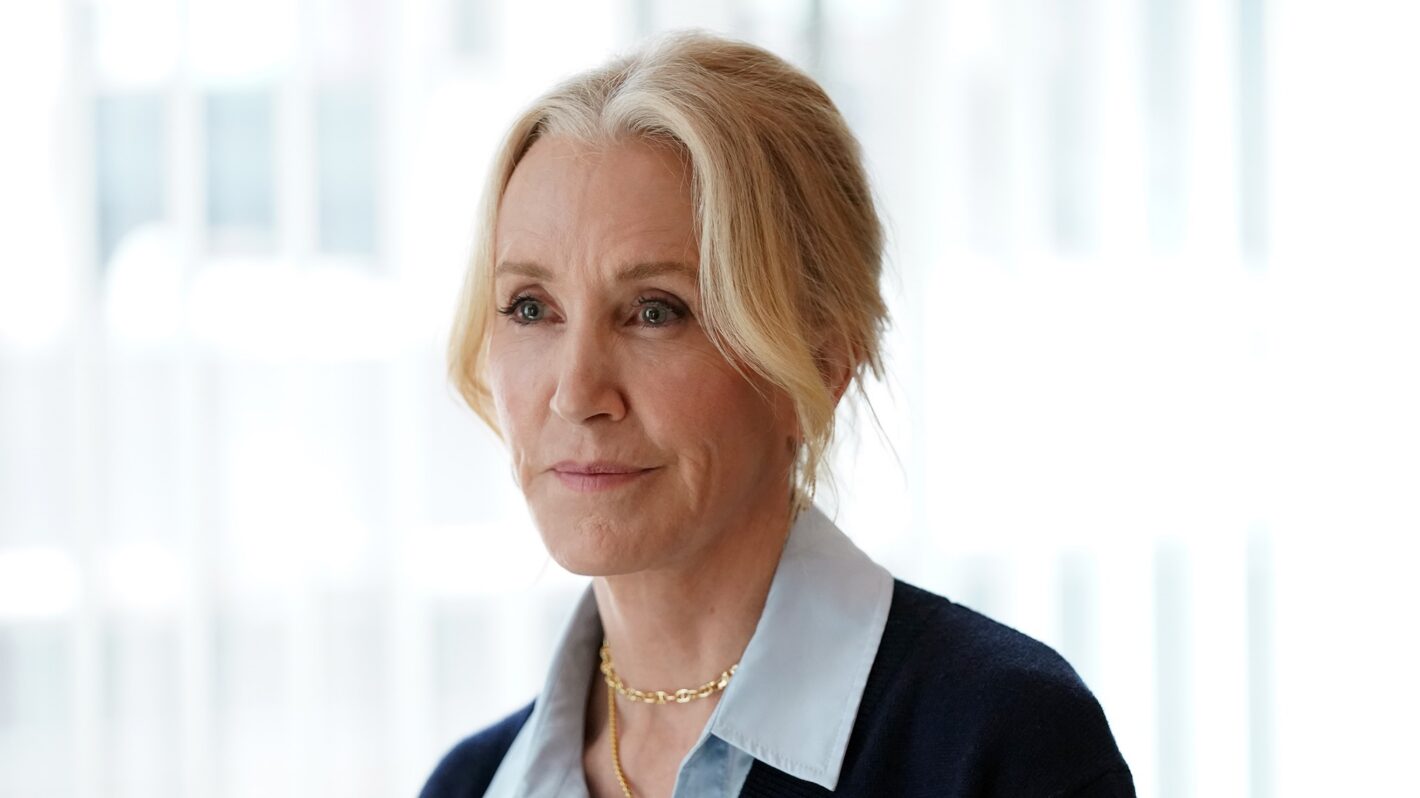
During individual interviews, the characters’ distinct philosophies were laid bare. Sonya demonstrated professional integrity by refusing to disparage Amy’s qualifications, arguing that her own merits should be sufficient for the promotion. Conversely, Joan challenged Amy on her motivations, suggesting that her desire for the position stemmed more from a frustration with being an intern than a genuine passion for teaching.
Joan’s analysis of the two candidates was clinical: Amy was described as the "star quarterback," possessing the innate brilliance and diagnostic skill required for complex cases. Sonya, however, was identified as the superior mentor and colleague—someone capable of pulling greatness out of others. By forcing the two to work together, Joan aims to create a "perfect marriage" of skills. Amy must learn compassion and humility from Sonya, while Sonya is expected to find her voice and own her power by working alongside Amy. This dual-leadership model is an increasingly common strategy in modern medical institutions to prevent burnout and ensure a holistic approach to patient care and resident training.
Clinical Realities: Joan Ridleys Battle with Myelodysplastic Syndrome
Beyond the administrative maneuvers, the episode delved into the deteriorating health of Dr. Ridley. The character has been diagnosed with myelodysplastic syndrome, a group of cancers in which immature blood cells in the bone marrow do not mature or become healthy blood cells. In the context of the show, Joan’s condition carries a high risk of progressing into acute myeloid leukemia (AML).
Medical data suggests that MDS is a significant diagnosis for older adults, often requiring aggressive treatments such as chemotherapy or bone marrow transplants. Huffman’s character has been managing her symptoms with prednisone and other steroids to maintain a high level of function, a choice that has taken a severe physical toll. The episode underscored the reality that Joan can no longer "function at 100%," leading to her realization that she must transition from her career-driven life to a "civilian" existence.
This medical arc serves as a poignant commentary on the sacrifices made by healthcare professionals. Joan’s history with Doctors Without Borders and her constant relocation to where she was "needed" resulted in a fractured relationship with her son, Connor McMahon. The reconciliation between Joan and Connor, facilitated earlier in the season by Amy, became the primary catalyst for Joan’s decision to step down. Huffman noted that without the hope of a restored family life, Joan might have stayed in her position too long, potentially compromising patient safety as her health declined.
Ethical Conflicts and Hospital Politics: The Return of Richard
The episode also addressed the simmering tension surrounding Richard’s (Scott Wolf) return to Westside. Joan’s departure does not signal an end to her opinions on hospital ethics; she made it clear to Richard that his presence remains a "travesty" following his previous actions. The narrative arc involving Liz (Conni Miu), a nurse who was caught in Richard’s lies, further highlighted Joan’s commitment to a functional, transparent hospital environment.
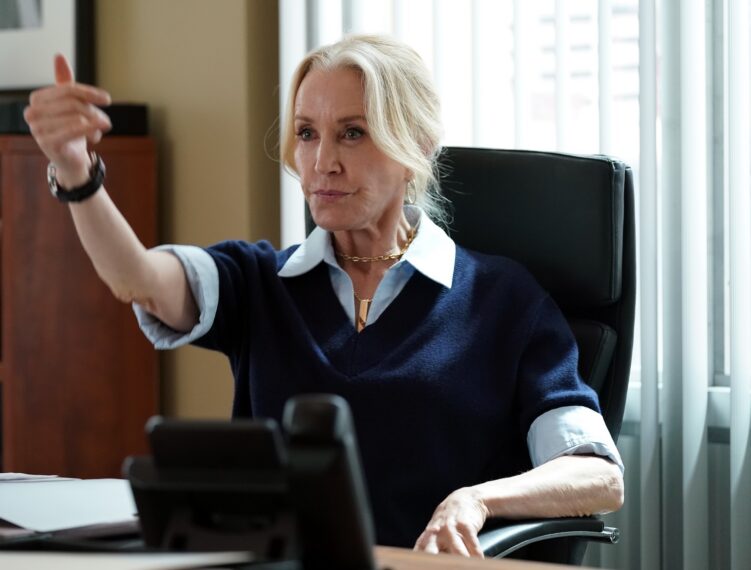
Joan’s final act of encouragement toward Liz—urging her to find her voice—serves as a safeguard against the abuse of power by senior staff. In a professional analysis of the hospital’s culture, the departure of a strong ethical leader like Ridley could leave a vacuum. However, by empowering the nursing staff and junior doctors, Joan attempts to leave behind a self-correcting system. The conflict between Richard’s self-serving brilliance and the hospital’s need for integrity remains a primary plot thread as the series moves toward its season conclusion.
The Broader Impact: Contextualizing Doc and Its Source Material
The Fox series Doc is an American adaptation of the highly successful Italian medical drama Nelle tue mani. The original series was inspired by the true story of Dr. Pierdante Piccioni, who lost 12 years of his memory following a car accident. While the American version focuses on Dr. Amy Elias and her eight-year memory gap, the introduction of characters like Dr. Joan Ridley adds a layer of mentorship and institutional gravity that distinguishes the adaptation.
Felicity Huffman’s guest arc has been viewed by industry analysts as a significant "get" for the network, bringing a veteran presence to the ensemble. Her portrayal of Joan Ridley has been characterized by a "stringent excellence," providing a foil to Amy’s more intuitive and sometimes chaotic approach to medicine. The decision to have Joan leave the hospital before the season finale creates an immediate test for the new leadership structure she put in place.
Looking Ahead: The Two-Hour Season Finale and Viral Outbreak
The conclusion of the episode served as a "passing of the baton," particularly in a quiet moment between Joan and Michael in the Chief’s office. This transition is set to be tested immediately. The network has confirmed that the upcoming two-hour season finale will involve a viral outbreak within Westside Hospital, a scenario that will demand peak performance from the newly appointed Michael and the co-chief residents, Amy and Sonya.
The outbreak serves as a narrative crucible. Without Joan’s seasoned guidance, Michael must navigate his first major crisis as Chief, balancing medical ethics with the logistical nightmare of a quarantine. Joan, now a "civilian," will likely find herself in a unique position—either as a patient vulnerable to the virus due to her compromised immune system or as an unofficial advisor forced to watch from the sidelines.
As the second season of Doc concludes, the series has successfully transitioned from a story about a single doctor’s memory loss into a broader ensemble drama about the evolution of a medical institution. The departure of Dr. Joan Ridley marks the end of an era for Westside, but her influence remains embedded in the careers of the doctors she trained and the leadership structure she meticulously designed before her exit.