In the crowded landscape of television, where countless series are lauded by critics as essential viewing that too few people discover, For All Mankind stands apart. This alternate reality science fiction drama has achieved a level of critical acclaim and artistic excellence that makes its relatively modest mainstream viewership almost baffling. It masterfully blends cinematic visuals, profound character development, and audacious storytelling, resulting in a viewing experience that is both emotionally resonant and intellectually stimulating. As it enters its fifth season, the series continues to evolve, proving that exceptional quality can not only be sustained but amplified over time.
The longevity of quality in television is a rare commodity, particularly for shows that push narrative boundaries. Many series, even those that begin with a bang, tend to falter as seasons progress. Actors may depart, storylines can become predictable, and a general sense of creative fatigue can set in. For All Mankind confronts these challenges head-on, a feat made even more remarkable by its unique premise: each season propels its characters forward a decade, presenting entirely new circumstances and narrative puzzles that must be intricately solved. This ambitious temporal leap could easily lead to a dilution of quality, yet the show consistently reinvents itself, drawing audiences deeper into its meticulously crafted universe.
The Butterfly Effect of a Different Space Race
The foundational premise of For All Mankind is elegantly simple yet profoundly impactful: What if the Soviet Union had achieved the lunar landing in 1969, beating the United States to the Moon? This single historical divergence triggers a cascade of "butterfly effect" consequences, reshaping the trajectory of space exploration and, by extension, global politics and societal development. The series explores the best and worst of human potential, demonstrating how a different outcome in a pivotal historical moment can lead to both radical departures from our known history and startling continuities. It is a narrative tapestry woven with threads of triumph and loss, joy and grief, failure and perseverance, consistently illustrating how choices, even seemingly small ones, can have far-reaching and often decades-long repercussions.
Season Five: An Ambitious Leap into Intergenerational Storytelling
Season five of For All Mankind marks perhaps its most ambitious undertaking to date, not necessarily in the scale of its interplanetary ventures—though it does expand its Mars colony and push further into the solar system—but in its profound evolution of the series’ identity. The show unflinchingly embraces the reality that many of the original characters who captured viewers’ hearts in the early seasons are no longer central to the narrative. This intergenerational scope, a brave and defining element of For All Mankind, allows beloved characters to exit the stage gracefully, making way for new protagonists to emerge and evolve. With the original "old guard" diminishing, season five is deeply marked by change, a deliberate pivot towards the future while still honoring the rich legacy of its past.
The Evolving Faces of the Future
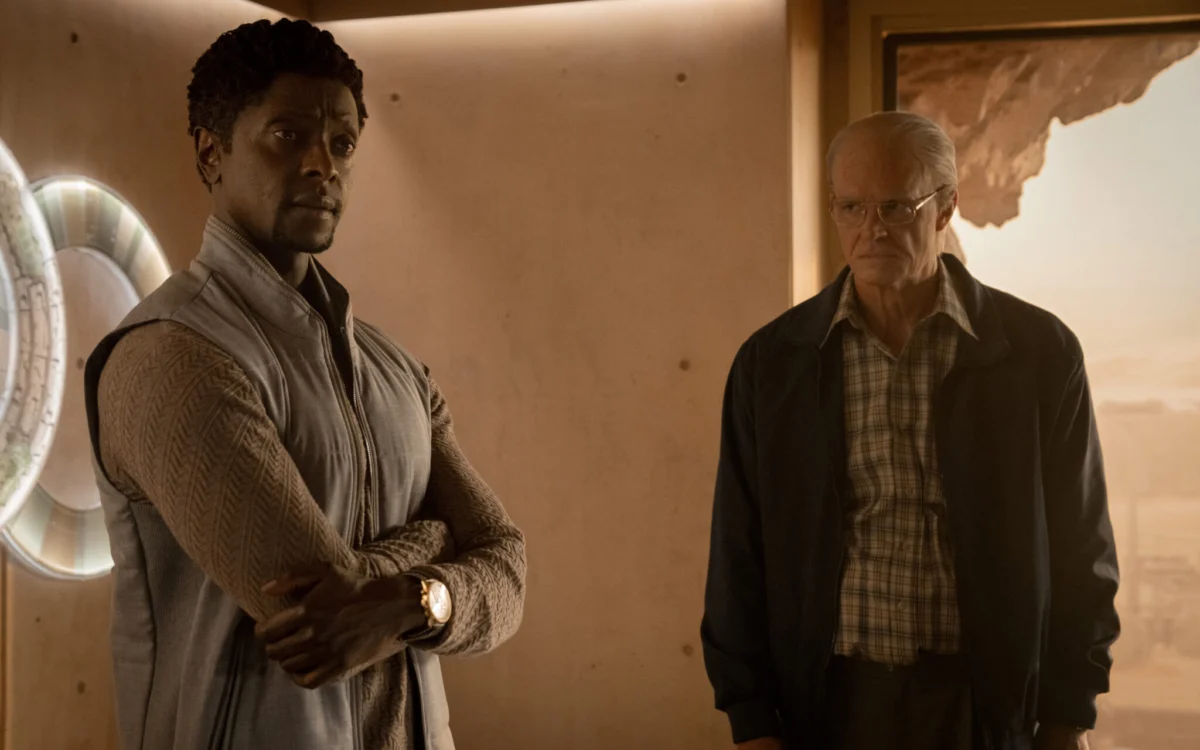
The passage of time is palpable in season five. Legendary astronaut Ed Baldwin, portrayed by Joel Kinnaman, one of the few remaining characters from the show’s inaugural season, is now an elderly figure. His advanced age and declining health are handled with realism and grace, offering a poignant counterpoint to the relentless forward momentum of the space program. Characters like Kelly Baldwin (Cynthy Wu) and Aleida Rosales (Coral Peña), once part of the younger generation of aspiring astronauts and engineers, have matured into middle-aged leaders, now occupying the pivotal roles once held by their mentors, Ed and Margo (Wrenn Schmidt).
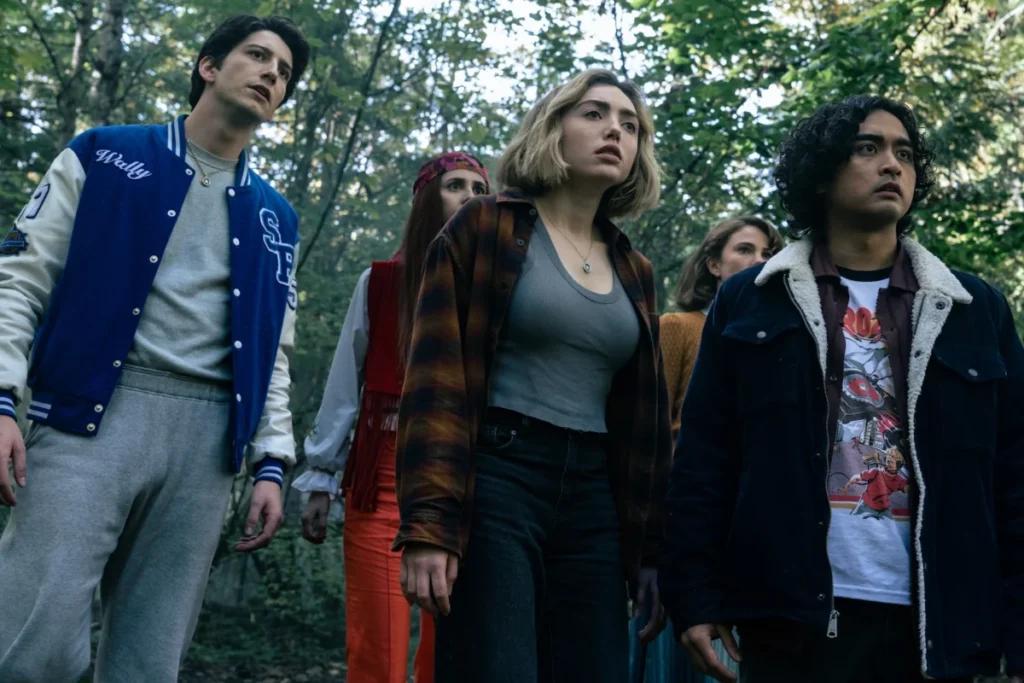
The series introduces a new cohort of characters, including the children of established figures whose lives are already familiar to the audience, allowing for natural integration into the narrative. These new faces are slowly being developed as the next generation of leads, ensuring the show’s continuity and thematic relevance. The season is thus a period of significant transition, yet it confidently lays the groundwork for a thrilling new era of exploration and storytelling.
Mars Transformed: A Thriving Colony and Emerging Tensions
The narrative of season five picks up nearly a decade after the dramatic events of season four, which saw a group of Mars residents commandeer an asteroid to assert their autonomy. The year is now an alternate 2012, and Happy Valley, the Mars settlement, is flourishing. What began as a visionary project by tech billionaire Dev Ayesa (Edi Gathegi) has evolved into a self-sufficient colony, teeming with workers, families, and vibrant community life. The central marketplace buzzes with activity, genuine restaurants cater to the growing population, and sprawling biodomes house lush fields of crops. This utopian vision is epitomized by the graduating class of Mars High, including Ed Baldwin’s grandson Alex (Sean Kaufman) and Lily Dale (Ruby Cruz), daughter of season four hero Miles Dale (Toby Kebbell). These teens, poised to embark on college or careers on Earth or elsewhere on the base, represent the culmination of the early settlers’ dreams, a stark contrast to the harsh conditions faced by the first Mars astronauts in season three.
The Unsettling Grip of Earthbound Politics
Despite its remarkable growth and burgeoning independence, Mars remains tethered to the political and economic realities of Earth. The leaders of the global M-6 alliance frequently make decisions that do not prioritize the best interests of the Martian colony. As hinted at in promotional materials, a central theme of season five revolves around Mars’s struggle for political and economic separation from Earth. The series delves into complex questions of exploitation, unchecked ambition, the pursuit of independence, and the insidious nature of authoritarianism.
The presence of "peacekeepers," thuggish military police, patrolling the base halls under the guise of maintaining order, underscores the growing discontent among residents. An underground independence movement, the Sons and Daughters of Mars, gains traction, fueled by resentment towards Earth’s perceived control. This volatile situation is further complicated by a mysterious murder, with many residents quick to blame North Korean defector Lee Jung-Gil (C.S. Lee), a conclusion that peacekeeping officer Celia Boyd (Mireille Enos) seems determined to question. Amidst these rising tensions, a new space race is ignited, as American company Helios and its Russian counterpart Kuragin independently accelerate their missions to reach Saturn’s moon Titan, both convinced that it holds the key to discovering extraterrestrial life.
A Season of Reflection and Relevance
Across the eight episodes available for critical review, For All Mankind fearlessly tackles issues that resonate deeply with contemporary society. The series explores the anxieties surrounding AI displacing human workers, the looming threat of police brutality, and the xenophobia directed towards refugees and migrants. These thematic explorations are woven into a compelling narrative filled with cliffhangers, moments of profound sacrifice, and unforeseen challenges for nearly every character. The ensemble cast continues to deliver impeccable performances, but the Baldwin family remains the emotional anchor of season five.
Joel Kinnaman’s portrayal of Ed Baldwin, often overlooked for the depth it brings to the series, serves as the emotional spine of the season’s transition. He navigates Ed’s twilight years with a captivating blend of his character’s enduring admirable traits and his persistent, sometimes frustrating, recklessness. Cynthy Wu, as Kelly Baldwin, seizes her expanded screen time, convincingly embodying the balance between her family life and her critical role within Happy Valley’s scientific community. She feels more like her father’s daughter than ever as she grapples with these dual responsibilities.
Among the new generation of characters, Sean Kaufman’s Alex Baldwin emerges as a true standout. Born on Mars in season three and having grown up on the colony, Alex is a "legacy character" in the truest sense. Happy Valley is his inheritance, and watching him carry on his grandfather’s legacy of making both impulsive decisions and significant trouble is profoundly satisfying. While the series has occasionally struggled with the portrayal of younger male characters, Alex represents a slam dunk, a figure poised to lead the franchise well into the future.
Charting a Course for the Future
Navigating four decades of established series history while simultaneously pushing into a new era is an arduous undertaking. For All Mankind handles this latest period of growth with remarkable grace, granting its second-generation characters compelling arcs and allowing its third generation to forge their own distinct paths, diverging significantly from those of their parents. The series remains a hidden gem, a testament to the power of ambitious storytelling and exceptional execution. With season five, For All Mankind continues to prove itself as one of the most compelling, thought-provoking, and emotionally rich programs on television, a show that richly deserves the widespread recognition it has so consistently earned. The hope remains that this season’s powerful narrative and bold evolution will finally propel it into the mainstream consciousness it so rightfully commands.