Narrative Structure and Plot Evolution
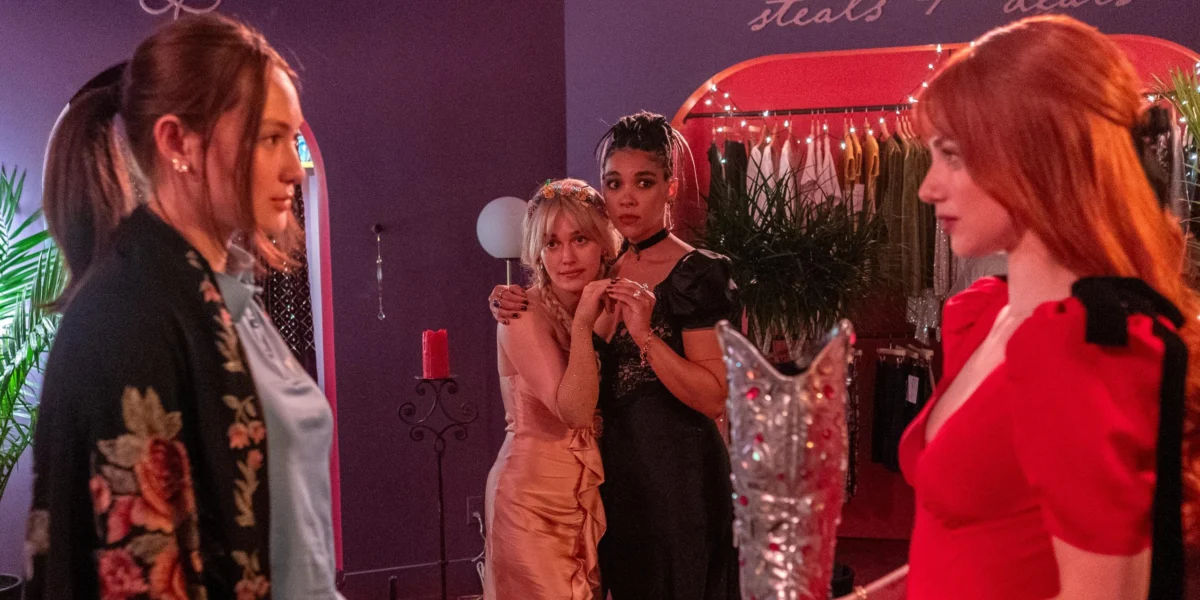
The film’s progression follows a traditional three-act structure, though it is heavily stylized through the lens of Giallo-inspired visuals and "camp" sensibilities. The first act establishes the social hierarchy of the mall, where the employees of Free Eden—referred to as "The Fruits"—occupy the pinnacle of the local social order. Apple (Reinhart), Fig (Alexandra Shipp), and Cherry (Victoria Pedretti) are depicted as a monolithic unit, bonded by a shared philosophy that rejects traditional patriarchal structures in favor of a strict, almost militant sisterhood. This bond is reinforced through specific dietary restrictions, shared linguistic quirks, and the practice of dark magic intended to ensure their success through the retail season.
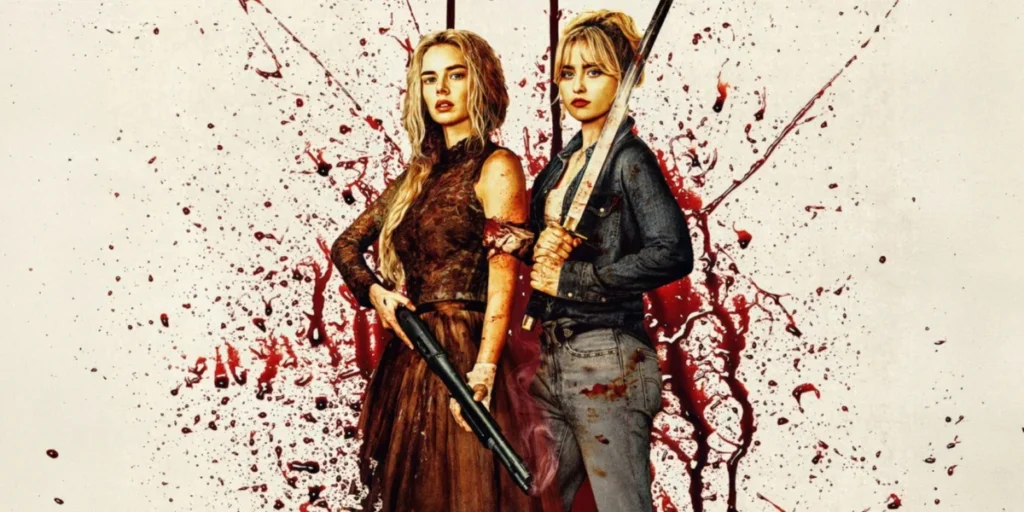
The inciting incident occurs with the introduction of Pumpkin (Tung), whose entry into the coven serves as the catalyst for the group’s eventual deconstruction. As Pumpkin is initiated into the rites of Free Eden, the narrative shifts from a study of clique dynamics to a more visceral exploration of occult influence and psychological manipulation. The second act focuses on the mounting tension between Apple’s authoritarian leadership and Pumpkin’s growing realization that the "girl-boss" empowerment preached by the coven is a facade for a more sinister, self-destructive form of co-dependency. The final act culminates in a series of violent confrontations, utilizing practical effects and rhythmic editing to underscore the "vom-inducing" and "sanguinary" elements noted by early screenings.
Thematic Analysis of Consumerism and "Girl-Boss" Culture
A central pillar of the film is its critique of modern performative empowerment. Alloway and Houghton utilize the "Free Eden" store as a microcosm for broader societal trends, specifically the commodification of feminism. The character of Apple embodies the "girl-boss" archetype—a figure who uses the language of liberation and sisterhood to exert control and maintain a rigid hierarchy. This thematic focus aligns with contemporary sociological discussions regarding the "neoliberal feminist" movement, which often emphasizes individual corporate success over collective systemic change.
The setting of the shopping mall is equally significant. By placing the narrative in a Texas mall, the filmmakers tap into a sense of "noughties" nostalgia, referencing a time when malls served as the primary cultural and social hubs for American youth. The film argues that while the physical mall may be in decline in the age of e-commerce, the psychological structures of mall culture—exclusivity, aesthetic obsession, and consumer-driven identity—remain prevalent. The "Fruits" represent the ultimate evolution of this culture, where identity is not just purchased but enforced through ritualistic adherence to a brand.
Casting and Character Profiles
The production features a high-profile ensemble cast, drawing from popular television and film franchises to appeal to a broad demographic.
- Lili Reinhart (Apple): Known for her role in Riverdale, Reinhart portrays the coven’s leader with a "cold-hearted intensity." Industry analysts suggest this role marks a significant departure from her previous work, allowing her to explore a more antagonistic and manipulative persona.
- Lola Tung (Pumpkin): Following her breakout role in The Summer I Turned Pretty, Tung is tasked with playing the audience surrogate. Her performance is characterized by a "close-to-the-chest" delivery, maintaining ambiguity regarding her true intentions until the film’s conclusion.
- Victoria Pedretti (Cherry): A veteran of the horror genre (The Haunting of Hill House, You), Pedretti provides much of the film’s "comical yet tragic" levity. Her portrayal of Cherry utilizes a heightened, ditsy mannerism that masks the character’s underlying instability.
- Alexandra Shipp (Fig): Shipp portrays the most individualistic member of the core trio. Her character arc focuses on the "tortured duality" of maintaining loyalty to the coven while pursuing personal agency.
- Supporting Cast: The inclusion of Emma Chamberlain and Gabrielle Union adds further commercial viability to the project. Chamberlain, a major figure in digital media and fashion, aligns with the film’s aesthetic focus, while Union provides a seasoned presence to the broader ensemble.
Technical Execution and Production Design
The aesthetic of Forbidden Fruits is a deliberate homage to the early 2000s, achieved through the collaboration of a specialized creative team. Production designer Ciara Vernon created a "lived-in" mall environment that feels both nostalgic and claustrophobic. This is complemented by Sarah Millman’s costume design, which uses vibrant colors and period-specific silhouettes to define the characters’ social standing and psychological states.
Cinematographically, the film employs a "Giallo-esque" palette—saturated primaries and dramatic lighting—that heightens the supernatural elements of the story. The editing, handled by Hanna Park, is noted for its precision, particularly in the comedic timing of the dialogue. The script utilizes "Gen-Z lingo" (e.g., "vom," "gorg," "babe") not merely for realism, but as a tool to highlight the performative nature of the characters’ interactions. This linguistic choice reflects a broader trend in recent cinema, where contemporary slang is used to ground fantastical or horrific premises in a recognizable social reality.
Industry Context and Genre Trends
The release of Forbidden Fruits occurs during a period of renewed interest in "femme-focused" genre films. Analysts point to the success of titles like Jennifer’s Body (which saw a critical reappraisal years after its release) and Bottoms as evidence of a market for films that combine feminine social dynamics with extreme violence or satire.
Data from the horror film sector indicates that female-led projects often see higher engagement on streaming platforms and among younger demographics (Ages 18–34). By securing a cast with significant social media followings—most notably Reinhart and Chamberlain—IFC Films has positioned the movie to capitalize on "viral" marketing potential. The film’s 103-minute runtime is also in line with current industry standards for genre features, favoring a tight, fast-paced narrative over the "epic" lengths seen in blockbuster dramas.
Chronology of Production and Release
- Development: The project was first announced following the success of Meredith Alloway’s short films, which frequently explored themes of body horror and social anxiety.
- Casting: The ensemble was finalized in mid-2023, with principal photography taking place on location in Texas to capture the authentic scale of mid-western shopping centers.
- Post-Production: Editing and visual effects were completed in early 2024, focusing on the "sanguinary" practical effects required for the film’s violent sequences.
- Marketing: The official trailer was released via IFC Films, highlighting the contrast between the brightly lit retail environment and the dark, ritualistic elements of the plot.
- Release: The film is slated for a multi-platform release, including a theatrical window followed by a debut on specialized horror streaming services.
Broader Impact and Critical Implications
Forbidden Fruits is expected to provoke discussion regarding the evolution of the "slasher" and "witchcraft" subgenres. By moving the coven from the traditional forest or gothic mansion into the sterile, fluorescent environment of a shopping mall, Alloway recontextualizes the witch as a product of modern capitalism. The film suggests that the "inner darkness" faced by the characters is not just a supernatural force, but a byproduct of an environment that demands perfection, loyalty, and constant consumption.
The film’s focus on "co-dependency" and "isolating sisterhood" offers a counter-narrative to the often-romanticized depictions of female friendship in media. It explores the "worst aspects" of social bonds when they are forged under pressure and maintained through fear. As a debut feature, the project establishes Meredith Alloway as a filmmaker interested in the intersection of high-fashion aesthetics and low-brow "vom-inducing" horror, a combination that has historically defined "cult classic" cinema.
Ultimately, Forbidden Fruits serves as both a stylistic exercise and a thematic critique. It operates as a "camp, witch-filled romp" that adheres to the tropes of its genre while simultaneously deconstructing the very "girl-boss" tropes it appears to celebrate. Whether it achieves "cult classic" status will depend on its reception among its target Gen-Z and millennial audience, but its technical execution and thematic depth suggest a significant contribution to the current landscape of independent genre film.