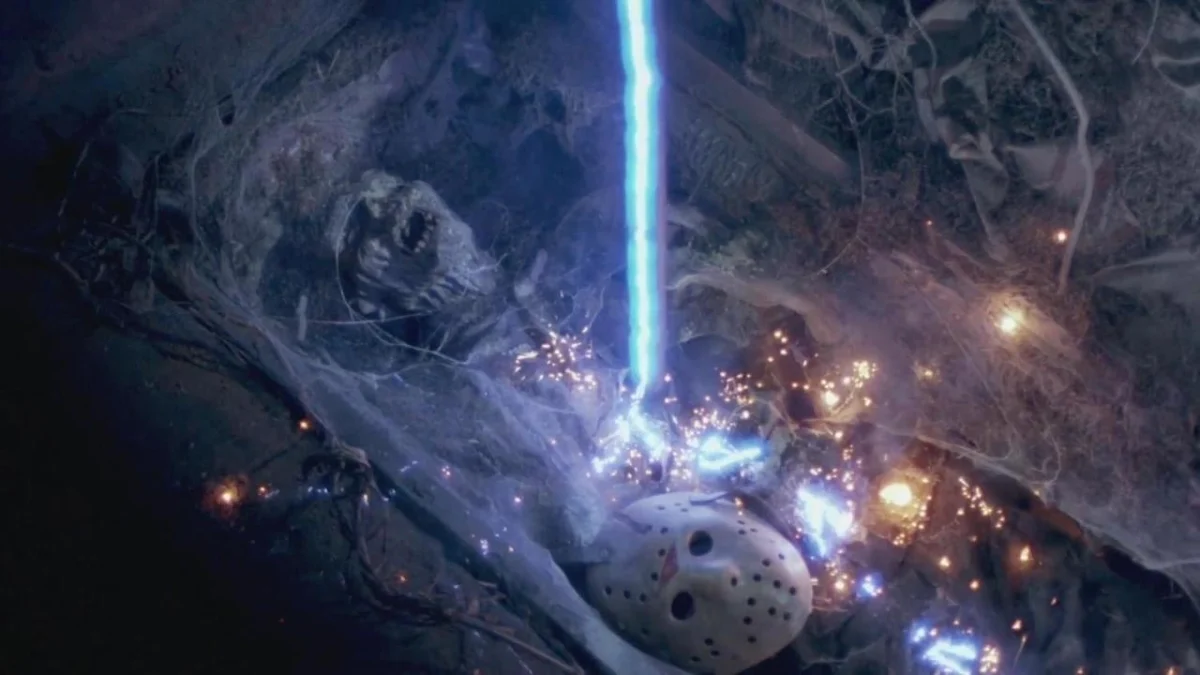
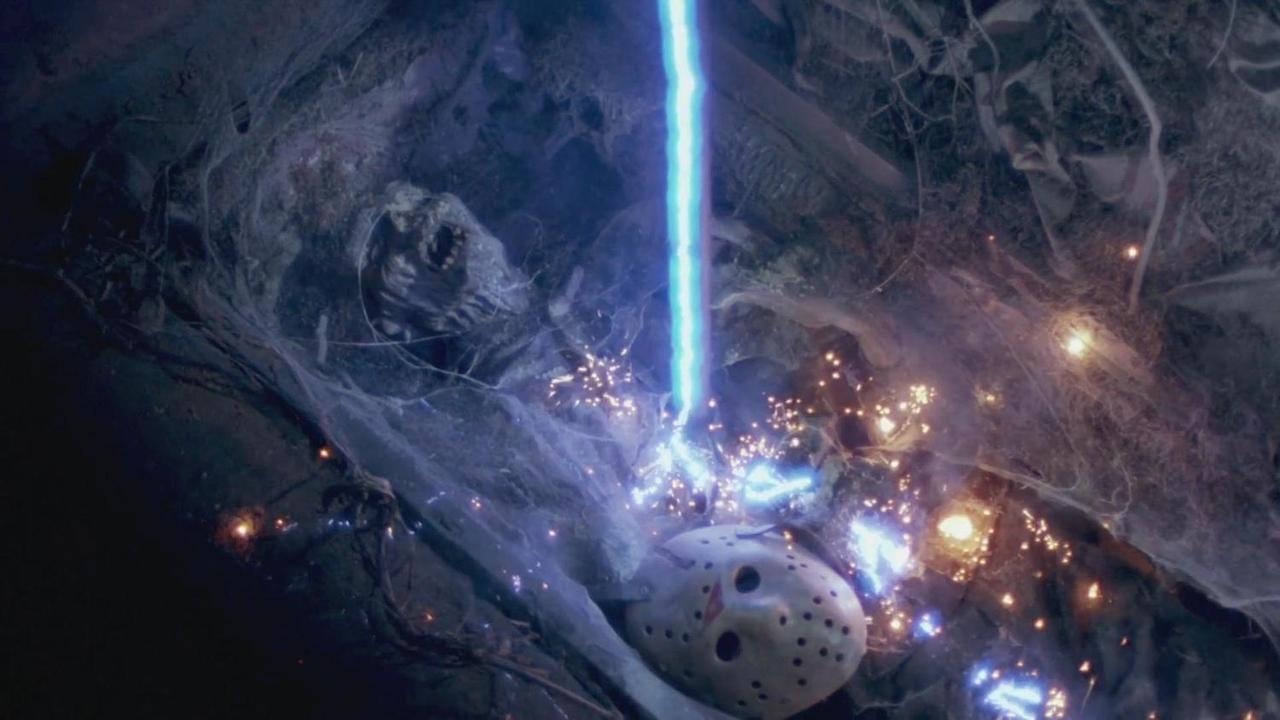
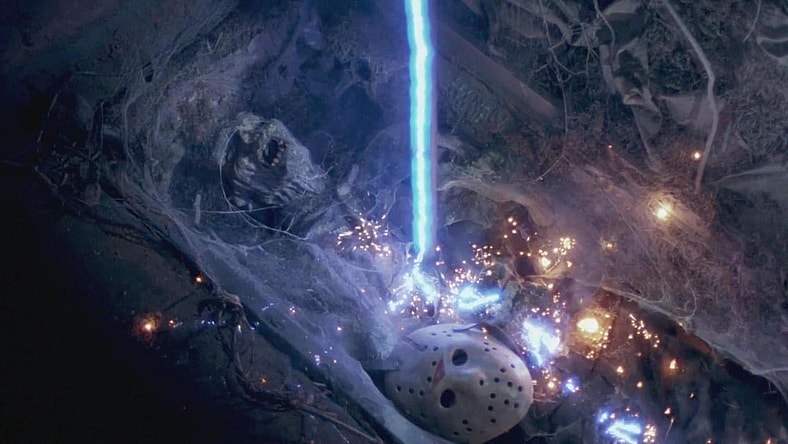
The subtitle "Jason Lives" was more than just a catchy tagline; it was a defiant declaration that the franchise’s iconic killer, Jason Voorhees, was back, and this time, he was here to stay. Released in 1986, Friday the 13th Part VI: Jason Lives arrived at a critical juncture for the slasher genre, seeking to course-correct after the departure of its signature antagonist in the preceding installment, A New Beginning. This return to form not only revitalized the Friday the 13th series but also, in retrospect, offered a glimpse into a potential future for horror filmmaking, one that embraced self-awareness and a clever blend of scares and satire.
The film’s intent was further amplified by its memorable soundtrack, featuring Alice Cooper’s anthemic "He’s Back (The Man Behind the Mask)." The lyrics powerfully underscored the narrative’s central premise:
"Oh, but he’s back!
He’s the man behind the mask
And he’s out of control, he’s back!
The man behind the mask
And he crawled out of his hole!"
This resurgence, however, did not immediately translate into box office dominance. While Jason Lives did achieve profitability, its financial performance fell short of its predecessor. This trend of diminishing returns continued for subsequent installments until the franchise’s tenth film. Critically, the film also garnered a mixed reception upon its release. The New York Times’ Caryn James, in her original review, dismissed it as "a gory waste of time." Years later, Eric D. Snider of ericdsnider.com echoed this sentiment, labeling it "thunderingly mediocre" and wryly noting its perceived lack of traditional slasher elements like nudity and iconic catchphrases.
In stark contrast, Michael Gingold of Fangoria offered a more enthusiastic appraisal, declaring Jason Lives "easily my favorite" within the series. He celebrated its inherent fun, acknowledging its plot inconsistencies while praising its ability to deliver a thrilling and enjoyable experience. Gingold highlighted specific moments, such as the comedic mishap with the food cartons and Jason’s Frankenstein-esque reanimation, as testaments to the film’s entertaining nature. He also pointed out its subtle social commentary, noting Jason’s dispatching of a "credit-card-handling yuppie" as a commentary on the prevailing economic climate of the mid-eighties.
A Shift in Tone and Genre Influence
Gingold’s assessment has proven remarkably prescient, as Jason Lives is now widely recognized for its influential role in shaping the landscape of horror cinema. The film’s self-aware and often humorous approach paved the way for later meta-horror franchises, most notably the highly successful Scream series. Noah Dominguez, writing for Comic Book Resources, elaborated on this connection, noting how Jason Lives‘ playful subversion of slasher tropes laid the groundwork for the genre’s increasing self-reflexivity.
Beyond its meta-commentary, Jason Lives stands out for its enduring quality, a testament to its craftsmanship that belies its 40-year age. While previous Friday the 13th films certainly possessed elements of dark humor, Jason Lives elevated this to a central component, embracing its "camp" nature with gusto. It masterfully juggled the familiar tropes of the slasher subgenre with a knowing wink to the audience, extracting much of its comedic impact from these self-referential moments.
Beneath the Gore: Social Commentary and Character Development
However, the film’s appeal extends beyond its comedic leanings. Jason Lives subtly weaves in social commentary, most notably through the character of Tommy Jarvis (Thom Matthews). Haunted by his past encounters with Jason, Jarvis accidentally resurrects the killer, initiating a cat-and-mouse game as Jason embarks on a path toward a reopened summer camp. Jarvis’s struggle is compounded by the interference of Sheriff Mike Garris (David Kagen), whose toxic masculinity and fragile ego serve as an early example of the film’s social critique. Further layers of commentary emerge through scenes depicting yuppies expressing misogyny and aggression before their violent interruptions, as well as sharp observations on the challenges of childcare and other societal critiques delivered with an irreverent touch.
Crucially, Jason Lives differentiates itself from lesser horror-comedies by investing in its characters. Tommy Jarvis, having survived multiple prior encounters, naturally garners audience sympathy. However, he is not the sole anchor of emotional investment. Jennifer Cooke delivers a standout performance as Megan Garris, Sheriff Garris’s daughter and Jarvis’s love interest, portraying her as intelligent, spirited, and endearing. The film also introduces a range of supporting characters – cops, counselors, hikers, and children – who, in lesser hands, might have been mere disposable figures. Yet, through skilled writing and compelling performances, even brief appearances leave a lasting impression, fostering a genuine sense of concern for their fates.
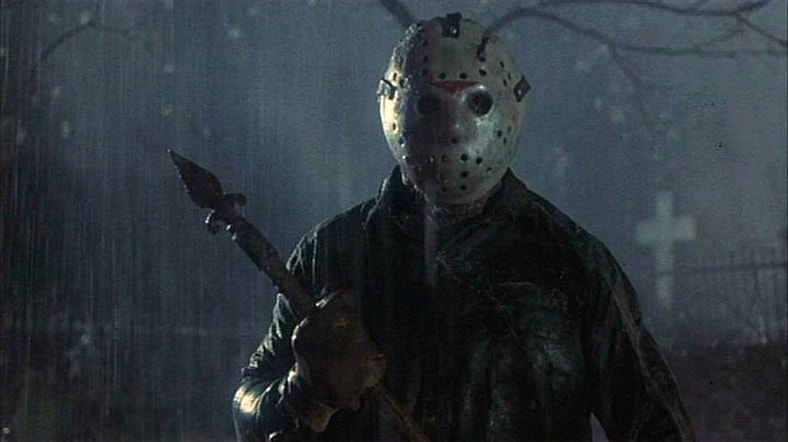
This investment in character development directly contributes to the film’s effectiveness as a horror movie. The palpable fear for the characters’ well-being when they are menaced is a hallmark of quality horror. Furthermore, Jason Lives benefits from its production during a period when practical effects reigned supreme, with CGI used sparingly for subtle enhancements. The visceral impact of each death, the realistic portrayal of blood and gore, and the overall tangible quality of the special effects stand in sharp contrast to much of modern CGI-heavy cinema. The film’s practical effects not only hold up remarkably well but actively enhance the viewing experience, forcing audiences to suspend disbelief in the most effective way possible.
Looking Forward: Lessons from a Milestone
The enduring success and influence of Friday the 13th Part VI: Jason Lives offer valuable lessons for the contemporary film industry. There is a clear imperative for studios to prioritize the production of horror films that emulate its strengths. The technology exists to create convincing special and sound effects, coupled with the creative capacity to craft intelligent scripts and cast talented performers. Jason Lives triumphed not simply by reviving a popular villain, but by meticulously assembling all the essential components of a compelling film.
Consequently, it is vital to ensure that Jason Lives continues to be revisited and appreciated. Its status as a significant work of art, proven by its lasting impact and ability to withstand the test of time, merits its continued remembrance and celebration. The film’s ability to resonate across generations underscores its artistic merit and its significant contribution to the horror genre.
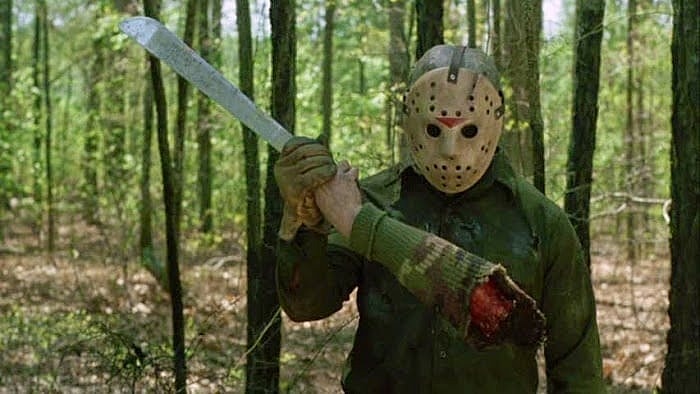
In conclusion, Friday the 13th Part VI: Jason Lives earns the right to be celebrated. Its enduring appeal and its ability to captivate audiences 40 years after its release serve as a powerful reminder of what makes a horror film truly exceptional. It is a testament to the power of combining thrilling scares with intelligent storytelling, memorable characters, and a self-aware approach that respects its audience while delivering on the genre’s core promises. As Alice Cooper’s iconic power ballad reverberates, "He’s Back," so too does the legacy of a film that not only brought back a killer but also redefined the potential of the slasher genre.
Jason Lives is currently available for streaming on Pluto TV and Paramount+.