Background and Context of a Post-Heroic Epic
Frieren: Beyond Journey’s End originates from the manga written by Kanehito Yamada and illustrated by Tsukasa Abe, which began serialization in Shogakukan’s Weekly Shōnen Sunday in April 2020. The series quickly garnered widespread critical praise for its contemplative narrative, unique pacing, and profound exploration of themes such as mortality, memory, grief, and the inexorable passage of time from an immortal perspective. Unlike traditional fantasy epics that focus on the hero’s journey, Frieren begins after the defeat of the Demon King, chronicling the long aftermath through the eyes of Frieren, an elven mage who vastly outlives her human companions.
The first season, animated by the renowned studio Madhouse and directed by Keiichiro Saito, premiered in September 2023 and became an immediate sensation. It was lauded for its stunning animation quality, evocative soundtrack by Evan Call, and a narrative that masterfully blended melancholic reflection with heartwarming moments and occasional bursts of action. Critics and audiences alike praised its ability to deliver a fresh perspective on the fantasy genre, often earning comparisons to classics for its emotional depth and character-driven storytelling. The success of the first season set an exceptionally high bar, generating significant anticipation for how the narrative would evolve without relying on the initial novelty of its premise.
Narrative Progression in the Second Season
The second season of Frieren: Beyond Journey’s End continues the northward trek of Frieren, Fern, and Stark towards Ende, the fabled land where souls of the dead are said to rest and where Frieren hopes to converse with her former comrade, the hero Himmel. As the trio ventures into increasingly perilous territories, the practicalities of long-distance travel, including resource management, navigation through challenging landscapes, and the necessity of taking on various tasks for sustenance and information, become more pronounced. This grounded approach adds a layer of realism to their fantastical journey, emphasizing the everyday struggles that underpin their grand quest.
The core of the second season’s narrative revolves around three interconnected axes, intricately woven together by director Tomoya Kitagawa and the writing team. The first axis focuses on the deepening relationships and individual growth within the traveling party. As Fern and Stark spend more time together, their bond undergoes significant development, subtly hinting at a nascent romantic interest while remaining a wholesome exploration of companionship. Stark, initially portrayed with a degree of insecurity, gradually gains confidence in his role as the party’s warrior, his growth often spurred by Frieren’s guidance and the trust placed in him by Fern. Similarly, Fern becomes more outwardly expressive of her emotions, her once reserved demeanor slowly softening as she navigates her feelings for Stark and her role as Frieren’s apprentice. This collective "coming-of-age" process for the younger members is one of the most compelling aspects of the season, offering a relatable human element against the backdrop of an immortal’s journey.
Frieren herself undergoes a profound evolution, learning more about the intricacies of human nature and the weight of responsibility. Her vast lifespan, once a source of emotional detachment, increasingly becomes a catalyst for empathy. The concept of "debts owed" from her past, whether to former companions or to the living world, introduces a compelling sense of realism, grounding her character in tangible obligations. This gradual shift makes Frieren more humane and, consequently, more endearing to the audience. A recurring source of lighthearted comedy and character insight comes from Frieren’s peculiar hobby of collecting seemingly "useless" grimoires—spells that turn green apples red, or allow easy recitation of tongue twisters. These quirky pursuits not only highlight her unique perspective as an elf with centuries of time but also serve to make her more approachable and add a whimsical charm to the narrative.
The second narrative axis delves further into Frieren’s extensive past, particularly her previous travels with the hero party. These flashbacks serve as poignant reflections, shedding light on her interactions with Himmel, Heiter, and Eisen. A significant emphasis is placed on her relationship with Himmel, subtly exploring the possibility of a romantic connection that Frieren, due to her elven lifespan and emotional detachment, may not have fully comprehended or reciprocated during their shared time. These glimpses into the past are crucial for enriching Frieren’s character portrait, providing context for her current emotional journey and her belated understanding of human connections. While some critics have occasionally noted that a few flashbacks might feel strategically placed to extend episode runtime, their ultimate purpose in elucidating Frieren’s evolving perception of love, regret, and the transient beauty of human life is undeniable. The overarching implication, subtly woven through these recollections, is Frieren’s eventual realization of the profound, perhaps romantic, love she held for Himmel, a sentiment she is only now beginning to grasp.
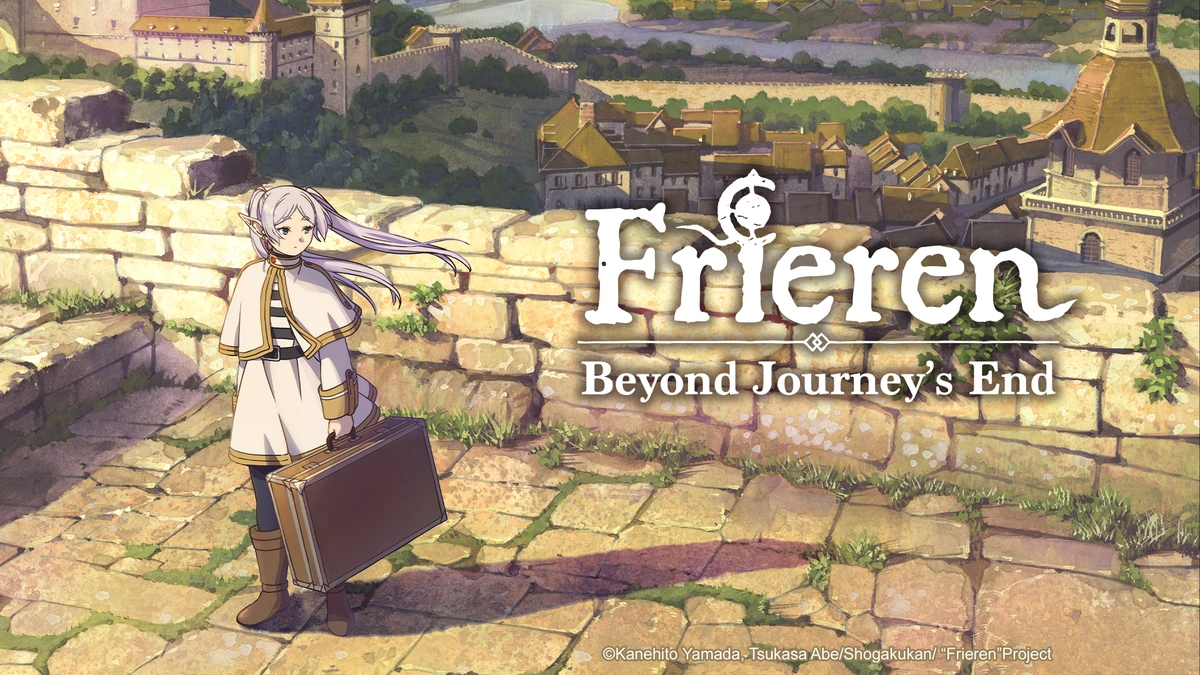
The third narrative axis embraces the "road movie" element of the series, focusing on the trio’s continuous adventures and the escalating challenges they face. As they penetrate deeper into the Northern Plateau, the threats they encounter become progressively more formidable. The arc involving powerful demons marks a significant peak in the season’s action and drama. These encounters present genuine danger, forcing the protagonists to push their limits and occasionally rely on unexpected allies. The character of Genau, a particularly intriguing demon, emerges as a pivotal dramatic presence during these conflicts, adding layers of moral ambiguity and emotional complexity to the battles. Their journey frequently brings them into contact with other mages, seasoned warriors, and remnants of ancient conflicts, all of which contribute to a richer world-building experience and hint at larger, interconnected threats tied to the legacy of past heroes and the persistent menace of demons.
Animation Excellence and Character Design
Madhouse’s reputation for high-quality animation is consistently upheld throughout the second season. While the series often prioritizes emotional resonance and character interaction, the action sequences, when they occur, are executed with remarkable fluidity and impact. Although the level of explicit violence remains toned down, the battles can be surprisingly brutal, particularly in confrontations with powerful demons, creating a stark contrast to the more humorous skirmishes with monstrous creatures. The intricacy and speed of movements during these combat scenes are a testament to the animation team’s skill, highlighting the precision and power of the characters. This attention to detail extends beyond action, with Madhouse delivering consistently smooth and expressive motion in everyday scenes, enhancing the overall immersive quality of the series.
The character design, a collaborative effort by Yuri Fujinaka, Keisuke Kojima, and Maru Takase, generally maintains the established aesthetic of the first season. While some occasional instances of bluntness in facial expressions have been noted, the overall execution of character designs, including clothing, hair, and body language, remains strong. The designs for various villains and new supporting characters are particularly impressive, conveying their personalities and threats effectively. This consistent visual quality ensures that the audience remains connected to the characters and the world, regardless of the narrative’s specific focus.
Critical Reception and Broader Implications
Frieren: Beyond Journey’s End Season 2 has largely succeeded in retaining the high standards set by its predecessor, solidifying the franchise’s standing as a benchmark in modern fantasy anime. Critics have praised its continued commitment to character development, the nuanced exploration of its themes, and the unwavering quality of its production. Viewership metrics on platforms like Crunchyroll indicate sustained global popularity, with the series frequently ranking among the top-watched anime during its broadcast period. This consistent performance underscores its broad appeal and the strong connection audiences feel towards Frieren and her companions.
The implications of the second season’s success are significant for both the anime industry and the fantasy genre. For Madhouse, it reinforces their position as a leading animation studio capable of handling complex narratives with artistic integrity. For the Frieren franchise, it ensures continued interest and potentially paves the way for further anime adaptations, given the ongoing serialization of the manga. However, the season also subtly highlights a critical juncture for the creators. The original article suggests that the story may be reaching a "plateau," implying that while current quality is maintained, future seasons might require the introduction of fresh narrative elements or significant plot developments to prevent stagnation.
This observation is not necessarily a critique of the current season’s quality but rather a forward-looking assessment of the inherent challenges in maintaining momentum for a long-running series, especially one built on a contemplative, non-traditional structure. The manga, as its source material, continues to evolve, introducing new arcs and characters that could provide the necessary impetus for future anime seasons. The success of Frieren also underscores a growing appetite among audiences for fantasy stories that prioritize emotional depth and character introspection over relentless action, contributing to a diversification within the genre. The series serves as a powerful example of how a unique premise, when supported by exceptional writing and animation, can transcend initial novelty to build a lasting legacy. The hope remains that both the manga and anime creators will continue to innovate, ensuring that Frieren’s journey beyond the end of her companions’ lives remains as captivating and profound as it has been thus far.