FuboTV, the sports-oriented live TV streaming platform, has significantly bolstered its portfolio of regional sports networks (RSNs) ahead of the 2026 Major League Baseball season, securing pivotal carriage agreements that will bring local coverage of the Los Angeles Dodgers and Atlanta Braves to its subscribers. The expansion comes at a critical juncture for the sports media industry, as the traditional cable bundle continues to erode and professional sports franchises seek more reliable methods to reach their local fanbases. By integrating Spectrum SportsNet LA and BravesVision, Fubo is positioning itself as a primary destination for baseball fans navigating a fragmented viewing landscape.
The deal with Spectrum SportsNet LA, the exclusive home of the Los Angeles Dodgers, ensures that Fubo subscribers in the Southern California market will have access to all regular-season games, as well as comprehensive pre-game and post-game programming. This move is particularly significant given the Dodgers’ status as a perennial championship contender and a major driver of television ratings. Simultaneously, Fubo has finalized a carriage agreement with the Atlanta Braves to host BravesVision, the team’s dedicated media outlet. This partnership will commence with the 2026 season’s Opening Day on March 27, offering fans in the Southeast a direct pipeline to one of the most popular franchises in the National League.
In addition to these new acquisitions, Fubo has successfully resolved a high-profile carriage dispute with SportsNet New York (SNY). The restoration of SNY to the Fubo lineup means that New York Mets fans will once again be able to stream local broadcasts through the service. This resolution completes a powerful "New York Trifecta" for the streamer, which now carries all three major regional sports networks in the New York metropolitan area: MSG (home to the Knicks and Rangers), YES Network (home to the Yankees and Nets), and SNY.
The Shifting Landscape of Regional Sports Networks
The recent flurry of deal-making underscores the volatile state of the RSN model, which for decades served as the financial backbone of local sports broadcasting. Traditionally, RSNs were bundled into basic cable packages, ensuring that even non-sports fans contributed to the high carriage fees paid to teams. However, the rise of cord-cutting has decimated this revenue stream. Estimates suggest that the number of American households with a traditional pay-TV subscription has fallen from a peak of over 100 million in 2014 to approximately 65 million today.
As cable providers lose subscribers, RSNs have seen their profit margins vanish, leading to high-profile bankruptcies and corporate restructuring. The most notable example is the ongoing saga of Diamond Sports Group, the former owner of the Bally Sports networks (now FanDuel Sports Network). As Diamond Sports Group navigated Chapter 11 bankruptcy, several MLB teams opted to reclaim their local media rights, shifting distribution responsibilities back to the league itself.
In this environment, "skinny bundles" or virtual multichannel video programming distributors (vMVPDs) like Fubo have become essential intermediaries. Unlike some of its competitors, such as YouTube TV or Hulu + Live TV, which have dropped many RSNs to keep subscription costs lower, Fubo has doubled down on its "sports-first" identity. By absorbing the higher costs associated with regional sports rights, Fubo aims to capture a high-value niche of "superfans" who are willing to pay a premium for consistent access to their local teams.
A Strategic Timeline for the 2026 MLB Season
The timing of these agreements is strategically aligned with the MLB calendar and the evolving technological requirements of sports broadcasting. As the 2025 season concludes and the league prepares for 2026, teams are looking for stability in their distribution partners.
- Late 2025: Negotiations intensify between vMVPDs and RSNs as teams seek to finalize their reach before the winter meetings.
- January – February 2026: Fubo is expected to integrate the new channels into its user interface, allowing for marketing campaigns targeting Dodgers and Braves fans during Spring Training.
- March 27, 2026: Opening Day marks the official debut of BravesVision on the Fubo platform, providing a seamless transition for fans who may have previously relied on traditional cable.
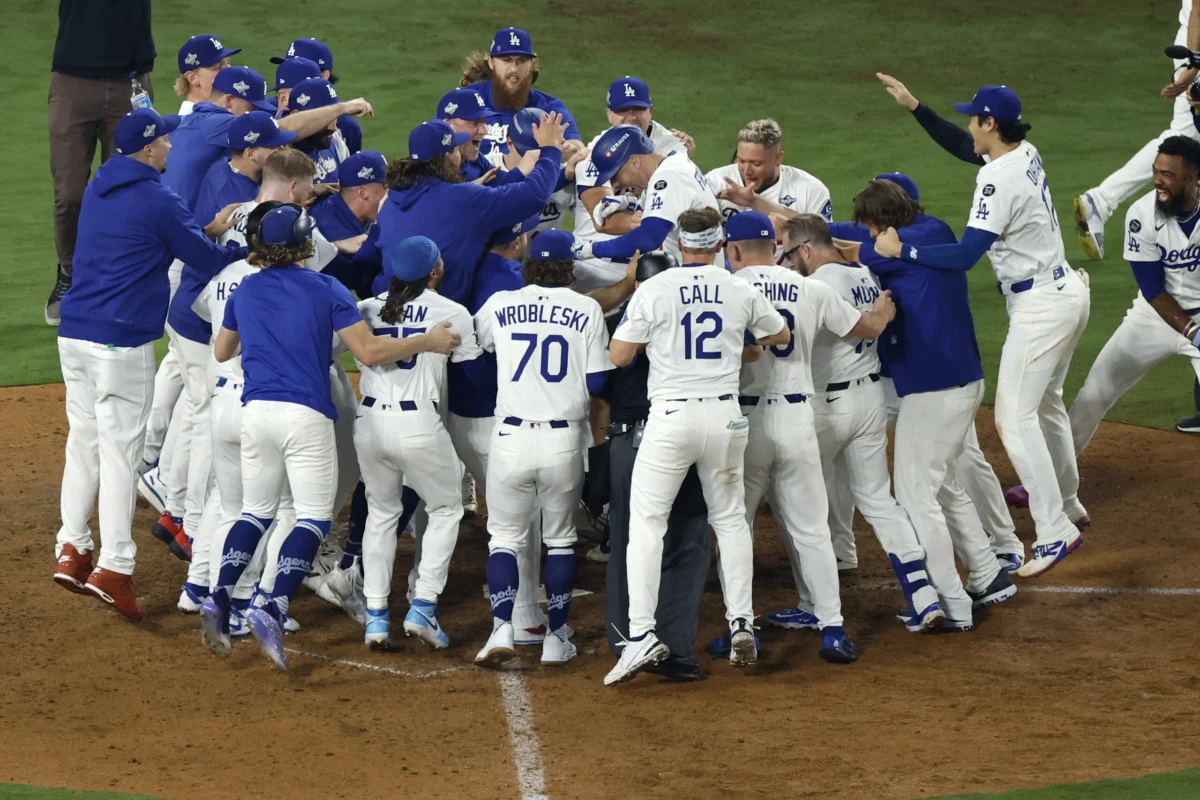
The inclusion of the Dodgers is especially noteworthy following the team’s high-profile success in the 2024 and 2025 seasons. With a roster featuring global icons like Shohei Ohtani and Freddie Freeman, the Dodgers represent a "must-have" property for any distributor in the Los Angeles market. The Fubo deal ensures that the technical infrastructure is in place to handle the high-bandwidth demands of live sports, including potential 4K broadcasts of marquee matchups.
Supporting Data and Market Analysis
The financial implications of these carriage deals are substantial. While specific terms of the Fubo-Spectrum and Fubo-Braves agreements were not disclosed, industry analysts point to the rising cost of "per-subscriber-per-month" fees. Regional sports networks typically command the highest fees of any non-national channels, often ranging from $5.00 to $10.00 per subscriber in the local market.
For Fubo, which reported approximately 1.6 million subscribers in North America as of its most recent quarterly filing, the addition of the Dodgers and Braves markets provides a significant opportunity for growth. Market research indicates that approximately 25% of current cable subscribers cite "live local sports" as the primary reason they have not yet cut the cord. By offering these channels, Fubo removes one of the last remaining barriers for sports fans looking to transition to streaming.
Furthermore, MLB’s own data shows a growing appetite for localized digital content. In 2024, MLB.TV recorded record-breaking viewership numbers, but the service’s "blackout" rules remain a point of contention for local fans. Fubo’s carriage of RSNs solves this problem, providing the legal, local broadcast that MLB.TV is often restricted from showing within a team’s home territory.
Official Perspectives and Industry Reactions
While official statements from the teams were largely focused on the benefit to the fans, industry insiders view these moves as a defensive maneuver against the total collapse of the RSN ecosystem. Sources close to the Braves organization suggest that the launch of BravesVision is a step toward greater institutional control over their media destiny, allowing the team to dictate production quality and advertising inventory more directly than they could under a third-party regional network.
Major League Baseball Commissioner Rob Manfred has previously expressed a desire to move toward a more centralized streaming model, potentially a "league-wide" service that eliminates blackouts. However, until such a platform is realized, the league is supportive of teams finding robust distribution through partners like Fubo. A league spokesperson noted that the priority remains "maximizing reach and ensuring that fans have multiple touchpoints to engage with their local clubs."
Fubo executives have consistently maintained that their higher price point compared to some streamers is justified by the depth of their sports coverage. "We know that for the true fan, there is no substitute for the local broadcast," a Fubo representative stated during a recent industry conference. "Our goal is to consolidate all those rights into one intuitive interface."
Broader Implications for the Future of Sports Media
The Fubo expansion is a microcosm of a larger trend: the "re-bundling" of sports content. As the industry moves away from the one-size-fits-all cable package, it is fragmenting into a series of smaller, team- or league-specific bundles. For the consumer, this offers more choice but often at a higher cumulative cost.
The success of these deals will likely be measured by Fubo’s churn rate—the frequency with which subscribers cancel their service. Historically, sports fans are the most loyal subscribers, remaining with a service throughout the duration of a season. By securing the Dodgers and Braves, Fubo is effectively "locking in" two of the largest and most dedicated fanbases in the country for at least six months of the year.
As the 2026 season approaches, the industry will be watching closely to see if other streaming platforms follow Fubo’s lead. If Fubo sees a significant spike in Southern California and Georgia-based subscriptions, it may force competitors like YouTube TV to reconsider their stance on RSNs. For now, however, Fubo sits in a unique position, bridging the gap between the fading world of linear cable and the high-tech future of digital sports consumption.
For fans, the practical reality is a more accessible, albeit digital, way to watch the game. With features like "Multiview," which allows Fubo users to watch up to four channels simultaneously, and integrated betting data, the streaming experience is beginning to offer amenities that traditional cable never could. As Freddie Freeman and the Dodgers take the field in 2026, a significant portion of their audience will likely be watching not through a cable box, but through an app—a shift that marks the definitive next chapter in the history of the American pastime.