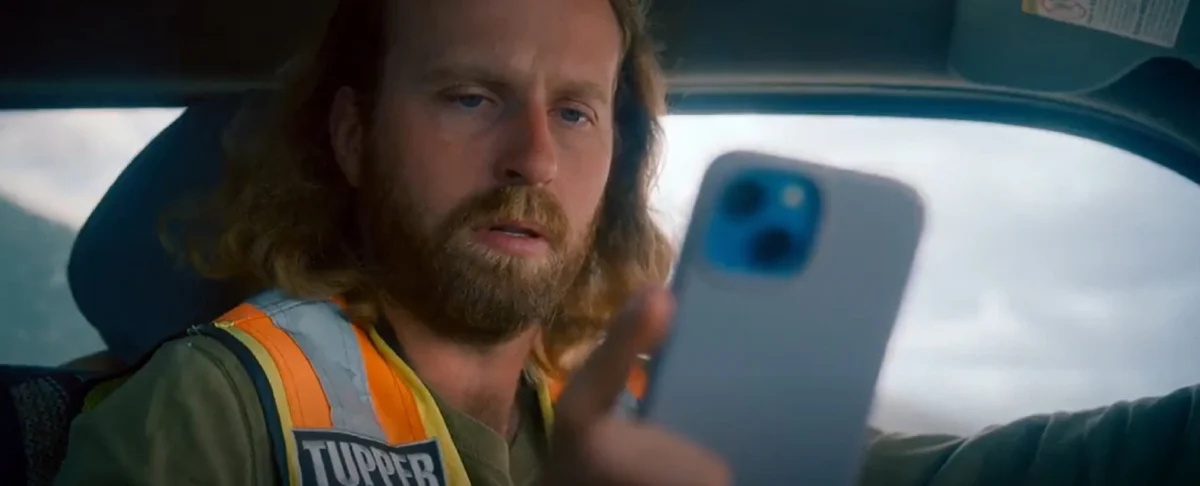
The latest developments in the Klondike mining season have reached a fever pitch as the primary operators on Discovery Channel’s Gold Rush navigate a landscape defined by record-high gold prices and debilitating mechanical failures. As the mining window begins to close in the Yukon, the contrast between the industry’s veterans and those struggling to regain their footing has never been more apparent. While Parker Schnabel continues a relentless pursuit of a 10,000-ounce seasonal goal, Rick Ness is battling for operational survival at Duncan Creek, and Kevin Beets faces a mounting debt crisis that threatens his independence as a mine boss.
The Resurrection of Rick Ness at Duncan Creek
For Rick Ness, the current season represents more than a financial venture; it is a critical attempt at professional redemption. After a significant hiatus from the mining world, Ness returned to the Klondike with limited resources and immense pressure. His competitors, specifically industry titans Tony Beets and Parker Schnabel, have been closely monitoring his progress, with both men previously moving to acquire portions of his former operations.
Ness’s primary focus has shifted to the Valhalla Cut at Duncan Creek. This specific site required a massive upfront investment of approximately $1 million and seven weeks of intensive labor to prepare. The engineering challenge involved the removal of 150 feet of overburden—the non-auriferous soil and rock sitting atop the gold-bearing "pay dirt." Upon reaching a depth of 200 feet, the crew identified what they believed to be the richest pay dirt in the area.
However, the transition from excavation to processing was marred by mechanical instability. The operation faced a two-month drought in gold production, a catastrophic timeline for any mid-sized mining outfit. Just as the Monster Red wash plant began to process the Valhalla pay, a series of equipment failures occurred. A rock truck suffered a flat tire, followed immediately by a broken drive shaft on a secondary haul truck. These setbacks forced a shutdown of the wash plant after only 48 hours of operation to allow for emergency repairs.
Despite these hurdles, the eventual weigh-in provided a much-needed injection of capital. The crew recovered 205.4 ounces of gold, valued at approximately $730,000 based on current market valuations. While this total is significant, the eight-week gap in production means Ness remains in a precarious financial position as the season enters its final weeks at Vegas Valley.
Parker Schnabel’s Aggressive Five-Plant Strategy
While Rick Ness fights for stability, Parker Schnabel is focused on scaling his already massive operation to unprecedented levels. Having already surpassed the $30 million mark for the season, Schnabel’s objective is to hit a 10,000-ounce target. To achieve this, he has implemented a high-intensity strategy involving the simultaneous operation of four to five wash plants, including Big Red, Sluicifer, and Roxanne.
The operational heart of this strategy is the Golden Mile and Dominion Creek. Schnabel’s foreman, Tyson Lee, has been tasked with managing the logistical nightmare of keeping these plants running as temperatures drop and the ground begins to freeze. The risks of this "musical wash plants" strategy became evident when the "Bob" wash plant at the Bridge Cut suffered structural failure. Mechanics identified cracks in the shaker deck—a critical component that vibrates to separate gold from larger rocks.
The solution required a logistical feat: sourcing a replacement screen deck from Vancouver Island and transporting it 1,800 miles to Dominion Creek. To minimize downtime, Schnabel ordered the immediate relocation of the "Sluicifer" plant into the pit while the repairs for "Bob" were underway.
The results of this aggressive management style were reflected in the weekly gold count:
- Big Red (Golden Mile): 143.15 ounces
- Gigi: 187.05 ounces
- Roxanne (Ken and Stuart’s): 150.20 ounces
- Bob (Limited run): 35.60 ounces
- Sluicifer (Replacement run): 32.55 ounces
The combined total for the week reached 548.55 ounces, generating nearly $2 million in revenue. This output reinforces Schnabel’s position as the dominant force in the region, though the reliance on aging machinery remains a constant threat to his 10,000-ounce milestone.
The Human Cost of the Klondike
Beyond the machinery and the gold counts, the season has highlighted the personal toll of the mining industry. Tyson Lee, a pivotal figure in Schnabel’s organization, has had to manage the operation while dealing with the news of his mentor Mike Tupper’s leukemia diagnosis. Tupper, a veteran miner and former crew member, has been a stabilizing force for Lee since the latter was 13 years old.

The emotional weight of Tupper’s health crisis has influenced the morale at Dominion Creek. In a show of resilience, Tupper has continued to provide remote support, even using his industry connections to help expedite the delivery of the 1,800-mile screen deck shipment. This intersection of personal loyalty and professional necessity is a hallmark of the tight-knit Klondike mining community, where survival often depends on relationships as much as equipment.
Kevin Beets and the Burden of Legacy
In his second year as an independent mine boss, Kevin Beets is facing the harsh realities of the mining business. Operating the Sphynx Cut, Kevin is currently struggling under the weight of mounting operational costs and substantial debt. His partner, Faith Teng, recently conducted a financial audit that revealed the operation is significantly behind its 2,000-ounce seasonal goal.
With less than a month remaining in the mining season, Kevin has only secured 1,215 ounces. The financial pressure led Teng to suggest seeking assistance from Kevin’s father, the legendary "King of the Klondike" Tony Beets. Kevin, however, has remained adamant about maintaining his independence, opting instead to increase labor intensity and bring in veteran loader operator Gary Masters to facilitate a 24/7 production schedule.
The Sphynx Cut has proven difficult to mine. A recent failure of the "grizzly bars"—the heavy-duty steel grates that prevent oversized boulders from entering and damaging the wash plant—resulted in a six-hour shutdown. The repair required heating and bending structural steel beams back into alignment, a process that cost the operation an estimated $16,000 in lost production time.
The subsequent weigh-in of 221.87 ounces (valued at $798,000) for a two-week period shows a slight uptick in grade, but the operation remains "in the red" regarding its total debt-to-yield ratio. The coming weeks will determine whether Kevin can sustain his independence or if he will be forced to fold back into the larger Beets family empire.
Economic Analysis and Industrial Implications
The events of the April 10 episode underscore a broader trend in the 2024 mining season: the decoupling of gold prices from operational profitability. While gold has traded at historic highs—fluctuating between $2,100 and $2,400 per ounce during this period—the cost of extraction has risen commensurately.

- Fuel and Logistics: The 1,800-mile transport of heavy machinery parts, as seen in Schnabel’s operation, represents a massive overhead cost. Inflation in logistics and diesel prices has narrowed the profit margins that high gold prices usually provide.
- Labor Shortages: The reliance on "veteran" operators like Gary Masters highlights a thinning talent pool in the Yukon. New mine bosses like Kevin Beets are finding that the cost of experienced labor is a prerequisite for survival, further straining limited budgets.
- Capital Expenditure (CapEx): Rick Ness’s $1 million investment in the Valhalla Cut demonstrates the high-stakes nature of modern placer mining. The "all-in" approach required to reach deep pay dirt means that a single mechanical failure can lead to total financial insolvency.
Future Outlook for the Season Finale
As the season enters its final phase, the trajectories of the three main camps are diverging. Parker Schnabel appears on track to hit his 10,000-ounce goal, provided his five-plant infrastructure can withstand the impending winter freeze. His ability to absorb the cost of major repairs like the shaker deck sets him apart from his competitors.
For Rick Ness, the goal is no longer a record-breaking season but the establishment of a sustainable foundation for next year. The 205-ounce weigh-in is a proof of concept for the Valhalla Cut, but he must maintain this momentum without further equipment failures to satisfy creditors and investors.
Kevin Beets faces the most uncertain future. With roughly 800 ounces remaining to reach his target and only a few weeks of sluicing left, he must hope for a "glory hole"—a pocket of exceptionally high-grade gold—to bridge the gap. His refusal to seek help from Tony Beets sets the stage for a dramatic conclusion to his sophomore year as a mine boss.
The current state of the Klondike reflects a professionalized, high-risk industry where the margin for error has virtually disappeared. As the miners of Gold Rush push through the final weeks of the season, the results will be determined by a combination of mechanical endurance, logistical ingenuity, and the unpredictable nature of the ground itself.