In recent years, the cinematic landscape has witnessed a growing trend of productions actively seeking to engage audiences beyond conventional theater screenings, employing highly strategic and often theme-specific promotional campaigns. For narratives deeply embedded in the dynamic world of esports, the Hong Kong Ani-Com & Games Expo (ACGHK) has consistently proven to be an exceptionally effective platform for initial outreach and buzz generation. Such was the case for "Good Game," a film distributed by One Cool Pictures and helmed by director Dickson Leung, which made its significant debut at ACGHK 2025. Following this high-profile presentation, the film garnered further international recognition, earning a coveted spot in the official lineup of the prestigious Fantasia International Film Festival, all ahead of its anticipated theatrical release in Hong Kong later in 2025. This carefully orchestrated rollout underscores a broader industry shift towards integrated marketing strategies that leverage niche events to build momentum and critical acclaim before wider distribution.
The Film’s Journey: From Hong Kong Expo to International Festival Circuit
"Good Game" initiated its public presence at the Hong Kong Ani-Com & Games Expo 2025, an event renowned for its vibrant celebration of anime, comics, games, and pop culture, attracting hundreds of thousands of attendees annually. This strategic choice for an esports-themed film allowed it to directly connect with its target demographic, generating immediate interest and fostering early community engagement. The expo, typically held in July, provides an unparalleled opportunity for films like "Good Game" to showcase trailers, host panel discussions, and interact with an enthusiastic fan base deeply immersed in gaming culture. Industry analysts suggest that launching at such a specialized event helps a film not only to find its core audience but also to establish credibility within the gaming community, an increasingly vital component for success in this genre.
Following its impactful showing at ACGHK, "Good Game" achieved a significant milestone by being selected for the Fantasia International Film Festival. Held annually in Montreal, Canada, Fantasia is one of the most respected genre film festivals globally, celebrated for its diverse programming that spans fantasy, horror, action, and animation. Its inclusion in Fantasia’s lineup signals critical recognition and positions "Good Game" as a noteworthy cinematic contribution beyond its specific niche. Festivals like Fantasia serve as crucial gateways for independent and genre films to gain international exposure, secure distribution deals in new territories, and cultivate a global audience ahead of their domestic releases. The film’s dual presence at both a major pop culture expo and a prestigious international film festival within the same year highlights a meticulously planned promotional strategy designed to maximize visibility and critical reception. The Hong Kong release is slated for later in 2025, capitalizing on the momentum generated by these high-profile festival appearances.
Synopsis: A Last Stand in the Digital Arena
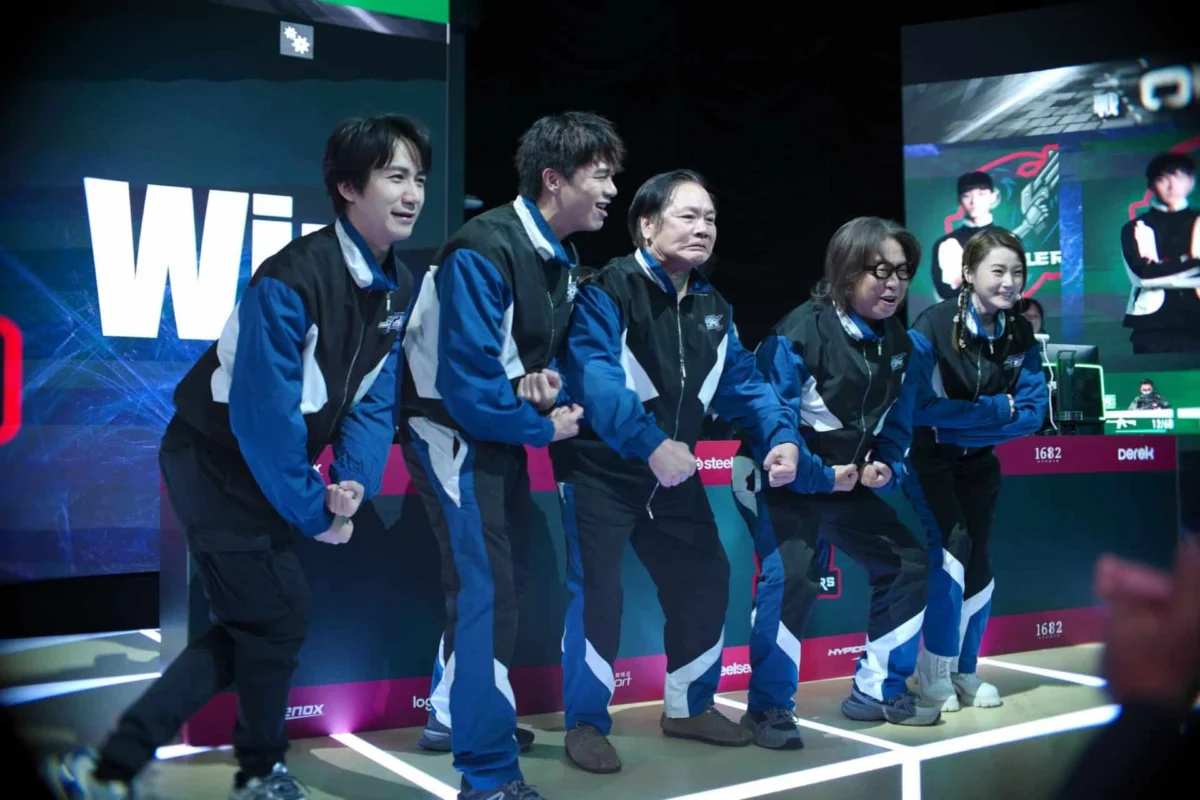
At its core, "Good Game" presents a poignant yet humorous narrative centered on Tai, a middle-aged proprietor of a struggling internet café. In an era dominated by mobile gaming, Tai’s establishment faces existential threats, a reality brutally articulated by his landlord who observes the widespread shift to smartphone gaming. Despite the bleak financial outlook, Tai maintains his commitment to his daughter, Fay, employing her part-time. Fay, a character grappling with her own professional uncertainties, has discreetly left several other jobs, keeping her divorced mother uninformed of her career instability. In a desperate, last-ditch attempt to avert the café’s imminent closure, Tai conceives an ambitious plan: to assemble an esports team and compete in a high-stakes local tournament in Hong Kong. This premise immediately establishes a relatable struggle against technological obsolescence and the enduring human desire for purpose and connection.
The formation of Tai’s unconventional team begins with Solo, a once-celebrated esports superstar whose career has hit an abrupt wall. Discharged from his former team, Solo faces the harsh truth that esports, much like traditional sports, is often perceived as a young person’s domain. A former teammate’s blunt assessment – that Solo’s prime has passed – underscores the industry’s brutal realities. With limited alternatives, Solo reluctantly agrees to join Tai’s nascent squad. The team is further rounded out by Fay, Tai’s daughter, and Octo, a former movie star who now finds solace and mental stimulation in gaming with his elderly wife. They christen their unlikely alliance "Happy Hour," a name that belies their initial chaotic attempts at cohesion. Solo’s entrenched self-centeredness, coupled with the profound lack of gaming experience among the other members, immediately gives rise to a myriad of challenges, setting the stage for both comedic mishaps and profound personal growth.
Thematic Exploration: Ageism, Obsolescence, and the Esports Dream
Before delving into the narrative’s emotional intricacies, it is crucial to examine the film’s embedded commentary. While some of these observations occasionally lean towards the overtly didactic, their underlying messages remain compelling and highly relevant. One prominent theme is the pronounced decline of internet cafés, a global phenomenon reflecting broader technological shifts. Once vibrant hubs of social interaction and digital exploration, these establishments have largely been superseded by ubiquitous personal devices and high-speed home internet. The film uses Tai’s struggling café not merely as a setting but as a powerful metaphor for fading eras and the relentless march of progress.
Even more profoundly, "Good Game" tackles the paradoxical nature of esports itself. Despite its explosive growth over the past decade, transforming from niche pastime to a multi-billion-dollar industry capable of filling arenas with thousands of young spectators, the realm of competitive gaming remains largely inaccessible to older participants. The film candidly addresses the fleeting nature of esports careers, even for elite players who secure lucrative sponsorships from global brands like Nike. This concept, still relatively novel in both sports and storytelling, raises timely and critical questions about the long-term prospects and psychological well-being of aging esports professionals whose formative years are almost entirely devoted to virtual competition. The average retirement age for a professional esports player, often cited in industry reports, can be as low as 24-26 years old, significantly younger than traditional sports athletes. This reality leaves many former pros facing an uncertain future, lacking transferable skills or established career paths outside of gaming.
"Good Game" dedicates substantial narrative weight to this theme, ultimately proposing a message that is both idealistic and deeply endearing: older individuals retain the capacity to compete, adapt, and find new purpose within the digital sphere. This optimistic outlook fuels much of the film’s humor and emotional resonance, challenging societal perceptions of age and capability in a rapidly evolving technological landscape. It suggests that while the reflexes might dull and reaction times might slow, experience, strategy, and teamwork can still provide a competitive edge, fostering a compelling narrative of intergenerational collaboration.
Narrative Threads: Romance and Relationships

The film also incorporates romantic subplots, which, while occasionally feeling narratively incongruous, ultimately contribute to the movie’s overall charm and emotional depth. The rekindling of Tai’s relationship with his ex-wife, for instance, unfolds with a certain lack of conventional narrative logic, yet it adds a layer of mature romantic reconciliation that resonates with themes of second chances and enduring connection. Similarly, the developing bond between Fay and Solo, despite their initial friction and differing life stages, manages to enhance the film’s appeal by exploring growth and mutual understanding between disparate individuals.
In stark contrast to these sometimes-awkward romantic arcs, the tender and unwavering connection between Octo and his wife stands out as one of the story’s most profoundly touching elements. Octo’s dedication to caring for his wife, particularly through their shared gaming activity designed to maintain her mental agility, offers a heartwarming portrayal of love, companionship, and support in later life. This relationship serves as an emotional anchor, grounding the more chaotic and competitive aspects of the narrative in a powerful testament to human connection and the unexpected ways in which technology can foster intimacy across generations. This particular subplot is often cited by early reviewers as a standout, providing a rich emotional core to the film’s broader themes.
Visual Innovation and Action Choreography
Beyond its emotional and thematic content, "Good Game" truly excels in its innovative visual approach to depicting esports matches. The filmmakers’ astute decision to imbue the in-game sequences with a distinctive VR-inspired aesthetic proves to be a particularly clever and economically efficient solution. Instead of relying on prohibitively expensive and often generic visual effects to render purely digital avatars, the production opted to cast additional actors to physically portray the in-game avatars of the main characters. This choice not only avoids the budgetary constraints associated with high-end CGI but also adds a unique layer of stylized realism and tactical depth. It allows for a secondary ensemble of appealing performers to inject dynamism into the action sequences, making the virtual combat feel more tangible and character-driven.
The casting within these avatar roles is notably effective. Chloe So Ho-Yee and Amy Lo bring a vibrant energy to the action, embodying compelling "girls with guns" personas that inject a dose of stylized sensuality and fierce independence into the virtual arena. Their performances elevate the combat, making it both visually exciting and characteristically distinct. The presence of veteran actor Lo Meng as the martial arts character controlled by Octo is undoubtedly a delightful treat for audiences, leveraging his established reputation for physical prowess to add gravitas and an unexpected twist to the digital brawls.
Meanwhile, the real-world performances anchor the emotional narrative. Andrew Lam Man-Chung injects significant comic relief as Tai, his exasperation and unwavering determination driving much of the film’s humor. Yanny Chan Wing-Yan lends crucial emotional depth as Fay, portraying her character’s journey of self-discovery and familial loyalty with nuanced sensitivity. Will Or Wai-Lam effectively delivers the coming-of-age dimension as Solo, charting his character’s transition from jaded former star to a more collaborative team player. The collective chemistry among the primary cast, while perhaps light on profound psychological depth, contributes effectively to the film’s overall entertainment value, creating a cohesive and engaging ensemble dynamic.
The action sequences themselves are a significant highlight, meticulously crafted to evoke the immersive feel of an actual video game. Hand-to-hand combat, rapid-fire firearms exchanges, intricate martial arts choreography, dynamically shifting settings, and evolving game rules are all vividly rendered. This comprehensive approach ensures that the virtual battles are not merely spectacles but integral components of the storytelling, reflecting the characters’ strategies and personal stakes. Ken Law Ho-Ming’s action direction aligns perfectly with this vision, orchestrating complex sequences that are both thrilling and visually coherent. The costume design, particularly for the female avatars, adds a touch of stylized sensuality that perfectly suits the movie’s tone, enhancing the visual appeal without detracting from the action.
The immersive quality of the gameplay is further reinforced by sharp editing and strategic quick cuts to the players’ real-world reactions during intense moments. These rapid transitions between the virtual world and the physical reality of the players’ concentration and emotional responses highlight the psychological intensity of esports. Visually, the film effectively utilizes contrast: the often-dark, lived-in interior of Tai’s struggling internet café serves as a grounded counterpoint to the bright, vibrant, and fantastical colors of the game world. This visual dichotomy not only enhances the viewing experience but also subtly underscores the interplay between the characters’ mundane realities and their exhilarating digital escapism.
Broader Impact and Industry Context
"Good Game" emerges at a time when esports is rapidly gaining mainstream acceptance and cultural penetration. The global esports market revenue is projected to exceed $1.8 billion by 2025, attracting a massive audience primarily composed of younger demographics. However, films like "Good Game" have the potential to broaden this appeal, challenging preconceived notions about who can participate and succeed in competitive gaming. By focusing on an older, more diverse team, the film offers a refreshing counter-narrative to the youth-centric image often associated with esports. This could encourage older demographics to explore gaming, fostering greater intergenerational engagement within the community.
Furthermore, the film’s exploration of the decline of internet cafes serves as a cultural artifact, documenting a fading era of digital community. While internet cafes are still prevalent in some parts of Asia, their global footprint has significantly diminished. The film subtly pays homage to their historical role as early gateways to the internet and gaming for many, providing a nostalgic touch for those who remember their heyday.
The success of "Good Game" on the festival circuit, particularly its inclusion in Fantasia, also highlights the increasing appetite for well-produced genre films that tackle contemporary themes with innovation. Its commercial performance in Hong Kong and potentially other markets will be closely watched as an indicator of the viability of more mature, character-driven narratives within the esports genre. It demonstrates that films can explore complex societal issues, such as ageism and economic shifts, through the lens of popular culture, making these themes accessible and engaging to a wider audience. The film’s ability to blend humor, drama, action, and social commentary positions it as a significant entry in the burgeoning cinematic representation of gaming culture.
In conclusion, "Good Game" distinguishes itself as an enjoyable and visually inventive cinematic title that masterfully captures the dynamic essence of gaming culture while simultaneously exploring deeper societal themes. While it may not entirely overcome every minor narrative imperfection, its compelling blend of an engaging plot, innovative visual execution, and heartfelt character development delivers an entertaining and thought-provoking spectacle. Its resonance extends far beyond its specific niche premise, offering a universal message about resilience, second chances, and the unexpected places where one can find belonging and purpose, regardless of age or circumstance. The film stands as a testament to the evolving power of storytelling in the digital age, proving that a good game, both on screen and in life, can truly be for everyone.