The cinematic landscape often seeks to unravel the intricate tapestry of human emotion, with love standing as one of its most potent and enduring subjects. This universal force, capable of stirring desires and anchoring the soul in its quest for meaning, finds a literal and groundbreaking interpretation in Graham Parkes’ feature debut, Wishful Thinking. The film, which recently garnered the prestigious Narrative Feature Prize at SXSW following its acclaimed March 12 premiere, plunges audiences into a unique exploration of romantic dynamics, where the very fabric of reality bends to the will of a couple’s emotional state.
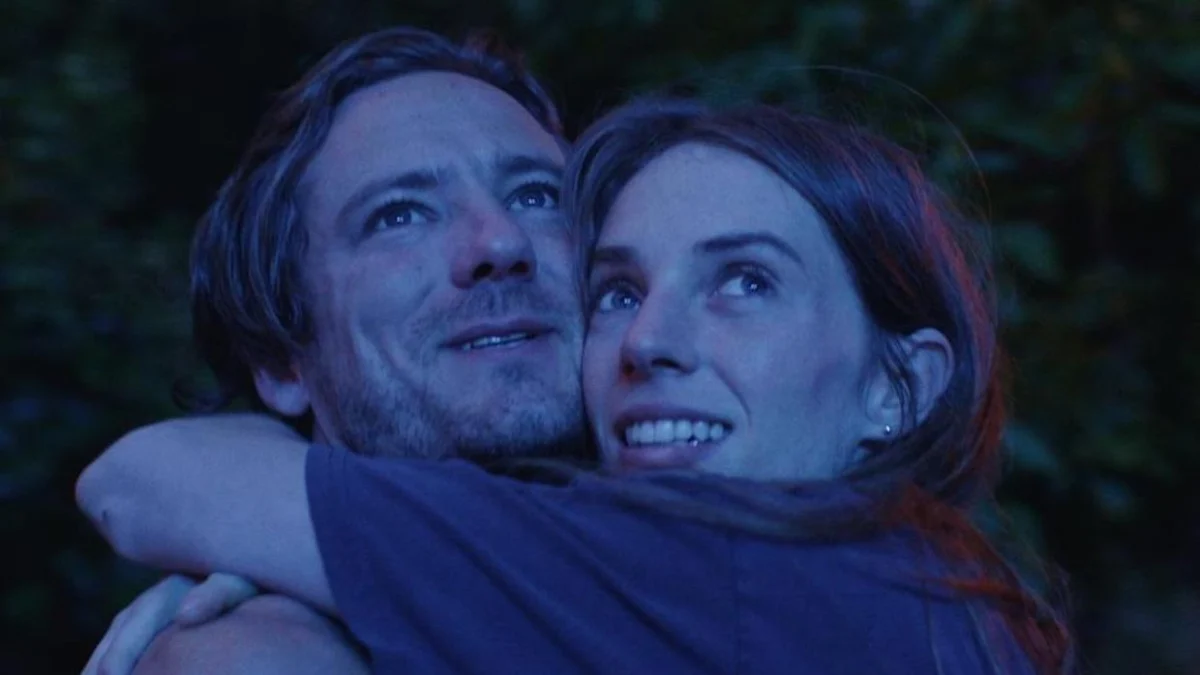
Starring Lewis Pullman as Charlie and Maya Hawke as Julie, Wishful Thinking is set against the beautifully rendered backdrop of Portland, Oregon. Their seemingly ordinary lives are irrevocably altered after an encounter at an unconventional couples therapy summit, where they unlock an extraordinary power: their relationship’s harmony or discord directly influences the world around them. Positive sentiments manifest as wonderfully fortunate outcomes, while periods of strife unleash destructive consequences. This inventive premise transforms the deeply personal journey of a relationship into a high-stakes saga, where the world itself becomes a mirror of their love.
The Genesis of a High-Concept Romance
Director Graham Parkes revealed that the initial spark for this genre-bending narrative originated from an unexpected source: a late-night dive into a YouTube rabbit hole, leading him to Rhonda Byrne’s self-help phenomenon, The Secret. This best-selling book and film popularized the concept of "manifesting" – the belief that positive thoughts and intentions can attract desired outcomes into one’s life. Parkes, however, found a darker, more unsettling dimension to this widely embraced philosophy.
"It’s not my thing, but I find that stuff really fascinating," Parkes remarked, reflecting on the origins of his film’s central conceit. He was particularly struck by the notion that a bad mood could lead to minor inconveniences, while a good mood could usher in promotions and better weather. For someone who openly grapples with anxiety and struggles with maintaining consistent control over his moods, this concept presented itself not as empowering, but as terrifyingly comedic. The idea that a momentary lapse in emotional control could trigger a catastrophe, such as a plane crash, struck Parkes as a darkly humorous, almost horror-film-worthy scenario. Moreover, the inherent pressure to perpetually be happy, as posited by the manifestation movement, paradoxically makes genuine happiness harder to achieve.
This initial comedic horror impulse evolved when Parkes began to reflect on his own past relationships, identifying phases similar to those depicted in the film. The crucial turning point came with the realization: "What if it’s a couple?" Shifting the manifestation power from an individual to a shared relational dynamic immediately unlocked both the comedic potential and the dramatic framework of the story. While the initial impulses were comedic, the process of writing the screenplay allowed the more profound dramatic and romantic elements to emerge, transforming a joke into a compelling narrative that resonated deeply with universal experiences of love and vulnerability.
SXSW Acclaim and Industry Significance
Wishful Thinking‘s triumph at the South by Southwest (SXSW) Film Festival marks a significant milestone for Graham Parkes and his team. The Narrative Feature Prize is one of the festival’s most coveted accolades, often serving as a launchpad for independent films and emerging filmmakers. SXSW, known for its eclectic programming that champions innovation and discovery, has historically provided a crucial platform for films that defy conventional genre boundaries and offer fresh perspectives. Past winners have frequently gone on to secure distribution deals, garner wider critical acclaim, and establish their directors as significant voices in contemporary cinema.
The festival’s March 12 premiere generated considerable buzz, with critics and industry insiders praising the film’s originality, its sharp script, and the compelling performances of its lead actors. This recognition at a high-profile festival like SXSW is particularly vital for a debut feature, providing invaluable exposure and validating the artistic vision of its creator. It signals to distributors and audiences alike that Wishful Thinking is a film of substance and artistic merit, poised to make an impact beyond the festival circuit.
Crafting the Narrative: Visuals and Performance
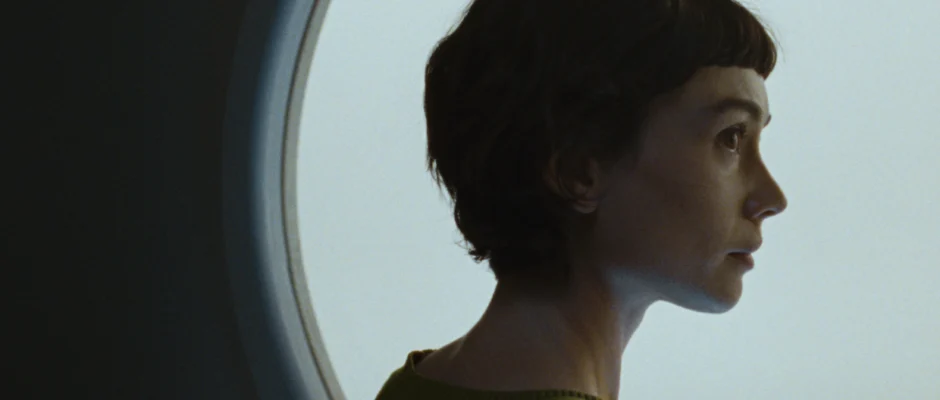
The distinct visual language of Wishful Thinking plays a pivotal role in conveying its complex themes. Parkes collaborated closely with cinematographer Christopher Ripley, a long-time friend and creative partner, to develop a visual style that mirrors the film’s narrative intricacies. A standout element is the innovative and aesthetically pleasing use of split-screen at key junctures, a technique that Parkes believes remains underexplored in modern cinema.
The deployment of split-screen serves a dual purpose: it visually reinforces the film’s commitment to being a "true two-hander," ensuring that neither Charlie’s nor Julie’s perspective dominates the narrative. "It was important that it didn’t feel like it was from one person’s perspective," Parkes explained, emphasizing the deliberate choice to keep the audience locked within the shared and often diverging viewpoints of the two protagonists. The split-screen technique allowed for the simultaneous presentation of their individual experiences, reactions, and even internal states, fostering a deeper empathetic connection with both characters.
Ripley’s ingenuity further enhanced this visual strategy. The initial moments of split-screen integration feature mesmerizing double exposure images, where one character moves in one direction while the other moves in an opposing one, creating a fluid, almost dreamlike transition into the bifurcated frame. This "Chris Ripley construction," as Parkes describes it, acts as an awesome gateway into the film’s unique visual lexicon. Furthermore, the team experimented with split compositions of skies, often serendipitously capturing natural cloud formations that aligned perfectly, though many such shots were ultimately enhanced with subtle visual effects to achieve the desired aesthetic of "found" beauty. This meticulous attention to visual storytelling underscores the film’s commitment to form following function, using cinematic techniques to deepen the emotional and thematic impact.
The Art of "Supermarket Sweep" Directing
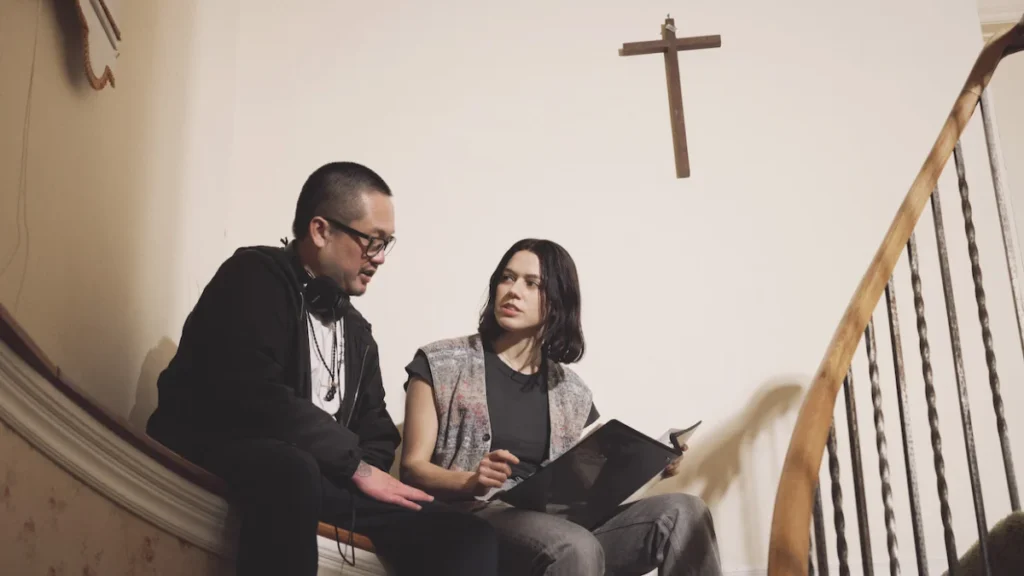
Parkes’ directorial approach, which he humorously terms "Supermarket Sweep," prioritizes spontaneity and volume over a rigid pursuit of perfection. This method involves a fast-paced shooting style, encouraging actors to explore the margins of their characters, experiment with improvisation, and deliver varied takes. "I’m not a perfectionist; I direct for the edit," Parkes stated, highlighting his focus on gathering a rich tapestry of performances and moments that can be sculpted in post-production. This contrasts with more conventional approaches that might meticulously plan every shot and demand exact replications of performances.

This "Supermarket Sweep" philosophy proved particularly effective given the limited rehearsal time, especially with Maya Hawke. Despite arriving on set only a day before shooting commenced, Hawke and Lewis Pullman exhibited an immediate and intuitive understanding of each other. Their natural chemistry, coupled with their enjoyment of acting together, facilitated the rapid-fire production schedule. Parkes’ method encouraged a raw, authentic quality in their performances, allowing their characters’ anxieties, desires, and complex emotional states to emerge organically.
The Power of Casting and Serendipity
The casting of Lewis Pullman and Maya Hawke was pivotal to Wishful Thinking‘s success. Pullman, a familiar collaborator from Parkes’ short films, brought an established rapport and understanding to the project. Maya Hawke’s involvement, however, emerged through a serendipitous chain of events. Initially suggested by producers Matt Smith and Dan Gedman, Parkes quickly recognized Hawke as the embodiment of Julie after a deep dive into her work.
A remarkable coincidence further expedited her involvement: three years prior, Parkes had struck up a conversation with a fellow passenger on a flight, who turned out to be Maya Hawke’s manager. This prior, positive connection resurfaced when the offer was extended, creating a sense of "fated" collaboration. Parkes noted that he and Hawke "instantly spoke the same language," characterized by her humor, honesty, and engaging presence. This seamless connection, despite minimal rehearsal, allowed their on-screen chemistry to flourish, creating a believable and deeply felt portrait of a couple grappling with extraordinary circumstances.
Personal Vulnerability and Universal Truths
At its core, Wishful Thinking is a deeply personal film for Graham Parkes, though by no means autobiographical. He consciously dispersed his own vulnerabilities and experiences across both Charlie and Julie, creating characters that resonate with shared human anxieties and desires. Parkes believes that the most compelling stories emerge when filmmakers explore subjects on which they haven’t yet fully formed an opinion, allowing for a journey of discovery alongside the characters. "You need to put a good amount of your personal vulnerability in and write about things that you haven’t made your mind up on yet," he advised.
The catharsis for Parkes, he explained, came not just from the act of writing, but from the collaborative process. As more people joined the project – from cast to crew – and discussions deepened about the characters, the personal elements began to transform into something universal. The realization that his own intimate struggles and insights into relationships were widely accessible and understood by others became the most profoundly cathartic aspect of the filmmaking journey, underscoring the film’s ability to connect with diverse audiences on a fundamental level.
Reflections on Modern Love and Pragmatism
When contemplating the state of modern love and relationships after the immersive experience of making Wishful Thinking, Parkes offers a nuanced perspective that eschews simplistic answers. His film, he posits, is ultimately "about being pragmatic about who you are and accepting that." This involves acknowledging one’s inherent nature – ambitions, temperaments, moods – while also recognizing the capacity for growth and adjustment. "You have to adjust the sails to the winds, but you can’t change the winds, you know?" he philosophically mused.
Parkes described the film’s initial half as an "escalating panic attack," visually reinforced by the use of longer lenses and a more chaotic aesthetic. This mirrors the overwhelming anxiety that often characterizes contemporary relationships, where external pressures and internal insecurities can create a suffocating environment. The narrative then reaches a pivotal moment where the film, and its characters, are compelled to slow down, to breathe. This deliberate deceleration allows "the truth of who they are" to emerge, even if that truth is tinged with sadness.
This exploration of a "sad truth" is not presented as an endpoint for love, but rather as an inevitable facet of genuine connection. It suggests that understanding and accepting the inherent limitations and complexities within a relationship can paradoxically strengthen the bond, allowing love to endure even when idealized outcomes prove elusive. Wishful Thinking thus offers a mature and introspective look at modern relationships, advocating for self-awareness, acceptance, and the quiet resilience required to navigate the ever-shifting currents of human connection.
Broader Impact and Future Implications
Wishful Thinking‘s success at SXSW is poised to have significant implications for its cast and crew. For Graham Parkes, it marks a triumphant entry into feature filmmaking, positioning him as a director with a distinctive voice and a talent for blending genres to explore profound human experiences. The film’s unique premise and critical reception will undoubtedly attract attention from distributors, potentially leading to a wider release and greater audience exposure.
For Lewis Pullman and Maya Hawke, the film further solidifies their reputations as versatile actors capable of delivering compelling performances in challenging roles. Their on-screen chemistry and the depth they bring to Charlie and Julie are central to the film’s emotional resonance, likely enhancing their appeal for future projects.
In the broader context of independent cinema, Wishful Thinking serves as an excellent example of how creative storytelling and innovative filmmaking can tackle universal themes with freshness and originality. Its blend of romantic drama with a "lo-fi sci-fi" element contributes to a growing trend of genre-bending films that push artistic boundaries and engage audiences in unexpected ways. As the film moves beyond its festival debut, it stands to spark conversations about the cultural phenomenon of manifestation, the complexities of modern relationships, and the enduring power of love to shape not just individual lives, but the very world around us.