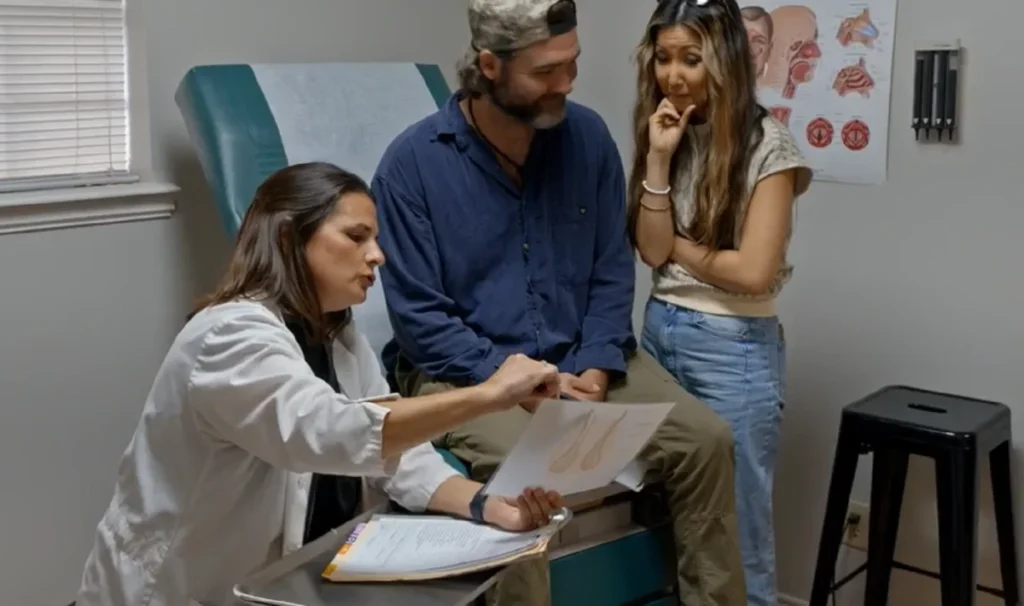
The long-running ABC medical drama Grey’s Anatomy continues to navigate the complex intersection of professional duty and personal emotional investment, a theme that took center stage in the Season 21 episode titled Wrecking Ball. Airing on Thursday, March 19, the episode centered on the harrowing decline of Katie, a young patient portrayed by Samantha Marie Ware, whose battle with gastric cancer reached a tragic conclusion. For Lucas Adams, played by Niko Terho, the loss served as a pivotal moment of character development, forcing the surgical resident to confront the limitations of modern medicine and the volatile nature of grief. The episode not only progressed the immediate narrative of the Season 19 intern class but also intentionally evoked some of the most iconic and devastating storylines in the franchise’s two-decade history.
The Clinical and Narrative Progression of Katies Decline
The narrative arc of Katie’s illness has been a focal point of recent episodes, highlighting the systemic failures within the healthcare landscape. Katie’s condition, a progressive form of gastric cancer, had initially been managed through an experimental treatment protocol. However, the mid-treatment cancellation of this program due to government funding cuts served as a catalyst for her rapid physical deterioration. This plot point reflects a recurring motif in Grey’s Anatomy: the friction between medical innovation and the bureaucratic or financial constraints that often dictate patient outcomes.
Throughout the episode, Lucas Adams assumed a role that transcended that of a traditional physician. He provided constant bedside care, tending to Katie’s physical and emotional needs as her body succumbed to the malignancy. Supporting him in this endeavor was Simone Griffith, played by Alexis Floyd, who remained a steadfast observer of the unfolding tragedy. Simone’s role was guided by the seasoned perspective of Dr. Miranda Bailey (Chandra Wilson), who recognized the "heartbreaking inevitability" of the situation and attempted to manage the emotional fallout for her residents.
A significant portion of the episode was dedicated to the internal life of the patient and her caregiver. In a poignant sequence, Lucas and Katie shared a private moment while sending Simone and Katie’s mother on an errand. During this time, they engaged in a "what if" conversation, imagining a life where they met under different circumstances. This scene allowed Lucas to indirectly express romantic feelings that he felt unable to voice formally due to the professional and terminal nature of their relationship. The dialogue served to humanize Lucas, a character often defined by his neurodivergence and his struggle to live up to the legacy of the Shepherd family.
The Chronology of a Medical Crisis
The tension reached its zenith when the medical team had to decide between comfort care and aggressive intervention. Under Dr. Bailey’s instructions, Simone moved to withhold supplies for an additional drainage treatment. While the procedure would have temporarily eased Katie’s respiratory distress, it was deemed likely to hasten her overall systemic collapse. Lucas, driven by a desperate need to alleviate Katie’s suffering, defied the implicit consensus. He rushed to the hospital to secure the necessary supplies from Dani Spencer (Jade Pettyjohn).
However, the "last-ditch race" proved futile. By the time Lucas returned to the residence, Katie had passed away. The timing of her death created an immediate and profound rift between Lucas and Simone. Lucas, overwhelmed by the finality of the loss and the guilt of his absence, directed his anger toward Simone, blaming her for "taking away his chance" to be present during Katie’s final moments. This confrontation underscored the irrationality of acute grief, as Lucas lashed out at his closest ally in the program.

Historical Echoes: The Izzie Stevens and Denny Duquette Parallel
One of the most discussed aspects of the episode among critics and viewers alike is the deliberate parallel to the Season 2 storyline involving Izzie Stevens (Katherine Heigl) and Denny Duquette (Jeffrey Dean Morgan). The "doctor-patient" romance is a foundational trope of Grey’s Anatomy, and the Lucas-Katie dynamic mirrors the emotional stakes of the Izzie-Denny arc.
In a post-episode interview, actor Niko Terho acknowledged these similarities, noting that the creative team discussed the echoes of the past while attempting to handle the contemporary version with its own unique nuances. The Izzie and Denny storyline remains a benchmark for the series, characterized by the infamous "L-VAD wire" incident and the subsequent fallout that nearly ended Izzie’s career. By placing Lucas in a similar position—investing his heart in a patient with a terminal prognosis—the showrunners are drawing a direct line between the original "MAGIC" (Meredith, Alex, George, Izzie, Cristina) era and the current generation of residents.
Thematic analysis suggests that these parallels serve to test the professional boundaries of the new interns. Just as Izzie’s grief reshaped her approach to surgery, Lucas’s experience with Katie is expected to have long-term ramifications for his clinical judgment and his interpersonal relationships within Grey Sloan Memorial Hospital.
Statements from the Cast: Navigating Raw Emotion
Niko Terho provided insight into the headspace required to portray such a vulnerable transition for Lucas. Speaking to TV Insider, Terho emphasized the complexity of maintaining a professional exterior while experiencing profound human emotion. "It’s such a complicated situation to be in because you’ve got to remember that he’s also her doctor in all of this," Terho remarked. He noted that the "What If" conversation was particularly revelatory for his character, as it allowed Lucas to shed his professional veneer and "just be himself" in a way viewers had not yet seen.
Regarding the conflict with Simone, Terho offered a psychological perspective on Lucas’s blame. He suggested that the lashing out was a coping mechanism for a character who had already placed an immense amount of blame on himself. "He’s not thinking logically. It’s all emotional," Terho explained, highlighting that the disappearance of a "filter" is a common symptom of traumatic loss.
The interview also touched upon the broader mysteries surrounding Lucas Adams. Since his introduction in Season 19, fans have speculated about his specific lineage. While it is known he is a nephew of Derek and Amelia Shepherd, the identity of his mother—one of Amelia’s three sisters (Nancy, Liz, or Kathleen)—remains unconfirmed. Terho remained coy about these theories, as well as the rumored secret connection between Lucas and the character Dani Spencer, urging fans to continue watching as the season unfolds.
Supporting Data: The Impact of Gastric Cancer and Healthcare Cuts
While Grey’s Anatomy is a work of fiction, the plot involving Katie’s cancer and the loss of funding touches on real-world medical challenges. Gastric cancer, or stomach cancer, is a significant global health issue. According to data from the American Cancer Society, stomach cancer accounts for about 1.5% of all new cancer cases diagnosed in the United States each year. The five-year survival rate for localized stomach cancer is approximately 75%, but for cases that have metastasized or progressed significantly—as was the case with Katie—the survival rate drops considerably.

The narrative choice to blame "government cuts" for the cessation of Katie’s treatment reflects actual concerns within the medical research community. Clinical trials and experimental protocols are heavily dependent on federal grants and private funding. Fluctuations in healthcare policy and budget allocations can lead to the abrupt termination of promising treatments, leaving patients in a state of medical limbo. By highlighting this issue, the series continues its tradition of using character-driven drama to provide a commentary on the fragility of the American healthcare system.
Broader Impact and Future Implications
The death of Katie is likely to serve as a defining trauma for Lucas Adams. In the hierarchy of Grey Sloan Memorial, the loss of a "first love" patient often acts as a rite of passage for surgical residents. For Lucas, who has struggled with feelings of inadequacy compared to his famous relatives, this failure to "save" Katie—despite it being medically impossible—may exacerbate his existing insecurities.
The implications for the "Lumone" (Lucas and Simone) relationship are also significant. The two characters have shared a "will-they-won’t-they" dynamic since their arrival, but the resentment born from this tragedy could create a lasting wedge. Whether Simone can forgive Lucas for his accusations, and whether Lucas can move past his displaced anger, will be a central theme for the remainder of the season.
Furthermore, the role of Dr. Miranda Bailey as a mentor will be crucial. Bailey has a history of guiding residents through the darkest periods of their training, having witnessed the rise and fall of dozens of surgeons. Her ability to help Lucas channel his grief into his work, rather than letting it consume his career, will be a key storyline to watch.
As Grey’s Anatomy moves forward, the episode Wrecking Ball stands as a reminder of the show’s enduring formula: combining high-stakes medical crises with deeply personal character explorations. By honoring its past through the Izzie-Denny parallels while forging a new path for Lucas Adams, the series demonstrates its ability to evolve while remaining anchored in the emotional honesty that has sustained it for over twenty seasons. The ramifications of Katie’s death will undoubtedly ripple through the halls of Grey Sloan, affecting the professional and personal trajectories of the hospital’s newest class of surgeons.