Director Roh Young-hwan’s poignant film "Halo" has garnered significant international acclaim, capturing the Best Film Award in the Asian Future section at the Tokyo International Film Festival. The film offers a stark yet empathetic portrayal of contemporary anxieties, particularly through the lens of South Korea’s burgeoning gig economy and deeply ingrained familial obligations. It delves into a period characterized by pervasive uncertainty, a time when many individuals sought solace and guidance in belief systems such as astrology or tarot, practices already deeply woven into the cultural fabric of Korea. "Halo" masterfully reflects both a deeply personal struggle and a broader collective anxiety that resonated profoundly with festival audiences and critics alike.
A Reflection of Contemporary Korean Society
The genesis of "Halo" stems from director Roh Young-hwan’s acute observations of society during a particularly challenging era. He has publicly articulated his realization regarding the indispensable yet often overlooked role of delivery workers within the intricate social fabric, recognizing the immense pressure they shoulder daily. This keen insight forms the thematic core of the film, highlighting the often-invisible labor that underpins modern urban life. The film’s recognition at a prestigious international event like the Tokyo International Film Festival underscores its universal appeal and its critical commentary on issues that transcend geographical boundaries, marking it as a significant contribution to contemporary Asian cinema.
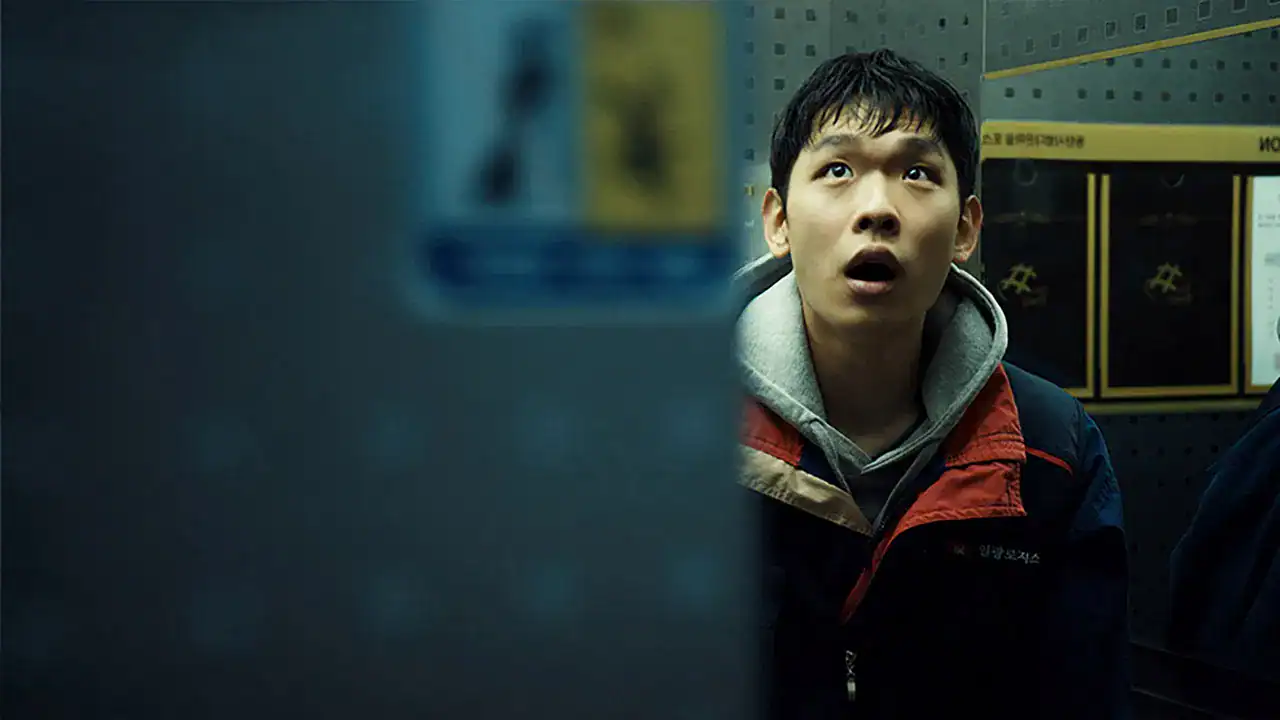
The narrative centers on Seo Min-joon, a 27-year-old delivery driver navigating the relentless pace of Seoul. His days are a monotonous cycle of transporting packages, while his nights are spent in the cramped confines of his van, succumbing to sheer exhaustion. Min-joon’s routine is defined by strenuous physical labor, a profound sense of isolation, and the constant, low hum of global anxieties—from nuclear threats to environmental crises—that filter through his car radio, a constant backdrop to his personal struggles. His home life offers little respite; a dysfunctional family repeatedly ensnares him in their chaotic disputes, forcing him into the unenviable role of a reluctant caretaker. An early, impactful scene vividly illustrates this burden as Min-joon is compelled to extricate his father, mother, and mentally handicapped older brother from a family altercation at a police precinct. Despite these overwhelming circumstances, Min-joon harbors a quiet, tenacious dream of becoming a filmmaker, a fragile beacon of personal ambition amidst his bleak reality.
The Weight of Obligation and a Glimmer of Hope
A pivotal moment arrives with a chance encounter with an astrologer, who imparts a cryptic yet hopeful message, urging Min-joon to follow his "halo" and pursue a path distinct from his current trajectory. This encounter briefly ignites a spark of hope, hinting at a fragile possibility for change. However, as his family’s myriad problems escalate, this nascent hope begins to dissipate, inexorably pushing him towards an emotional and existential breaking point. The film meticulously charts this descent, building a palpable sense of tension as Min-joon’s personal aspirations clash with his overwhelming responsibilities.
At its thematic core, "Halo" offers a profound exploration of the suffocating nature of obligation, a concept particularly amplified within an Asian cultural context where familial duty frequently takes precedence over individual ambition. The film incisively examines the precarious balance between selfless support and self-destruction, a dilemma that resonates deeply with many. Roh Young-hwan approaches this sensitive subject with remarkable restraint, avoiding overt melodrama even as the scenes depicting family disputes in police precincts escalate in tension. Concurrently, a significant portion of the narrative focuses on the arduous reality faced by couriers, highlighting the relentless pressure they endure to deliver as many packages as possible under often inhumane working conditions, merely to eke out a living. Min-joon’s personal ambition of becoming a filmmaker, coupled with his debilitating family situation, intensifies this burden, allowing the film to craft a multi-layered commentary on both societal expectations and individual resilience. This dual focus gradually heightens the tension experienced by both the protagonist and the audience as the story unfolds.
The Rise of the Gig Economy in South Korea
The backdrop against which "Halo" unfolds is critical to understanding its resonance. South Korea has witnessed an explosive growth in the gig economy, particularly in the delivery sector, a trend significantly accelerated by the global pandemic. According to recent data from Statistics Korea, the number of platform workers, including food and parcel delivery drivers, has surged, with estimates placing them in the hundreds of thousands. These workers, often lauded as "essential" during crises, frequently face precarious employment conditions, lack of social safety nets, long working hours, and intense competition, all contributing to significant mental and physical stress. A 2023 survey by the Korean Labor Institute indicated that a substantial portion of delivery workers report experiencing burnout and depression due to the demanding nature of their jobs and the pressure to meet ever-increasing delivery quotas. "Halo" provides a cinematic mirror to these contemporary realities, giving voice to a segment of society that often remains unseen despite their critical contributions.
Furthermore, the film’s depiction of coping mechanisms, such as astrology and tarot, taps into a well-documented aspect of Korean culture. While deeply rooted in tradition, these practices have seen a resurgence, particularly among younger generations grappling with economic instability, intense societal competition, and future uncertainty. Consulting fortune tellers or astrologers can offer a sense of control or guidance in a world that often feels chaotic, providing psychological comfort and a brief escape from relentless pressures. This cultural nuance enriches the film’s exploration of individual resilience and the various strategies people employ to navigate hardship.
Filmmaking as a Tool for Empathy and Social Commentary
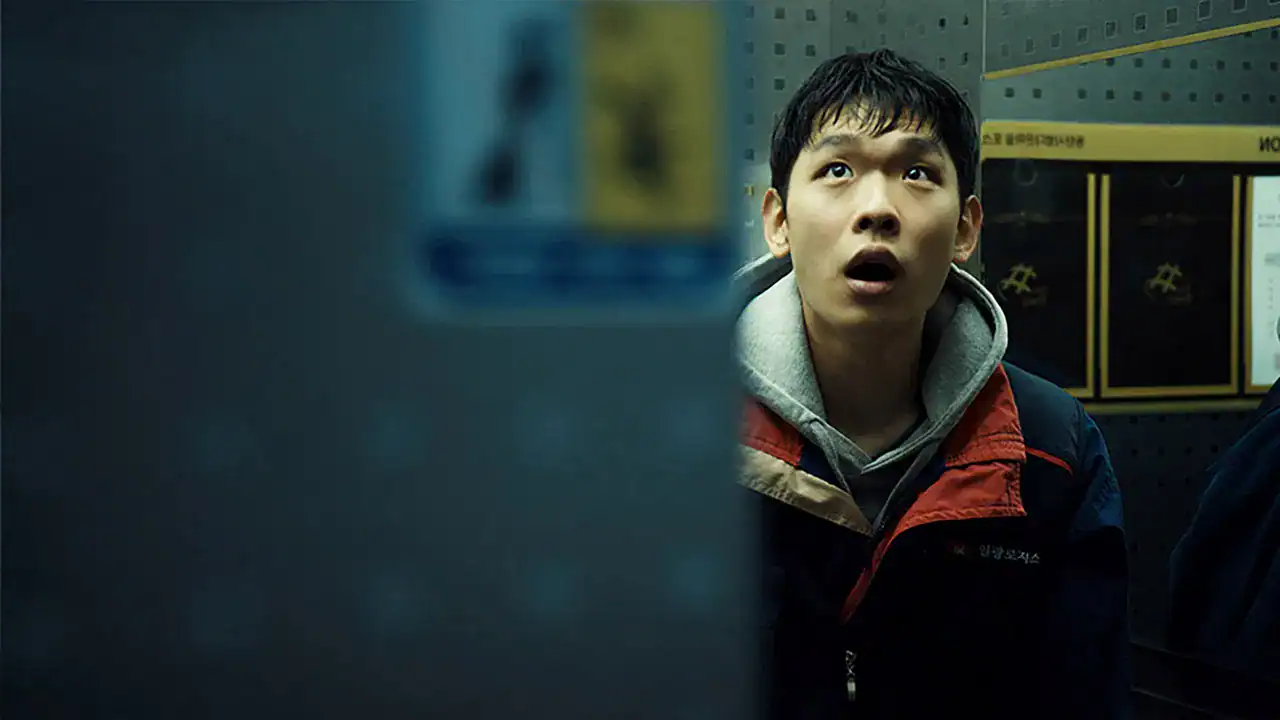
The film’s technical execution plays a crucial role in conveying its powerful themes. The pervasive tension emerges as one of "Halo’s" most defining characteristics, meticulously crafted through Roh Young-hwan’s directorial choices, the precise editing, and Kim Jae-hong’s distinctive shaky, handheld camera work. This stylistic approach generates an immediate sense of angst and claustrophobia, particularly within the confined space of Min-joon’s delivery van, effectively mirroring the protagonist’s internal state of suffocation. The handheld camera lends an urgent, raw immediacy to the narrative, drawing the viewer intimately into Min-joon’s fragmented and stressful existence. While some critics have noted an occasional overuse of close-ups, which can become visually fatiguing, and a certain repetition of delivery sequences, these elements can also be interpreted as deliberate artistic choices. The repetition, in particular, serves to emphasize the monotonous, inescapable cycle in which Min-joon finds himself trapped, underscoring the relentless nature of his daily grind and his emotional entrapment.
Roh Young-hwan’s directorial vision is underpinned by a commitment to realism over melodrama, a stylistic choice that distinguishes "Halo" within the broader landscape of Korean cinema. By eschewing exaggerated emotional appeals, the film fosters a deeper, more authentic empathy for its protagonist. This approach allows the audience to connect with Min-joon’s struggles on a visceral level, recognizing the genuine hardship he faces rather than merely observing a dramatic spectacle. This commitment to verisimilitude aligns "Halo" with a growing trend in Korean independent cinema that prioritizes social commentary and nuanced character studies over commercial appeal.
Exceptional Performances Anchor the Narrative
The strength of "Halo" is significantly amplified by its stellar cast. Choi Gang-hyun delivers an truly exceptional performance as Seo Min-joon, serving as the undeniable centerpiece of the film. His ability to convey profound stress and simmering desperation while maintaining a facade of composure is a marvel to behold. His largely laconic acting style allows the audience to project their own understanding onto his internal turmoil, making his struggles all the more relatable and impactful. This understated intensity is a testament to Choi Gang-hyun’s nuanced portrayal.
Supporting performances also contribute significantly to the film’s texture. Kim Han, as the older brother, delivers a memorable performance, effectively portraying the challenges of living with a mental handicap within a strained family dynamic, even if his portrayal occasionally leans towards excess. Lee Jae-yong, in his brief but pivotal role as the astrologer, proves to be a show-stealing presence. His enigmatic yet comforting demeanor offers a crucial moment of pause and fleeting hope in Min-joon’s otherwise desolate world, leaving a lasting impression.
Tokyo International Film Festival: A Platform for Emerging Voices
The recognition of "Halo" at the Tokyo International Film Festival, specifically within the Asian Future section, is a testament to its artistic merit and its potential to shape future cinematic narratives. The Asian Future section is dedicated to showcasing promising new talent from Asia, highlighting debut or second feature films by emerging directors. Its mission is to discover and support filmmakers who offer fresh perspectives and innovative storytelling, providing a vital platform for them to reach an international audience. Previous winners in this section have often gone on to achieve further critical acclaim and broader distribution, establishing themselves as significant voices in contemporary cinema.
For Roh Young-hwan, this award signifies a powerful validation of his directorial debut. While specific official statements from festival organizers regarding "Halo" are not detailed, it is customary for such awards to be accompanied by commendations praising the film’s originality, thematic depth, and technical prowess. This accolade not only elevates "Halo" but also firmly positions Roh Young-hwan as a director to watch in the evolving landscape of Korean and Asian independent filmmaking. The festival’s choice underscores a global appetite for stories that confront complex social issues with authenticity and artistic integrity.
Broader Implications and Future Outlook
Despite minor critiques regarding certain stylistic choices, "Halo" ultimately succeeds in its ambitious endeavor. It skillfully crafts significant empathy for its protagonist, achieved through an unwavering commitment to realism rather than relying on sensationalized melodrama. The film serves as a powerful commentary on the silent struggles of the working class, the enduring weight of familial responsibility, and the often-elusive pursuit of personal dreams in the face of overwhelming adversity.
"Halo" contributes to a growing body of South Korean cinema that critically examines societal structures and individual experiences, following in the footsteps of internationally acclaimed works that explore economic disparity, social pressure, and mental health. Its nuanced portrayal of these themes makes it a significant cultural artifact, potentially sparking vital discussions about worker welfare, mental health support, and the evolving nature of family in modern Korean society. For Roh Young-hwan, "Halo" emerges as a remarkably hopeful and impactful debut, signaling the arrival of a director with a keen eye for social observation and a powerful voice in contemporary storytelling. The film’s success at Tokyo suggests a promising future for its wider distribution and continued critical engagement, solidifying its place as a thought-provoking and emotionally resonant work.