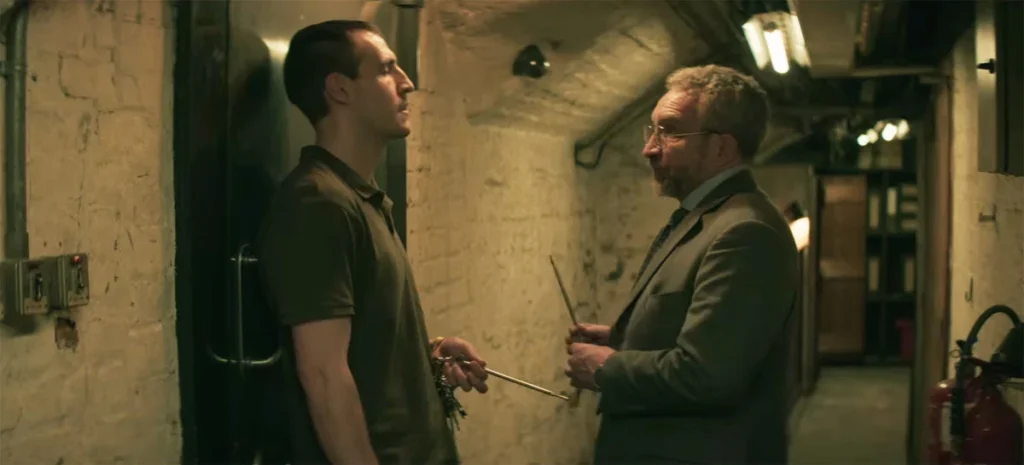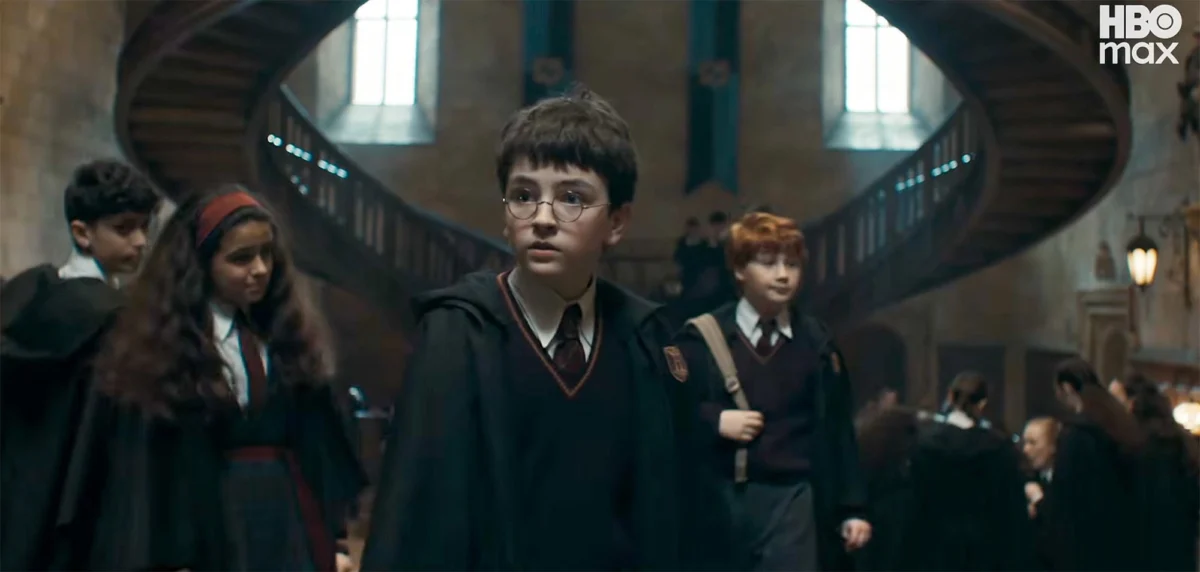
Warner Bros. Discovery and HBO have officially released the first teaser trailer for the highly anticipated television adaptation of the Harry Potter book series, marking a significant milestone in the franchise’s transition from cinema to long-form prestige television. The teaser, which premiered on HBO Max’s digital platforms on March 25, 2026, offers a foundational glimpse into the reimagined Wizarding World, specifically focusing on the events of the first installment, Harry Potter and the Philosopher’s Stone. The production serves as the cornerstone of a planned decade-long commitment to adapt J.K. Rowling’s seven-volume literary epic into a multi-season television event, promising a more granular and faithful exploration of the source material than was possible in the original film series.
A New Generation of Wizardry: The Lead Cast and Creative Leadership
The teaser trailer introduces the central trio who will carry the franchise for the foreseeable future. Dominic McLaughlin has been cast in the titular role of Harry Potter, joined by Alastair Stout as Ron Weasley and Arabella Stanton as Hermione Granger. The casting of these young actors follows an extensive international search, echoing the process undertaken by director Chris Columbus and producer David Heyman in the early 2000s.
Complementing the newcomers is a roster of established British and American screen veterans. Two-time Academy Award nominee and multi-Emmy winner John Lithgow takes on the role of Albus Dumbledore, the venerable Headmaster of Hogwarts. Lithgow follows in the footsteps of the late Richard Harris and Michael Gambon, bringing a distinct gravitas to the character. The faculty of Hogwarts is further bolstered by Janet McTeer as Professor Minerva McGonagall, Paapa Essiedu as the enigmatic Severus Snape, and Nick Frost as the gentle giant Rubeus Hagrid.
The supporting cast features a blend of seasoned character actors and rising stars, including Lox Pratt as Draco Malfoy, alongside Luke Thallon, Paul Whitehouse, Bertie Carvel, Johnny Flynn, Bel Powley, Daniel Rigby, and Katherine Parkinson. Notably, Warwick Davis returns to the franchise in an undisclosed capacity, maintaining a thread of continuity between the original films and this new iteration.

Behind the scenes, the series is led by showrunner and lead writer Francesca Gardiner, whose previous credits include Succession and His Dark Materials. Gardiner is joined in the writers’ room by Laura Neal and Martha Hillier. The visual language of the first season is being established by director Mark Mylod, a frequent collaborator on Succession and the director of the critically acclaimed film The Menu. Mylod’s involvement signals a shift toward a more sophisticated, "prestige" aesthetic, aligning with HBO’s reputation for high-budget, narratively complex drama.
Production Timeline and Development History
The journey to this teaser trailer began in April 2023, when Warner Bros. Discovery first confirmed the development of a Harry Potter television series during a press event. The project was conceived as a "faithful adaptation" that would allow for a deeper dive into the subplots, lore, and character development present in the books but omitted from the feature films due to runtime constraints.
Following the appointment of Francesca Gardiner and Mark Mylod in early 2024, the production moved into an intensive pre-production phase. Filming for the first season primarily took place throughout 2025 at Warner Bros. Studios Leavesden and various locations across the United Kingdom. The teaser released today confirms that the series is on track for a Christmas 2026 premiere, positioning it as the tentpole release for HBO Max during the holiday season.
The production is a collaborative effort between HBO, Brontë Film and TV, and Warner Bros. Television. Executive producers include J.K. Rowling, Neil Blair, and Ruth Kenley-Letts of Brontë Film and TV, alongside David Heyman, who produced all eight original Harry Potter films and the Fantastic Beasts spin-offs. This creative alignment suggests a balance between fresh perspectives and a deep understanding of the franchise’s existing DNA.
The Strategic Shift: From Film to Television
The decision to reboot the Harry Potter franchise as a television series reflects broader trends within the entertainment industry, where major studios are leveraging established intellectual property (IP) to anchor streaming services. For Warner Bros. Discovery, the Harry Potter brand remains one of its most valuable assets. The original film franchise, which ran from 2001 to 2011, grossed over $7.7 billion at the global box office and remains a cultural touchstone.

However, the transition to a television format offers several strategic advantages:
- Narrative Depth: Each book in the series will be adapted into a full season, allowing for approximately 8 to 10 hours of storytelling per volume. This enables the inclusion of characters like Peeves the Poltergeist and more intricate plotlines involving house-elves and magical history that were previously sidelined.
- Subscriber Retention: A multi-year, multi-season series provides a consistent draw for HBO Max subscribers, encouraging long-term platform engagement compared to a singular theatrical release.
- Brand Rejuvenation: By introducing a new cast and a more modern production style, the studio aims to capture a younger generation of viewers who may not have experienced the original films during their initial release.
Industry Implications and Financial Outlook
The financial stakes for the Harry Potter series are substantial. Industry analysts estimate the production budget for the first season alone to be in the range of $150 million to $200 million, rivaling the costs of HBO’s House of the Dragon and Amazon’s The Lord of the Rings: The Rings of Power. This investment underscores the studio’s confidence in the brand’s enduring appeal.
Market data suggests that the "Wizarding World" brand continues to resonate across various sectors. The 2023 video game Hogwarts Legacy sold over 24 million copies, generating more than $1 billion in revenue, proving that consumer appetite for the setting remains high despite the conclusion of the original film saga. The new series is expected to drive significant growth in merchandise sales, theme park attendance at Universal Studios’ Wizarding World attractions, and renewed interest in the original book series.
Comparative Analysis: 2001 vs. 2026
When the first film, Harry Potter and the Sorcerer’s Stone, was released in 2001, it arrived at the dawn of the modern blockbuster era. The 2026 series enters a vastly different landscape—one dominated by streaming platforms and high-concept "prestige" television.
The teaser trailer suggests a visual departure from the warm, often whimsical tone of the early films. Under Mark Mylod’s direction, the footage appears to favor a more grounded, cinematic realism. The palette described in the teaser—more subdued and focused on texture and lighting—aligns with contemporary television standards. This aesthetic shift is likely intended to appeal to both the original fans, who are now adults, and a new audience accustomed to the visual sophistication of modern dramas.

Official Responses and Public Reception
While official statements from the cast have been limited to standard promotional cycles, HBO executives have expressed long-term optimism for the project. In a previous statement, Casey Bloys, Chairman and CEO of HBO & Max Content, emphasized that the series would "explore Hogwarts in a way that hasn’t been seen before," focusing on the "richness and detail" of the novels.
Initial reactions to the teaser have been a subject of intense discussion among industry commentators and fans. On social media and film forums, the conversation has centered on the daunting task of following the original cinematic portrayals. The casting of John Lithgow as Dumbledore, in particular, has garnered significant attention, with many noting his ability to portray both warmth and formidable authority.
Conclusion: The Road to Christmas 2026
As the premiere date of Christmas 2026 approaches, Warner Bros. Discovery is expected to launch an extensive global marketing campaign. The release of this first teaser serves as the opening salvo in a multi-year promotional cycle that will likely include further casting announcements for subsequent seasons, behind-the-scenes featurettes, and deep dives into the production’s technical achievements.
The new Harry Potter series represents a bold bet on the longevity of one of the world’s most successful literary properties. By returning to the beginning of the story and utilizing the expansive canvas of television, HBO and Warner Bros. are attempting to redefine the Wizarding World for a new era. Whether this adaptation can capture the "magic" that defined the original films while establishing its own identity will be the central question facing the production as it heads toward its 2026 debut. For now, the teaser trailer stands as a clear signal that the gates of Hogwarts are once again opening, promising a journey that will unfold over the next decade.