The surge in spending is bolstered by the enduring success of the "One Chicago" franchise—comprising Chicago Med, Chicago Fire, and Chicago P.D.—which continues to serve as an economic anchor for the region. Recent crossover events among these NBC procedurals have garnered upwards of 6 million viewers, demonstrating the sustained cultural and commercial relevance of shows that have filmed in the state for over a decade. However, the growth is not limited to network television; Illinois has become a preferred destination for critically acclaimed streaming content and premium cable dramas, positioning itself as a formidable rival to traditional production hubs like California, New York, and Georgia.
Statistical Growth and Market Momentum
The $703 million expenditure milestone aligns with independent market analysis from industry tracker ProdPro. According to their data, Illinois experienced a 46 percent increase in production spending during the fourth quarter of last year alone, totaling $240 million for the three-month period. Perhaps more tellingly, the state’s filming count—the actual number of projects active on the ground—grew by 70 percent year-over-year in that same quarter.
This trajectory places Illinois in a similar momentum category as New Jersey, often referred to as "Hollywood East." While New Jersey saw a 75 percent increase in shoots during the same period, it remains ahead in total spending due to massive infrastructure investments from major studios like Netflix, Paramount, and Lionsgate. Nevertheless, the rapid pace of growth in Illinois suggests that the state is successfully competing for mid-to-high-budget projects that might otherwise have headed to the East Coast or overseas.
The economic impact extends directly to the local workforce. The Governor’s office disclosed that film industry wages in the state rose from $350 million in 2019 to $401 million in 2025. During this same interval, the number of industry hires (excluding background actors) increased from 15,200 to 18,100. Furthermore, internal data from the payroll processor Everyset indicates that Illinois has seen a significant spike in the booking of background actors, a key indicator of high-volume production activity.
A Legacy of Cinema and Modern Infrastructure
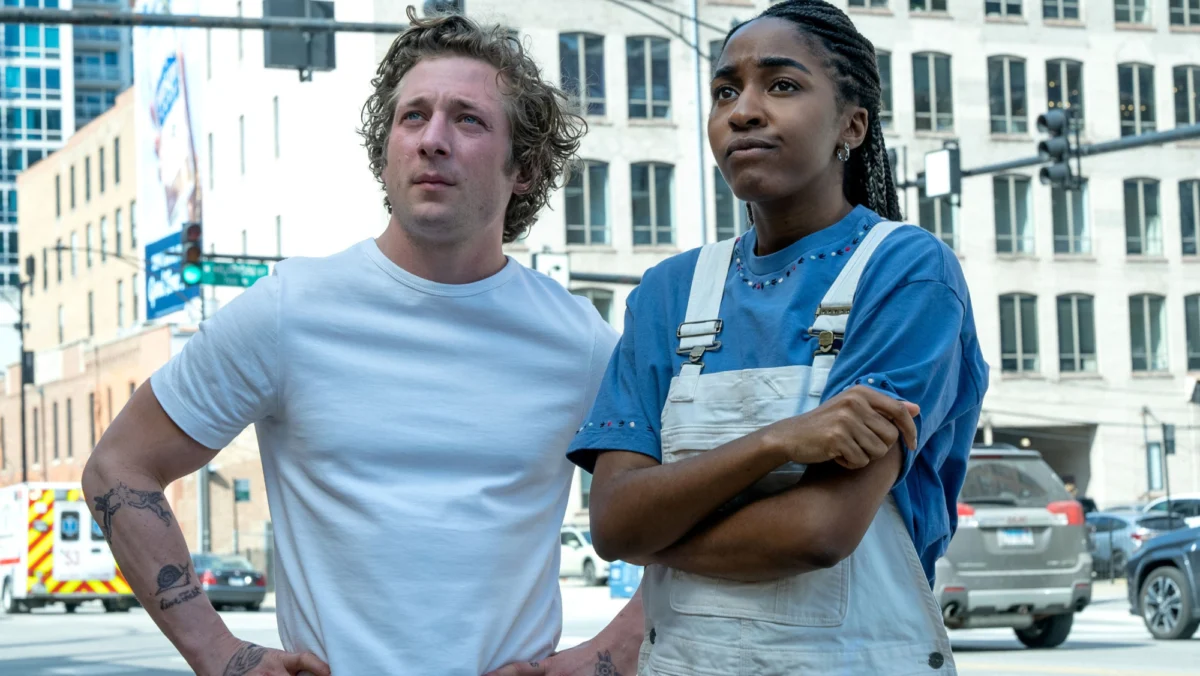
Illinois’ ascent in the film world is built upon a foundation that spans over a century. In a statement addressing the record-breaking figures, Governor JB Pritzker noted the historical significance of the region. "For nearly 120 years, Illinois has helped shape the film and television industry—from the early days of Charlie Chaplin to today’s hit productions like Chicago Fire, The Bear, and The Chi," Pritzker said.
The state’s current strategy focuses on three pillars: workforce investment, the expansion of tax incentives, and the development of world-class infrastructure. By moving beyond the urban landscape of Chicago, the state is fostering production hubs in diverse geographic locations:
- Hollywood River Studios (Wood River): A major development in Southern Illinois featuring six soundstages.
- Flyover Film Studios (Rantoul): A facility that has already hosted projects for Tubi and various independent filmmakers.
- Rockline Studios (Rock Island): A new project currently in development aimed at capturing the Quad Cities market.
Chris Breakwell, the developer behind Hollywood River Studios, emphasized that legislative stability is the primary driver for private investment. "The governor and the legislature focusing on and enhancing the Illinois film tax credit is the main reason my group is investing," Breakwell stated.
Legislative Catalysts: The Film Production Tax Credit
The primary engine behind this economic boom is the Illinois Film Production Tax Credit. In December, Governor Pritzker signed Senate Bill 1911 into law, which significantly bolstered the program. The updated legislation offers a 35 percent credit on qualified spending within the state, including labor and local vendor costs. Crucially, the bill extended the program through 2039, providing studios and investors with the long-term certainty required for multi-year television series and large-scale studio builds.
This 35 percent credit is among the most competitive in the United States, particularly when paired with the state’s diverse locations—ranging from the iconic Chicago skyline to rural landscapes and industrial zones. By providing a reliable financial incentive, Illinois has secured long-term commitments from major content creators.
The Competitive Landscape: A High-Wire Act
Illinois’ growth comes at a time when other major filming destinations are experiencing volatility. The competition for Hollywood dollars has become an increasingly high-stakes game of incentives and infrastructure.
The Georgia Contraction
Georgia, once the undisputed leader in domestic location filming, has seen a notable decline. Despite its massive infrastructure, the state has lost major projects like Marvel Studios to the United Kingdom, where incentives have become more aggressive. Georgia’s production spend fell from $4.4 billion in fiscal year 2022 (with 412 productions) to $2.6 billion in fiscal 2024 (with 273 productions). Recent figures shared with the Associated Press suggest the decline continued into 2025, with spending dropping further to $2.3 billion across 245 projects.
The New Mexico Trend
New Mexico, home to the Breaking Bad and Better Call Saul universe, has also faced a downturn. Despite Netflix’s significant investment in Albuquerque, the state saw production spending drop from a peak of $855.4 million in 2022 to $323 million in fiscal 2025. State officials attribute this to a broader industry contraction following the "peak TV" era, where streaming platforms have scaled back on original content volume.
The California and New York Giants
California and New York remain the industry giants, with annual incentive caps of $750 million and $800 million, respectively. In the last twelve months, California saw a production spend of $5.75 billion—nearly eight times that of Illinois. However, the "Golden State" is facing internal pressure. Los Angeles has seen soundstage occupancy fall from 96 percent in 2016 to just 62 percent in the first half of 2025.
Advocates in California argue that excessive red tape and the lack of "anchor tenants" (long-running broadcast series) are causing projects to flee. This is precisely where Illinois has found its niche. By hosting long-running procedurals like Dick Wolf’s Chicago series, Illinois maintains a "floor" of economic activity that keeps soundstages occupied and local crews employed even when the broader market fluctuates.
Diverse Content Portfolio: From Procedurals to Prestige
The current slate of productions in Illinois reflects a strategic mix of genres and platforms. This diversity protects the local industry from shifts in viewer preferences or studio business models.
- Network Procedurals: The Chicago Med, Fire, and PD trio provides consistent, year-round employment for thousands of locals.
- Prestige Dramas: FX’s The Bear, currently in production for its fifth and final season, has brought significant awards-season attention to the Chicago culinary and filming scene.
- Premium Cable & Streaming: Paramount+’s The Chi is entering its eighth and final season, while HBO’s Somebody Somewhere and Starz’s Power Book IV: Force have both filmed multiple seasons in the state.
- Independent and Streaming Movies: The rise of platforms like Tubi and the continued interest from indie directors have filled the gaps between major studio shoots.
Analysis: Implications for the Future
The rise of Illinois as a top-tier production destination suggests a shift in how Hollywood views "flyover country." The state has successfully transitioned from being a "location" to being a "hub." A location is where a crew goes for a few days to get specific shots; a hub is where a crew lives, works, and spends for the duration of a multi-year project.
The $703 million record is a testament to the effectiveness of combining aggressive tax policy with infrastructure development. However, the challenges facing Georgia and New Mexico serve as a cautionary tale. The entertainment industry is notoriously mobile, and "incentive shopping" remains a standard practice for major studios.
For Illinois to maintain this momentum, it will need to continue expanding its soundstage capacity to accommodate the "mega-productions" that currently favor London or Atlanta. The development of Hollywood River Studios and other regional facilities is a step toward ensuring that the economic benefits of the film industry are felt not just in Chicago, but across the entire state.
As the industry continues to contract globally, the stability offered by Illinois’ 2039 tax credit extension and its roster of long-running series may prove to be its greatest competitive advantage. By focusing on "good union jobs" and a sustainable workforce, Illinois is positioning itself to remain a primary player in the American film and television landscape for decades to come.