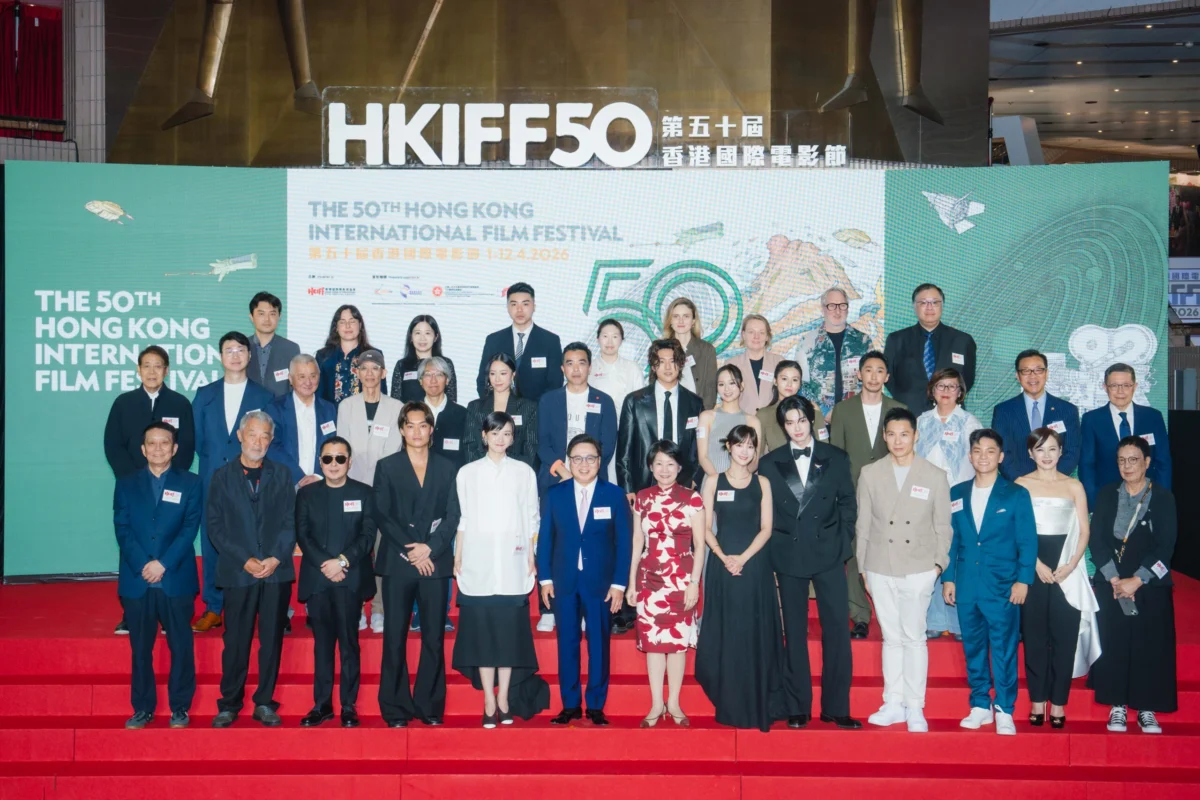
The 50th edition of the Hong Kong International Film Festival (HKIFF) officially commenced yesterday, marking a significant milestone in the global cinematic calendar. The prestigious event, held at the iconic Hong Kong Cultural Centre, ushered in a 12-day celebration of international cinema, firmly cementing its legacy as one of Asia’s most enduring and influential film festivals. The Golden Jubilee edition opened with the highly anticipated Asian premiere of "We Are All Strangers," the latest work from acclaimed Singaporean filmmaker Anthony Chen, setting a tone of artistic exploration and cross-cultural dialogue for the festival.
The grandeur of the opening ceremony underscored the festival’s half-century journey, drawing a distinguished assembly of luminaries from the worlds of film, culture, and government. Officiating the momentous occasion were Wilfred Wong, Chairman of the Hong Kong International Film Festival Society, and Vivian Sum, Permanent Secretary for Culture, Sports and Tourism. Their presence highlighted the institutional support and strategic importance of HKIFF within Hong Kong’s broader cultural framework. Adding star power and a youthful dynamism to the proceedings were Festival Ambassadors Angela Yuen and Tony Wu, alongside Asian Visionary Ambassadors Gingle Wang and Win Metawin, representing a new generation of talent poised to shape the future of Asian cinema. A diverse contingent of local and international filmmakers, industry veterans, and cultural enthusiasts also graced the event, collectively affirming the festival’s profound impact and its enduring appeal across generations and geographical boundaries.
A Half-Century Legacy: HKIFF’s Evolution and Impact
The Hong Kong International Film Festival, established in 1976, has grown from modest beginnings to become a pivotal institution in the global film landscape. Its 50th edition is not merely a celebration of longevity but a testament to its consistent dedication to showcasing diverse cinematic voices, fostering film appreciation, and acting as a crucial bridge between Eastern and Western filmmaking traditions. In its nascent years, HKIFF played a vital role in introducing international art-house cinema to Hong Kong audiences and, conversely, bringing Hong Kong’s burgeoning New Wave cinema to the world stage. Directors like Wong Kar-wai, Ann Hui, and John Woo gained early international recognition through the festival, which served as a launchpad for their careers and cemented Hong Kong’s reputation as a creative powerhouse. Over five decades, the festival has navigated various socio-political and economic shifts, demonstrating remarkable resilience and adaptability, continuously evolving its programming to reflect contemporary cinematic trends while preserving its core mission. This golden jubilee, therefore, marks a moment of reflection on its storied past and a forward-looking vision for its future contributions to the arts.
Leadership Perspectives: Vision for Culture and Cinema
In his keynote address, Wilfred Wong articulated the profound significance of the 50th anniversary, describing it as a landmark moment that solidifies HKIFF’s status as one of Hong Kong’s most enduring cultural institutions. Wong emphasized the festival’s dual and equally crucial roles: first, its unwavering commitment to presenting outstanding global cinema, offering Hong Kong audiences a window into diverse cultures and artistic expressions from around the world. This aspect enriches the local cultural tapestry and fosters a deeper understanding of the human experience through film. Second, Wong highlighted HKIFF’s indispensable function as a key platform for Chinese-language films to achieve international recognition and reach broader global audiences. This role is particularly critical in promoting cultural exchange and demonstrating the richness and diversity of cinematic storytelling from Hong Kong, mainland China, and other Chinese-speaking communities worldwide. His remarks underscored the festival’s strategic importance in cultivating cultural diplomacy and enhancing Hong Kong’s soft power on the international stage.
Vivian Sum, representing the HKSAR government, further elaborated on the festival’s integral position within Hong Kong’s broader cultural policy. She stressed HKIFF’s significant contribution to promoting both local and Mainland Chinese productions worldwide, aligning with the government’s strategic objectives to boost the creative industries and enhance Hong Kong’s status as a global cultural hub. Sum also emphasized the festival’s reciprocal benefit, noting its success in bringing major international works to the city, thereby diversifying cultural offerings for local residents and tourists alike. Beyond its public-facing program, Sum highlighted the invaluable networking opportunities HKIFF consistently provides for the local industry. These forums facilitate collaboration, exchange of ideas, and talent development, reinforcing Hong Kong’s unique position as a vibrant cultural nexus bridging East and West. The government’s continued support for the festival is a testament to its recognition of HKIFF’s multifaceted contributions to economic development, cultural identity, and international relations.
Ambassadors and Industry Voices: Bridging Generations and Visions
A particularly engaging segment of the opening night involved a series of insightful on-stage conversations with the festival’s ambassadors and distinguished guests. Angela Yuen and Tony Wu, as Festival Ambassadors, articulated their ambitions to leverage their platforms to promote Hong Kong cinema to wider, global audiences. Their discussions often centered on innovative strategies for showcasing local talent and narratives, exploring avenues such as digital distribution, international co-productions, and engaging with younger, digitally native demographics. They spoke passionately about the unique storytelling traditions of Hong Kong and the importance of preserving and evolving them for future generations.
Meanwhile, Asian Visionary Ambassadors Gingle Wang and Win Metawin offered compelling reflections on the future of filmmaking, viewed through the lens of a new generation of Asian talent. Their perspectives touched upon the transformative impact of technology, the growing demand for diverse and inclusive narratives, and the increasing interconnectedness of Asian film markets. They discussed the challenges and opportunities presented by streaming platforms, the rise of regional collaborations, and the evolving relationship between filmmakers and their audiences in the digital age. Their presence symbolized HKIFF’s commitment to nurturing emerging talent and embracing the forward momentum of cinematic innovation.
Adding profound gravitas to the evening was this year’s Filmmaker in Focus, the internationally acclaimed Chinese director Jia Zhangke. Taking the stage, Jia shared personal anecdotes and insights from his long-standing relationship with the festival, a relationship that has spanned many of his seminal works. He reflected on HKIFF’s consistent support for his distinctive cinematic voice and its role in introducing his films to a global audience. Jia Zhangke, a leading figure of China’s "Sixth Generation" of filmmakers, is celebrated for his realist portrayals of contemporary Chinese society and the impact of rapid economic and social change. His presence at the Golden Jubilee underscored the festival’s dedication to showcasing master filmmakers who have profoundly shaped modern cinema. In his address, he offered a poignant encouragement to younger audiences, urging them to approach cinema with an open mind and insatiable curiosity, emphasizing film’s power to illuminate, challenge, and connect individuals across disparate experiences.
The Grand Cinematic Showcase: A Global Panorama
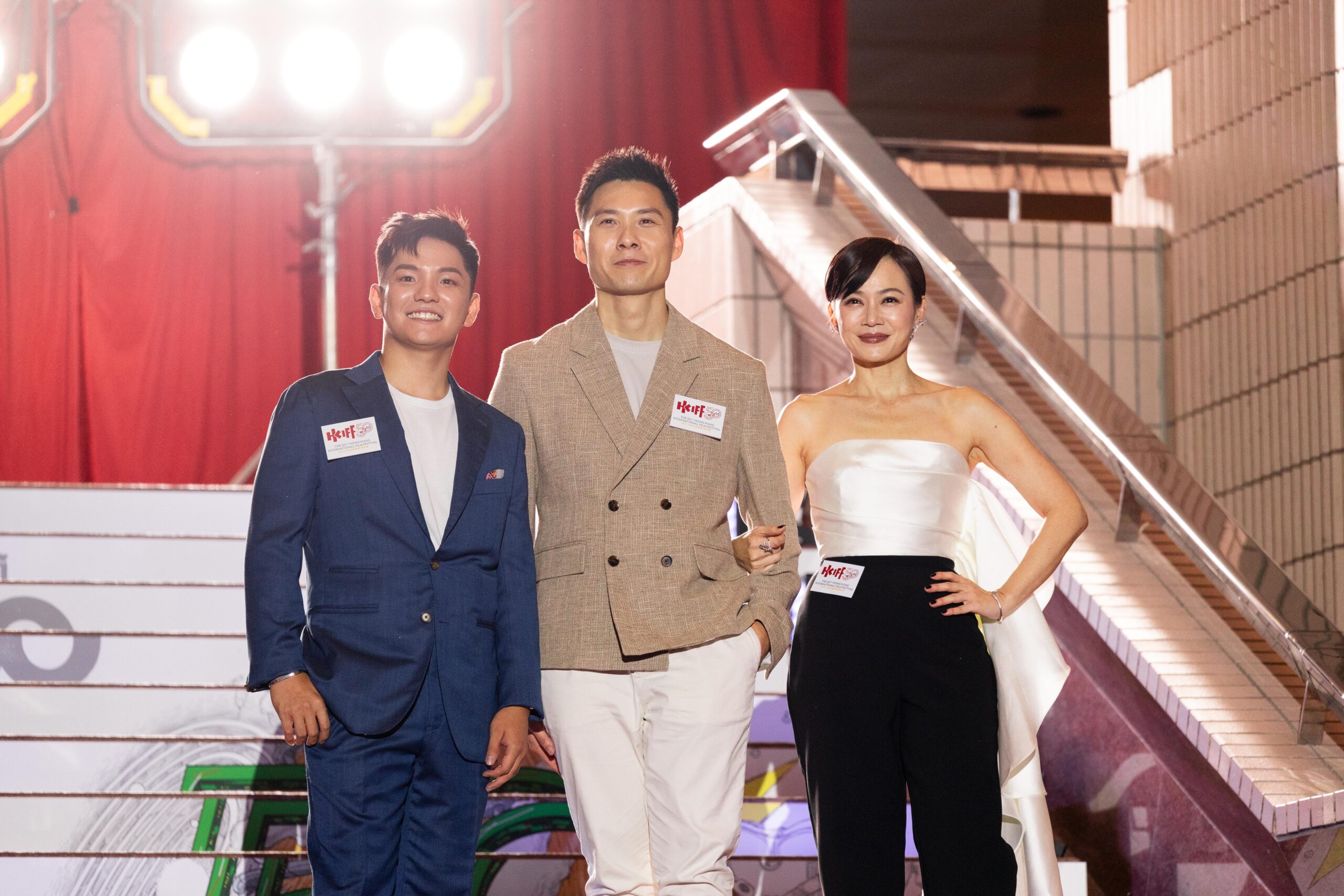
The opening night was not only a celebration of history but also a tantalizing preview of the rich cinematic tapestry that HKIFF50 promises to unfurl over its 12-day run. Following the official ceremonies, Anthony Chen’s "We Are All Strangers" provided a powerful start. The film, which explores complex human relationships and the nuances of contemporary life, perfectly embodies the festival’s commitment to thoughtful, character-driven storytelling. Chen, along with lead cast members Yeo Yann Yann and Koh Jia Ler, were present, adding to the allure of the premiere and engaging with an eager audience. Their attendance, alongside a roster of other prominent guests including Edwynn Li, Ansonbean, Rachel Leung, Renci Yeung, and Stephy Tang, underscored the vibrant community that HKIFF brings together. Further dignifying the event was the presence of celebrated Fifth Generation filmmakers Tian Zhuangzhuang and Huang Jianxin, whose attendance added a historical depth and prestige, connecting the festival’s present to its rich past.
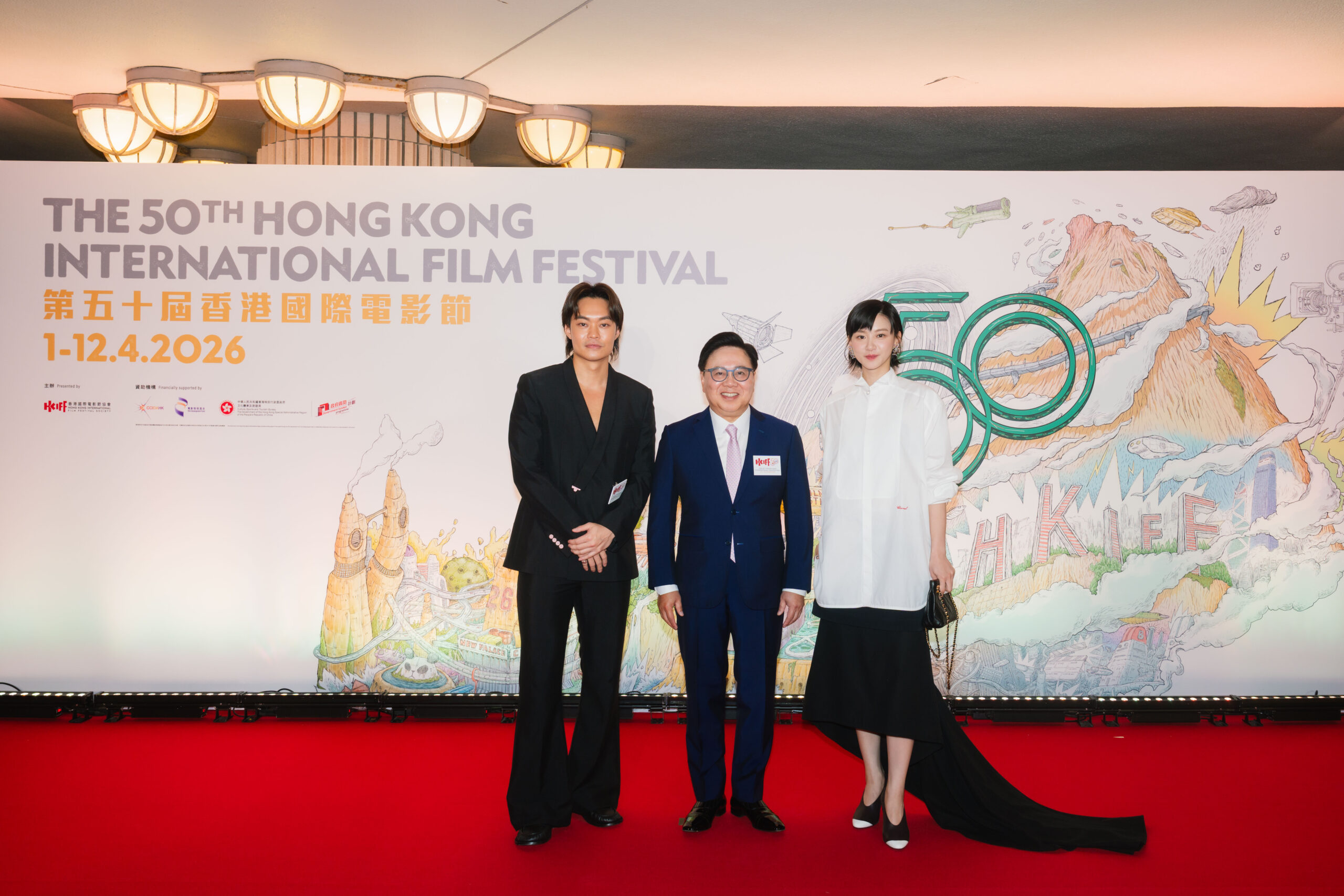
The sheer scale of HKIFF50’s program is impressive, featuring more than 215 films hailing from 71 countries and regions. This extensive selection includes a remarkable 11 world premieres, offering audiences the very first glimpse of new cinematic creations, alongside four international premieres and 49 Asian premieres, which provide crucial exposure for films entering new territories. Across more than 320 scheduled screenings at various venues throughout Hong Kong, the festival offers an unparalleled opportunity for film enthusiasts and industry professionals alike to immerse themselves in diverse narratives and artistic visions. The programming is meticulously curated to span a wide array of genres, styles, and themes, from compelling narratives and thought-provoking documentaries to experimental shorts and restored classics.
Adding to the prestige and appeal of the Golden Jubilee celebrations, audiences will have unique opportunities to engage with an array of acclaimed filmmakers and industry stalwarts. The lineup of participating directors and actors reads like a who’s who of global cinema: legendary French actress Juliette Binoche, influential Chinese directors Chen Kaige and Ann Hui, Taiwanese master Tsai Ming-liang, Hungarian auteur Ildikó Enyedi, Thai director Pen-ek Ratanaruang, Indonesian filmmaker Edwin, and experimental British artist Ben Rivers are all expected to participate in masterclasses, Q&A sessions, and industry forums. Their involvement not only enriches the festival’s educational offerings but also provides invaluable insights into the craft and future of filmmaking, fostering a dynamic environment for learning and inspiration.
Broader Impact and Implications
The 50th Hong Kong International Film Festival holds significant implications beyond its immediate cinematic showcase. Economically, the festival is a vital contributor to Hong Kong’s cultural tourism sector, attracting international visitors, filmmakers, and media, thereby boosting local hospitality, retail, and transportation industries. It also stimulates the local film industry by fostering networking opportunities, facilitating co-production deals, and providing a platform for local talent to gain international exposure. Culturally, HKIFF reinforces Hong Kong’s identity as a cosmopolitan city and a vibrant cultural hub, capable of hosting world-class events that resonate globally. It promotes cultural literacy and critical thinking among its diverse audience, expanding their perspectives through exposure to global narratives.
Strategically, HKIFF plays a crucial role in Hong Kong’s "East meets West" positioning. By consistently curating a program that balances acclaimed international works with a strong emphasis on Asian and Chinese-language cinema, the festival serves as a critical bridge for cultural exchange. It facilitates the flow of ideas, artistic styles, and industry practices between different regions, enhancing mutual understanding and collaboration within the global film community. The Golden Jubilee edition, with its expanded program and high-profile guests, further solidifies this role, projecting an image of resilience, innovation, and enduring cultural significance for Hong Kong on the world stage.
As the 50th Hong Kong International Film Festival unfolds over the next 12 days, it promises to be a vibrant testament to the power of cinema to unite, inspire, and provoke thought. It is not just a celebration of films, but a celebration of five decades of cultural stewardship, international collaboration, and an unwavering belief in the transformative magic of the moving image. The festival’s rich history and ambitious program for its golden jubilee confirm its enduring legacy and its vital role in shaping the future of global cinema from its unique vantage point in Asia.