Undertone, the latest A24 horror sensation from writer-director Ian Tuason, has emerged as a significant cinematic event, captivating audiences and critics alike with its unique "found audio" premise and deeply personal undertones. Tuason, a filmmaker with a distinctive background in immersive 360-degree VR horror, initially claimed no particular affinity for the occult before embarking on the project. However, his extensive research for the film not only deepened his understanding but, as he suggests, "manifested weird things into existence," blurring the lines between fiction and an unsettling reality that would ultimately define his breakout feature. The film’s remarkable journey from a modest budget to a theatrical smash, coupled with its chilling exploration of grief and the unseen, positions Tuason as a formidable new voice in the horror genre.
The Genesis of a Unique Horror Vision: From VR to A24
Ian Tuason’s path to directing a major A24 horror film is rooted in a pioneering spirit within the nascent field of virtual reality horror. Long before undertone garnered critical and commercial success, Tuason was making waves with his immersive 360-degree VR horror shorts. His early works, such as Continuity Problems (2009) and Close Up (2011), quickly found a massive audience on YouTube, demonstrating an early grasp of how to leverage immersive technology for psychological terror. These initial successes weren’t confined to the digital realm; they earned him recognition at prestigious industry events, including screenings at the Marché du Film’s NEXT Pavilion in Cannes, an indicator of his innovative approach being acknowledged by the global film community.
His subsequent VR project, the 360-degree live-action breakthrough 3:00am, further solidified his reputation, racking up an impressive 9 million views on YouTube. This extensive experience in crafting environments where sound and spatial awareness are paramount provided Tuason with an invaluable foundation for his transition to feature filmmaking. While he might not have been "into" the occult in a personal capacity, his track record clearly demonstrated a profound understanding of how to evoke fear and cater to a fanbase eager for innovative horror experiences. This background, focused on enveloping the viewer in a palpable sense of dread through auditory and visual immersion, proved to be a crucial precursor to undertone‘s distinctive style.
Undertone‘s commercial performance has been nothing short of spectacular, especially for an independent horror production. Made on a lean budget of $500,000, the film defied expectations by grossing double that amount, an impressive $1 million, solely from Thursday box office previews. This initial surge signaled strong audience interest, which only grew as the film continued its theatrical run, ultimately accumulating a robust $9 million. Such figures are a testament to the film’s ability to resonate with a broad audience, securing its status as a theatrical smash.
The film’s momentum was significantly amplified by its successful festival circuit. It premiered to considerable buzz at Montreal’s Fantasia International Film Festival in July, a renowned platform for genre cinema, before further solidifying its reputation at the Sundance Film Festival earlier in the year. Sundance, known for championing independent and often challenging cinema, provided a crucial launchpad, drawing critical attention and setting the stage for its wider release. A24, the acclaimed production and distribution company known for its curated slate of genre-bending and artist-driven films like Hereditary, The Witch, and Talk to Me, further validated undertone‘s artistic merit and commercial potential. Their involvement underscores the film’s quality and its alignment with A24’s commitment to distinctive storytelling in horror.
Tuason himself articulated how his VR expertise directly influenced the film’s design, particularly its auditory landscape. "I always felt like surround sound in the theater would be a great opportunity to take what I learned and play around with it—to create a 3D soundscape and guide the viewer’s attention to different spaces around them," Tuason explained. This philosophy, honed in the immersive world of VR, allowed him to combine elements he deeply appreciated, such as the narrative depth of scripted podcasts and the raw immediacy of found footage, into a cohesive and terrifying cinematic experience.
The Narrative Core: Unpacking ‘undertone’s’ Terrors
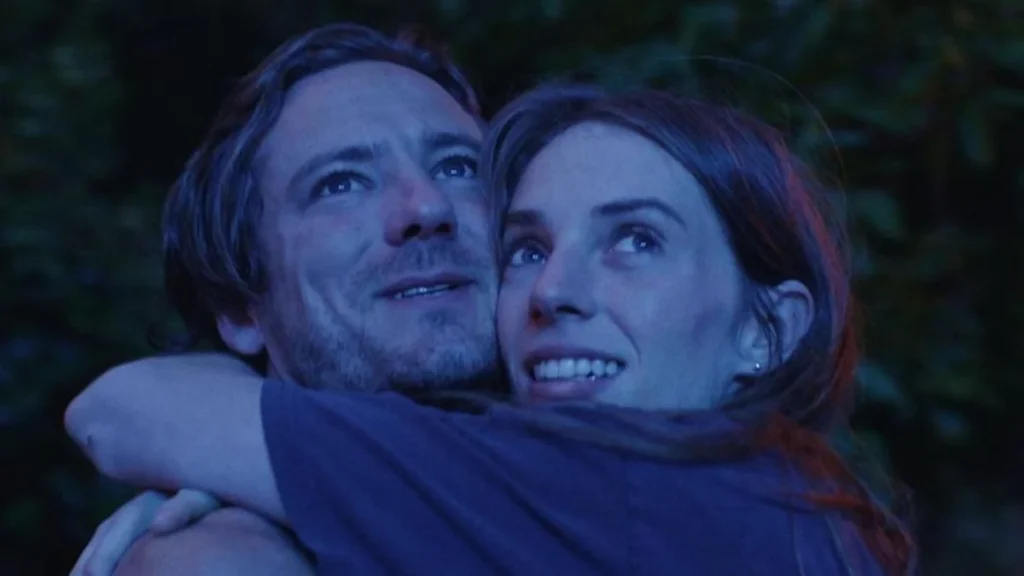
Undertone unfolds as a demonic "found audio" film, centering on Evy (portrayed by Nina Kiri), who co-hosts The Undertone podcast. She serves as the grounded, skeptical foil to her best friend Justin’s (Adam DiMarco) "Agent Mulder-adjacent sensibility," a dynamic that provides both comedic relief and crucial tension. Their podcast recordings are complicated by a significant time difference, forcing Evy—who has recently returned home to care for her comatose mother—to log on during the eerie "witching hour." The podcast initially offers Evy a much-needed escape from the grim realities of administering palliative care, a demanding and emotionally draining responsibility.
The narrative takes a sinister turn when a fan-sent email arrives in their inbox, containing an unsettling audio recording. The files chronicle the paranormal encounter of a couple, Jessa and Mike, with Abyzou, a female demon from ancient folklore. According to legend, Abyzou is rumored to possess mothers and is known for her malevolent intent to kill their children. Justin, with his characteristic caution, is wary of playing these potentially dangerous files. However, Evy, convinced that the recordings are merely an elaborate hoax, insists on recording their real-time reactions to the alleged horrors, unwittingly inviting a malevolent force into her already fragile existence.
Soon after, Evy begins to experience increasingly bizarre and terrifying phenomena within her home. Her unconscious mother’s body inexplicably moves out of bed, defying all logic and medical explanation. Lights flicker erratically, plunging rooms into sudden darkness and then harsh illumination. A statue of the Virgin Mary, a symbol of protection and faith, persistently returns to her mother’s bedside table despite Evy’s repeated attempts to stow it away in the back of a closet. These occurrences, subtle at first, escalate in frequency and intensity, gradually eroding Evy’s skepticism and sense of security. Tuason succinctly describes Evy’s arc: "She’s slowly entering this audio nightmare until she’s entirely in it," highlighting her inescapable descent into a horrifying reality where the boundaries between her personal grief and the supernatural become increasingly blurred. The film masterfully uses these creeping, domestic disturbances to build an atmosphere of pervasive dread, directly linking the demonic entity to Evy’s most vulnerable and intimate space.

The Unseen Architect: Sound as the Primary Fear Factor
Tuason’s experience as a sound-driven artist is unmistakably the singular force behind undertone’s profound spookiness. His philosophy on the primacy of audio in horror is a cornerstone of the film’s effectiveness. "I think audio is the most important element of a horror film—more important than picture," he asserts. This conviction stems from the belief that "whatever you can imagine is always going to be scarier than what I can show you." This principle guides the film’s meticulously crafted soundscape, which aims to create a visceral, almost tactile, experience for the audience. By manipulating sound, Tuason directs the viewer’s attention, not just to what is seen, but to the terrifying possibilities of what remains unseen, lurking just beyond the frame.
A prime example of this is the film’s chilling preoccupation with nursery rhymes, which, when played backward, are revealed to contain sinister messages. Tuason specifically cites "Baa Baa Black Sheep" as apparently containing the chilling lyric, "lick the blood off." This technique taps into a primal fear, twisting innocent childhood melodies into instruments of terror and suggesting a pervasive evil hidden within the mundane. The historical lineage of sound in horror cinema provides ample context for Tuason’s approach. From the iconic screeching violins in Psycho‘s shower scene to the guttural growls in The Exorcist and the unsettling silence punctuated by sudden, terrifying noises in A Quiet Place, sound has long been recognized as a powerful tool to manipulate audience emotions and amplify suspense. Tuason’s work builds upon this rich tradition, pushing the boundaries of what "found audio" can achieve. His admiration for Paranormal Activity is particularly telling, as that franchise is celebrated for its minimalistic visual style coupled with maximum auditory impact, creating an immersive, unsettling experience through subtle creaks, whispers, and sudden, deafening bangs.
A Deeply Personal Canvas: Trauma and Catharsis
Beyond its innovative sound design and compelling narrative, undertone is imbued with a profoundly personal resonance for Ian Tuason. The film’s single, isolated location holds an extraordinary weight: "We filmed in the house my parents died in," Tuason reveals, a statement that immediately casts a chilling, melancholic shadow over the production. This decision to confront his most intimate grief within the very setting of his parents’ passing from cancer speaks volumes about the raw, unfiltered emotion woven into the film’s fabric. The moment of revelation often elicits an initial reaction of sympathy, quickly followed by the stark realization, as Tuason recounts, "’Wait a minute, we’re filming in the same bedroom, right?’"
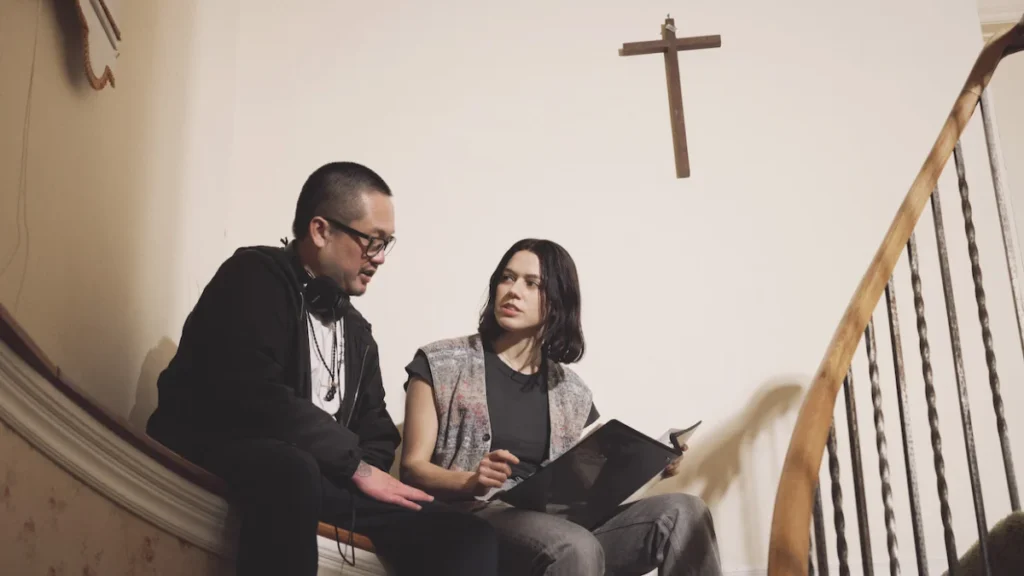
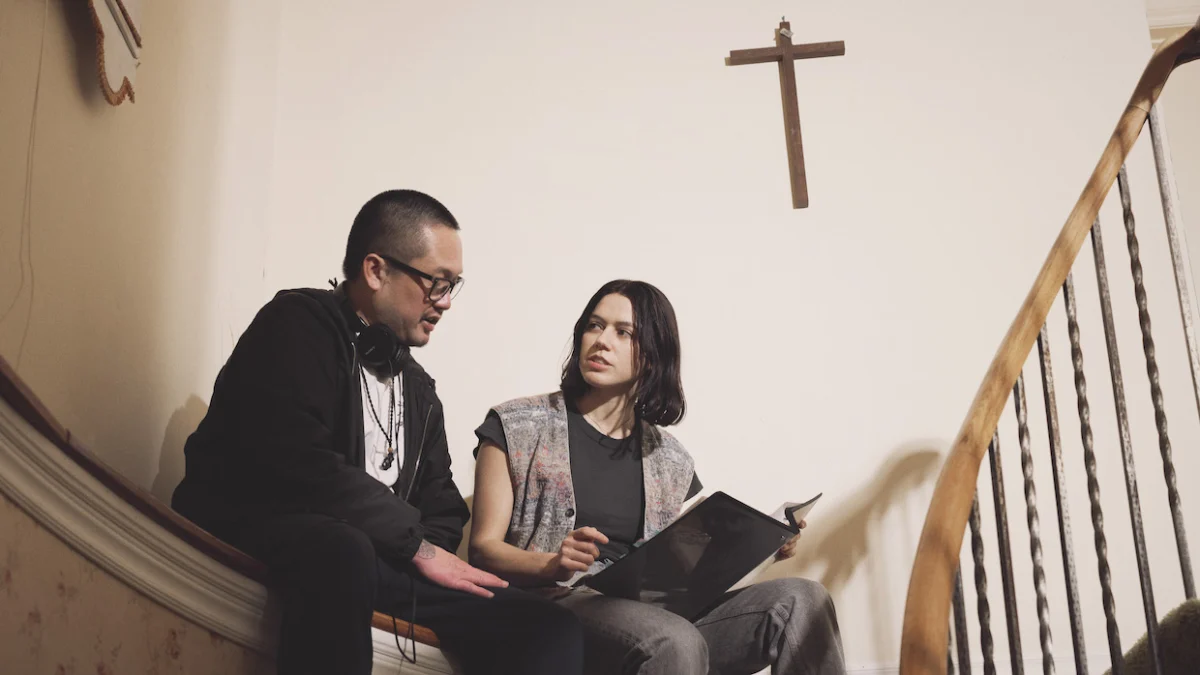
The production designer, Mercedes Coyle, played a crucial role in transforming this deeply personal space into the film’s unsettling set. She refitted the house with "overtly Catholic flourishes," including a litany of crucifixes, which serve to underscore the spiritual battle at the film’s core and the characters’ desperate search for protection. As Coyle meticulously worked to convert the family home into a horror film set, Tuason himself moved back in to prepare for production. This marked the first time he had resided in the house since his parents passed, an act of profound courage and emotional vulnerability that must have profoundly influenced the film’s atmosphere.
During this intense period, Tuason recounts instances of supernatural activity. "I could say that the set was haunted," he laughs, citing occurrences like lights flickering, mirroring phenomena depicted in the film. While he remains "tight-lipped" about the specifics, claiming it’s "too long of a story," his composure suggests an unusual level of desensitization. "I kind of got desensitized after the whole caregiving experience—how dark it was," he reflects. This harrowing personal journey, witnessing the slow decline of both his parents, fundamentally altered his perception of fear. "I used to be really scared of ghosts. If I saw a ghost now, I would just go back to sleep." This startling admission highlights the profound psychological impact of his caregiving experience, suggesting that the tangible horrors of human suffering had eclipsed any fear of the supernatural. The fact that he has since taken up permanent residence in his parents’ house post-shoot, with Coyle’s atmospheric touches still intact, lends a chilling authenticity to his claim, blurring the lines between the film’s narrative and his own lived experience.
The act of creating undertone became a profound, albeit delayed, form of catharsis for Tuason. He acknowledges the therapeutic power of confronting one’s anguish through art. "When I was writing it, I didn’t really feel the catharsis of everything," he admits. "Not until I saw it on screen. Filmmaking is therapeutic." This sentiment speaks to the broader human experience of processing grief and trauma through creative expression. For Tuason, the act of externalizing his pain, shaping it into a narrative, and finally witnessing it on screen provided a release that the initial writing process could not. It underscores how art can serve as a vital mechanism for healing, transforming personal suffering into a shared, resonant experience.
Future Horizons: Beyond ‘undertone’ and Horror
Ian Tuason’s burgeoning career shows no signs of slowing down. His passion for the Paranormal Activity franchise, which he cited as a perfect example of sound-driven horror, has led to a significant new opportunity. In December, it was officially announced that Tuason would be directing Paranormal Activity 8, placing him at the helm of a globally recognized horror series. This appointment is a testament to his distinct vision and his proven ability to craft effective, unsettling horror. Fans of the franchise will undoubtedly be eager to see how his unique approach to sound and psychological dread will revitalize the long-running series.
However, Tuason’s creative ambitions extend far beyond the confines of the horror genre. While he acknowledges his current momentum within horror, he has a clear trajectory for his future projects. "I’m gonna come out with a couple more horror films," he teases, indicating a strategic plan to further establish his brand within the genre. But this is merely a stepping stone. "After that, I’ll transition into sci-fi-horror. Then after that, sci-fi." This articulated progression mirrors the career paths of many acclaimed directors who started in genre films before expanding into broader cinematic landscapes. Directors like James Cameron, who began with Piranha II: The Spawning before revolutionizing sci-fi with The Terminator and Aliens, or Christopher Nolan, who honed his craft in thrillers before helming blockbusters like Inception and Interstellar, exemplify this ambition. If Tuason is undeniably possessed by one thing, it is this relentless creative ambition, promising an exciting and diverse filmography in the years to come.
As the interview drew to a close, a subtle, almost imperceptible sound momentarily shifted the atmosphere. Tuason, ever attuned to auditory nuances, paused to ask if something could be heard. The listener, momentarily caught in the psychological residue of undertone‘s themes, perceived a fleeting, demonic tenor in the ambient room tone. Tuason quickly clarified: "There’s a school next door and they’re having recess." He had been concerned the children’s playful shrieks might diminish the audio quality of their discussion, a detail that humorously underscored his constant preoccupation with sound fidelity. The listener, in fact, heard nothing amiss and felt a profound sense of relief, a testament to Tuason’s ability to manipulate perception, even in casual conversation. This final anecdote perfectly encapsulates Ian Tuason’s artistry: a profound understanding of how sound shapes experience, a keen ear for the unseen, and an innate ability to make audiences, and even interviewers, question what they truly hear and what lurks beneath the surface. His debut feature has not only delivered a chilling cinematic experience but has firmly established him as a director whose future endeavors, in horror and beyond, will be keenly watched.