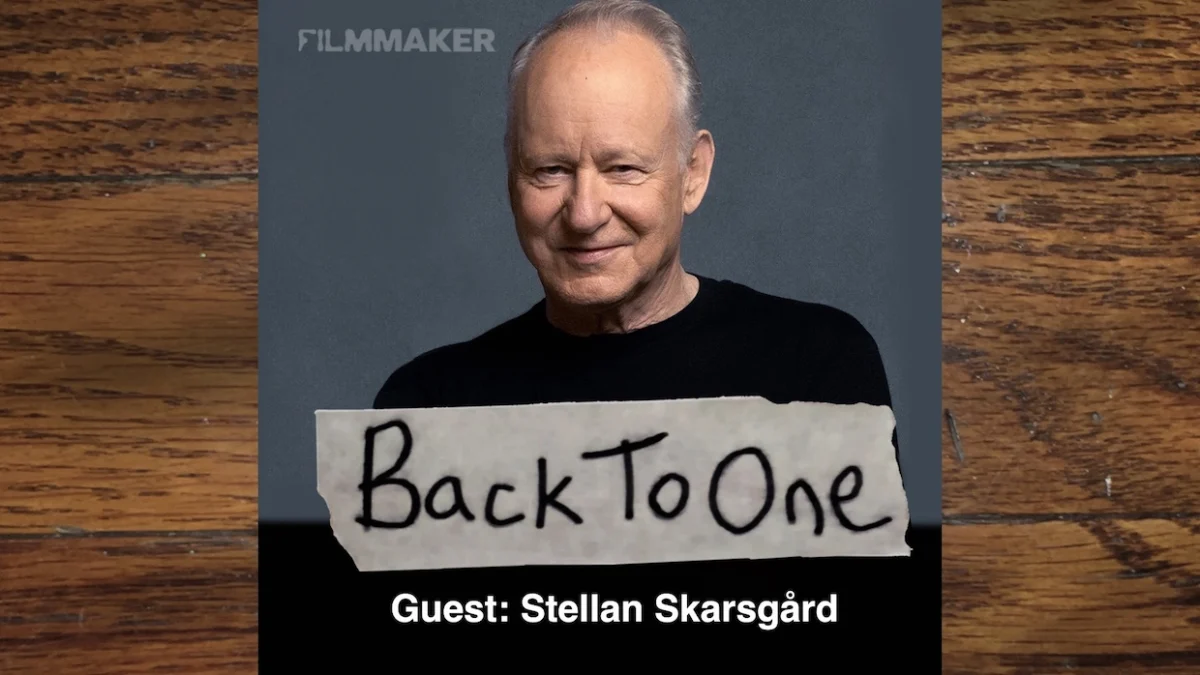
Celebrated Swedish actor Stellan Skarsgård recently offered an illuminating glimpse into his five-decade-spanning career and profound acting philosophy on the 382nd episode of the acclaimed podcast "Back To One." In an interview that delved deep into the nuances of his craft, Skarsgård articulated his approach to performance, notably characterizing himself as a "reactor" rather than a sole initiator, a perspective that underpins his remarkable versatility across European and Hollywood productions. His discussion touched upon critical collaborations, the deliberate "sabotage" of conventional tools, and the unwavering passion that has fueled his extensive body of work, providing invaluable insights for actors, filmmakers, and cinephiles alike.
Stellan Skarsgård: A Legacy of Diverse and Impactful Performances
Stellan Skarsgård’s journey in cinema commenced in Scandinavia, where he quickly rose to prominence through compelling performances that showcased his natural intensity and nuanced characterizations. His early career in Swedish films laid the groundwork for an eventual seamless transition to international cinema, a move solidified by his unforgettable role in Lars von Trier’s 1996 Palme d’Or-nominated drama, Breaking the Waves. His portrayal of Jan Nyman, a man left paralyzed after an oil rig accident, earned him widespread critical acclaim and served as his definitive international breakthrough. This performance, marked by its emotional rawness and psychological depth, demonstrated Skarsgård’s capacity to inhabit complex characters with authenticity and vulnerability.
Following Breaking the Waves, Skarsgård’s presence in Hollywood rapidly expanded. He garnered significant attention for his role as Professor Gerald Lambeau in Gus Van Sant’s 1997 drama Good Will Hunting, a performance that earned him a nomination for the Satellite Award for Best Supporting Actor. The film, which won two Academy Awards, including Best Original Screenplay for Matt Damon and Ben Affleck, solidified Skarsgård’s status as a formidable international talent capable of holding his own alongside Hollywood’s elite. His ability to seamlessly transition between independent art-house cinema and mainstream blockbusters became a hallmark of his career.
Over the subsequent decades, Skarsgård has built an unparalleled filmography, marked by an astonishing range. He delivered a chilling performance as Martin Vanger in David Fincher’s 2011 adaptation of The Girl with the Dragon Tattoo, a role that demanded a precise blend of menace and psychological complexity. More recently, his portrayal of Baron Vladimir Harkonnen in Denis Villeneuve’s Dune (2021) and Dune: Part Two (2024) showcased his transformative power, with the character’s grotesque physicality and calculating malevolence leaving an indelible impression on global audiences. Both Dune films have been critical and commercial successes, with the first installment grossing over $402 million worldwide and winning six Academy Awards, and its sequel garnering even greater acclaim and box office success, further cementing Skarsgård’s impact on high-profile productions.
Beyond the silver screen, Skarsgård has also made profound contributions to television. His role as Boris Shcherbina in the HBO miniseries Chernobyl (2019) earned him a Golden Globe Award for Best Supporting Actor – Series, Miniseries or Television Film, and an Emmy nomination. The series was lauded for its historical accuracy and dramatic intensity, winning ten Primetime Emmy Awards and two Golden Globes, with Skarsgård’s performance being singled out for its quiet dignity and moral complexity amidst unimaginable catastrophe. His more recent turn as Luthen Rael in the Disney+ Star Wars series Andor (2022-present) has captivated a new generation of fans, demonstrating his enduring ability to elevate genre material with gravitas and intricate character work. Andor has been critically celebrated for its mature storytelling and nuanced exploration of the Star Wars universe, contributing significantly to the franchise’s artistic resurgence.
"Back To One": A Deep Dive into the Actor’s Process

"Back To One," hosted by Peter Rinaldi, has established itself as a premier podcast for exploring the craft of acting. Unlike many celebrity interviews that focus on anecdotes or promotional material, "Back To One" dedicates itself exclusively to the work—the intricate processes, philosophies, and practical techniques employed by actors at the highest level. Rinaldi’s insightful questioning and deep understanding of performance allow guests to articulate their methodologies in a manner rarely seen in mainstream media. The podcast has garnered a dedicated following among industry professionals, acting students, and anyone with a serious interest in the art of performance, boasting hundreds of episodes featuring a diverse array of talent, from emerging artists to seasoned veterans. Industry analytics suggest "Back To One" consistently ranks among the top podcasts in the performing arts category, often drawing tens of thousands of listeners per episode and serving as an invaluable educational resource.
Skarsgård’s appearance on Episode 382 is particularly significant given his vast experience and unique approach. The podcast’s format, which encourages a thorough exploration of each guest’s individual process, provided the perfect platform for Skarsgård to unpack the philosophies that have guided his extraordinary career. This episode contributes to the podcast’s ongoing mission to demystify the acting process, revealing the intellectual rigor and emotional commitment required to consistently deliver impactful performances across diverse roles and genres.
Unpacking Skarsgård’s Acting Philosophy: The "Reactor" and Beyond
The core of Skarsgård’s discussion revolved around his self-identification as a "reactor." This concept suggests that his performances are often generated not from an internal, pre-conceived idea of a character, but from an active, present-moment engagement with his scene partners, the director’s vision, and the immediate environment of the set. "I’m a reactor," Skarsgård stated, implying a responsiveness and adaptability that allows him to absorb and reflect the energies around him, rather than imposing a rigid interpretation. This contrasts with more traditional "method acting" approaches, which often emphasize deep psychological immersion and character construction from the inside out. Skarsgård’s approach emphasizes organic interaction, suggesting that truth in performance often emerges from genuine, unforced reactions to external stimuli.
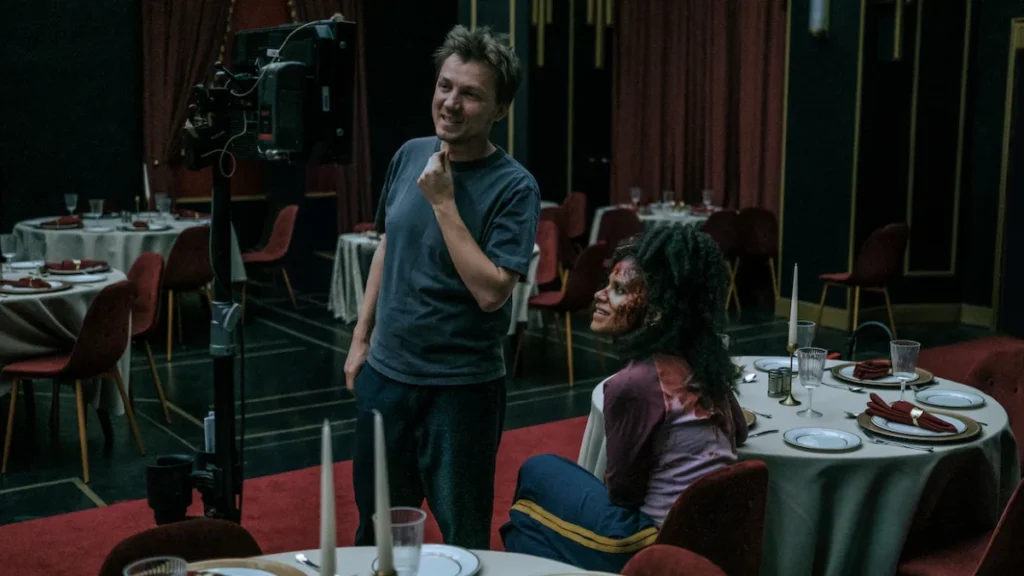
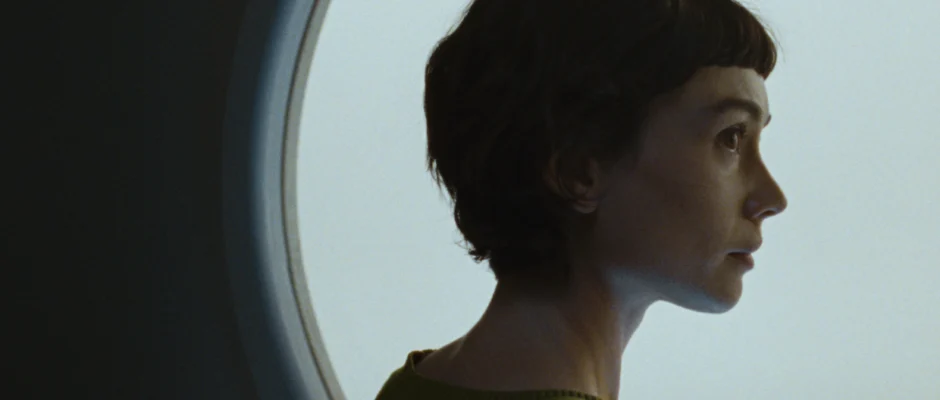
This philosophy was particularly evident in his latest work, Joachim Trier’s Sentimental Value. In the film, Skarsgård portrays Gustav, a once-prominent filmmaker grappling with fractured relationships with his daughters. Skarsgård elaborated on the supportive and creatively fertile environment fostered by Trier, characterized by "love, attention, and enthusiasm." This directorial approach, he explained, "laid the tracks for that work to travel," implying that Trier created a space where Skarsgård’s reactive method could thrive. Such an environment encourages actors to be present, to trust their instincts, and to allow the collaborative energy to guide their performances, resulting in work that feels authentic and deeply human. Sentimental Value is anticipated to be a significant entry in Trier’s acclaimed filmography, known for its intimate character studies and emotional resonance, and Skarsgård’s performance is already generating buzz for its profound depth.
Skarsgård further illuminated his process by discussing the importance of "sabotaging your tools." This intriguing phrase refers to a deliberate eschewal of overly rigid preparation or reliance on predictable acting techniques. By intentionally disrupting established routines or expectations, an actor can open themselves up to unexpected discoveries and more spontaneous, truthful moments. This "sabotage" is not about being unprepared, but rather about avoiding complacency and allowing for the unpredictable nature of human interaction to inform the performance. It encourages a playful yet rigorous approach, where the actor remains open to improvisation and the serendipitous unfolding of a scene.
Another critical aspect of Skarsgård’s professional ethos is his careful approach to a director’s vision. He emphasized his commitment to "not infect a director’s vision," highlighting the actor’s role as a collaborator rather than a sole artistic arbiter. This demonstrates a profound respect for the director’s overarching creative control and the importance of serving the collective narrative. For Skarsgård, successful collaboration involves understanding and amplifying the director’s intent while bringing his unique interpretative skills to bear within those parameters. This balance requires immense trust, clear communication, and a shared understanding of the project’s goals, elements that he has consistently cultivated throughout his career with directors ranging from Lars von Trier to Denis Villeneuve.
Navigating Emotional Agility and Enduring Passion

The conversation also touched upon the demanding nature of working with directors like David Fincher, known for his meticulous and often rigorous approach. Skarsgård spoke of the "emotional agility necessary" for such collaborations. This agility implies not only the ability to access and convey a wide range of emotions on cue but also the mental fortitude to endure multiple takes and precise adjustments, all while maintaining emotional authenticity. Fincher’s directing style, characterized by numerous takes and exacting standards, requires actors to maintain a high level of focus and emotional availability over extended periods. Skarsgård’s ability to thrive in such environments speaks to his discipline and profound mastery of his emotional instrument. His work in The Girl with the Dragon Tattoo, for example, involved navigating complex psychological terrain under intense directorial scrutiny, a testament to his "emotional agility."
Perhaps one of the most revealing statements from the interview was Skarsgård’s assertion that relief from being an "acting addict" does not interest him. This candid admission underscores a deep, almost compulsive, passion for his craft. It suggests that acting is not merely a profession but an intrinsic part of his identity, a continuous pursuit of understanding human experience and expressing it through performance. For many actors, the intensity of the work can lead to burnout or a desire for distance; however, Skarsgård’s perspective indicates an enduring fascination and commitment that transcends the transactional nature of the industry. This unwavering dedication is arguably a key factor in his longevity and the consistent quality of his performances across such a vast and varied career. It implies a perpetual state of learning, experimentation, and engagement with the art form, driven by an insatiable curiosity and love for the work itself.
Broader Implications for the Craft of Acting
Stellan Skarsgård’s insights from the "Back To One" podcast offer significant implications for the contemporary acting landscape. His "reactor" philosophy challenges the notion that acting must always stem from deep internal preparation, highlighting the power of presence, listening, and genuine responsiveness. In an era where authenticity is highly valued in storytelling, this approach provides a compelling alternative or complement to more introspective methodologies. For aspiring actors, Skarsgård’s perspective underscores the importance of being present and adaptable, emphasizing that performance is a dynamic interplay rather than a solitary endeavor.
Furthermore, his willingness to "sabotage his tools" encourages creative risk-taking and a rejection of formulaic approaches. This is crucial in an industry constantly seeking fresh perspectives and innovative performances. It advocates for a continuous process of unlearning and rediscovering, preventing stagnation and fostering genuine artistic growth. His respect for the director’s vision also serves as a vital reminder of the collaborative nature of filmmaking, emphasizing that an actor’s role is to contribute to a larger artistic whole, rather than to solely impose individual interpretations.
Skarsgård’s career, spanning over 50 years, stands as a testament to the effectiveness of his methodology. From groundbreaking European films to major Hollywood franchises and critically acclaimed television series, his ability to adapt, react, and imbue each character with unique depth has made him one of the most respected actors of his generation. The "Back To One" episode not only celebrates this extraordinary legacy but also provides a masterclass in the philosophy of a true artist dedicated to the enduring power of performance. His continued contributions, as seen in Sentimental Value and Dune: Part Two, confirm his status as an indispensable talent whose insights resonate deeply within the global filmmaking community.
The "Back To One" podcast, featuring Stellan Skarsgård, is available on all major podcast platforms, including Apple Podcasts, Google Play, and Spotify, and further updates and discussions can be found on its Instagram and Substack channels. The episode serves as a profound educational resource, offering a rare and intimate look into the mind of an acting legend, whose work continues to shape and inspire the world of cinema.