The Creators Guild of America (CGA), a leading professional organization dedicated to the interests of digital content creators, has officially announced the open beta launch of Mosaic, a groundbreaking credentialing platform designed to serve as the "IMDb of the creator economy." Led by Daniel Abas, the former arbitrations administrator for the Producers Guild of America (PGA), the initiative represents a significant leap forward in the professionalization of the digital media landscape. By providing a centralized, verified repository for work history, Mosaic aims to solve the long-standing issue of fragmented portfolios and unverified claims of expertise that have historically plagued the multi-billion-dollar creator industry.
For years, digital creators—ranging from solo influencers to large-scale production houses—have lacked a standardized method for documenting their professional contributions. While platforms like Instagram, LinkedIn, and YouTube allow for the display of finished products, they offer little in the way of verified credit for the various roles involved in a project’s lifecycle. A successful YouTube video, for instance, may involve writers, editors, thumbnail designers, and lighting technicians, yet these contributors often remain invisible to the public and potential employers. Mosaic seeks to rectify this by offering a digital resume that captures the "creative arc" of an individual’s career through granular, project-by-project credit attribution.
The Rising Necessity for Professional Infrastructure
The launch of Mosaic comes at a pivotal moment for the creator economy. According to recent market analysis by Goldman Sachs, the creator economy is currently valued at approximately $250 billion and is projected to nearly double to $480 billion by 2027. Despite this explosive financial growth, the industry has lacked the formal labor structures and standardized credit systems that define legacy media sectors like film and television. In Hollywood, organizations such as the Screen Actors Guild (SAG-AFTRA) and the Writers Guild of America (WGA) ensure that every contributor to a production is properly credited and compensated. Mosaic is positioned to bring that same level of rigor to the digital space.
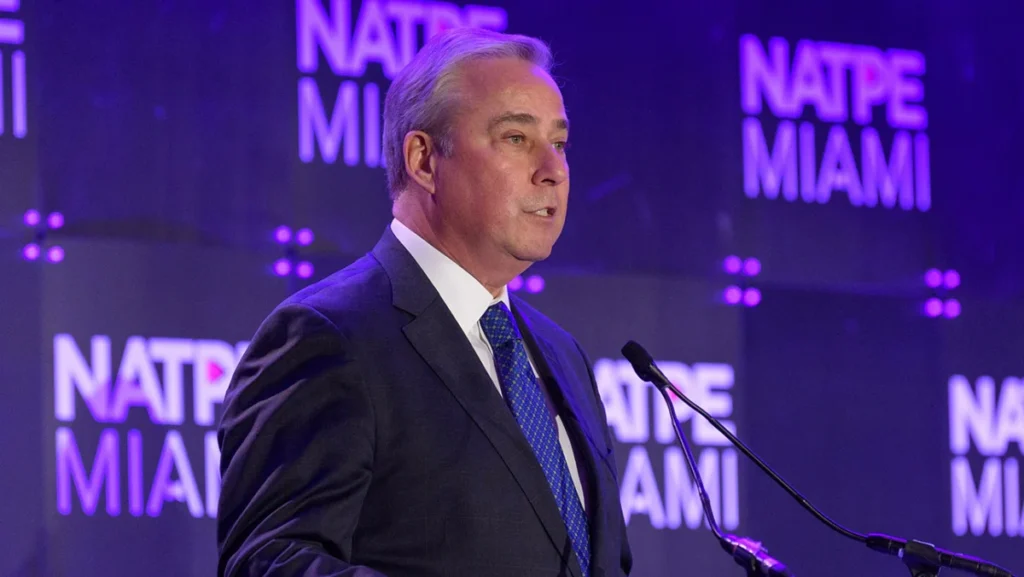
Daniel Abas, speaking on the launch, emphasized that without a formal infrastructure for credit, it is nearly impossible to provide the recognition creators deserve. "Creative work is very granular," Abas noted. "It’s project by project, hence the name Mosaic. When you put this work together, you can see someone’s complete creative arc." The platform is designed to handle the high-velocity nature of digital content, where a creator might produce several pieces of content per week, each involving different collaborators and brand partners.
The Mosaic Ecosystem: Verification and Standards
Central to the Mosaic platform is its commitment to authenticity and professional standards. Unlike social media profiles where anyone can claim involvement in a high-profile project, Mosaic employs a third-party verification system. Every credit submitted to the platform must be vetted by individuals with direct knowledge of the job. This process is governed by the CGA’s "professional eligibility standards," which were developed to distinguish professional-grade work from hobbyist content.

For an individual to receive a CGA-verified credit on Mosaic, they must meet specific criteria. For example, an influencer must demonstrate that they have been paid by a brand, agency, or platform, or maintain a paid subscriber base of at least ten people. These benchmarks are intended to create a baseline of professionalism that brands and agencies can rely upon when vetting talent for multi-million-dollar campaigns. By mirroring the arbitration and credit-determination processes used by the PGA, Mosaic provides a level of institutional trust that has been missing from the influencer marketing sector.
A Chronology of Creator Professionalization
The development of Mosaic is the latest step in a decade-long journey toward the formalization of the creator industry.
- 2010–2015: The rise of Multi-Channel Networks (MCNs) attempted to organize YouTube talent but often failed to provide transparent credit or fair labor practices.
- 2018–2021: The "Creator Economy" becomes a recognized financial asset class, with massive venture capital inflows into "link-in-bio" tools and monetization platforms.
- 2023: The Creators Guild of America is established to provide a non-profit, member-led organization focused on labor standards, advocacy, and professional development.
- Early 2024: The CGA begins a private beta for Mosaic, onboarding several thousand creators to test the platform’s scalability and verification engines.
- Tuesday, Late 2024: Mosaic enters open beta, making its tools available to the broader creator community and introducing the "Creator ID" system.
Safeguarding Identity Against Generative AI and Deepfakes
One of the most pressing challenges addressed by Mosaic is the rise of generative artificial intelligence and synthetic media. As deepfake technology becomes more sophisticated, creators face the dual threat of identity theft and the proliferation of "synthetic influencers"—AI-generated personas that compete for brand deals.
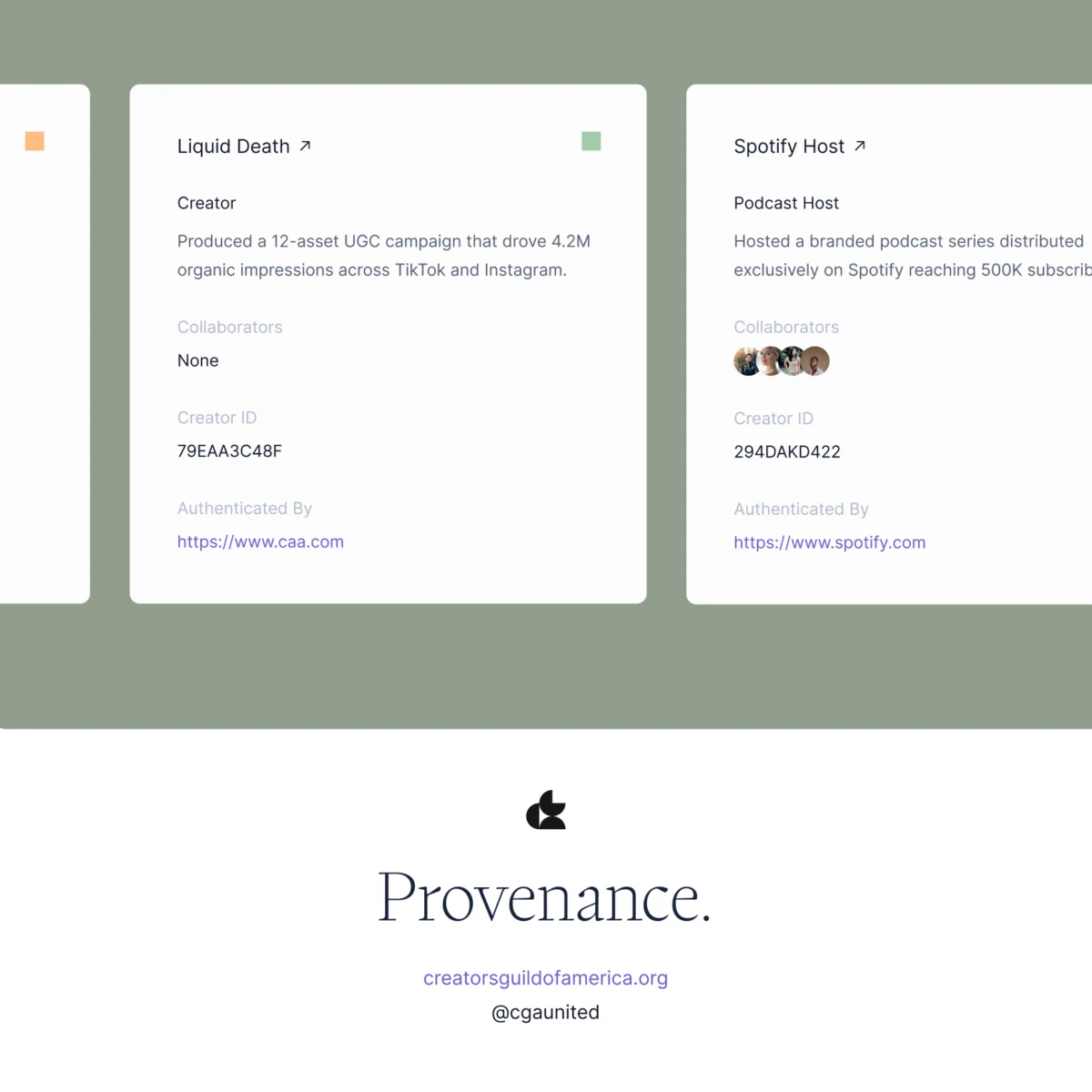
The platform introduces a unique Creator ID for each participant, which Abas compares to a driver’s license number. This persistent identifier remains constant even if a creator changes their social media handles or moves between platforms. More importantly, it serves as a safeguard against fraud. Because the CGA only verifies "human" creators for its members, the Creator ID provides a "human-in-the-loop" certification that brands can use to ensure they are working with real people rather than AI-generated clones.
Lifestyle creator Yanina Oyarzo highlighted the importance of this feature after her likeness was used without consent to promote products in 2023. "I’m excited for Mosaic because we need the protection it will bring," Oyarzo stated. "It’s about time we are able to be protected and work alongside AI with the right contracts and safeguards." By providing a verified link between a creator’s physical identity and their digital output, Mosaic creates a layer of "provenance" that is essential for legal and commercial security.
Empowering the Behind-the-Scenes Workforce
While much of the public focus in the creator economy remains on the "face" of the channel, Mosaic is equally focused on the "invisible" workforce. Content creator and CGA board member Justine Ezarik, known globally as iJustine, noted that the platform fills a "missing piece of the creator puzzle" by recognizing the writers, producers, and editors who bring content to life.

For these behind-the-scenes professionals, Mosaic serves as a vital career tool. In the past, if a creator deleted a video or a channel was deplatformed, the editors and producers who worked on that content often lost the primary evidence of their work. Mosaic’s independent database ensures that their professional history remains intact regardless of the status of the original content on social media platforms. This is expected to streamline the hiring process for agencies and production houses, who can now view a verified "filmography" for an editor or videographer before making a hiring decision.
Broader Industry Implications and the Future of Talent Acquisition
The introduction of Mosaic is likely to have ripple effects across the marketing and talent management industries. Currently, brand marketers often rely on third-party "influencer discovery" tools that scrape public data to estimate a creator’s reach and engagement. However, these tools rarely provide insight into a creator’s reliability, their history of brand collaborations, or the quality of their production team.
With Mosaic, the industry moves toward a "verified data" model. Talent agencies can use the platform to manage their rosters more effectively, while brands can conduct due diligence with higher confidence. Furthermore, the platform is free and open to all workers in the creator economy, though the prestigious "human verification" remains a perk of CGA membership. This tiered approach encourages broad adoption while maintaining a high-value tier for professional members.
As the industry continues to mature, the CGA envisions Mosaic becoming a universal standard. If a creator’s ID can be integrated into the metadata of their videos or social posts, it could create a transparent ecosystem where every view and every dollar can be traced back to the verified contributors. In an era where "truth" is becoming a rare commodity in digital media, Mosaic offers a foundation of accountability.
The open beta launch is just the beginning. The CGA plans to continue refining its verification algorithms and expanding its eligibility standards to include emerging roles in virtual reality, gaming, and podcasting. By bridging the gap between the wild west of social media and the structured world of professional entertainment, Mosaic is setting the stage for the next decade of the creator economy—one defined by transparency, protection, and well-earned credit.