The critically acclaimed Peaky Blinders universe is poised for an ambitious expansion, officially ushering its gritty narrative into a new decade with a highly anticipated sequel series. Following what has been described as the blockbuster debut of the recent feature film, Netflix and the BBC have jointly unveiled significant cast and story details for the forthcoming project, signaling a compelling new chapter in the saga of the Shelby family. The announcement confirms that the iconic legacy of the Birmingham gangsters is now entrusted to a fresh, yet formidable, generation, hinting at a future laden with both unprecedented opportunity and considerable peril.
A New Era for the Shelby Dynasty: Casting and Premise Revealed
As previously reported, the new Peaky Blinders project has already received a substantial two-season order, comprising two series, each consisting of six 60-minute episodes. This commitment underscores the confidence both broadcasters have in the franchise’s enduring appeal and its potential to captivate audiences for years to come. While the official title for the series remains under wraps, with internal references varying between "Peaky Blinders (Sequel): Season 1" and the more descriptive Peaky 1954, the core premise revolves around the introduction and rise of the next generation of the Shelby family.
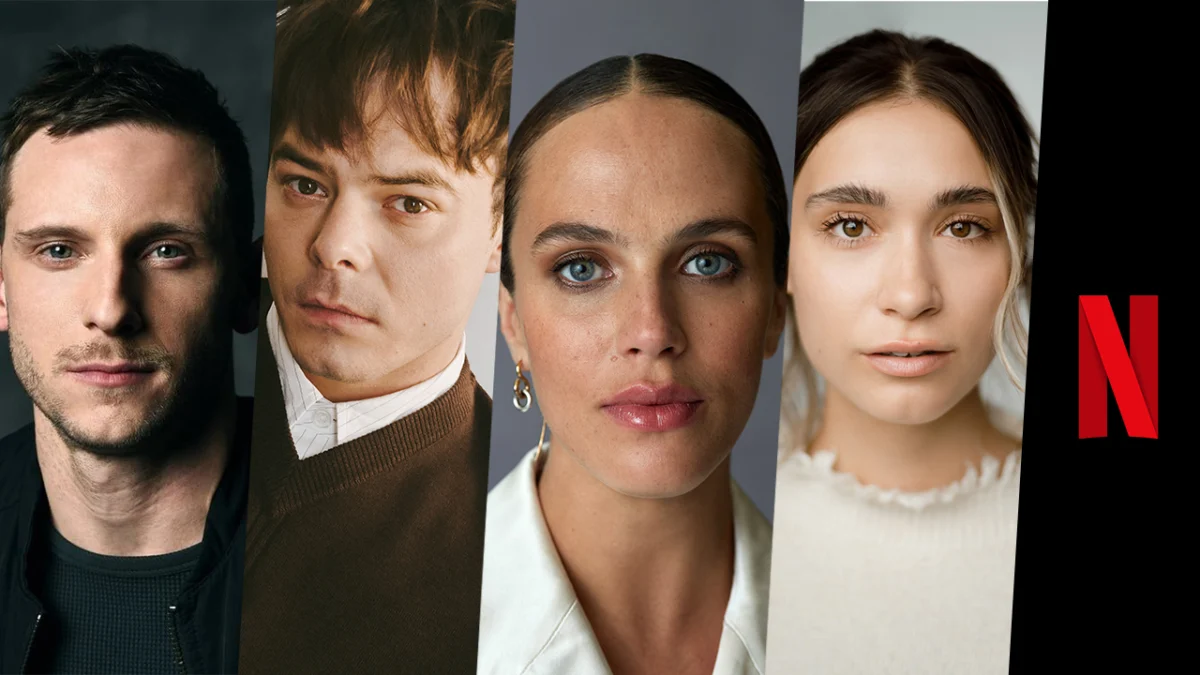
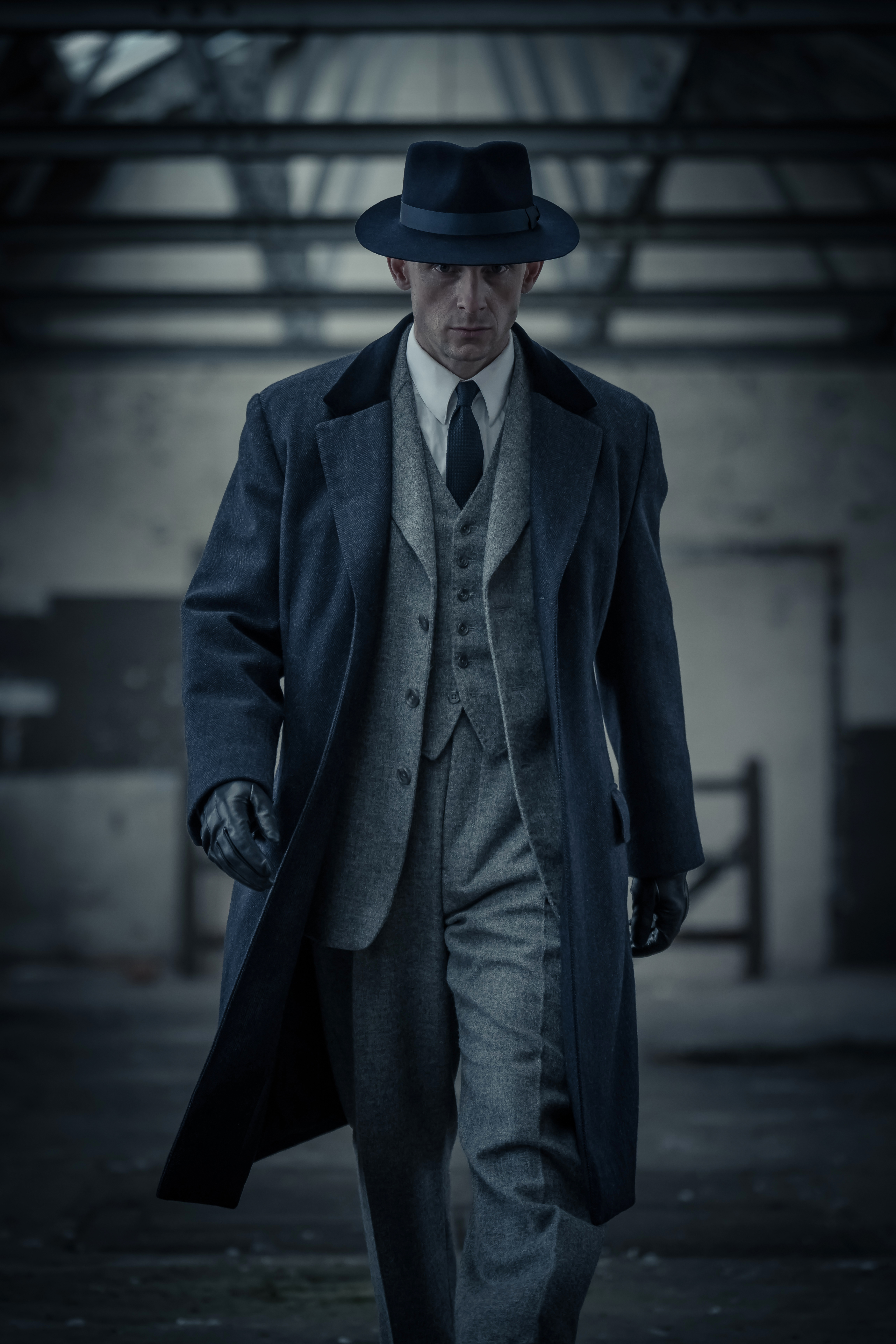
Taking on the pivotal role of Duke Shelby, the eldest son of the legendary Tommy Shelby, is BAFTA-winning actor Jamie Bell. Known for his transformative performances in films such as Billy Elliot, Rocketman, and more recently, All of Us Strangers, Bell brings a depth of talent and gravitas to a character destined to walk in his father’s formidable footsteps. Netflix has released a gritty first-look image of Bell in character, which strongly suggests Duke is prepared to inherit the dangerous mantle of leadership within the Shelby enterprise. The visual immediately conveys a sense of intensity and a clear nod to the stylistic hallmarks that defined the original series, assuring fans that the aesthetic and thematic integrity will be maintained.
Joining Bell in a co-leading capacity is Charlie Heaton, widely recognized for his role as Jonathan Byers in the global phenomenon Stranger Things. Heaton’s transition from the supernatural mysteries of the Upside Down to the grim realities of post-war Birmingham marks an exciting development for his career, offering him a chance to showcase his versatility in a period drama of immense scale. His involvement is expected to bring a fresh dynamic to the ensemble, as the new generation navigates the treacherous landscape of the 1950s.
The confirmed cast further includes Jessica Brown Findlay, celebrated for her roles in period dramas like Downton Abbey and Harlots, and Lashana Lynch, whose impressive credits include The Day of The Jackal and her groundbreaking turn as 007 in No Time to Die. Lynch’s casting, which was exclusively teased prior to this broader announcement, adds significant star power and an intriguing layer of mystery to the new series. Rounding out the initial wave of announcements is Lucy Karczewski, making her television debut after her work in Stereophonic. While specific details regarding their roles are being kept strictly confidential for now, the caliber of these actors suggests a rich tapestry of characters will populate this evolving universe. Insiders suggest that more exciting cast announcements are on the horizon, promising an even deeper roster of talent.
Chronology and Narrative Arc: A Leap into the Fifties
Series creator and writer Steven Knight, the visionary behind the entire Peaky Blinders saga, is spearheading this narrative leap into the 1950s. The new series will pick up a full decade after the events depicted in Peaky Blinders: The Immortal Man, the feature film that served as a bridge between the original television series and this new generational narrative. This ten-year gap allows for significant character development and a complete shift in the geopolitical and social landscape that will undoubtedly influence the Shelby family’s operations.

The official logline for the upcoming series paints a vivid picture of the challenges and opportunities awaiting the new generation: "In this new era of Peaky Blinders, a decade after World War Two, the race to rebuild Birmingham becomes a brutal contest of mythical dimensions. This is a city of unprecedented opportunity and jeopardy. At its blood-soaked heart is Duke Shelby (Jamie Bell): older, wiser, more ambitious, and most certainly more dangerous."
This synopsis highlights a critical turning point in British history. The 1950s were a period of immense social and economic change in the United Kingdom, as the nation grappled with the aftermath of World War II, rationing, and the beginnings of a new social order. The "race to rebuild Birmingham" implies a fierce competition for resources, influence, and control, providing a fertile ground for the kind of criminal enterprises that the Shelby family excels at. The characterization of Duke Shelby as "older, wiser, more ambitious, and most certainly more dangerous" suggests a deliberate evolution from his initial appearances in the original series, where he was introduced as Tommy’s illegitimate son, navigating a complex relationship with his powerful father and displaying a raw, untamed edge. His journey from the fringes to the "blood-soaked heart" of Birmingham’s underworld promises a compelling and intense character arc.
Steven Knight’s Vision and the Enduring Legacy
Steven Knight’s excitement for this new chapter is palpable. Speaking on the major casting news, Knight articulated his vision: "I am thrilled that we are announcing a new era of Peaky Blinders, moving the story to post-war Birmingham in the early 50s. We are incredibly fortunate to have Jamie Bell taking the role of Tommy Shelby’s oldest son, Duke, and to have the incredible Charlie Heaton also leading the cast. There are more exciting cast announcements to come, and Peaky is on the road again."
Knight’s unwavering commitment to the Peaky Blinders universe has been a cornerstone of its success. From its humble beginnings on BBC Two in 2013, the series rapidly ascended to global acclaim, transferring to BBC One and subsequently becoming a flagship international title for Netflix. Knight has consistently been the primary creative force, penning every episode and guiding the narrative through six compelling seasons. His decision to continue the story beyond Cillian Murphy’s iconic portrayal of Tommy Shelby, first with a feature film and now with a multi-season sequel series focusing on the next generation, speaks to the depth of his world-building and his belief in the longevity of the Shelby saga. This continuity under Knight’s creative leadership is a significant reassurance for long-time fans, ensuring that the thematic richness, sharp dialogue, and distinctive atmosphere of Peaky Blinders will be preserved.
Production Details and Global Distribution
Production for the new series is currently underway, with filming taking place in and around Digbeth Loc. Studios in Birmingham, a fitting location given the city’s central role in the Peaky Blinders narrative. Additionally, filming has also recently commenced in Stoke-on-Trent, indicating a broader geographical scope for the unfolding drama. These locations are integral to capturing the authentic post-war industrial landscape of the West Midlands.
The series is a collaborative effort, produced by Banijay UK’s Kudos, known for their work on critically acclaimed dramas such as SAS Rogue Heroes and House of Guinness, and Garrison Drama, the production company behind the original Peaky Blinders series (Seasons 1-6) and Peaky Blinders: The Immortal Man. This partnership ensures a blend of established expertise within the franchise and fresh production perspectives.
For fans in the United Kingdom, the series will maintain its traditional home, premiering on BBC One and available for streaming on BBC iPlayer. This continued commitment from the BBC highlights the series’ importance to the national broadcaster’s drama slate. Globally, Netflix will once again serve as the exclusive platform for the series, a strategy that has proven immensely successful in amplifying Peaky Blinders‘ international reach and cementing its status as a worldwide cultural phenomenon. This dual distribution model leverages the strengths of both platforms, ensuring both domestic loyalty and vast international accessibility.
Broader Implications: The Future of the Peaky Blinders Universe
The announcement of a multi-season sequel series, led by a new generation of actors and set a decade after the original narrative, carries significant implications for the future of the Peaky Blinders universe and the broader television landscape.
Firstly, it demonstrates the incredible resilience and adaptability of the franchise. Moving beyond its original protagonist, Tommy Shelby, while still retaining the core family dynamic, allows the story to evolve without becoming stagnant. This approach could serve as a blueprint for other long-running dramas seeking to extend their lifespan by focusing on new characters within an established, beloved world. The decision to pick up ten years after the film also implies that The Immortal Man successfully bridged the narrative gap and introduced elements that set the stage for Duke Shelby’s rise.
Secondly, the casting of Jamie Bell and Charlie Heaton as the new leads represents a strategic choice. Both actors possess established fan bases and critical acclaim, bringing fresh energy and a renewed sense of anticipation to the series. Bell’s experience in intense, character-driven roles makes him an ideal candidate to portray the complexities of a Shelby leader, while Heaton’s global recognition from Stranger Things will undoubtedly draw a significant youth demographic to the show. The inclusion of talents like Lashana Lynch and Jessica Brown Findlay further elevates the production’s prestige and promises diverse, compelling performances.
Thirdly, the shift to the 1950s offers fertile ground for new storytelling. The post-war era in Britain was a time of austerity, but also of burgeoning consumerism, changing social norms, and new forms of organized crime. This setting allows Steven Knight to explore themes of modernization, class struggle, and the lingering scars of war from a fresh perspective, potentially introducing new adversaries and challenges that differ significantly from those faced by Tommy Shelby in the interwar period. The "mythical dimensions" of Birmingham’s rebuilding suggest a grand scale for these new conflicts.
Finally, the continued partnership between the BBC and Netflix underscores the growing trend of co-productions in the global streaming era. For the BBC, it ensures that a premium British drama can compete on an international stage with the backing of a global distributor. For Netflix, it provides exclusive access to a highly successful and culturally significant intellectual property, reinforcing its commitment to high-quality, internationally appealing content. This symbiotic relationship benefits both entities and, crucially, delivers compelling drama to audiences worldwide.
The expansion of the Peaky Blinders universe into the 1950s with a new generation of Shelbys, led by a strong cast and guided by its original creator, signifies a bold and exciting future for one of Britain’s most successful television exports. Fans eagerly await the unfolding of Duke Shelby’s story and the next chapter in the infamous family’s dangerous legacy.