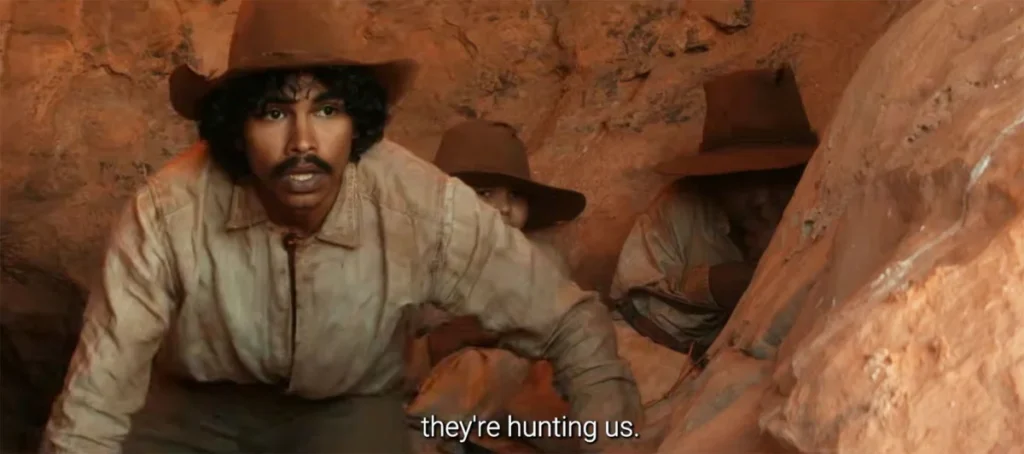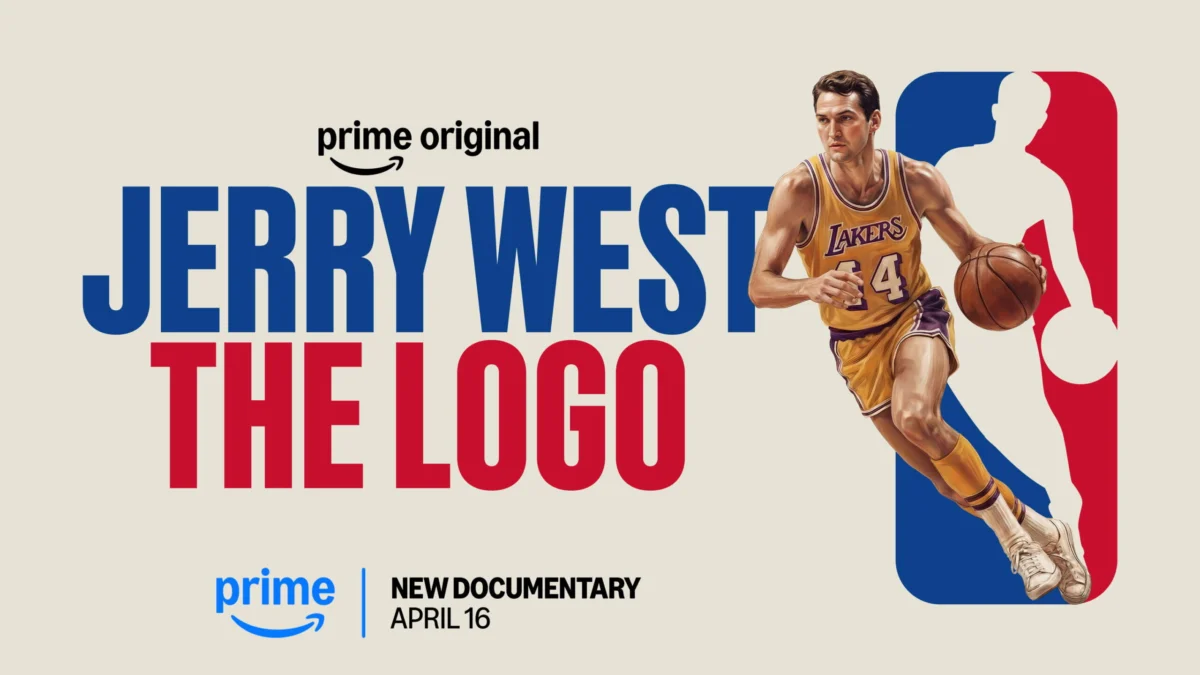
Prime Video has officially released the first trailer for the upcoming documentary feature Jerry West: The Logo, a comprehensive cinematic exploration of the life and legacy of one of the most influential figures in the history of professional basketball. Scheduled for a global streaming debut on April 16, 2026, the film aims to provide a definitive account of the man whose physical likeness has served as the global brand identity of the National Basketball Association (NBA) for over half a century. Directed by Kenya Barris, the documentary transitions from a traditional sports biography into a deeply personal study of the psychological toll of elite performance and the relentless pursuit of athletic and executive excellence.
The documentary arrives at a significant moment in sports history, serving as a posthumous tribute and a final reckoning for a man who defined multiple eras of the game. Through a series of final, candid interviews conducted before his passing, West provides a rare glimpse into the internal conflicts that haunted him despite a career defined by unparalleled success. The production features a wide array of high-profile contributors, including NBA legends Michael Jordan, Magic Johnson, Kareem Abdul-Jabbar, Shaquille O’Neal, Stephen Curry, and Kevin Durant, as well as current NBA Commissioner Adam Silver. These testimonials are bolstered by intimate accounts from West’s wife and children, offering a multifaceted view of a figure who was often as enigmatic as he was iconic.
The Architecture of a Legend: On-Court Dominance
To understand the gravity of the documentary, one must first examine the statistical and cultural foundation of Jerry West’s career. Born in Chelyan, West Virginia, in 1938, West’s journey from a small-town upbringing to the pinnacle of professional sports is a central theme of the film. During his 14-season playing career with the Los Angeles Lakers (1960–1974), West established himself as one of the most prolific guards in the history of the sport.
West was a 14-time NBA All-Star, earning the selection in every single year of his professional career. He was a 10-time member of the All-NBA First Team and a four-time member of the NBA All-Defensive First Team. Perhaps most notably, West remains the only player in NBA history to be named the NBA Finals Most Valuable Player (MVP) while playing for the losing team, a feat he achieved in 1969. This specific accolade serves as a narrative pivot in the documentary, illustrating the "perfectionist’s curse" that West carried; despite his individual brilliance, the pain of Finals losses—particularly to the Boston Celtics—left deep psychological scars that the film explores in detail.
West eventually secured an NBA championship as a player in 1972, a season in which the Lakers set a then-record 33-game winning streak. He retired with career averages of 27.0 points, 6.7 assists, and 5.8 rebounds per game. However, as the documentary highlights, these numbers were never sufficient to satisfy West’s internal drive.

The Silhouette: The Origin of the NBA Logo
A significant portion of the film is dedicated to the history of the NBA logo itself, an image so ubiquitous that it has become synonymous with the sport of basketball worldwide. In 1969, the NBA commissioned Alan Siegel of the brand identity firm Siegel+Gale to design a new logo. Siegel, seeking to capture the dynamism and elegance of the game, found inspiration in a photograph of Jerry West captured by Wen Roberts.
The resulting silhouette—a white figure dribbling a ball against a blue and red background—was introduced in 1971. For decades, the NBA did not officially acknowledge that West was the inspiration for the logo, partly to avoid the legal and branding complications of tying the league’s identity to a single individual. The documentary examines West’s complicated relationship with this "immortality." Despite the honor, West frequently expressed a sense of embarrassment or a desire for the logo to be changed, reflecting his career-long struggle with being the center of attention.
Transition to the Front Office: Building Dynasties
While many sports documentaries focus solely on playing days, Jerry West: The Logo provides equal weight to West’s transition into team management and executive leadership. Following his retirement as a player, West served as the head coach of the Lakers for three seasons before moving into the front office. As the General Manager of the Los Angeles Lakers, West became the architect of the "Showtime" era in the 1980s.
His keen eye for talent led to the acquisition of James Worthy and the continued success of the Magic Johnson and Kareem Abdul-Jabbar partnership, resulting in five NBA championships during that decade. The film details the strategic maneuvers that defined his executive tenure, most notably the 1996 off-season in which he traded for the draft rights to a high-school prospect named Kobe Bryant and signed free-agent center Shaquille O’Neal. This move laid the groundwork for a three-peat championship run from 2000 to 2002.
The documentary further traces West’s influence through his time with the Memphis Grizzlies, where he was named NBA Executive of the Year for a second time, and his later roles as a consultant for the Golden State Warriors and the Los Angeles Clippers. His contribution to the Warriors’ dynasty—specifically his insistence on keeping Klay Thompson during trade negotiations—is cited by many in the film as a masterclass in executive foresight.
The Psychological Portrait: The Price of Greatness
The most distinct element of this documentary, as indicated by the trailer and production notes, is its unflinching look at West’s mental health. West was one of the first major sports icons to speak openly about his lifelong battle with depression, a topic he first broached in his 2011 memoir, West by West: My Charmed, Tormented Life.

Director Kenya Barris utilizes West’s final interviews to delve into the "darkness" that fueled his competitive fire. The film posits that West’s inability to accept failure was both the source of his greatness and the cause of significant personal suffering. Interviews with his family members reveal the strain his obsession with winning placed on his domestic life. The documentary frames West not just as a sporting hero, but as a cautionary figure regarding the cost of total devotion to a craft.
The inclusion of insights from Michael Jordan and Stephen Curry provides a peer-level perspective on this obsession. These athletes discuss the shared burden of expectations and the isolation that often accompanies reaching the pinnacle of a profession. The film asks a central, difficult question: Is the legacy of "The Logo" worth the personal price West paid?
Production and Creative Direction
Jerry West: The Logo marks a notable shift for director Kenya Barris. Known primarily for his work in scripted comedy and social commentary—including the Peabody Award-winning series Black-ish and the film You People—Barris brings a contemporary lens to this historical retrospective. The film is produced by Barris and Jamie Nelsen under the Khalabo Ink Society banner, in collaboration with Susana Santiago of Propagate Content.
The executive production team is a robust group of industry veterans, including Mychelle Deschamps, Hale Rothstein, Ben Silverman, Howard T. Owens, Drew Buckley, Isabel San Vargas, Linh Le, Steven Leckart, and E. Brian Dobbins. The high production value evident in the trailer suggests a stylistic approach that blends archival 16mm footage with modern, high-definition cinematography for the contemporary interviews.
Broader Impact and Industry Context
The release of Jerry West: The Logo on Prime Video is part of a broader trend in the streaming industry toward high-end, prestige sports documentaries. Following the massive success of projects like The Last Dance, streaming platforms have recognized a significant global appetite for deep-dive explorations of sports legends that go beyond the box score.
For the NBA, the documentary serves as a vital piece of historical preservation. As the league continues to expand internationally, the story of Jerry West provides a bridge between the foundational years of the 1960s and the modern, superstar-driven era. The film also reinforces the NBA’s brand identity, humanizing the silhouette that appears on every piece of official merchandise.

Analysis of Implications
The documentary is expected to spark renewed conversation regarding the modernization of the NBA logo. In recent years, there have been various social media campaigns and petitions to change the logo to honor more contemporary figures, such as Kobe Bryant. However, by highlighting the depth of West’s contribution as both a player and an executive, this film may solidify the argument for maintaining the current silhouette as a tribute to the man who influenced the game for over six decades.
Furthermore, the film’s focus on mental health aligns with the NBA’s modern initiatives regarding player wellness. By showing that even "The Logo" struggled with internal demons, the documentary contributes to the ongoing destigmatization of mental health issues within professional sports.
Jerry West: The Logo appears poised to be more than a sports documentary; it is a study of the American Dream and its various complexities. When it premieres on April 16, 2026, audiences will be invited to look past the iconic silhouette and engage with the complicated, brilliant, and often tormented man who earned the right to be called the face of basketball. For fans of the sport and students of human psychology alike, the film promises an essential exploration of what it means to be a legend in the modern age.