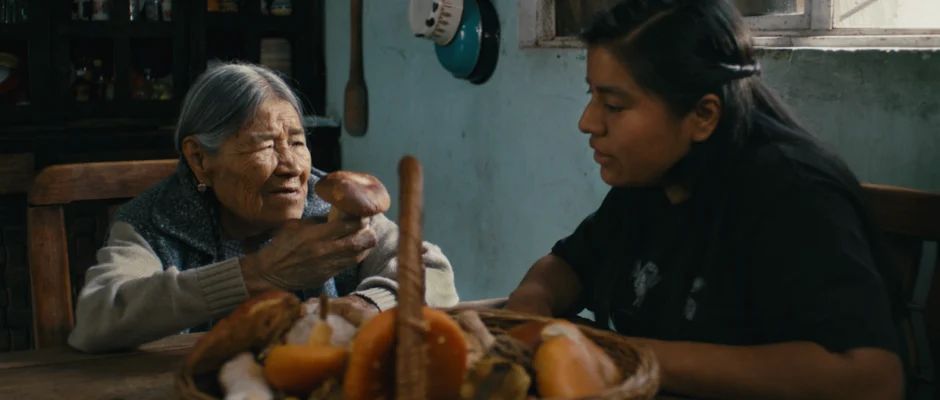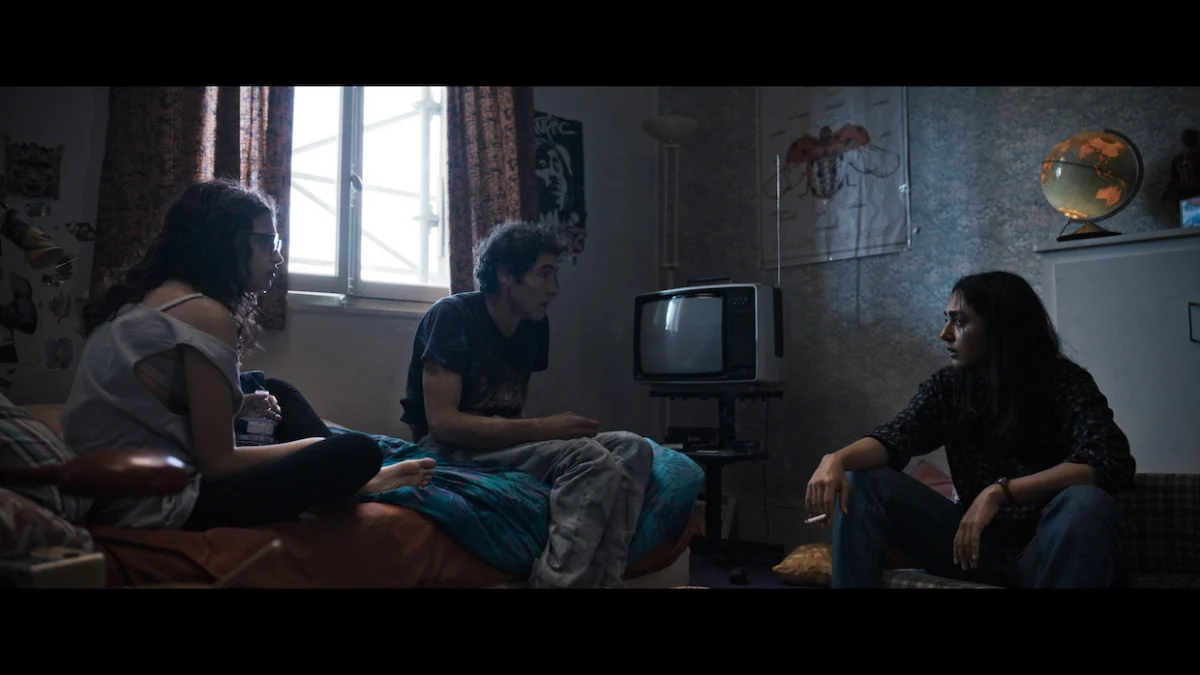
French writer-director Julia Ducournau, renowned for her visceral and critically acclaimed body horror films Raw (2016) and the Palme d’Or-winning Titane (2021), presents her third feature, Alpha, a work she describes as "a very grounded family drama." This statement, shared with filmmaker Robert Eggers in a candid interview ahead of the film’s March 27 release via NEON, has sparked considerable discussion among critics and fans alike, many perceiving Alpha as a significant departure from her established oeuvre. Ducournau, however, views it not as a shift, but a continuous excavation of core themes that have always underpinned her narratives, particularly the multifaceted nature of love and human connection.
A Thematic Continuum: Love and the Human Condition
Despite the perceived tonal evolution, Ducournau asserts a deep continuity in her artistic pursuit. "To me it’s not really a shift," she explains, "though I completely understand why it might feel like one to audiences who’ve seen my previous films. There’s a continuity in what I’m trying to do—I keep digging deeper, in a continuous movement, into the same themes." Central to this ongoing exploration is the dissection of love: its meaning, its various forms, and its capacity to forge unbreakable bonds, even between strangers. In Alpha, this manifests in the burgeoning relationship between the titular 13-year-old and her estranged uncle, Amin, characters who initially harbor mutual aversion. The film meticulously charts their journey toward a profound understanding, echoing the unconventional expressions of love found in Titane.
Ducournau’s previous works, while steeped in grotesque and unsettling imagery, consistently probed the boundaries of identity, family, and belonging. Raw explored inherited desires and the primal instincts of a young woman’s awakening, while Titane presented an extreme, almost mythical, take on adoptive kinship and transformation. Alpha now offers a more intimate, yet equally intense, examination of familial ties, drawing directly from the filmmaker’s own upbringing and experiences. The raw, emotional honesty Ducournau brings to this narrative underscores her courage in confronting deeply personal anxieties, notably her past reluctance to overtly articulate "I love you" in her scripts—a barrier she intentionally sought to dismantle with Alpha.
A Mirror to History: The AIDS Epidemic in France
Alpha is set against the backdrop of a fictional public health crisis that eerily mirrors the AIDS epidemic, which ravaged France particularly severely throughout the 1980s and 1990s. This historical context is vital to understanding the film’s emotional weight and social commentary. The AIDS crisis in France, like in many Western countries, was characterized by widespread fear, misinformation, and devastating social stigma, disproportionately affecting the LGBTQ+ community and intravenous drug users. Patients were often ostracized, their care neglected, and their deaths shrouded in shame. Medical staff, despite their dedication, often faced immense pressure and public anxiety surrounding infection.
Ducournau’s fictional virus, which causes organic tissue to bizarrely morph into marble and blood into red sand, serves as a powerful metaphor for the dehumanization and alienation experienced by those living with AIDS. The film vividly portrays a quarantined hospital ward where patients, predominantly queer men and addicts, are treated with disdain, their meals "forgotten," and their vital signs ignored for hours. This neglect, born of an irrational fear of mere physical contact, directly evokes the real-life prejudices and systemic failures that marked the AIDS era. Alpha’s mother, a compassionate doctor (played by Golshifteh Farahani), stands as a beacon of empathy in this environment, her dedication highlighting the stark contrast with the prevailing indifference. The narrative deepens as Alpha’s uncle, Amin (Tahar Rahim), a chronic heroin user, becomes one of these patients, having lived with the disease for years. When Alpha receives a crude stick-and-poke tattoo, her mother’s paranoia about her daughter’s potential fate mirroring her estranged brother’s ignites the central familial conflict, compelling the three to co-exist under one roof. The converging timelines of past and present effectively illustrate the profound mental and emotional toll exacted by repressed grief and societal prejudice.
Casting and Authentic Portrayals
Ducournau’s casting choices for Alpha are deliberate and reflect her commitment to nuanced, grounded performances. For the roles of Alpha’s mother and uncle, she specifically wrote with Tahar Rahim and Golshifteh Farahani in mind, both acclaimed actors with significant international recognition. Ducournau admired not only their acting prowess but also their public personas, particularly Farahani’s vocal activism for women’s rights and Rahim’s brave engagement and physical approach to character. This alignment between the actors’ real-world integrity and their cinematic portrayals undoubtedly contributes to the film’s authentic emotional core.
The casting of Mélissa Boros as Alpha presented a different set of considerations. Ducournau made a conscious decision not to cast an actual minor for the role of the 13-year-old protagonist, deeming the subject matter, especially the themes of nascent sexuality and disease transmission, too dark for a young actor. Instead, she sought young women who could convincingly read as younger than their age, but found an unexpected fit in Boros, who was nineteen during filming. Boros, neither a trained ballerina nor an experienced actress, brought a natural "awkwardness" and "quirkiness" that resonated with the director’s vision of a teenager grappling with a rapidly changing body and an unsettling world. This strategic choice allowed for a more mature exploration of the character’s vulnerability and the complexities of her coming-of-age experience without compromising ethical considerations.

The Director’s Craft: Organic Process and Visual Storytelling
Ducournau’s directorial methodology, particularly her approach to rehearsals and visual design, further distinguishes Alpha. In contrast to Robert Eggers’ meticulously blocked and dialogue-focused rehearsal process, Ducournau favors an organic, fluid approach. She refrains from formal blocking rehearsals, believing that the way characters move within a space should emerge naturally from their interactions and emotional states. This philosophy is especially crucial when depicting physical transformations, such as Tahar Rahim’s marbleization in Alpha. Ducournau aims for the actor to genuinely "appropriate the new body, to experience the pain and the new feelings that come with it, and to work with it on set in real time," rather than imposing a predetermined physical grammar. This attunement to the actors’ daily physical and emotional states allows for a dynamic, responsive filmmaking process.
However, Ducournau is precise when it comes to choreographed sequences, such as the scene where Alpha’s mother finds Alpha and Amin sleeping in sync. Such moments, akin to a dance, demand meticulous pre-rehearsal. Beyond these specific instances, her process heavily relies on extensive dialogue with her actors, fostering an intimate relationship built on trust and a shared understanding of the film’s thematic explorations. This collaborative spirit, as exemplified by her close work with Tahar Rahim, ensures that performances are deeply felt and authentically rendered.
The striking visual motif of marbleized bodies is central to Alpha‘s aesthetic and thematic impact. Ducournau conceived this imagery simultaneously with the film’s initial idea, seeing marble as a "noble material, traditionally used to depict those who are elevated above us—saints, kings, the figures in cathedrals." By applying this material to individuals deemed "lesser" by society, she aims to elevate their lives and deaths, to "reveal them, to show respect for their journey, and in a way to memorialize them." This choice deliberately subverts the typical sensationalism of body horror, instead fostering empathy and preventing the audience from perceiving the patients as "other." The aesthetic beauty of the marbleization, while a potential "conundrum" for Ducournau regarding subjective interpretation, ultimately serves to humanize the suffering, a core intention in a film dealing with such sensitive subject matter. The innocent, unjudgmental gaze of Alpha, finding beauty in the afflicted, becomes the film’s moral compass, overriding any directorial imposition of aesthetic judgment.
Influences Beyond the Screen
While David Cronenberg’s cinema has undeniably shaped Ducournau’s early artistic education, her primary influences extend far beyond filmmaking. She and her long-time Director of Photography frequently draw inspiration from paintings and photography, exchanging references and visiting museums to discuss light and composition. Artists like Winslow Homer, with his "freakishly modern" use of light in 19th-century beach scenes, provide a blueprint for challenging conventional focus and creating unexpected visual effects. Francis Bacon’s raw, distorted figures, Robert Mapplethorpe’s stark, often provocative photography, Frida Kahlo’s deeply personal and symbolic self-portraits, and Louise Bourgeois’s explorations of the body, trauma, and domesticity are recurring touchstones. These visual artists offer Ducournau a rich vocabulary for expressing complex emotional and psychological states, allowing her to transcend purely cinematic references and forge a unique visual language.
The Writer’s Solitude and the Sculptor’s Precision
Ducournau openly describes the screenwriting process as "ninety-eight percent despair and chaos—no hope, no glory—and two percent ecstasy." This "lonely process," she explains, is alienating, consuming thoughts even when not actively writing. Originally aspiring to be a screenwriter, she found directing to be an organic extension of writing, with the camera becoming a tool to continue shaping the narrative. For her, the entire filmmaking journey, from script to post-production, is a continuous act of "sharpening" the story’s intention, likening it to sculpting a rough rock. This iterative process means that the finished film rarely perfectly resembles the initial script; something must "transcend" through the myriad choices made along the way.
This dedication to her vision is exemplified by her fervent defense of the "lunch scene" in Alpha. Despite producers viewing it as narratively superfluous and costly, Ducournau fought passionately for its inclusion. For her, the scene was "essential," offering a deep dive into the family’s dynamics: their denial of history, the operation of taboo, and the chaotic blend of bickering, love, yelling, and laughter. This scene is deeply personal, reflecting her own childhood experiences in a French-Algerian household, where communication transcended language barriers through an almost "animal" understanding of emotions. The scene explores how one finds their place within a complex, matriarchal family unit and grapples with the concept of "elected family"—the conscious, daily choice to maintain bonds, blending blood ties with chosen connections.
Broader Impact and Legacy
With Alpha, Julia Ducournau solidifies her position as a singular voice in contemporary cinema, challenging genre conventions and pushing the boundaries of storytelling. Her ability to infuse even the most extreme narratives with profound emotional depth and intellectual rigor sets her apart. The film’s exploration of love, grief, and identity against the backdrop of a public health crisis offers timely resonance, inviting audiences to reflect on historical prejudices and the enduring power of human connection. The NEON release ensures broad distribution, allowing Alpha to reach a wider audience and continue the critical dialogue around Ducournau’s evolving artistry. By courageously delving into personal history and universal themes with uncompromising vision, Ducournau not only enriches the landscape of independent cinema but also continues to redefine what is possible within the realm of the "grounded family drama."