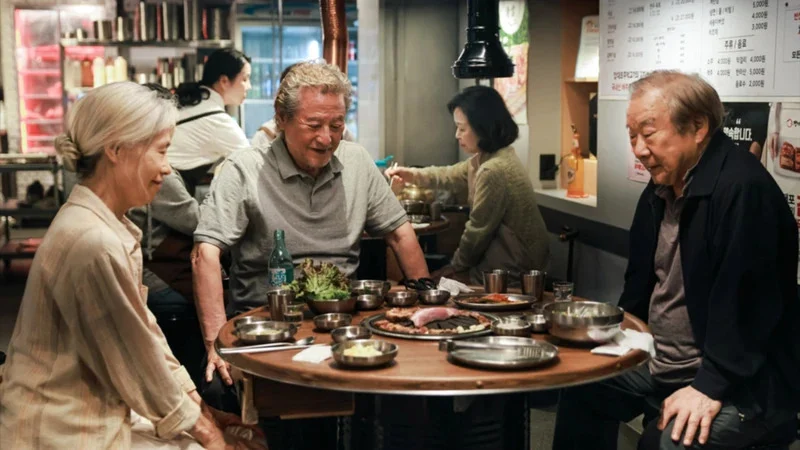
The house lights slowly brightened, casting a gentle glow over the hushed auditorium. A palpable silence lingered in the air, a testament to the profound impact of Lee Kwang-kuk’s Beautiful Dreamer, which had just concluded its international premiere. For several moments, the audience remained seated, some discreetly dabbing at tears, others lost in contemplation, still deeply immersed in the film’s narrative. This scene, marked by quiet reflection and emotional resonance, was a recurring motif throughout the 32nd edition of the Vesoul International Film Festival of Asian Cinemas, where Korean cinema not only featured prominently but also left an indelible mark on attendees.
Held from January 27 to February 3, the festival showcased an impressive lineup of eight films from the Republic of Korea, often referred to as the "Land of the Morning Calm." Among these, three made their debut on the international stage: Beautiful Dreamer in its international premiere, Cherin Lee’s My Old Me celebrating its world premiere, and Park Huiju’s Welcome Home Freckles making its first appearance in France. This significant representation underscores the growing global appeal and artistic vitality of Korean filmmaking. Jean-Marc Thérouanne, general delegate and co-founder of the festival, affirmed this sentiment, stating, "It’s a strong signal for Korean cinema and its reach among audiences—it shows once again that it appeals." The festival’s enduring commitment to spotlighting diverse voices from Asia has consistently positioned it as a crucial platform for emerging and established talent alike.
A Legacy of Asian Cinema: The Vesoul Festival’s Enduring Vision
The Vesoul International Film Festival of Asian Cinemas, established in 1995 by Martine and Jean-Marc Thérouanne, has carved out a unique and esteemed niche in the global film circuit. Over its three decades, the festival has remained steadfast in its mission: to introduce French and European audiences to the rich tapestry of Asian cinema, spanning a vast geographical and cultural spectrum from the Middle East to the Far East. Unlike larger, more commercially driven festivals, Vesoul prides itself on its intimate atmosphere and its dedication to discovery, often featuring films that might otherwise struggle to find distribution in the West. This commitment has fostered a loyal following, drawing cinephiles, critics, and industry professionals to the quiet city in Eastern France each year. The 32nd edition continued this tradition, offering a meticulously curated program designed to challenge perceptions, spark dialogue, and celebrate the artistry of Asian filmmakers. Its longevity and consistent focus on Asian narratives have made it a vital cultural bridge, solidifying its reputation as a gateway for the region’s cinematic voices.
The Power of Narrative: Tackling Difficult Themes with Accuracy

The discussions that erupted in the cinema hallways immediately following the screening of Beautiful Dreamer underscored the film’s provocative depth. Despite it being lunchtime, no one seemed eager to break away from the animated debates. Questions flew, theories were passionately exchanged: "Is the main character dead? Did she commit suicide?" Each viewer brought their unique perspective, enriching the collective understanding, as attendee Sophie observed, "Each viewer brings their own perspective, and sometimes you notice details you hadn’t thought of."
Lee Kwang-kuk, the film’s director, visibly surprised yet pleased by the fervent discussions, shared his thoughts shortly after the screening. "I didn’t expect viewers to reflect so much and come up with such different interpretations," he admitted with a smile. For Lee, however, this engagement is precisely the purpose of his art. "That’s why I make films—to make people think, to address difficult themes." This approach is not new to his oeuvre; as early as 2012, his film Romance Joe delved into themes of loneliness and malaise. With Beautiful Dreamer, Lee takes an even bolder step, directly confronting the sensitive and pervasive issues of death and suicide. He explained the grim reality behind his thematic choice: "It’s the leading cause of death in Korea. Social pressure is very strong, and the school and professional systems are extremely competitive." This societal context provides a poignant backdrop for his narrative, offering a cinematic exploration of a critical public health issue.
A Broader Lens: Social Commentary in Korean Cinema
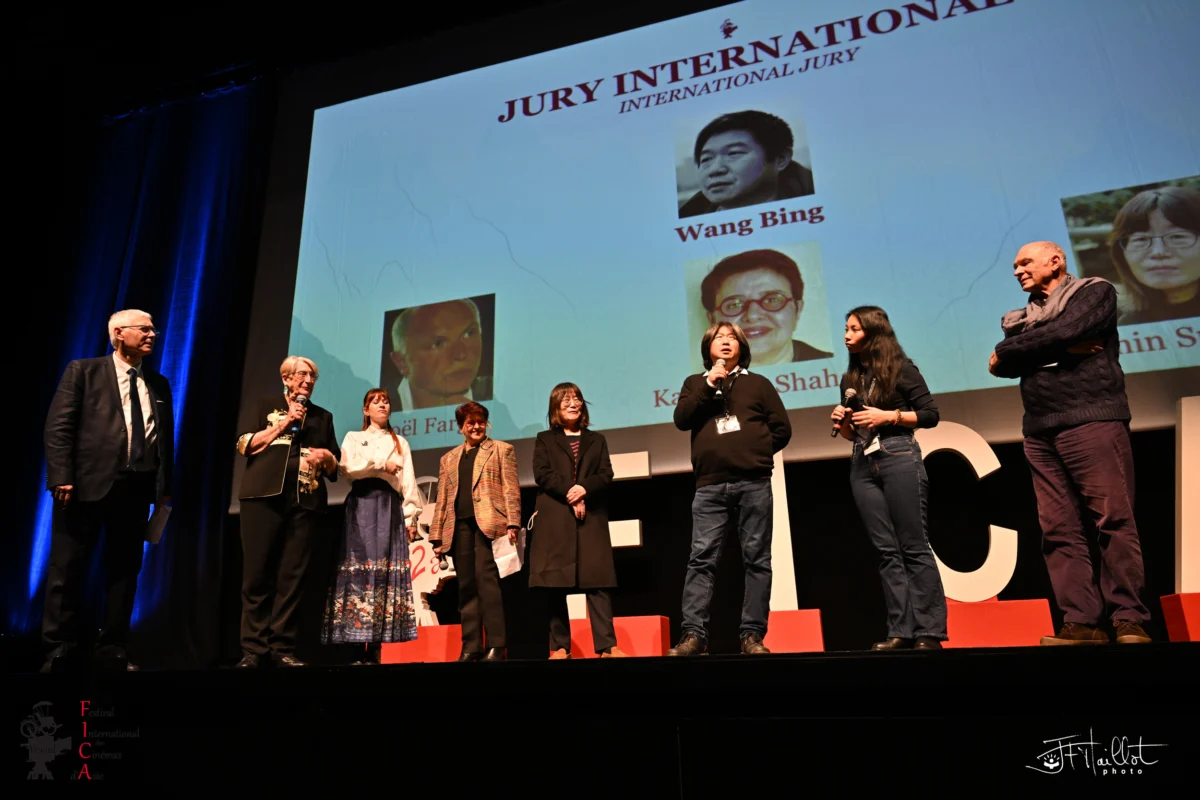
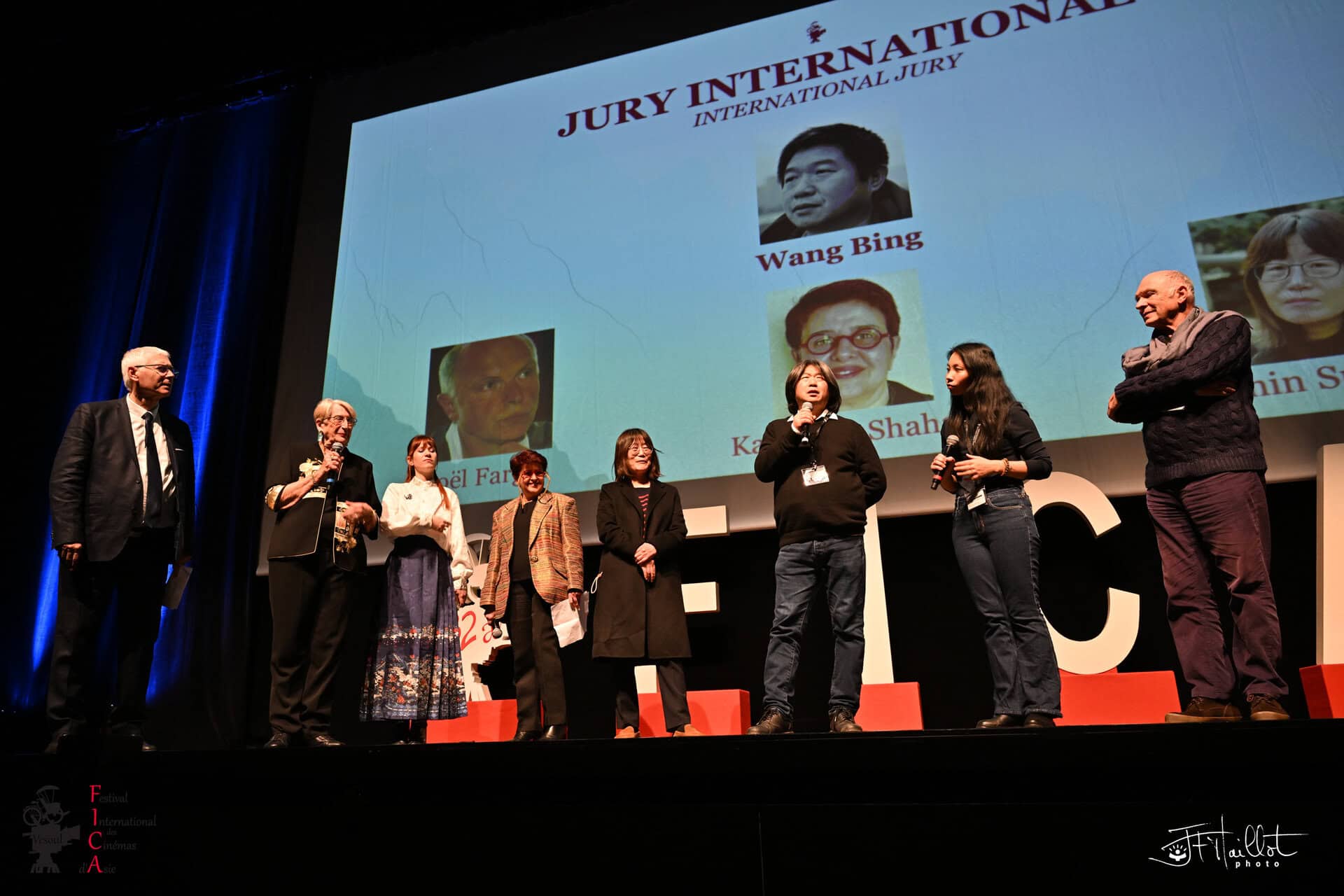
The exploration of societal pressures and their psychological toll is a recurring, powerful thread in contemporary Korean cinema, resonating deeply with both domestic and international audiences. Shin Su-won, an acclaimed filmmaker and a distinguished member of this year’s jury at Vesoul, further illuminated this thematic landscape. She too tackled similar issues in her 2014 film, Suneung, titled after Korea’s notoriously high-stakes college entrance examination. The film immerses viewers in the grueling daily lives of teenagers grappling with immense stress, relentless competition, and profound isolation within a system that often prioritizes academic achievement above all else.
Shin Su-won’s inspiration for Suneung stemmed directly from her experiences as a teacher. "At the time, I was a teacher. Every day, I saw students sleeping in class; some had completely given up. I thought: this has to become a film, this distress must be portrayed," she recounted. The film’s critical success led to its screening at the festival’s 21st edition in 2015, highlighting Vesoul’s consistent recognition of films that offer insightful social commentary. Shin Su-won articulated what she believes is a core strength of Korean cinema: "The strength of Korean cinema lies in addressing difficult themes with precision, while still connecting with audiences."
Beyond its thematic depth, Shin Su-won also offered an astute analysis of the structural shifts within the Korean film industry. She observed a significant renewal, particularly the rise of independent films, catalyzed in part by the profound impact of the COVID-19 pandemic. "With the Covid-19 pandemic, there was a real crisis in South Korean cinema—we went from 100 to 20 films produced each year," she explained. This dramatic reduction in output for major productions paradoxically fostered an environment where "there are fewer big productions, but more personal works." This pivot towards independent filmmaking has allowed for a greater diversity of voices and narratives, often exploring niche or challenging subjects that mainstream productions might shy away from, further enriching the cinematic landscape and reinforcing the industry’s resilience and adaptability.
The Unwavering Devotion of Audiences
The unique appeal of Korean cinema, particularly its independent sector, resonated strongly with festival attendees. Christiane, a 68-year-old retired film enthusiast, exemplifies this enduring devotion. She and her group of friends make an annual pilgrimage to Vesoul, renting the same accommodation for a week, a tradition they have maintained for over a decade. "We rent a place for the week—always the same one for the past 10 years—and we watch six films a day," she shared, describing a marathon viewing schedule that never seems to tire her. By Tuesday, February 27, the opening day of the festival, Christiane had already devoured 36 films. Her dedication underscores the immersive experience the festival offers, allowing attendees to craft their own cinematic journeys. "Everyone creates their own schedule based on what they want to see. Korean films are the ones that leave the biggest impression on me—they move me, I can’t quite explain why," she mused, articulating a sentiment shared by many who find themselves deeply affected by the emotional honesty and narrative power of Korean films.
This sentiment was echoed by Élise, a 30-year-old who traveled from Paris specifically for the festival. Her motivation was clear: "The stories are powerful, they reflect real life. And there are many Korean films that are unreleased and don’t necessarily make it to theaters." For audiences like Christiane and Élise, festivals like Vesoul serve as crucial gateways to films that might otherwise remain unseen, offering a vital platform for cultural exchange and discovery. The opportunity to witness these narratives on the big screen, often with the filmmakers present, creates an unparalleled communal experience that fosters deeper engagement and appreciation.
A Deep-Rooted Relationship: Vesoul and Korean Cinema
The relationship between the Vesoul International Film Festival and Korean cinema is not a recent phenomenon but a deeply ingrained partnership spanning decades. Since its inception in 1995, the festival has proudly presented over 140 Korean films, a testament to its consistent recognition of the country’s cinematic excellence. This sustained engagement has been reciprocated with critical acclaim, with Korean directors receiving 25 awards from the festival over the years, further cementing their standing in the international film community. These accolades underscore the enduring quality and artistic merit consistently found in films from the "Land of the Morning Calm."
The festival’s proactive role in championing Korean cinema has undoubtedly contributed to its burgeoning global popularity, which has seen a dramatic surge in recent years. While blockbusters like Bong Joon-ho’s Parasite and the global phenomenon of K-dramas have brought Korean content into the mainstream, festivals like Vesoul play a crucial role in nurturing and showcasing the diverse ecosystem of Korean filmmaking, particularly its independent and art-house sectors. They provide a vital bridge for films that might not possess the commercial might of larger productions but offer profound artistic and cultural value. This dual approach—celebrating both established and emerging talent—ensures a rich and varied representation of Korean cinematic voices on the world stage.
Implications and Future Outlook
The robust presence and profound impact of Korean cinema at the 32nd Vesoul International Film Festival of Asian Cinemas carry significant implications for the future trajectory of both the festival and Korean filmmaking itself. For Vesoul, it reaffirms its position as an indispensable platform for showcasing the breadth and depth of Asian cinema, attracting a dedicated audience eager for authentic and thought-provoking narratives. The festival’s ability to consistently draw such strong attendance and engagement for specific national cinemas, particularly Korean, underscores its continued relevance in an increasingly fragmented media landscape. It highlights the enduring power of communal viewing and expert curation in an age dominated by streaming services.
For Korean cinema, this strong showing signals a sustained period of international recognition and critical appreciation. Jean-Marc Thérouanne’s concluding assessment encapsulates this sentiment: "Korean cinema is not a passing trend or a fad—it is here to stay. There are talented filmmakers, original scripts, and a loyal audience. Korean cinema has a bright future ahead." This statement is not merely optimistic but grounded in observable trends. The industry’s ability to produce compelling narratives that resonate globally, coupled with its adaptability in fostering independent voices, ensures its continued evolution and influence. The shift towards more personal works, as noted by Shin Su-won, suggests a fertile ground for diverse storytelling that tackles complex social issues with unflinching honesty.
The festival’s spotlight on films like Beautiful Dreamer and Suneung also reinforces the crucial role of cinema as a medium for social commentary and cultural understanding. By presenting narratives that delve into the nuanced realities of Korean society, these films invite international audiences to engage with universal themes of human experience, albeit through a distinct cultural lens. This cultural exchange enriches global discourse and fosters empathy across borders. As Korean cinema continues to innovate and captivate, its journey promises to be one of sustained artistic excellence and expanding global reach, with festivals like Vesoul serving as vital conduits for its stories to be told, heard, and deeply felt. The enthusiastic reception at Vesoul is a clear indicator that the "Korean Wave" in cinema is far from cresting; it is, in fact, broadening its horizons and deepening its impact on the world stage.