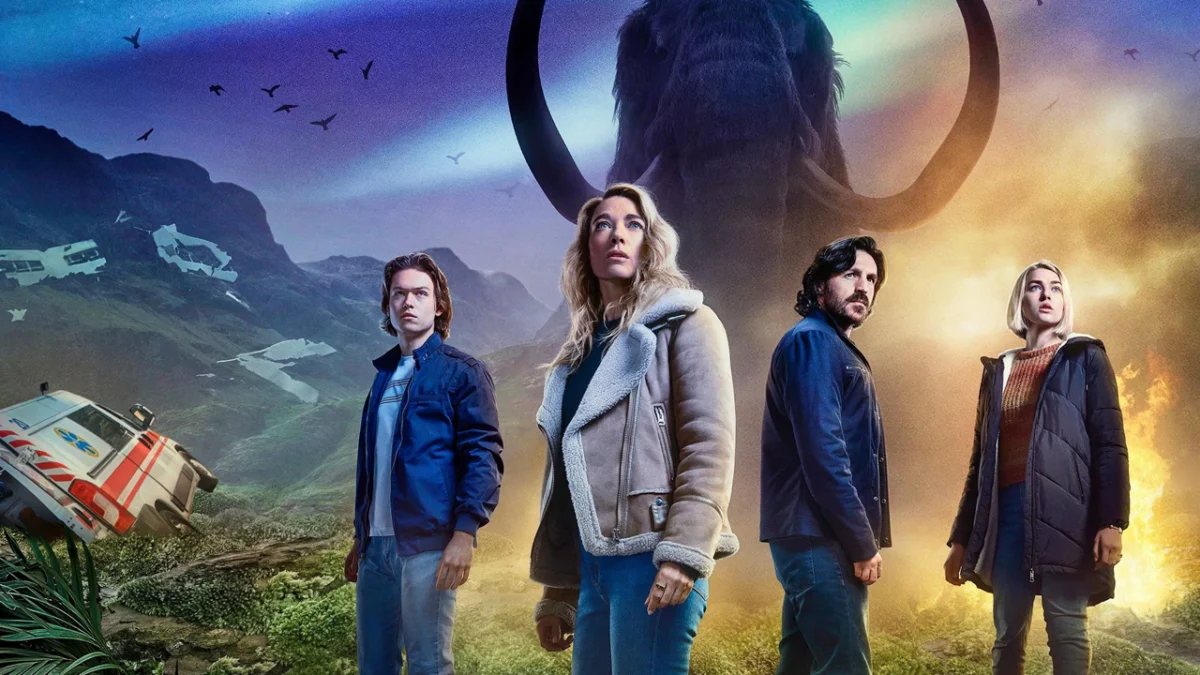
The highly anticipated full series of NBC’s sci-fi drama La Brea is officially confirmed to arrive on Netflix in the United States on Friday, May 1st, 2026. This announcement marks a significant expansion for the Universal Television production, making all three seasons accessible to a massive new audience after its prior rollout to Netflix in various international regions since late 2024. For years, the series has been exclusively available to US audiences via Peacock, the streaming service owned by NBCUniversal. The move to license La Brea to Netflix US underscores a continuing strategic evolution within the competitive streaming landscape, mirroring the notable success seen with other licensed library content on the platform.
The decision to bring La Brea to Netflix US is a calculated one, reflecting a broader industry trend where media conglomerates are increasingly leveraging their extensive content libraries to generate additional revenue and expand viewership reach beyond their proprietary platforms. This strategy has gained considerable traction following the unprecedented success of shows like Suits, which found a colossal second life on Netflix, demonstrating the immense value of established, binge-able series for subscriber acquisition and engagement. For La Brea, this shift from Peacock exclusivity to a wider Netflix audience presents a substantial opportunity to capture millions of new viewers who may have missed its original broadcast run on NBC or lacked a Peacock subscription.
A Strategic Shift: The Evolving Landscape of Content Licensing
The streaming wars, initially characterized by fierce competition and content hoarding, have entered a more nuanced phase. While media companies like Warner Bros. Discovery, Paramount Global, and NBCUniversal initially focused on building their own direct-to-consumer services (Max, Paramount+, Peacock) by pulling content from third-party platforms, the economic realities and the enduring power of Netflix have prompted a re-evaluation. The "Suits effect" – where the legal drama, after years off the air, became a massive hit on Netflix, topping streaming charts for weeks and breaking viewership records – illustrated a clear pathway for monetizing older, completed series.
This phenomenon revealed several key insights for content owners. Firstly, Netflix’s unparalleled global reach and sophisticated recommendation algorithms can expose library content to audiences far beyond what an individual network’s streaming service might achieve. Secondly, licensing deals provide immediate, guaranteed revenue streams, which can be crucial for supporting ongoing production costs or offsetting losses from less successful original content. Thirdly, a popular show on Netflix can act as a gateway, potentially driving new interest back to the original network’s platform for other related content or future productions. For NBCUniversal, licensing La Brea to Netflix US represents a pragmatic approach to maximize the value of its intellectual property, balancing the strategic importance of Peacock with the financial and audience benefits of broader distribution.
Delving into the Depths of La Brea
La Brea burst onto the scene in September 2021, captivating audiences with its high-concept premise and ambitious storytelling. The series opens dramatically with a catastrophic event: a colossal sinkhole inexplicably appears in the heart of downtown Los Angeles, engulfing hundreds of people, vehicles, and buildings. Those who survive the fall find themselves transported to a mysterious, primeval land teeming with prehistoric creatures, lush untouched landscapes, and inexplicable phenomena. The core narrative immediately establishes a dual struggle: the desperate fight for survival among the displaced group below, led by characters like Eve Harris (Natalie Zea) and Gavin Harris (Eoin Macken), and the frantic efforts of those above ground, including Gavin’s son Josh (Jack Martin) and his daughter Izzy (Zyra Gorecki), to understand what happened and find a way to rescue their loved ones.
Over its three seasons, La Brea masterfully blends elements of family drama, survival thriller, and complex science fiction. The initial premise of survival against prehistoric threats quickly evolves into a sprawling narrative involving intricate time travel, ancient civilizations, and a larger conspiracy surrounding the origins of the sinkholes and their connection to specific families. The series stars Natalie Zea as Eve Harris, a determined mother separated from her family; Eoin Macken as Gavin Harris, a former pilot who experiences mysterious visions connected to the sinkholes; and Jon Seda as Dr. Sam Velez, a former military doctor. The ensemble cast navigates not only the physical dangers of their primordial environment but also the emotional toll of separation, loss, and the bewildering mysteries that unfold around them.
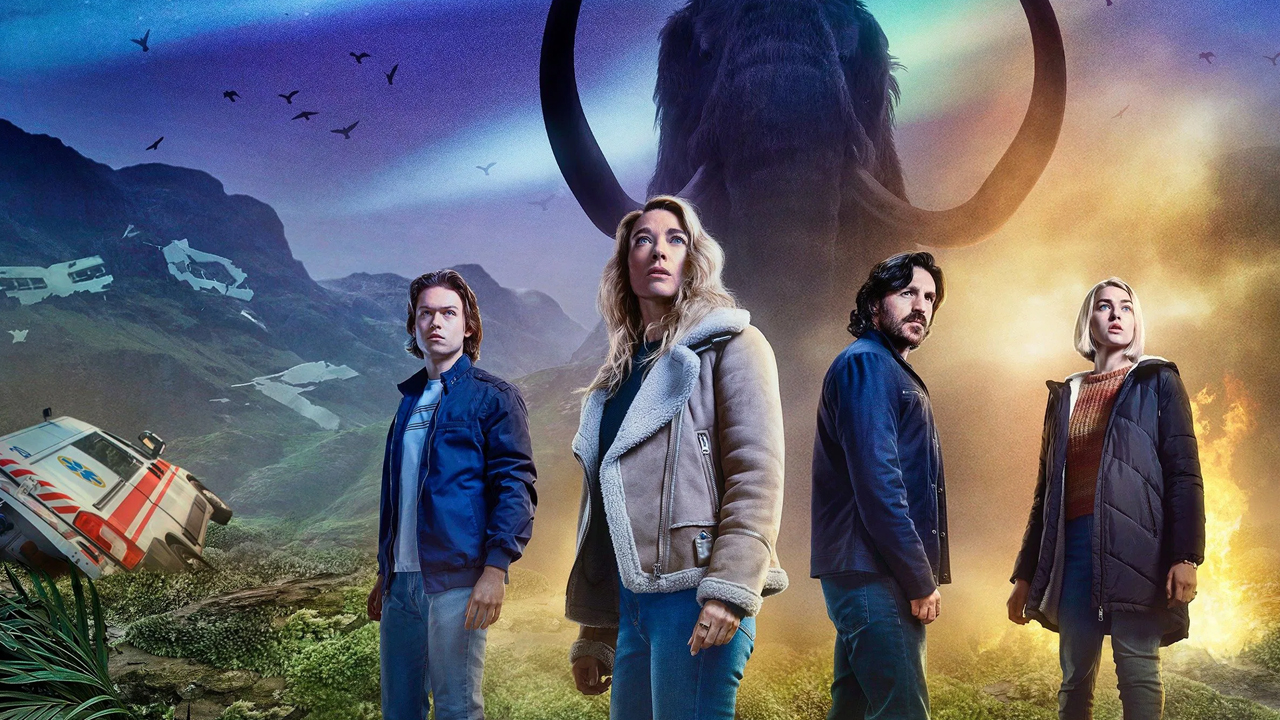
Created by David Appelbaum, La Brea carved out a unique space in network television, offering serialized sci-fi mystery in an era often dominated by procedurals. While critical reception was mixed, the show developed a dedicated fan base drawn to its compelling premise, ongoing mysteries, and the earnest performances of its cast. It filled a void for viewers who enjoyed "mystery box" shows reminiscent of Lost, Manifest, or even the short-lived Terra Nova, all of which explored survival in extraordinary circumstances. The show’s commitment to its high-concept narrative, despite the challenges inherent in producing such a special effects-heavy series for broadcast television, resonated with audiences seeking escapism and intricate plotlines.
The series concluded its run with an "abbreviated" third and final season, comprising only six episodes, which aired from January to February 2024. While the term "abbreviated" often suggests an unplanned ending due to cancellation, the creative team behind La Brea was given the opportunity to craft a definitive conclusion. This means that viewers diving into the series on Netflix can expect a complete story arc with a satisfying, albeit compressed, resolution to its many mysteries, addressing concerns about investing time in an unfinished narrative. This definitive ending is a key selling point for new viewers who are wary of shows that conclude on unresolved cliffhangers.
A Chronology of La Brea‘s Streaming Odyssey
The journey of La Brea to Netflix US has been a multi-stage process, reflecting the complex contractual arrangements and strategic decisions governing content distribution in the digital age.
- September 2021 – February 2024: The NBC Broadcast Era & Peacock Exclusivity. La Brea premiered on NBC in September 2021, with its first season running until November of that year. Season two followed from September 2022 to February 2023, and the final, six-episode third season aired from January to February 2024. Throughout its entire broadcast run and subsequently, La Brea was exclusively available for streaming in the United States on Peacock, NBCUniversal’s flagship streaming service. This alignment was a clear strategy to bolster Peacock’s content library and attract subscribers.
- Late 2024: International Netflix Rollout. As reported in late 2024, NBCUniversal initiated licensing deals that brought La Brea to Netflix in several international territories. This marked the first instance of the series appearing on a third-party streaming platform, signaling a shift in NBCUniversal’s content strategy regarding older, completed series. The move allowed the show to tap into Netflix’s vast global subscriber base, testing its appeal outside of its original network ecosystem.
- Late 2024 – 2025: Strong International Engagement. The international release on Netflix proved to be a significant success. According to the Netflix Engagement Reports, a transparent look into the platform’s viewership data, La Brea accumulated an impressive 167 million viewing hours during the final month of 2024 and throughout 2025. This translates to approximately 21.5 million total views, a substantial figure for a licensed series that had already completed its broadcast run. This strong performance likely played a pivotal role in NBCUniversal’s decision to greenlight a US licensing deal, demonstrating a clear global appetite for the show’s unique premise.
- May 1st, 2026: The US Netflix Debut. The official confirmation of La Brea‘s arrival on Netflix US on May 1st, 2026, completes this international rollout. US audiences, who have either been waiting for an alternative to Peacock or are entirely new to the series, will now have the opportunity to binge all 30 episodes of the complete saga. This date solidifies the show’s presence on one of the world’s largest streaming platforms, potentially introducing it to millions of new viewers.
The licensing agreement between Universal Television and Netflix for US rights is typically structured for a defined period, often ranging from one to three years. This temporary window ensures that while La Brea gains significant exposure on Netflix, NBCUniversal retains long-term control over its property, allowing for potential future shifts in distribution strategy or a return to exclusive availability on Peacock.
Broader Implications and Future Outlook
The arrival of La Brea on Netflix US carries multiple implications for all parties involved and the wider streaming industry.
- For Netflix: This acquisition further strengthens Netflix’s licensed content library, offering subscribers a diverse range of genres and tapping into the proven appeal of network dramas. The strong international performance of La Brea suggests it has the potential to become another "sleeper hit" for Netflix in the US, similar to Manifest (which also originated on NBC and found massive success on Netflix before being revived by the streamer). Such titles are crucial for attracting and retaining subscribers, providing readily available, binge-able content between major original releases. It also allows Netflix to gather valuable data on viewer preferences for sci-fi and mystery dramas, informing future content development and acquisition strategies.
- For NBCUniversal and Peacock: While licensing La Brea to a competitor might seem counterintuitive to building Peacock’s subscriber base, it represents a shrewd business move. It allows NBCUniversal to monetize a completed series that has already maximized its initial run on Peacock, generating significant additional revenue. Furthermore, the increased visibility of La Brea on Netflix could indirectly benefit Peacock by raising awareness of Universal Television’s quality productions and potentially enticing viewers to explore other NBCUniversal content available exclusively on Peacock. This dual strategy of retaining fresh content for Peacock while licensing older library titles is becoming a common and effective approach for media conglomerates.
- For the Sci-Fi Genre and Broadcast Television: The ongoing success of shows like La Brea on streaming platforms highlights the enduring appeal of high-concept science fiction, even when originating from traditional broadcast networks. It demonstrates that compelling storytelling, regardless of its initial distribution channel, can find and captivate global audiences when given wider accessibility. This trend offers a vital "second life" for network shows that might have struggled for viewership on linear television but are perfectly suited for the binge-watching habits of streaming subscribers. It validates the creative risks taken by networks like NBC in investing in ambitious genre programming.
- For Viewers: For US audiences, the move is unequivocally positive. It provides a highly anticipated opportunity to experience La Brea in its entirety, without requiring an additional subscription to Peacock. The series, with its blend of thrilling survival, complex mysteries, and a conclusive ending, is perfectly poised for binge-watching. Fans of shows like Lost, Manifest, and Terra Nova will find a compelling new series to dive into, offering a fresh take on the "stranded in a mysterious land" trope.
In conclusion, the impending arrival of La Brea on Netflix US on May 1st, 2026, is more than just a content announcement; it is a clear indicator of the dynamic shifts within the streaming industry. It showcases the continued strategic value of licensed library content, the evolving monetization strategies of major media companies, and the ever-present demand from audiences for engaging, complete narratives. As the sinkhole opens for a whole new audience, La Brea is set to embark on its most expansive journey yet, reaffirming the global appeal of its prehistoric mystery.