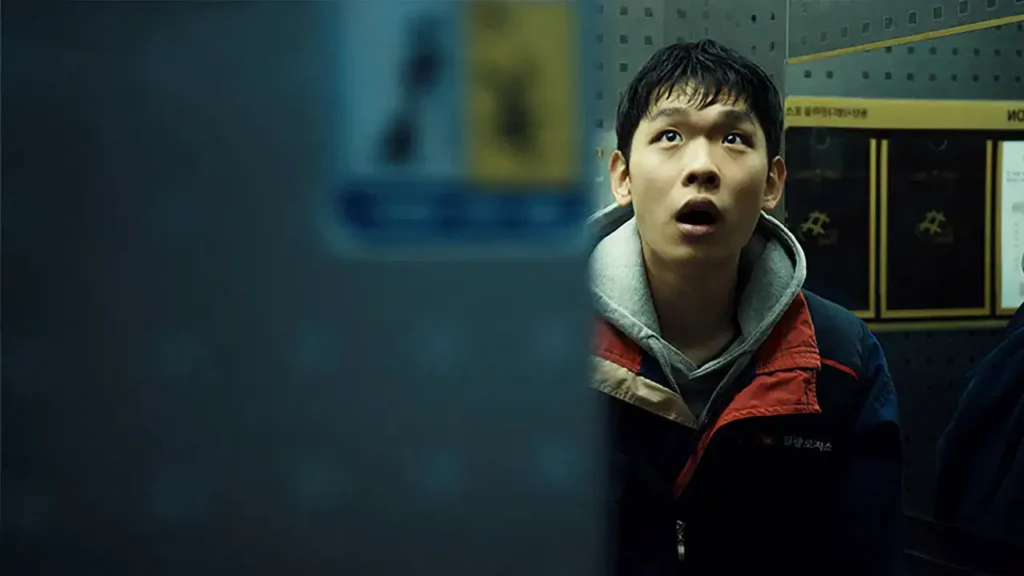
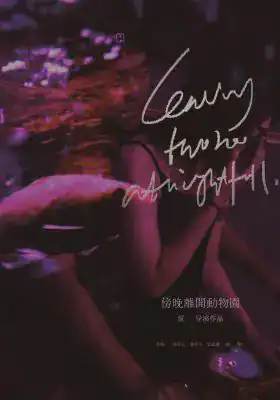
Leaving the Zoo at Nightfall, or Bangwan likai dongwuyuan in its original Mandarin, stands as a compelling testament to the burgeoning quality and thematic depth of independent filmmaking currently emanating from the People’s Republic of China. Directed by the remarkably young Lei Kaipo, this film has quickly garnered attention for its sophisticated narrative, striking visual style, and profound exploration of youth disillusionment, marking it as a significant entry in a cinematic wave that has been quietly but consistently producing high-caliber works for several years.
The Debut of a Young Visionary: Lei Kaipo and His Context
Lei Kaipo, born in 1998 in Nanchang, the bustling capital of Jiangxi Province, brought Leaving the Zoo at Nightfall to fruition at the tender age of 23. This fact alone renders the film a notable achievement, highlighting an early maturity in directorial vision rarely seen. Nanchang, a city rich in history and a burgeoning economic center, provides a vibrant yet often overlooked backdrop for contemporary Chinese narratives. Unlike the more frequently depicted metropolises of Beijing or Shanghai, Nanchang offers a window into the nuanced realities of life in China’s provincial capitals, where the dreams and anxieties of youth often collide with traditional expectations and rapidly modernizing urban landscapes. Lei Kaipo’s decision to set his debut feature in his hometown imbues the film with an authentic sense of place, transforming the city from mere scenery into an active participant in the characters’ emotional journeys. This choice aligns with a broader trend in Chinese independent cinema, where filmmakers increasingly turn to their regional roots to tell universally resonant stories, free from the often-glamorized or politicized representations of major global cities.
The Ascendance of Chinese Independent Cinema: A New Generation’s Voice
Leaving the Zoo at Nightfall is not an isolated phenomenon but rather a prominent example of a significant movement within Chinese cinema. For over a decade, a new generation of independent filmmakers has been challenging established norms, employing innovative techniques, and tackling complex social and existential themes with refreshing candor. This wave follows in the footsteps of the Fifth and Sixth Generations of Chinese directors, yet carves its own distinct path, often characterized by a greater intimacy, a focus on individual psychology, and a raw, unpolished aesthetic. The rise of digital filmmaking technologies has democratized the production process, enabling young talents like Lei Kaipo to create feature-length works with limited resources, bypassing traditional state-controlled studio systems.
These films frequently explore the pressures and uncertainties faced by China’s youth—a generation navigating rapid economic change, intense academic and career competition, and evolving social values. Themes of urban alienation, existential ennui, and the search for identity resonate deeply with a young, educated, and increasingly globally aware audience. The "surprisingly high quality" noted by critics stems from a combination of bold artistic vision, technical proficiency, and a willingness to confront difficult emotional truths. While these independent productions often face significant challenges in terms of funding, distribution, and navigating China’s intricate censorship landscape, their continued emergence underscores a resilient and vibrant creative spirit. Festivals both within and outside China, alongside specialized streaming platforms, have become crucial conduits for these films to reach wider audiences, slowly building an international appreciation for this dynamic sector of Chinese cinema.
Thematic Core: Urban Youth and the Weight of Uncertainty
At its heart, Leaving the Zoo at Nightfall delves into the lives of four recent high school graduates grappling with the liminal space between adolescence and adulthood. Their future, much like that of many young people in contemporary China, appears "uncertain or undecided." This sense of aimlessness and the pursuit of meaning in a rapidly changing society forms the film’s central thematic pillar. The narrative initially centers on Kele (a name that charmingly translates to "Cola" or "Coke"), whose relationship with his girlfriend Wen is portrayed with a delicate blend of youthful tenderness and impending fracture. Wen’s unequivocal clarity regarding their relationship’s doubtful longevity speaks to a pragmatism and perhaps a weariness that often belies their young age.
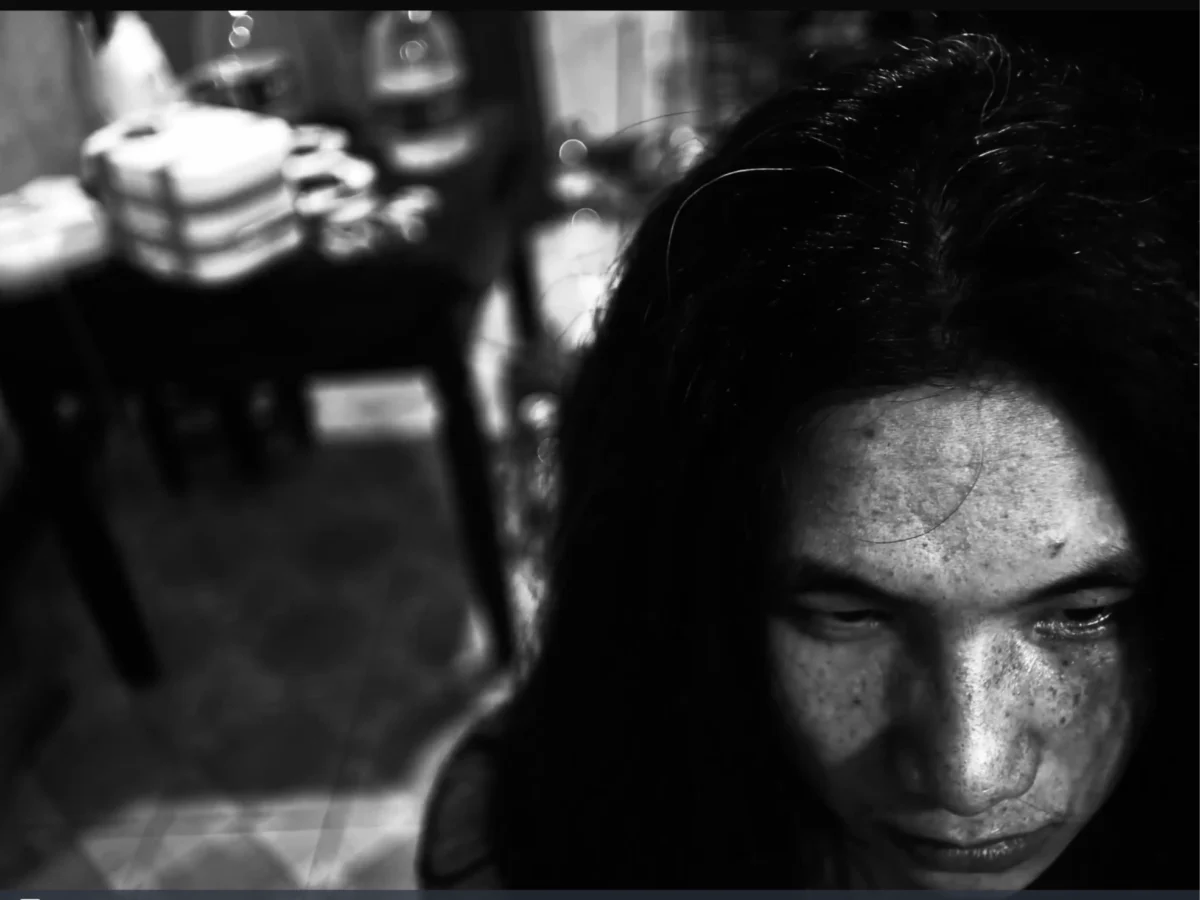
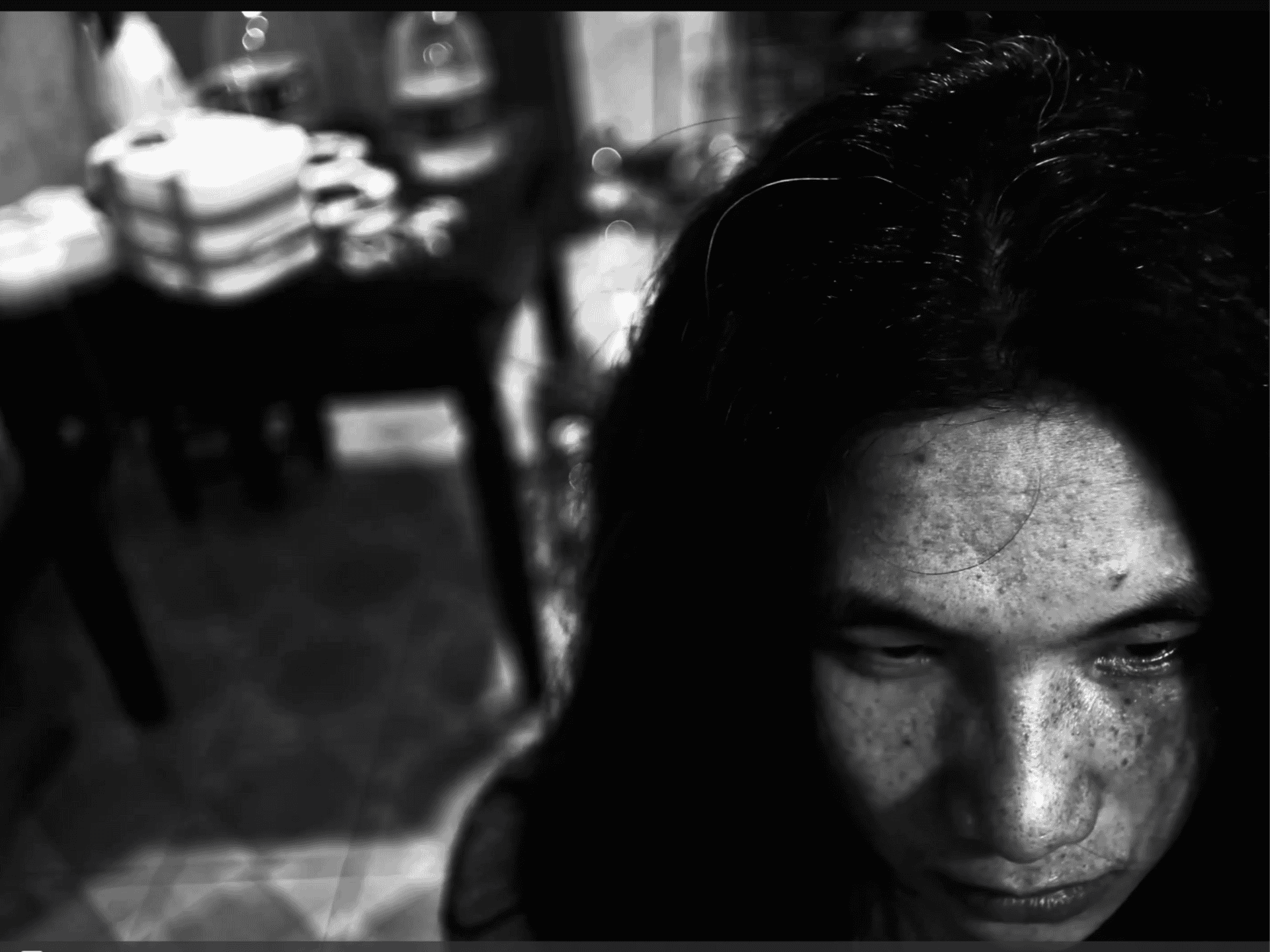
Alongside them are their friends, Xiao Kang and Po. Po, in particular, emerges as a significant character, not least due to the shared name with the director, suggesting he might serve as Lei Kaipo’s cinematic alter ego. Po’s favorite pastime—photographing random people on the street—further solidifies this interpretation, hinting at a budding artist’s observant eye and a nascent filmmaker’s impulse to capture and interpret the world around him. This narrative choice elevates Po beyond a mere supporting character, making him a silent commentator on the group’s experiences and the broader urban tapestry. The "zoo" motif, appearing prominently in this film and others like Hu Bo’s tragic An Elephant Sitting Still (2018) and Guan Hu’s more recent Black Dog (2024), serves as a powerful metaphor. It can symbolize confinement, the feeling of being observed or trapped within societal expectations, or a yearning for a freedom that seems just out of reach. For these post-graduation youth, the zoo might represent the confines of their past academic lives or the cages of uncertain economic prospects and societal pressures, from which they desperately seek an escape. The film implicitly touches upon the "lying flat" (躺平, tángpíng) phenomenon, a term that describes a segment of Chinese youth opting out of the rat race due to overwhelming societal pressures, preferring to "lie down" and do the bare minimum. While not explicitly stated, the characters’ daily drift and indecision resonate with this broader cultural sentiment.
Aesthetic Brilliance: A Symphony of Visuals and Soundscapes
One of Leaving the Zoo at Nightfall‘s most captivating attributes is its profound aesthetic sensibility, evident across its visual and auditory design. The film is accompanied by a very fitting, rather subdued score that almost continuously underpins the narrative. This melancholic yet contemplative musical backdrop accentuates the characters’ introspection and the film’s atmospheric quality. In stark contrast, scenes depicting the youngsters frequenting clubs are punctuated by loud techno and disco music, creating a palpable sense of release and temporary escape, highlighting the dichotomy between their inner turmoil and their outward pursuit of fleeting urban pleasures.
However, it is on the visual level that Lei Kaipo truly distinguishes himself. While comparisons to Wong Kar-wai’s iconic style are understandable—given the shared penchant for moody urban settings, fragmented narratives, and a keen eye for atmospheric detail—it would be reductive to confine Leaving the Zoo at Nightfall to mere imitation. Lei Kaipo exhibits a wealth of brilliant original ideas, crafting truly exquisite images that oscillate between black and white and color, employ time-lapse sequences, stretched frames, numerous dissolves, and double exposures. These varied techniques are not mere stylistic flourishes; they serve to mirror the characters’ fractured perceptions, their memories, and their subjective experiences of time and emotion. The interplay of color and monochrome can signify shifts in mood, memory, or the stark reality versus romanticized perceptions. Time-lapse photography can emphasize the relentless march of time or the mundane repetition of daily life, while dissolves and double exposures visually represent the overlapping thoughts, feelings, and the blurred lines between past and present.
Beyond technical virtuosity, Lei Kaipo possesses a keen eye for "cool" motifs and for capturing the essence of his hometown and its inhabitants. In extended sequences where the camera unhurriedly roams the city streets of Nanchang, the film transcends its fictional narrative to adopt a profound documentary quality. This observational approach lends an authenticity to the fragmented story, grounding the characters’ internal struggles within a tangible, living environment. Furthermore, the film is punctuated by spectacular shots of fireworks—a recurring motif in indie cinema often symbolizing fleeting beauty, celebration, or perhaps a longing for something grander—and burning grass on a riverbank, hinting at destruction, renewal, or raw, untamed energy. Scenes captured in the rain further enhance the melancholic and introspective mood, often associated with cleansing, sadness, or a reflective pause.
The Power of the Voice-Over and Enigmatic Storytelling
Adding another layer of depth, the film employs an exceptionally well-written voice-over, which alternates between the different characters. This multi-perspective narration allows for a multifaceted exploration of their inner worlds, with each voice often narrating about the others, offering insights into their perceptions and relationships. Only rarely do the characters engage in first-person narration, a choice that maintains a degree of distance and objectivity while still revealing profound emotional truths. The things said through these voice-overs are frequently insightful, even poetic, elevating the dialogue beyond simple exposition. A particularly beautiful sequence occurs when Wen quotes from the revered Indian poet and philosopher Rabindranath Tagore: "When you leave the past and the yesterday behind, your dreams become transparent and your steps become light." This quote encapsulates the film’s core theme of moving forward from an uncertain past into an open, albeit daunting, future, reflecting the universal human desire for liberation and self-discovery.
Yet, despite its rich detail and profound introspection, Leaving the Zoo at Nightfall deliberately leaves some aspects "intriguingly enigmatic." Not everything is explicitly revealed, a choice that invites viewers to actively participate in constructing meaning, fostering a more personal and reflective engagement with the narrative. This ambiguity is a hallmark of sophisticated independent cinema, allowing for multiple interpretations and resonating with the complex, often unresolved nature of real-life experiences.
Challenges and Outlook: International Reach and Future Prospects
Despite its evident artistic merit and critical appeal, Leaving the Zoo at Nightfall appears to have largely remained within China’s borders. This limited international distribution is a regrettable reality for many independent Chinese films, which often struggle to gain visibility outside their home country due to a myriad of factors, including funding limitations for international marketing, the absence of established global sales agents for smaller productions, and the complexities of navigating international film festival circuits. The existence of platforms like CathayPlay, which offers a curated selection of Chinese independent cinema, is crucial in providing a pathway for these films to reach a global audience, offering a vital service in bridging cultural and geographical divides.
One can only hope that this powerful debut is merely the first chapter in Lei Kaipo’s filmmaking journey. His ability to craft a visually stunning, emotionally resonant, and thematically rich narrative at such a young age positions him as a significant talent to watch. The success of Leaving the Zoo at Nightfall as a showcase of his burgeoning skill certainly bodes well for his future contributions to cinema. It underscores the potential for a new generation of Chinese filmmakers to not only articulate the unique experiences of their society but also to contribute to the global cinematic discourse with works of profound artistry and universal appeal. The film stands as a vibrant testament to the creative vitality that continues to define China’s independent film scene, promising an exciting future for both its creators and its appreciative audiences worldwide.