Director Lee Cronin, fresh off the significant commercial success of Evil Dead Rise, has revealed his decision to forgo a direct sequel in favor of a bold new vision for the upcoming The Mummy reboot. This strategic pivot, as detailed in a recent interview with SFX magazine, underscores Cronin’s commitment to creative exploration and risk-taking over the more predictable path of franchise continuation. The decision highlights a fascinating juncture in his career, balancing the momentum gained from a hit film with the allure of reinventing an established, albeit complex, cinematic legacy.
A Surprising Turn After Franchise Success
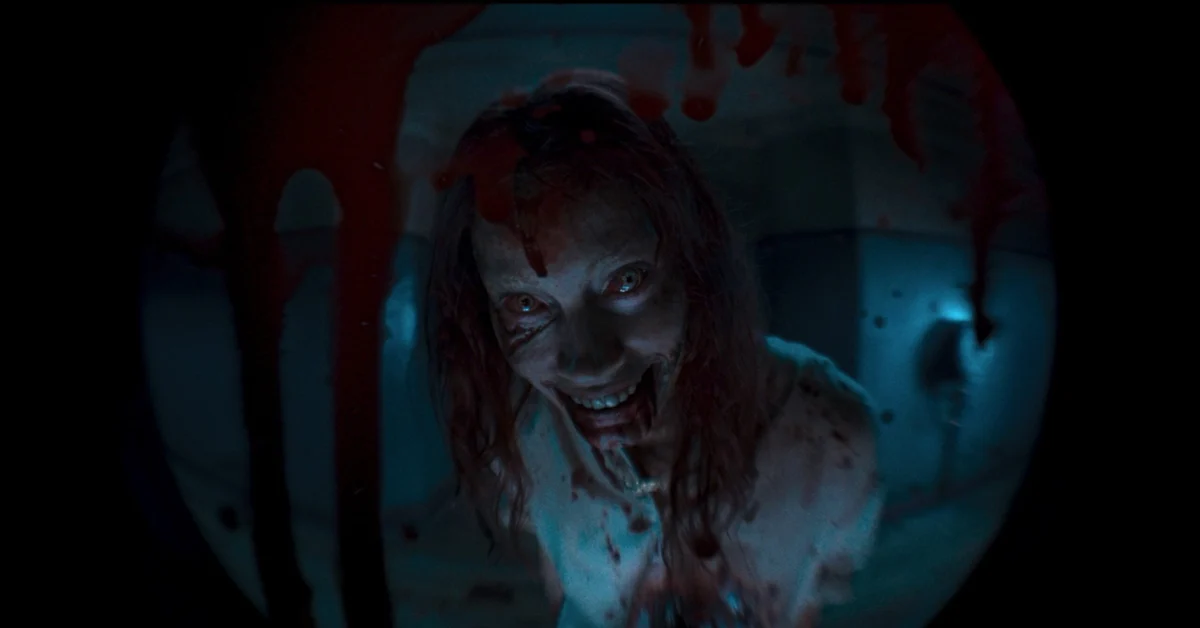
The trajectory of Evil Dead Rise was a remarkable testament to its quality and commercial appeal. Released in April 2023, the film defied initial expectations, particularly after a period where its release strategy flirted with a direct-to-streaming debut on HBO Max. Ultimately, its theatrical run proved to be a triumph, grossing nearly $150 million worldwide against a reported production budget of $19 million. This substantial return on investment not only revitalized the iconic Evil Dead franchise, originally conceived by Sam Raimi over four decades ago, but also firmly established Lee Cronin as a directorial talent to watch within the horror genre.
Cronin’s entry into the Evil Dead universe was itself a result of his burgeoning reputation. His critically acclaimed independent film, The Hole in the Ground, garnered attention for its atmospheric tension and unique storytelling, catching the eye of franchise steward Sam Raimi. Impressed by Cronin’s vision, Raimi entrusted him with the reins for Evil Dead Rise, a move that paid significant dividends. Following this success, the offer to return for a sequel, tentatively titled Evil Dead Burn, was a natural progression. However, Cronin’s artistic ambitions led him down a different, more challenging road.
The Allure of the Unknown: Embracing Risk
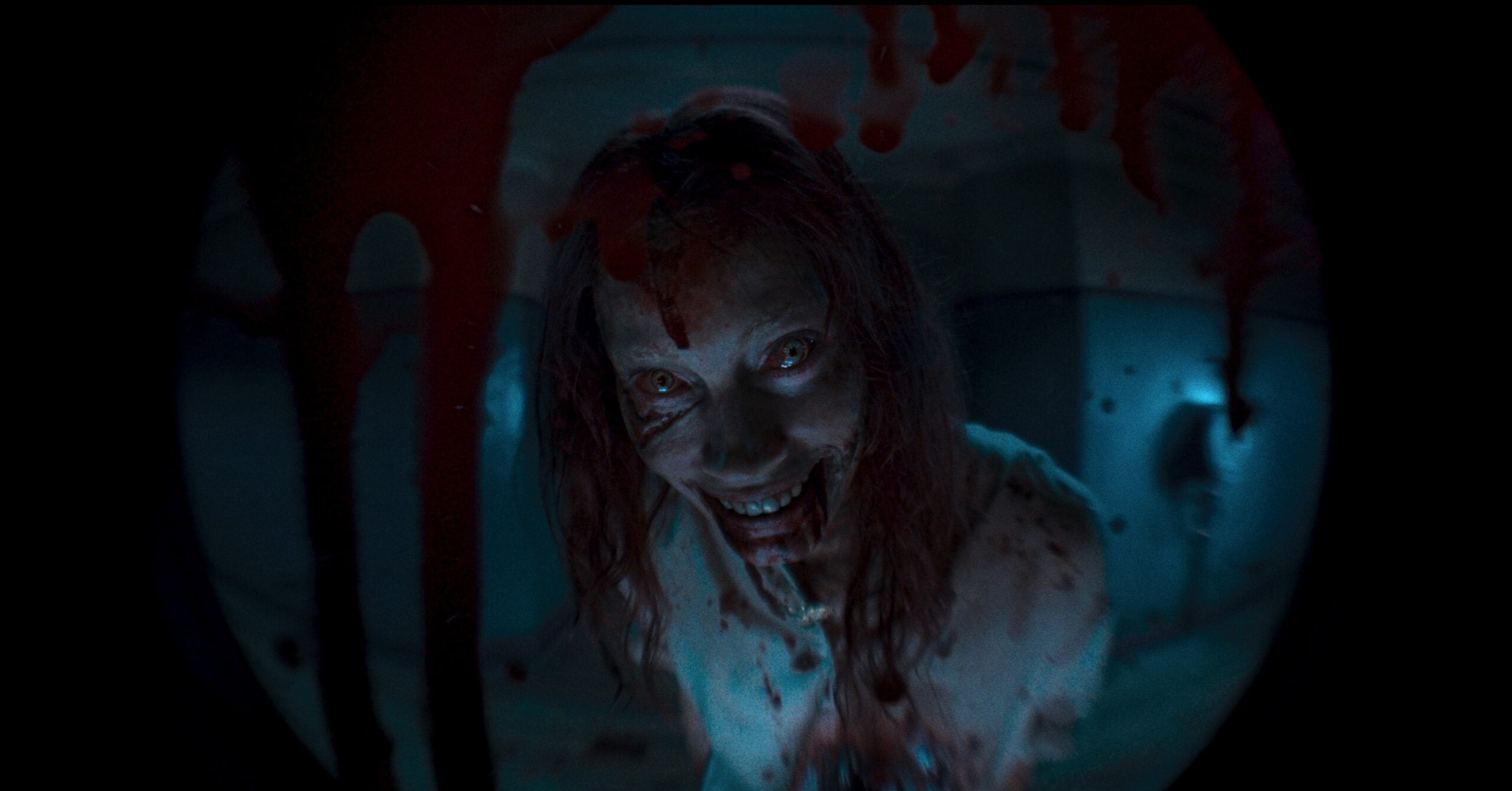
In his conversation with SFX, as reported by GamesRadar, Cronin articulated the core of his decision: "The risk was not making a sequel to my last movie, because that was really easy for me to do. I said no, ultimately, because I wanted to do something else, and I like to take a risk and gamble." This statement encapsulates a filmmaker prioritizing artistic growth and personal challenge over the comfort and guaranteed reception of a follow-up to a successful film. For a director at the cusp of greater mainstream recognition, choosing to step away from a popular franchise to tackle a less certain project is a significant professional gamble.
The perceived risk associated with The Mummy is multi-faceted. Cronin acknowledged the weight of history surrounding the franchise, noting, "The other risk factor is there’s brilliant movies called The Mummy, but they’ve also been there since the ‘30s." This references the original Universal Classic Monsters era, a foundational period of cinematic horror that imbued the character with immense cultural significance. He further elaborated on the modern perception, stating, "It’s not just about Brendan Fraser, 25 years ago, but there’s a risk because modern culture probably looks at those movies that way." This points to the enduring popularity of the late 1990s and early 2000s film series starring Brendan Fraser, which, while successful, set a distinct tone and expectation for the character.
Cronin also implicitly referenced the less successful 2017 iteration starring Tom Cruise. While he expressed personal enjoyment of that film, he recognized its reception as a factor contributing to the franchise’s current precarious standing in the public consciousness. "Maybe the Tom Cruise one wasn’t necessarily as well received, although I really enjoyed that film, but for me, the risk was breaking the mold in terms of what people will expect." This suggests that his approach to The Mummy is not merely a rehash of past glories but a deliberate attempt to redefine the character and narrative for a contemporary audience, moving beyond established tropes and audience preconceptions.
Redefining Expectations: A Bold New Narrative
Cronin’s commitment to a fresh perspective is evident in his declaration: "It’s going to definitely surprise people, but when you make a movie you have to take a risk, because it might be your last chance to make something, and repeating a trick is a sin to me." This philosophy underscores a deep-seated artistic drive to innovate and avoid creative stagnation. For a filmmaker, the opportunity to leave an indelible mark often comes from pushing boundaries rather than adhering to them. The prospect of surprising audiences and challenging their established notions of what The Mummy can be is clearly a powerful motivator for Cronin.
The narrative premise for Cronin’s The Mummy, slated for theatrical release in April, offers a departure from traditional mummy-centric plots. The story centers on a journalist whose young daughter vanishes into the desert. Eight years later, the child’s miraculous return transforms a moment of potential joy into a descent into terror. This setup suggests a focus on familial trauma, mystery, and perhaps a more psychological horror element, rather than solely relying on ancient curses and undead antagonists in the vein of previous iterations. This shift in focus hints at a story that leverages the "mummy" concept as a catalyst for a deeply personal and terrifying experience, potentially exploring themes of loss, memory, and the supernatural in a novel way.

The cast assembled for this new take on The Mummy further signals an intention to forge a distinct identity. Headlining the film are Jack Reynor, known for his roles in Midsommar and Kin, and Laia Costa, recognized for her work in "The Wheel of Time" and Victoria. They are joined by May Calamawy, a rising star from Marvel’s "Moon Knight," Natalie Grace from "1923," and Veronica Falcón, a veteran of "Ozark." This ensemble brings a blend of established talent and emerging performers, suggesting a commitment to strong character-driven performances that can anchor Cronin’s unconventional narrative.
The Evolving Landscape of the Evil Dead Franchise
While Cronin charts his own course with The Mummy, the Evil Dead franchise itself continues to expand. Sébastien Vaniček’s Evil Dead Burn is scheduled for a July 24 release, indicating that the torch of the franchise is being passed to new custodians with distinct creative visions. Furthermore, Francis Galluppi’s Evil Dead Wrath is currently in production, demonstrating the ongoing vitality and creative exploration within the Evil Dead universe. This parallel expansion suggests a deliberate strategy to allow different filmmakers to interpret and evolve the core elements of the Evil Dead mythos, ensuring its continued relevance and appeal to a diverse fanbase. The success of Evil Dead Rise has clearly opened doors for multiple creative avenues within the franchise, allowing for both direct continuations and broader explorations of its thematic and stylistic potential.
Analysis and Broader Implications
Lee Cronin’s decision to prioritize The Mummy over an Evil Dead sequel is indicative of a broader trend among filmmakers to seek out challenging and original projects, even at the cost of readily available franchise opportunities. In an industry often driven by established intellectual property and predictable returns, Cronin’s stance is a refreshing assertion of artistic agency. His willingness to "gamble" on The Mummy suggests a belief in his ability to craft a compelling and surprising narrative that can captivate audiences, regardless of prior franchise baggage.
The success of Evil Dead Rise has provided Cronin with a significant platform. By choosing to leverage this newfound influence to tackle a less defined project like The Mummy, he is not only demonstrating his artistic integrity but also potentially setting a new standard for how directors can navigate the transition from breakout success to broader creative endeavors. The outcome of The Mummy will undoubtedly be closely watched, not just by fans of the franchise but by industry observers interested in the evolving dynamics of creative control and risk-taking in contemporary filmmaking. His approach underscores the idea that innovation, rather than replication, is often the key to lasting impact and cinematic legacy. The landscape of horror cinema, in particular, often thrives on directors who are willing to subvert expectations and explore the darker, more unsettling corners of human experience, a path that Cronin appears eager to forge.