Ten years after its chilling debut, New Line Cinema is reigniting the terror with the long-awaited "Lights Out 2," officially moving forward with a sequel to the highly successful supernatural horror film. The studio has tapped emerging screenwriter Connor Osborne McIntyre to pen the script, marking a significant development for a project that has lingered in development hell since its predecessor’s impressive box office performance.
The original "Lights Out," released in 2016, was a pivotal film for both its director, David F. Sandberg, and its producer, James Wan. Sandberg, a Swedish filmmaker who gained initial notoriety for his viral short film of the same name, was catapulted into Hollywood’s A-list. The feature-length adaptation of his concept, which centered on a terrifying entity that only appears when the lights are out, proved to be a critical and commercial success. Produced on a modest budget of approximately $5 million, the film went on to gross nearly $150 million worldwide, a testament to its effective scares and accessible premise.
This financial triumph should have immediately paved the way for a sequel. However, both Sandberg and Wan became deeply involved in other high-profile projects. Sandberg’s directorial career flourished with subsequent successes like "Annabelle: Creation," the blockbuster superhero film "Shazam!," and most recently, the adaptation of the popular video game "Until Dawn." Similarly, James Wan, a master of modern horror with franchises like "The Conjuring" and "Insidious" under his belt, continued to expand his producing and directing empire. The convergence of their busy schedules meant that the "Lights Out" franchise remained dormant for a decade, despite the clear audience appetite for more from this particular brand of darkness.
The Genesis of a Phenomenon
The story of "Lights Out" began not in a Hollywood studio, but on the internet. David F. Sandberg’s 2013 short film, "Lights Out," garnered significant attention online due to its ingenious concept and effective execution within a limited format. The short depicted a woman experiencing a terrifying phenomenon linked to the absence of light, a simple yet potent fear that resonated with a global audience. This viral success caught the eye of James Wan, who, through his production company Atomic Monster, championed the project and helped shepherd it into a feature film.
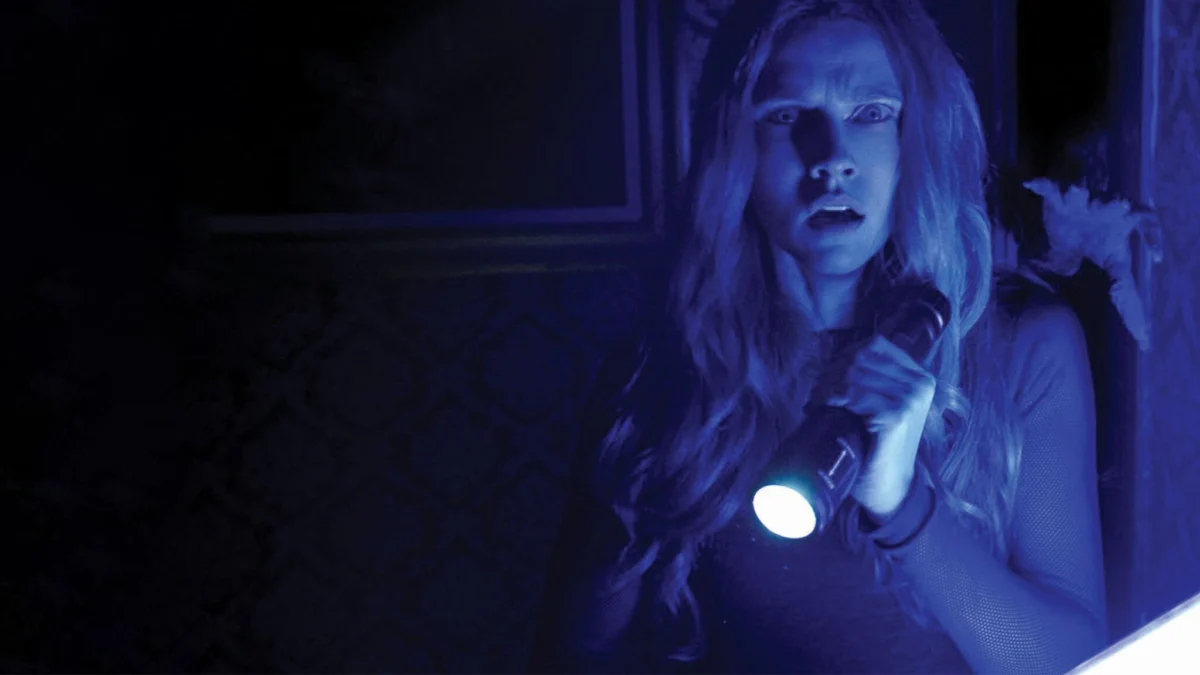
The 2016 film expanded upon the short’s premise, delving deeper into the backstory of the supernatural entity, known as Diana, and her connection to a troubled family. Starring Teresa Palmer, Maria Bello, Gabriel Bateman, and Alexander DiPersia, the film expertly utilized its low budget to create a tense and atmospheric horror experience. The reliance on practical effects and a clever use of darkness and light became hallmarks of its success, proving that innovative storytelling could trump lavish spending.
A Decade in Waiting: The Road to "Lights Out 2"
The announcement of "Lights Out 2" signals a renewed commitment from New Line Cinema and Warner Bros. to capitalize on the franchise’s established popularity. The hiring of Connor Osborne McIntyre as screenwriter is a key step in moving the project from development to production. While McIntyre is described as an "up-and-comer," his selection suggests a desire to bring fresh perspectives to the franchise while potentially fostering new talent within the genre. The specific details of the plot remain under wraps, leaving ample room for speculation about how the narrative will evolve.
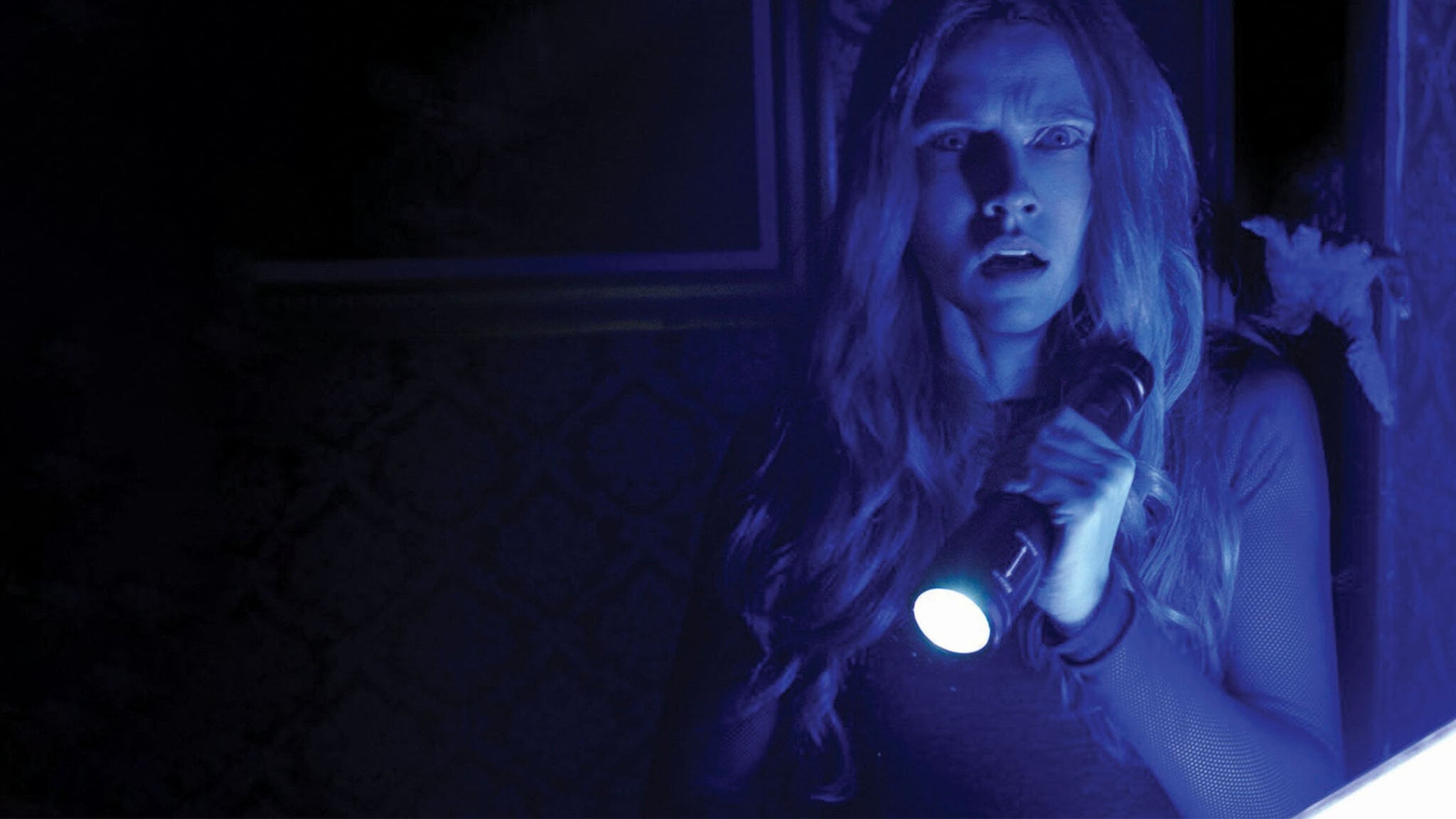
The original film’s conclusion left certain threads open, and the decade-long gap provides ample opportunity for the story to explore new characters, delve deeper into the mythology of Diana, or perhaps revisit the surviving characters from the first film. Whether any of the original cast members will return is currently unknown, as casting decisions are likely contingent on the finalized script.
A Strong Production Lineup
The production team for "Lights Out 2" appears to be a blend of returning talent and new faces, underscoring the importance of the franchise to those involved. Original producer Lawrence Grey is set to return, bringing his experience from the first film. Notably, both Eric Heisserer, who penned the screenplay for the original, and David F. Sandberg himself are attached as producers. This involvement from the original creative forces suggests a commitment to maintaining the integrity and quality of the "Lights Out" brand.
James Wan’s Atomic Monster, a powerhouse in the horror production landscape, is also returning as a producer. This continued involvement from Wan is significant, given his track record of launching and nurturing successful horror franchises. Additionally, Ben Everard and Lotta Losten are listed as producers, further solidifying the behind-the-scenes team. The collective experience of these individuals in the horror genre bodes well for the potential success of the sequel.
Implications and Future Prospects
The greenlighting of "Lights Out 2" is more than just a simple sequel announcement; it reflects broader trends in the film industry. The success of low-budget, high-concept horror films continues to be a lucrative strategy for studios. Franchises that can build upon existing fan bases and deliver on their core promise of scares often find sustained success.
The decade-long hiatus presents both challenges and opportunities. On one hand, there’s a risk of audience fatigue or the perception that the sequel is arriving too late. On the other hand, the extended development period might allow for a more refined and innovative story, free from the immediate pressure of capitalizing on the original’s success. Sandberg’s and Wan’s subsequent directorial and producing successes also lend a certain gravitas to the project, suggesting that "Lights Out 2" will benefit from their evolved filmmaking expertise.
The involvement of a new screenwriter like Connor Osborne McIntyre could introduce novel approaches to the narrative and horror elements. As the film progresses through its development stages, the focus will undoubtedly shift to casting, directorial choices, and the specific creative direction for this new chapter in the "Lights Out" saga.
The success of the original "Lights Out" was a testament to the power of a simple, terrifying idea executed with skill and restraint. As the lights are flicked back on for "Lights Out 2," the horror community will be watching closely to see if this long-awaited sequel can recapture the same magic and deliver a new wave of darkness to audiences worldwide. The film’s journey from viral short to a decade-later sequel highlights the unpredictable yet often rewarding nature of the film industry, where a powerful concept, when nurtured, can continue to cast a long shadow.