The celebrated American actress Mary Beth Hurt, whose nuanced performances graced both the silver screen and the Broadway stage, has passed away at the age of 79. Her death, attributed to complications from Alzheimer’s disease, was confirmed by her family. A poignant announcement was shared via a joint Facebook post from her daughter, Molly Schrader, and her husband, the esteemed writer and director Paul Schrader.
"She was an actress, a wife, a sister, a mother, an aunt, a friend, and she took on all those roles with grace and kind ferocity," the heartfelt statement read, reflecting the profound impact Hurt had on those closest to her. "Although we’re all grieving, there is some comfort in knowing she is no longer suffering and reunited with her sisters in peace." This sentiment underscores the personal loss experienced by her loved ones, while also acknowledging the peace she has found.
Mary Beth Supinger, born in Marshall, Missouri, embarked on a distinguished career that spanned several decades, earning her critical acclaim and the admiration of peers and audiences alike. Her early life and education laid the groundwork for a versatile acting talent, which would later be showcased in a diverse array of roles that demonstrated her remarkable range and emotional depth.
A Career Defined by Grace and Ferocity
Hurt’s cinematic journey began with a significant role in Woody Allen’s introspective 1978 drama, "Interiors." This debut performance garnered considerable praise, setting a high bar for her subsequent film work. The film, often described as Allen’s most direct homage to Ingmar Bergman, showcased Hurt’s ability to convey complex inner turmoil with subtle yet powerful expressiveness. Her portrayal of a woman grappling with familial discord and existential angst was a strong indicator of the profound character work she would become known for.
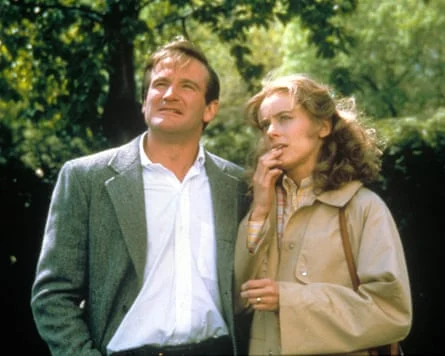
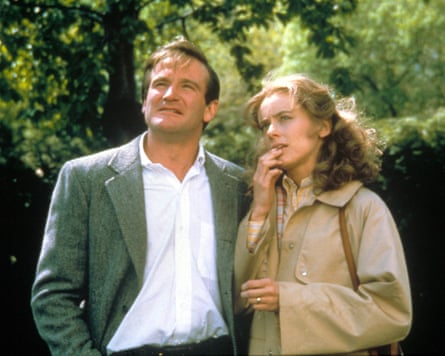
Her career trajectory continued with memorable appearances in a variety of critically lauded films. She played a pivotal role in George Roy Hill’s 1982 adaptation of John Irving’s novel, "The World According to Garp," starring opposite Robin Williams. In this film, Hurt portrayed Roberta Muldoon, a former professional football player who had undergone gender reassignment surgery, a character of significant depth and sensitivity. Her performance was lauded for its authenticity and compassion, contributing significantly to the film’s enduring legacy.
Further solidifying her reputation, Hurt also appeared in "Slaves of New York" (1989), directed by James Ivory, and graced the screen in two notable films from 1993: Martin Scorsese’s period drama "The Age of Innocence," and Fred Schepisi’s adaptation of John Guare’s play, "Six Degrees of Separation." Her presence in these varied projects underscored her versatility and her ability to inhabit distinct characters within different cinematic landscapes.

A Broadway Debut and Tony-Nominated Excellence
Beyond her film work, Mary Beth Hurt was a formidable presence on the theatrical stage. She made her Broadway debut in 1974 and went on to earn three Tony Award nominations for her exceptional contributions to the theatrical arts. Her nominations included performances in:
- "Crimes of the Heart": This Pulitzer Prize-winning play by Beth Henley offered Hurt a role that allowed her to showcase her comedic timing and her knack for portraying complex Southern characters.
- "Trelawny of the Wells": A period piece, this production likely allowed Hurt to demonstrate her skill in historical characterizations and period-appropriate performance.
- "Benefactors": This play, by Christopher Hampton, provided another platform for Hurt to engage with substantial dramatic material.
Her consistent recognition at the Tony Awards is a testament to her sustained commitment to live performance and her ability to captivate audiences in the intimate setting of the theater.
Collaborations with Paul Schrader and a Selective Approach to Roles
Mary Beth Hurt was married to acclaimed filmmaker Paul Schrader from 1989 until her passing. Their creative partnership extended to their professional lives, with Hurt appearing in two of Schrader’s directorial efforts: "Light Sleeper" (1992) and "Affliction" (1997). These collaborations offered a unique insight into their shared artistic sensibilities and provided audiences with compelling performances born from their personal and professional connection.
Hurt was known for her discerning approach to her craft. In a 1989 interview with The New York Times, she articulated her selective process, stating, "Fifty per cent of the roles I’m offered in films are nothing. I don’t mean size-wise. There’s nothing of any interest in them. So I do the ones that are interesting, unless I haven’t done one in a long while. Then I’ll do one that isn’t interesting." This candid observation highlights her dedication to artistic integrity and her commitment to roles that offered substantial character development and emotional resonance.
This philosophy also extended to her preference for ensemble work. In a 2010 interview, she reflected, "I’ve never been extremely comfortable playing the lead. I don’t like the responsibility; there’s a feeling that I have to be good. Besides, I found secondary parts much more interesting, especially when I was younger and the ingenue roles were pretty bland." This suggests a performer who found greater artistic satisfaction in contributing to the collective tapestry of a production rather than carrying its sole narrative weight, a characteristic often found in actors who excel at character work.
Later Career and Health Journey
Hurt’s later filmography included notable appearances in films such as "Young Adult" (2011), directed by Jason Reitman, "The Exorcism of Emily Rose" (2005), and M. Night Shyamalan’s fantasy drama "Lady in the Water" (2006). Her continued presence in significant film projects throughout her career demonstrated her enduring appeal and her ability to adapt to contemporary filmmaking.
In 2023, Paul Schrader shared an update on social media, indicating that Mary Beth Hurt had been moved to a memory care facility in New York. This information provided a poignant glimpse into her personal health journey and the challenges she faced in her later years, making the confirmation of her passing all the more somber.
Legacy and Impact
Mary Beth Hurt leaves behind a rich legacy in film and theater. Her performances were characterized by a quiet intensity, an uncanny ability to capture the nuances of human emotion, and a commitment to portraying characters with honesty and depth. She was an actress who consistently chose roles that challenged her and offered audiences a profound connection to the human experience.
Her contributions to cinema and theater have enriched the cultural landscape, and her work will continue to be studied and appreciated by aspiring actors and film enthusiasts. The grace and "kind ferocity" mentioned in her family’s tribute serve as a fitting description of an artist who approached her roles and her life with both profound empathy and unwavering strength.
The news of her passing has resonated within the entertainment industry, prompting reflections on her significant contributions. While specific tributes from actors and directors she worked with are yet to be widely published, the context of her career suggests that her impact was felt by many. Her collaborations with directors like Woody Allen, George Roy Hill, Martin Scorsese, and her husband Paul Schrader place her within a distinguished lineage of American filmmakers and storytellers.
The Alzheimer’s Association reports that in 2023, an estimated 6.7 million Americans aged 65 and older are living with Alzheimer’s dementia. The progressive nature of the disease often leads to significant challenges for both the individual and their families, making the family’s acknowledgment of her peace from suffering particularly touching.
Mary Beth Hurt’s passing marks the end of an era for an actress who consistently delivered memorable and impactful performances. Her ability to translate complex emotional landscapes into tangible, believable characters cemented her place as a respected figure in American acting. Her life and career stand as a testament to the power of dedicated artistry and the enduring impact of a well-lived creative life.