
The penultimate episode of Medalist Season 2, as initially assessed, appears to have presented a significant dip in the narrative momentum that has characterized the season thus far. While the season is slated for one more installment, this particular episode, focusing on Inori’s recovery of her figure skating prowess, has drawn scrutiny for its perceived melodrama and questionable narrative justification. The extended training sequences, while featuring moments of realistic sports depiction, have been framed within a context that has left critics questioning the episode’s overall necessity and impact on the broader story arc.
Inori’s Training Arc: Replicating Past Hurdles
The episode’s central conflict revolves around Inori’s struggle to regain her previously mastered jumping techniques, a challenge that arises unexpectedly following a road trip with her coach, Tsukasa. The narrative suggests that circumstances leading to this trip were not entirely convincing, and its resolution in the form of a training-focused episode has been met with a degree of disappointment. While the depiction of Inori’s physical rehabilitation and the coach’s guidance offer a degree of realism, the necessity of this specific detour has become a point of contention, particularly given that Inori had not previously exhibited these particular deficiencies.
The core of the episode details Inori’s efforts to reacquire her jumping skills. A significant element introduced is the involvement of a specialized jumping coach, who observes Inori’s evolving mid-air form. This coach’s expertise leads to a relatively swift recovery of previously mastered jumps, requiring only minor adjustments and a few key pieces of advice. The coach’s affirmation of Tsukasa’s decision to utilize a harness for training adds another layer of authenticity, emphasizing the inherent risks of such equipment and the psychological barrier it can present. This element, which highlights the importance of overcoming fear in athletic performance, is a characteristic strength of sports dramas, yet in this instance, it serves to underscore the perceived artificiality of the drama surrounding Inori’s setback.
The episode further elaborates on Inori’s difficulties in re-establishing the precise timing required for triple jumps. This transitions the narrative into extended training sequences, where Inori focuses on refining her form. Under different narrative circumstances, such an in-depth exploration of practice could be well-received. However, the context of this training—addressing a problem that did not exist prior to the preceding episode—renders it somewhat tedious. The investment in Inori’s process of re-learning fundamental skills, which she had already mastered, has been a challenge for viewers and critics alike, leading to a feeling of stagnation.
The Quadruple Jump Decision: A Glimpse of Growth Amidst Repetition
Despite the episode’s perceived weaknesses, a critical juncture emerges towards its conclusion: the potential for Inori to attempt a quadruple jump. The jumping coach identifies this latent capability, presenting Inori with a significant choice within a limited timeframe: focus on mastering the quadruple or solidify her triple jumps. This decision point is crucial, as it directly impacts her preparedness for upcoming competitions.
The episode highlights Inori’s burgeoning agency by having her insist on making this decision independently, rather than deferring to Tsukasa. This moment signifies her maturation as an athlete, with the adults around her treating her with the respect due to a developing professional, not a child. While her ultimate choice to pursue the quadruple jump might have been predictable, her assertiveness in the decision-making process is a strong indicator of her growth.
However, the execution of the quadruple jump proves to be a formidable challenge. The intricate timing required triggers Inori’s suppressed memories of both her sister and Tsukasa sustaining injuries, leading to a heightened sense of desperation. Tsukasa, deeply familiar with such pressures, recognizes the potential for Inori to repeat past mistakes. He intervenes with advice, urging her to concentrate on the intrinsic feel of the jump rather than overanalyzing the landing. This counsel proves instrumental, helping Inori overcome her mental block and successfully execute the jump.
This climax, while emotionally resonant and reinforcing the mutual learning dynamic between Tsukasa and Inori, is also subject to the episode’s overarching criticism. The impact of this particular breakthrough, viewed in isolation, is positive. It effectively demonstrates how the characters learn from each other. Yet, the extensive narrative journey to reach this point is questioned. Critics suggest that a more direct arc focused on Inori learning quadruple jumps could have achieved a similar outcome with greater narrative efficiency.
Broader Implications and Future Expectations
The episode concludes by signaling a potential shift away from Inori’s intensive training for the immediate future. As the season heads into its final installment, questions linger about how the remaining time will be utilized. The current episode’s perceived lack of forward momentum has raised expectations for the finale to compensate for this detour, ideally re-establishing the season’s prior trajectory and delivering a more impactful conclusion.
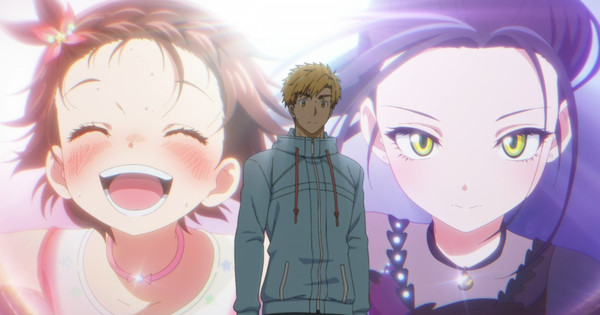
The artistic representation in the episode, as indicated by the accompanying image, likely depicts a pivotal training moment, potentially highlighting Inori’s physical exertion or a breakthrough in her technique. The copyright information associated with the image, rendered in what appears to be a non-Latin script, suggests the origin of the visual content and its context within the series’ production.
The series Medalist Season 2 is available for streaming on Hulu and Disney+. The platform availability indicates the show’s accessibility to a broad international audience, making its narrative choices subject to widespread interpretation and commentary. The performance of the series on these platforms, alongside critical reception, will ultimately shape its legacy and impact on the figure skating anime genre.
Supporting Data and Context
Medalist, as a sports anime, draws upon the rigorous demands of competitive figure skating. The sport itself is characterized by years of dedicated training, requiring exceptional physical conditioning, technical precision, and mental fortitude. The timeline for mastering complex jumps like triples and the elusive quadruple is typically extensive, often spanning multiple competitive seasons. Athletes often face setbacks due to injuries, psychological pressures, and the constant evolution of technical requirements.
The narrative in Medalist Season 2 appears to be exploring these very challenges. Inori’s journey, in this episode, focuses on overcoming a sudden regression in her technical ability. This mirrors real-world scenarios where athletes, despite prior mastery, may experience temporary dips in performance due to a variety of factors, including overtraining, injury recovery, or shifts in mental focus. The introduction of a specialized jumping coach and the emphasis on the psychological aspect of overcoming fear and regaining confidence are consistent with the realities of elite athletic development.
The decision to pursue a quadruple jump is particularly significant. As of recent competitive seasons, the quadruple jump has become increasingly prevalent in men’s figure skating and is gradually becoming more accessible to women. However, it remains an extremely high-risk, high-reward element. The successful execution of a quadruple jump can dramatically alter a skater’s competitive standing, but the margin for error is minuscule, and the potential for severe injury is substantial. This complexity adds a layer of dramatic tension that the episode attempts to leverage.
Inferred Reactions and Stakeholder Perspectives
While direct quotes from fictional characters are not available in a review format, the episode’s narrative implies certain reactions and perspectives from those involved. Tsukasa’s character, as a seasoned coach, is depicted as recognizing the psychological toll that injury and failure can take on an athlete. His advice to Inori to focus on the "feeling" of the jump, rather than overthinking the mechanics, suggests a deeper understanding of the mental game in figure skating. This approach aligns with modern sports psychology, which emphasizes mindfulness and trust in ingrained muscle memory.
The jumping coach, serving as a technical expert, offers an objective assessment of Inori’s potential. His identification of her capacity for a quadruple jump and the subsequent decision-making process highlight the collaborative nature of an athlete’s support system. The respect shown to Inori in allowing her to make the final decision underscores the trend in modern sports toward empowering athletes and fostering their autonomy.
The implied reactions of other stakeholders, such as potential competitors or governing bodies within the fictional Medalist universe, remain largely unexplored in this specific episode. However, the pursuit of a quadruple jump by a skater like Inori would undoubtedly generate significant attention and anticipation within the competitive circuit, signaling a potential shift in the landscape of women’s figure skating within the series.
Broader Impact and Future Trajectory
The effectiveness of this episode in maintaining viewer engagement will likely influence the overall perception of Medalist Season 2. A strong, impactful finale is crucial for concluding the season on a high note, especially after an installment that has been characterized by a perceived lull in narrative progression. The episode’s attempt to imbue a training sequence with emotional depth and character development is a common strategy in sports anime, aiming to showcase the athlete’s internal journey alongside their external progress.
The implications of Inori’s decision to pursue the quadruple jump extend beyond this single episode. If successful, it could position her as a formidable contender in future competitions, potentially elevating the stakes for subsequent seasons. Conversely, if the attempt proves unsuccessful or leads to further setbacks, it could introduce new narrative challenges and character arcs focused on resilience and recovery. The choice made here has the potential to significantly shape the future trajectory of Inori’s career within the Medalist narrative.
The success of Medalist Season 2 hinges on its ability to balance realistic portrayals of athletic training and competition with compelling character development and a well-paced narrative. This penultimate episode, while containing elements of genuine insight into the sport and character growth, has raised questions about its overall contribution to the season’s momentum. The upcoming finale will be critical in either reinforcing or mitigating these concerns, ultimately determining the season’s lasting impact on its audience.