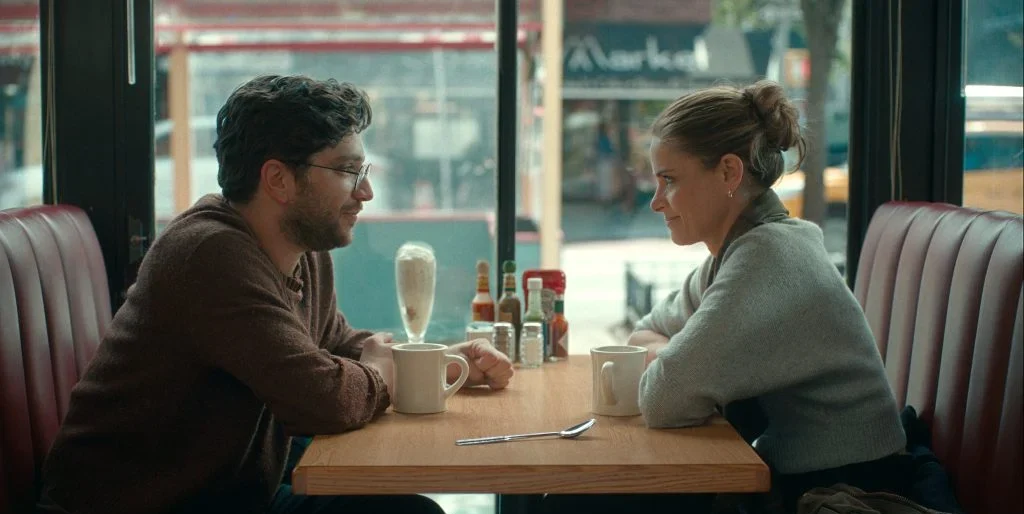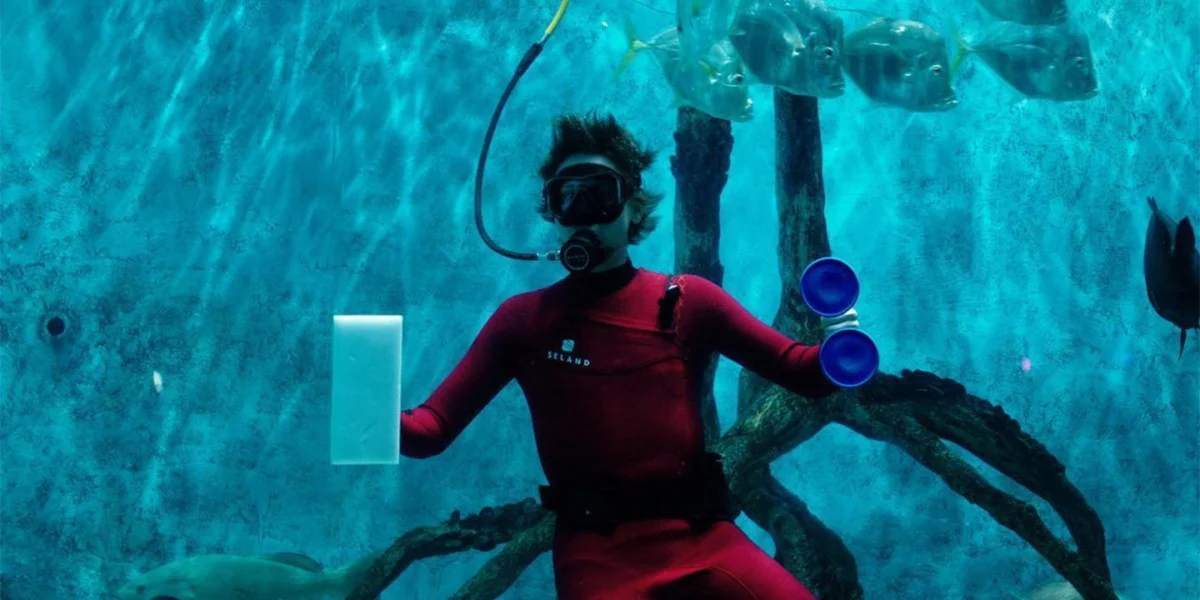
Director Tyler Cornack’s 2026 feature film Mermaid represents a stark departure from the traditional cinematic depictions of aquatic humanoids, opting instead for a gritty, naturalistic exploration of isolation, addiction, and the "Florida Man" cultural phenomenon. Produced with a runtime of 105 minutes, the film seeks to subvert the whimsical tropes established by genre classics like 1984’s Splash, replacing romantic comedy with body horror and social realism. Starring Johnny Pemberton as the protagonist Doug, the narrative follows a drug-addicted man at his absolute nadir who discovers a wounded mermaid in the Florida wilderness. Rather than a fairy-tale encounter, the discovery catalyzes a violent and desperate attempt to protect a creature that is as dangerous as it is vulnerable.
Narrative Overview and Character Dynamics
The story centers on Doug, a character designed to embody the multifaceted struggles of modern American disenfranchisement. Doug is introduced as a newly unemployed individual grappling with severe substance abuse issues and a profound sense of social alienation. The script hints at neurodivergence, with secondary characters frequently noting that "something’s not right with him," a detail that informs his inability to maintain stable relationships or traditional employment. His history includes a strained attempt at fatherhood following a one-night stand, leaving him in a state of profound loneliness.
The inciting incident occurs when Doug discovers an injured mermaid. In a departure from the aesthetic of Daryl Hannah’s iconic portrayal in Splash, this creature is depicted through a lens of horror. She is violent, unfriendly, and physically unsettling. Despite this, Doug experiences an immediate, non-sexual bond with the creature. The film specifically avoids the romantic or sexual undertones found in Guillermo del Toro’s The Shape of Water, focusing instead on a primal, protective instinct. As word of the creature’s existence begins to leak into the local community, the plot shifts into a high-stakes thriller, as Doug resorts to extreme measures to prevent the mermaid from being captured or exploited.
The "Florida Man" Context and Setting
Mermaid is explicitly framed as a "love letter to Florida," utilizing the state’s unique cultural reputation as a backdrop for its bizarre occurrences. The "Florida Man" archetype—a recurring internet meme involving eccentric or logic-defying news reports from the Sunshine State—serves as the foundational DNA for the film’s atmosphere. By seting the story in this environment, Cornack justifies the film’s surreal elements, suggesting that in a state known for its unpredictable and often strange headlines, the discovery of a horrific sea creature is a plausible, if extreme, extension of reality.
The setting allows for a cast of "quirky" characters that populate Doug’s world. These figures provide a tapestry of the Florida landscape, ranging from the mundane to the grotesque. The film utilizes naturalistic cinematography to ground these elements, making the sudden shifts into drug-induced hallucinations or stylized horror more jarring for the audience.
Production Background and Directorial Vision
Tyler Cornack, known for his previous independent works such as Butt Boy and Tiny Cinema, brings a specific "cult film" sensibility to Mermaid. His directorial style in this project is characterized by a commitment to practical effects and a rejection of polished, big-budget aesthetics. The mermaid’s design is a highlight of the production, utilizing advanced makeup effects to create a creature that feels tangibly present and genuinely threatening.
Technical Specifications and Cast
| Element | Details |
|---|---|
| Director/Writer | Tyler Cornack |
| Running Time | 105 Minutes |
| Lead Actor | Johnny Pemberton (Doug) |
| Supporting Cast | Robert Patrick, Kevin Dunn, Kevin Nealon, Tom Arnold, Kirk Fox |
| Genre | Horror / Dark Comedy / Drama |
| Release Year | 2026 |
The casting of veteran actors like Robert Patrick, Kevin Dunn, and Kevin Nealon provides a level of gravitas to the indie production. While some of these actors, such as Tom Arnold, appear only briefly, their presence serves to flesh out the world. Kevin Dunn, in particular, delivers a pivotal monologue on a boat that has been noted for its emotional weight and technical execution.
Chronology of Production and Release
The development of Mermaid followed Cornack’s success in the underground film circuit. Production took place primarily on location in Florida to capture the specific lighting and environmental textures of the region.
- Pre-Production (2024): Script development focused on blending the "Florida Man" aesthetic with creature-feature horror elements.
- Principal Photography (2025): Filming occurred across various Florida wetlands and coastal areas, prioritizing practical locations over studio sets.
- Post-Production (Late 2025): Focus on the integration of makeup effects and the development of the film’s "drug-induced" visual sequences.
- Release (2026): The film debuted on the festival circuit before moving to limited theatrical and streaming platforms.
Comparative Analysis: Splash vs. Mermaid
The film’s marketing and thematic core frequently invite comparisons to the 1984 film Splash. However, the two films exist on opposite ends of the tonal spectrum. While Splash utilized the mermaid mythos to explore themes of "fish-out-of-water" comedy and destiny, Mermaid uses it to explore the darker side of human obsession and the lengths to which a desperate person will go to find a sense of purpose.
Furthermore, Mermaid arrives in a year—2026—that has seen significant interest in interspecies narratives, most notably the blockbuster adaptation of Project Hail Mary. Unlike the profound, communicative friendship depicted between Ryland Grace and the alien Rocky in Project Hail Mary, the bond in Mermaid is more ambiguous and arguably more tragic. The mermaid in Cornack’s vision remains an enigma—a silent, dangerous force that Doug projects his own needs onto, rather than a partner in a mutual exchange.
Critical Reception and Thematic Implications
Early analysis of the film highlights a significant tonal divide. The horror elements and creature design have received praise for their originality and execution. One specific sequence, described as exceptionally grotesque, has been identified as a standout moment that defines the film’s "sicko" appeal. Conversely, the comedic elements have faced criticism for failing to land, often creating a "tonal mismatch" that distances the viewer from the narrative.
The character of Doug remains a point of contention. Unlike traditional protagonists who undergo a "Save the Cat" moment to garner audience sympathy, Doug is portrayed with a level of unappealing realism. His willingness to sacrifice his own pet fish to feed the mermaid is a specific plot point that has polarized viewers, particularly those sensitive to animal welfare. This choice by Cornack emphasizes Doug’s moral decay and his singular, borderline-obsessive focus on the creature at the expense of all else.
Broader Impact on the Horror Genre
Mermaid contributes to a growing trend in the mid-2020s of "naturalistic horror," where supernatural or mythological elements are dropped into mundane, often impoverished settings. By stripping the mermaid of her traditional beauty and magic, the film forces the audience to confront the creature as a biological entity and a source of chaos.
The film also serves as a critique of the "Florida Man" phenomenon. While the world laughs at the bizarre headlines coming out of the state, Mermaid suggests a deeper well of loneliness and mental health struggles underlying those stories. Doug is not just a punchline; he is a byproduct of an environment that has failed to provide him with a safety net, leading him to find companionship in a literal monster.
Conclusion
Mermaid is a challenging addition to the 2026 cinematic landscape. While it may struggle with its comedic timing and a lead character that offers little emotional depth, its commitment to a unique visual style and its uncompromising take on a classic myth make it a notable entry in Tyler Cornack’s filmography. It stands as a testament to the versatility of the mermaid trope, proving that even the most whimsical of legends can be reimagined as a dark, swamp-soaked nightmare. For audiences seeking a conventional narrative of romance or heroism, Mermaid offers little; however, for those interested in the intersection of regional folklore, body horror, and the fringes of society, it provides a distinctive and haunting experience.