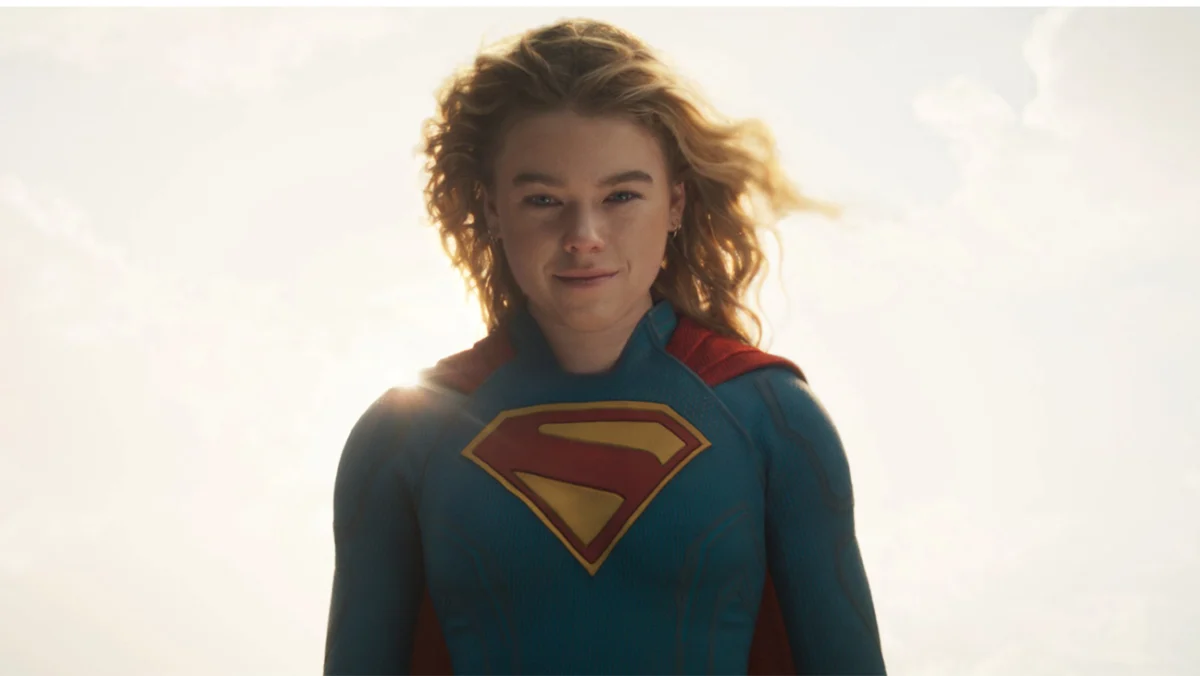
Milly Alcock, the rising star tapped to lead the highly anticipated Supergirl film within James Gunn and Peter Safran’s revitalized DC Universe, is candidly addressing her preparations for the intense public scrutiny and potential backlash that often accompany high-profile superhero roles. Drawing on her previous experience with the fervent global fanbase of HBO’s House of the Dragon, Alcock demonstrates a seasoned awareness of the unique challenges inherent in stepping into such an iconic character, particularly as a woman at the forefront of a major blockbuster.
The Crucible of Fandom: Lessons from Westeros
Alcock’s ascent to global recognition came with her breakout performance as young Rhaenyra Targaryen in House of the Dragon, the acclaimed prequel to Game of Thrones. This role, while propelling her career, also immersed her directly into the often-intense and sometimes volatile world of modern fandom. The Game of Thrones universe, renowned for its passionate viewers and detailed lore, provided Alcock with a firsthand understanding of how deeply invested audiences can become in fictional narratives and the actors who bring them to life. This experience, she explains, has proven invaluable in shaping her approach to the forthcoming Supergirl film.
In a recent interview with Vanity Fair, Alcock articulated a key lesson learned from her time on House of the Dragon: "It definitely made me aware that simply existing as a woman in that space is something that people comment on." This observation highlights a pervasive issue within genre fandoms, where female characters and the actresses portraying them frequently face disproportionate levels of criticism, objectification, and unsolicited commentary, often extending beyond their performances to their physical appearance and personal lives. Alcock acknowledged this reality with a pragmatic resolve, stating, "We have become very comfortable having this weird ownership of women’s bodies. I can’t really stop them. I can only be myself." This statement underscores a broader societal discussion about the commodification and public ownership of female images, particularly within the entertainment industry, and the mental fortitude required to navigate such pressures.
The intensity of fandom culture has evolved significantly with the advent of social media, creating direct, unfiltered channels for audience feedback—both positive and negative. While fostering communities and amplifying appreciation, these platforms can also become breeding grounds for "toxic fandom," characterized by aggressive criticism, harassment, and an exaggerated sense of entitlement over creative properties. Actors, especially those stepping into beloved, long-established roles like Supergirl, are frequently on the receiving end of this dual-edged sword, facing immediate and often relentless judgment from millions worldwide.
Navigating the Digital Minefield: Prioritizing Mental Well-being
Alcock’s strategy for coping with this environment is rooted in a conscious decision to disengage from the more corrosive aspects of online discourse. As she previously shared with Nylon in 2022, her approach is to actively avoid engaging with online discussions regarding her projects, a practice she finds essential for her mental well-being. "It just makes me incredibly anxious," she admitted at the time, explaining that the constant exposure to her own image and public opinion is "straining."
Her remarks shed light on the immense psychological toll that continuous public scrutiny and online criticism can take on individuals in the public eye. The expectation for celebrities to be constantly accessible and responsive on social media platforms creates a unique pressure cooker, where boundaries between public and private life blur. Alcock’s frank assessment – "No one should have to do that. It f***ing sucks, man. I don’t know how the socialites of the world can do that. It’s kind of driving me off the wall. It’s an incredibly difficult space to navigate" – resonates with many public figures who grapple with the mental health implications of a digitally interconnected world. Her choice to limit her engagement is a proactive measure to protect her mental health, a strategy increasingly adopted by celebrities seeking to maintain a semblance of normalcy and self-preservation amidst the relentless demands of fame. This decision highlights a growing awareness within the industry regarding the importance of mental health and the need for personal boundaries in the digital age, challenging the long-held expectation for celebrities to be constantly available for public consumption.
Supergirl: A New Era for the Woman of Tomorrow
Alcock’s role as Supergirl is particularly significant as it marks a pivotal character in the nascent DC Universe, spearheaded by co-CEOs James Gunn and Peter Safran. The upcoming film, expected to draw heavily from Tom King and Bilquis Evely’s critically acclaimed comic series Supergirl: Woman of Tomorrow, promises a fresh, emotionally resonant take on Kara Zor-El. Unlike her cousin Superman, Kara’s origin story often depicts her witnessing the destruction of Krypton and enduring a much harsher, more traumatic journey to Earth. This narrative depth offers a rich canvas for Alcock to explore a Supergirl who is not merely a super-powered hero, but a complex individual grappling with loss, vengeance, and a profound sense of justice forged through hardship.
The casting of Alcock in January 2024 was met with considerable excitement, signaling a clear direction for the DCU’s future. The film is currently slated for release on June 26, though a specific year has not yet been announced, indicating it is likely part of the DCU’s "Chapter One: Gods and Monsters" slate, which will unfold over the next several years. The expectation is that Supergirl will serve as a foundational piece, introducing a new generation to Kara Zor-El’s unique perspective within the broader DC narrative, potentially intersecting with other heroes as the universe expands. The choice of Alcock, known for her nuanced portrayal of a strong yet vulnerable character in House of the Dragon, suggests a commitment to a Supergirl who embodies both formidable power and deep emotional complexity, moving beyond simplistic heroic archetypes.
The "Is It Cinema?" Debate: Genre Films Under the Microscope
Beyond the pressures of fandom, Alcock also weighed in on a long-standing debate within the film industry: the artistic merit of the superhero genre. Legendary directors Martin Scorsese and Ridley Scott have been vocal critics, sparking considerable discussion across Hollywood and among film enthusiasts.
Martin Scorsese, the revered director behind cinematic masterpieces like Taxi Driver and Goodfellas, famously ignited the debate in 2019 by asserting that Marvel films—and by extension, the superhero genre—are "not cinema" and likened them to "theme parks." His comments, initially made in an interview with Empire magazine and later elaborated upon in a New York Times op-ed, argued that these films lack the emotional and psychological complexity, the personal vision, and the risk-taking that define true cinema. Scorsese posited that the dominance of franchise films, with their emphasis on spectacle and mass appeal, threatens the existence of more nuanced, character-driven storytelling.
Ridley Scott, another titan of cinema responsible for classics like Alien and Blade Runner, echoed similar sentiments, albeit with a more direct and blunt critique. In interviews, Scott has repeatedly called superhero films "boring as s**t" and criticized their "bad scripts," suggesting a lack of originality and artistic depth compared to other genres. His perspective, like Scorsese’s, stems from a career built on crafting intricate worlds and complex narratives, often with strong auteurial visions.
These criticisms from two of cinema’s most respected figures sparked a vigorous debate. Supporters of superhero films argued that the genre has evolved, offering diverse storytelling, complex characters, and often tackling profound themes beneath the spectacle. They also highlighted the genre’s immense cultural impact and its ability to draw vast audiences to theaters, keeping the cinematic experience alive. Many filmmakers and actors involved in superhero productions also defended their work, emphasizing the creative challenges and collaborative efforts involved in bringing these stories to life.
Alcock’s response to these criticisms was notably measured and respectful. "I get it," she acknowledged in her Vanity Fair interview, referencing Scorsese and Scott’s long, distinguished careers of "making phenomenal films." Her nuanced perspective suggests an understanding of their traditionalist viewpoints while also defending the genre she is now a part of. "Not every film is for everyone. The beauty of art is that you can be selective," she concluded. This statement champions the diversity of cinematic expression and the subjective nature of artistic appreciation. It implicitly argues that different genres serve different purposes and appeal to different audiences, and that the existence of one does not inherently diminish the value of another. Her response avoids a confrontational stance, instead advocating for a broader appreciation of the varied landscape of film.
The Broader Implications: A Changing Cinematic Landscape
Milly Alcock’s journey into the DC Universe, and her thoughtful approach to the challenges it presents, reflects a broader shift in the entertainment industry. The interplay between intense fan engagement, the omnipresence of social media, and the ongoing debate about the definition of "cinema" continues to shape how films are made, received, and discussed.
The proactive stance taken by actors like Alcock—prioritizing mental health by setting boundaries with online discourse—is becoming increasingly vital in an era where celebrity is often synonymous with constant digital exposure. This trend indicates a growing recognition within Hollywood that the emotional well-being of its talent is paramount, and that unchecked online toxicity can have severe consequences.
Furthermore, the very existence of a new Supergirl film, particularly one based on a nuanced comic like Woman of Tomorrow, underscores the enduring power and evolving potential of the superhero genre. Despite criticisms from seasoned veterans, these films continue to dominate the box office and cultural conversation, proving their capacity for compelling storytelling when handled with care and vision. Alcock’s casting and her thoughtful preparation position her not just as an actress taking on a role, but as a significant voice navigating the complex intersection of art, commerce, and digital culture in the 21st century. Her measured wisdom in the face of anticipated backlash suggests a performer ready not only for the physical demands of playing a superhero but also for the profound psychological and public responsibilities that come with embodying such a beloved icon. As the DCU forges its path, Alcock’s Supergirl stands poised to be a symbol not just of power and justice, but also of resilience in the modern media landscape.