In a significant development for the streaming landscape, Netflix is poised to welcome two highly anticipated theatrical releases from Universal Pictures: the horror sequel The Black Phone 2 and the family-friendly Gabby’s Dollhouse: The Movie. These titles are scheduled to migrate to Netflix in the United States next month, following their initial exclusive runs on Peacock. This strategic acquisition is a direct outcome of Netflix’s recently activated Pay-1 window output deal with Universal Pictures, a partnership that continues to reshape content distribution dynamics in the highly competitive streaming sector.
This move underscores Netflix’s aggressive strategy to enrich its content offerings with premium, fresh-from-cinema titles, particularly in key demographic areas such as horror and children’s entertainment. The staggered release model, a hallmark of the Universal Pay-1 window agreement, dictates that films first debut in theaters, then transition to Peacock for a four-month exclusive period, before moving to Netflix for a subsequent ten-month exclusive streaming window. Following this, the titles will return to Peacock for the final four months of their 18-month Pay-1 cycle. This intricate dance between platforms highlights the evolving nature of content licensing and the pursuit of maximizing audience reach and revenue across multiple streaming ecosystems.
Strategic Content Shift: Universal’s Pay-1 Window Deal with Netflix
The partnership between Universal Pictures and Netflix for the Pay-1 window represents a pivotal shift in content distribution, a strategy that was initially slated to commence in 2027 but was notably fast-tracked to early 2026. Industry analysts suggest this acceleration might be attributed to a desire by Netflix to fortify its content pipeline, especially in light of a reported decrease in its own original movie output in certain quarters. For Universal, this arrangement offers a robust mechanism to leverage Netflix’s vast global subscriber base, ensuring wider exposure and sustained monetization for its theatrical releases beyond their initial run on its proprietary streaming service, Peacock.
Historically, Pay-1 window deals were predominantly the domain of traditional cable networks, securing exclusive rights to films after their theatrical and home video release. However, the advent of streaming services has fundamentally altered this paradigm, with platforms like Netflix now vying aggressively for these lucrative licensing agreements. The Universal deal, in particular, is noteworthy for its dual-platform approach, allowing Universal’s parent company, NBCUniversal, to drive subscriptions to Peacock while simultaneously capitalizing on Netflix’s unparalleled reach during a crucial ten-month exclusivity period. This hybrid model reflects a pragmatic approach to content distribution in a fragmented media landscape, balancing direct-to-consumer ambitions with the undeniable power of third-party platforms.
The Black Phone 2: A Deep Dive into Horror’s Return
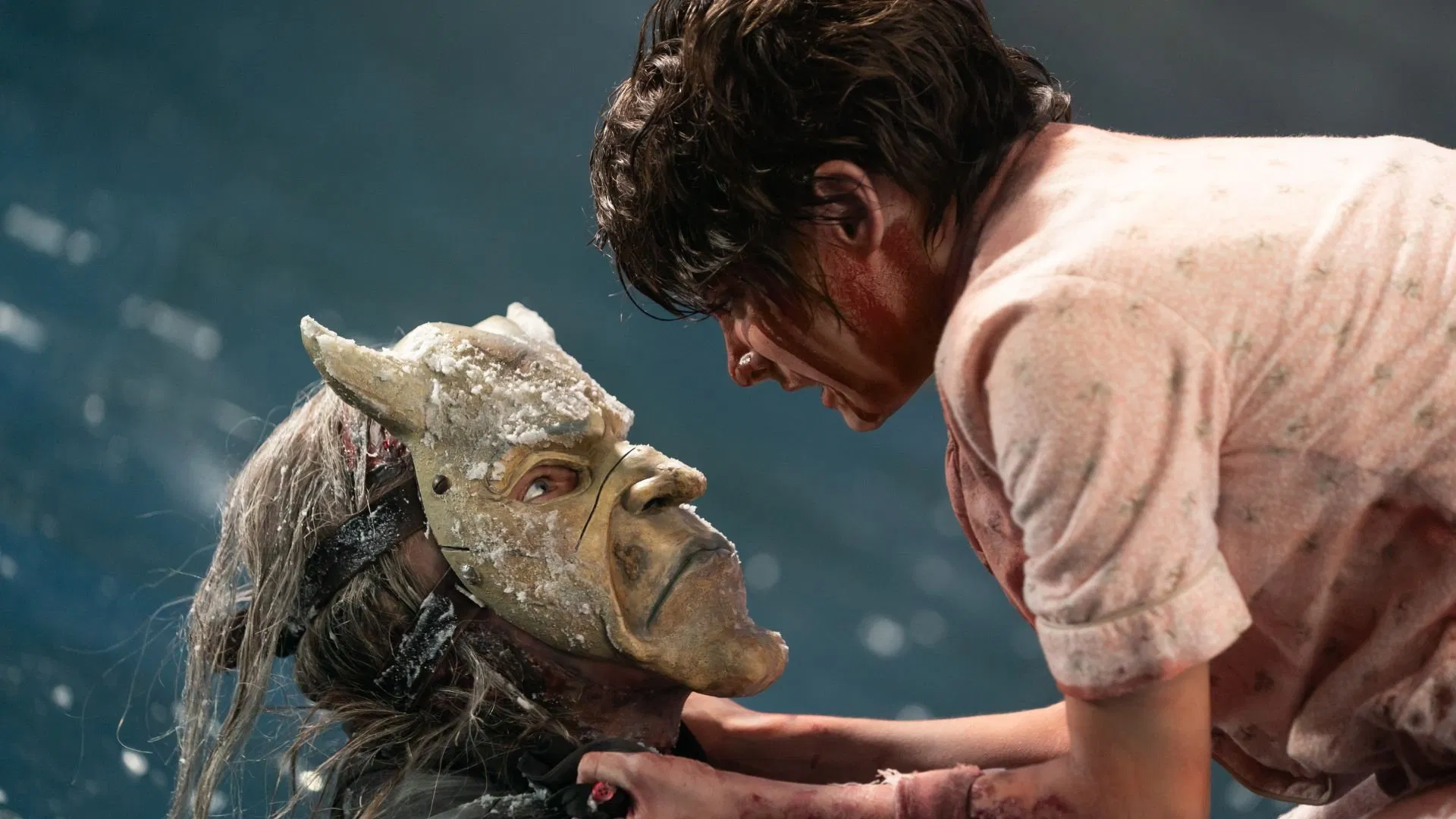
Slated for release on Netflix on May 16th, The Black Phone 2 arrives with significant anticipation from the horror community. This sequel follows the critically and commercially successful The Black Phone, which debuted in 2022 and garnered widespread acclaim for its chilling narrative and strong performances. The original film, based on Joe Hill’s short story, was a Blumhouse Productions success, grossing over $161 million worldwide on a modest budget of approximately $18 million. Its success cemented its place as a modern horror classic, applauded for its unique blend of supernatural terror and psychological suspense.
The return of key cast members, including Ethan Hawke as the terrifying Grabber, along with Mason Thames and Madeleine McGraw, ensures continuity and builds upon the established lore. The first film’s narrative, centered on a kidnapped boy communicating with past victims through a disconnected phone, resonated deeply with audiences and critics alike, achieving an impressive 83% approval rating on Rotten Tomatoes. The sequel is expected to delve further into the sinister mythology, promising more suspense and scares.
For Netflix, acquiring The Black Phone 2 is a strategic move to bolster its horror genre offerings, a category that consistently performs well on the platform. Horror titles often generate significant buzz and drive engagement, particularly among younger demographics. The ten-month exclusive window on Netflix provides a substantial period for subscribers to discover or revisit the film, contributing to sustained viewership and potentially attracting new subscribers drawn to premium horror content. This acquisition also complements Netflix’s existing library of Blumhouse productions, further solidifying its position as a go-to destination for horror aficionados. The film’s critical reception, reported as "mostly positive reviews across the board" by IMDb, suggests it will likely replicate the success of its predecessor in terms of audience engagement.
Gabby’s Dollhouse: The Movie: Expanding a Children’s Phenomenon
A week after the horror sequel, on May 23rd, Netflix will introduce Gabby’s Dollhouse: The Movie. This feature-length animation is a natural extension of the hugely popular Gabby’s Dollhouse animated series, which has become one of Netflix’s most successful children’s properties globally. The series, known for its vibrant visuals, engaging songs, and positive messages, has captivated millions of young viewers and their families, consistently ranking high on Netflix’s Top 10 Kids charts since its debut.
The show’s success is not merely anecdotal; Gabby’s Dollhouse has spawned a vast array of merchandise, live shows, and interactive experiences, demonstrating its significant cultural and commercial impact. With the series already in its 13th season and renewed through at least season 15, the move to a feature film format signifies DreamWorks Animation’s confidence in the brand’s enduring appeal and its potential for broader narrative exploration.
The movie sees Laila Lockhart Kraner reprise her role as Gabby, supported by an impressive voice cast including Gloria Estefan, Kristen Wiig, Ego Nwodim, Kyle Mooney, and Melissa Villaseñor. This ensemble cast adds star power to an already beloved franchise, likely drawing an even wider audience. For Netflix, securing Gabby’s Dollhouse: The Movie is a crucial move to reinforce its dominance in the competitive children’s content market. Kids’ programming is a powerful tool for subscriber retention, as families often subscribe to platforms that offer a safe and extensive library of content for their children. The film is virtually guaranteed to dominate the Netflix Top 10 Kids chart for weeks, further cementing the platform’s reputation as a premier destination for family entertainment. This acquisition also highlights the symbiotic relationship between DreamWorks Animation and Netflix, where successful series can seamlessly transition to feature films, leveraging the established audience base.
Understanding the Staggered Streaming Window Model
The mechanics of the Universal Pay-1 window deal are a prime example of the intricate strategies employed by major studios in the streaming era. The traditional linear progression of content from theatrical release to home video, then to Pay-Per-View, and finally to Pay-TV windows, has been disrupted and reconfigured. In the current model, the theatrical window remains paramount for establishing brand awareness and generating initial revenue. Following this, the move to Peacock for four months serves to drive subscriptions to Universal’s own streaming service, providing an exclusive draw for early adopters and dedicated fans.
The subsequent transfer to Netflix for a ten-month period is strategically calculated. Netflix’s expansive global reach, boasting over 260 million subscribers worldwide, offers an unparalleled platform for these films to reach a massive secondary audience. This period allows Universal to monetize its content further by licensing it to a dominant player in the streaming market, generating substantial revenue streams that complement Peacock’s subscription-based model. For Netflix, this influx of fresh, high-quality, and pre-marketed theatrical films helps to refresh its content library, combat churn, and attract new subscribers without the significant upfront costs and risks associated with producing all content in-house.
Finally, the return to Peacock for the concluding four months of the Pay-1 window ensures that Universal retains ultimate long-term exclusivity on its own platform, allowing it to leverage the enduring popularity of these titles for future subscriber acquisition and retention efforts. This dynamic, multi-platform approach is a sophisticated response to the complexities of modern content distribution, seeking to maximize both immediate revenue and long-term strategic advantage.
Implications for the Streaming Landscape
The Universal-Netflix Pay-1 deal, and the impending arrival of The Black Phone 2 and Gabby’s Dollhouse: The Movie, carries significant implications for the broader streaming landscape. For Netflix, it signifies a continued commitment to diversifying its content acquisition strategy. While the platform has heavily invested in original content, licensing popular theatrical films remains a vital component of its appeal, providing a steady flow of recognizable titles that resonate with a wide audience. This strategy helps Netflix maintain its competitive edge against rivals like Max, Disney+, and Amazon Prime Video, all of whom are aggressively pursuing their own content strategies.
For NBCUniversal and Peacock, the deal represents a pragmatic balance between exclusivity and revenue generation. While retaining films exclusively on Peacock for their entire lifecycle might seem ideal from a direct-to-consumer perspective, the financial benefits and audience exposure gained from a partnership with Netflix are undeniable. This hybrid model allows Peacock to mature and grow its subscriber base while Universal continues to profit from its valuable intellectual property through diverse distribution channels. It also underscores the evolving nature of "exclusivity" in streaming, where staggered windows and shared rights are becoming increasingly common.
Furthermore, this arrangement highlights the enduring value of theatrical releases. Films that perform well in cinemas carry significant brand recognition and audience interest into their streaming windows, making them more valuable acquisitions for platforms. This symbiotic relationship ensures that both traditional theatrical distribution and modern streaming services continue to play crucial, interconnected roles in the lifecycle of a film. The deal also sets a precedent for how major studios might navigate the future of content distribution, potentially leading to more flexible and multi-platform licensing agreements across the industry.
Future Outlook for Universal Titles on Netflix
The arrival of The Black Phone 2 and Gabby’s Dollhouse: The Movie is merely the beginning of a steady stream of Universal Pictures titles expected to land on Netflix in the coming months and years. As the Pay-1 window deal continues to unfold, subscribers can anticipate a diverse array of films spanning various genres, from blockbuster action to compelling dramas and animated features. This consistent flow of fresh, high-quality content will be instrumental in reinforcing Netflix’s position as a leading global entertainment provider.
Looking ahead, films like Wicked (Part One and Part Two), Twisters, Despicable Me 4, and various Blumhouse projects are all expected to follow a similar distribution trajectory. Each film, after its theatrical and initial Peacock run, will eventually make its way to Netflix for its ten-month exclusive window. This predictable pipeline allows Netflix to plan its content calendar effectively, offering subscribers a reliable schedule of major film releases.
The partnership also reinforces the notion that even as studios build their own streaming services, the sheer scale and reach of a platform like Netflix remain irresistible for maximizing content exposure and revenue. As the streaming wars continue to intensify, such strategic alliances will likely become more common, reflecting a dynamic and adaptable industry where collaboration can be as crucial as competition. The success of this deal, as evidenced by the anticipation for The Black Phone 2 and Gabby’s Dollhouse: The Movie, will undoubtedly serve as a benchmark for future content distribution negotiations across the industry.
As both horror enthusiasts and families eagerly await these additions to Netflix’s library next month, the broader industry will be watching closely, analyzing the implications of this significant content migration and its impact on subscriber engagement and market share.