The highly anticipated Netflix series adaptation of Jo Nesbø’s best-selling "Harry Hole" novels has made its global debut this week, marking a significant entry into the 2026 European streaming landscape. Starring Tobias Santelmann as the titular tormented detective and Joel Kinnaman as his formidable adversary, Tom Waaler, the Nordic noir murder mystery is drawing early praise for its lead performances but facing scrutiny for its deliberate, often slow pace and occasional forays into graphic violence. While the series aims to capture the gritty essence of Nesbø’s acclaimed literary universe, initial reviews suggest it may struggle to fully translate the page-turning urgency of its source material to the screen.
The Return of Harry Hole: A High-Stakes Adaptation
The launch of "Harry Hole" represents a pivotal moment for fans of Jo Nesbø’s iconic character, who has graced the pages of a dozen novels since his debut in 1997. This new Netflix production arrives under considerable pressure, not least due to the critical and commercial disappointment of the 2017 film adaptation, "The Snowman," which was widely panned. With renowned British production company Working Title once again involved, and crucially, Nesbø himself penning all nine episodes of this inaugural season, expectations for a faithful and compelling rendition have been exceptionally high. The series draws its narrative from "The Devil’s Star," the fifth book in Nesbø’s intricate saga, promising a deep dive into one of Hole’s most challenging cases and personal struggles.
The official logline sets the stage for a complex narrative: "Created by one of the greatest storytellers in crime fiction, Jo Nesbø’s Harry Hole is a whodunnit serial killer mystery led by famed anti-hero Harry Hole. Underneath the surface, this series is a nuanced character drama about two police officers – and supposed colleagues – operating on opposite sides of the law. Throughout the first season, Harry goes head-to-head with his long-time adversary and corrupt detective Tom Waaler. Harry is a brilliant but tormented homicide detective who struggles with his demons. As the two navigate the blurred ethical lines of the criminal justice system, Harry must do all he can to catch a serial killer and bring Waaler to justice before it is too late." This dual focus on a gripping serial killer plot and the profound character drama between Hole and Waaler forms the bedrock of the series’ ambition.
Jo Nesbø and the Enduring Appeal of Nordic Noir
Jo Nesbø has long been a towering figure in contemporary crime fiction, particularly celebrated for his contributions to the Nordic Noir genre. His "Harry Hole" series has sold tens of millions of copies worldwide, establishing a benchmark for dark, psychologically complex thrillers. The character of Harry Hole himself is a quintessential anti-hero: brilliant but deeply flawed, a maverick detective with a penchant for self-destruction, grappling with alcoholism, personal demons, and a profound sense of justice in a morally ambiguous world. This intricate characterization, combined with Nesbø’s masterful plotting and unflinching exploration of societal ills, has cemented Hole’s place in the pantheon of literary detectives.
Nordic Noir, a subgenre characterized by its bleak aesthetic, morally ambiguous protagonists, intricate plots, and often critical examination of social issues, exploded onto the global scene in the early 21st century. Works like Stieg Larsson’s "The Girl with the Dragon Tattoo," the Danish series "The Killing," and Henning Mankell’s "Wallander" adaptations captivated audiences with their moody atmospheres, stark landscapes, and slow-burn psychological tension. Nesbø’s novels, particularly the Harry Hole series, are cornerstones of this movement, offering a uniquely Norwegian flavor to the genre. The Netflix adaptation, therefore, carries the weight of this rich literary tradition, striving to satisfy both existing fans and newcomers to the world of Nordic crime.
Production and Creative Vision: Bringing "The Devil’s Star" to Life
The series opens with Harry Hole (Tobias Santelmann) in a precarious state, five years after a car accident that claimed the life of his colleague during a bank robber arrest. Haunted by these psychological wounds, Hole has been striving for sobriety and a semblance of normalcy, finding solace in his relationship with Rakel (Pia Tjelta), a single mother with a son he attempts to bond with. However, the fragile balance of his life in Oslo’s golden summer heat is shattered by a cascade of events that test his detective skills, trust, and hard-won forgiveness.
The creative choices for the series are noteworthy. Visually, the production utilizes "golden summer hues," offering a distinct, almost melancholic beauty to the Norwegian setting. The auditory landscape is equally significant, featuring a haunting score by the acclaimed duo Nick Cave and Warren Ellis, perfectly complementing the series’ dark tone. Additionally, well-placed rock needle drops, referencing artists from The Ramones to Pixies, serve as a subtle nod to Hole’s (and Nesbø’s) own appreciation for rock music, adding another layer of character insight and atmosphere.
Character Dynamics: Santelmann’s Hole and Kinnaman’s Waaler
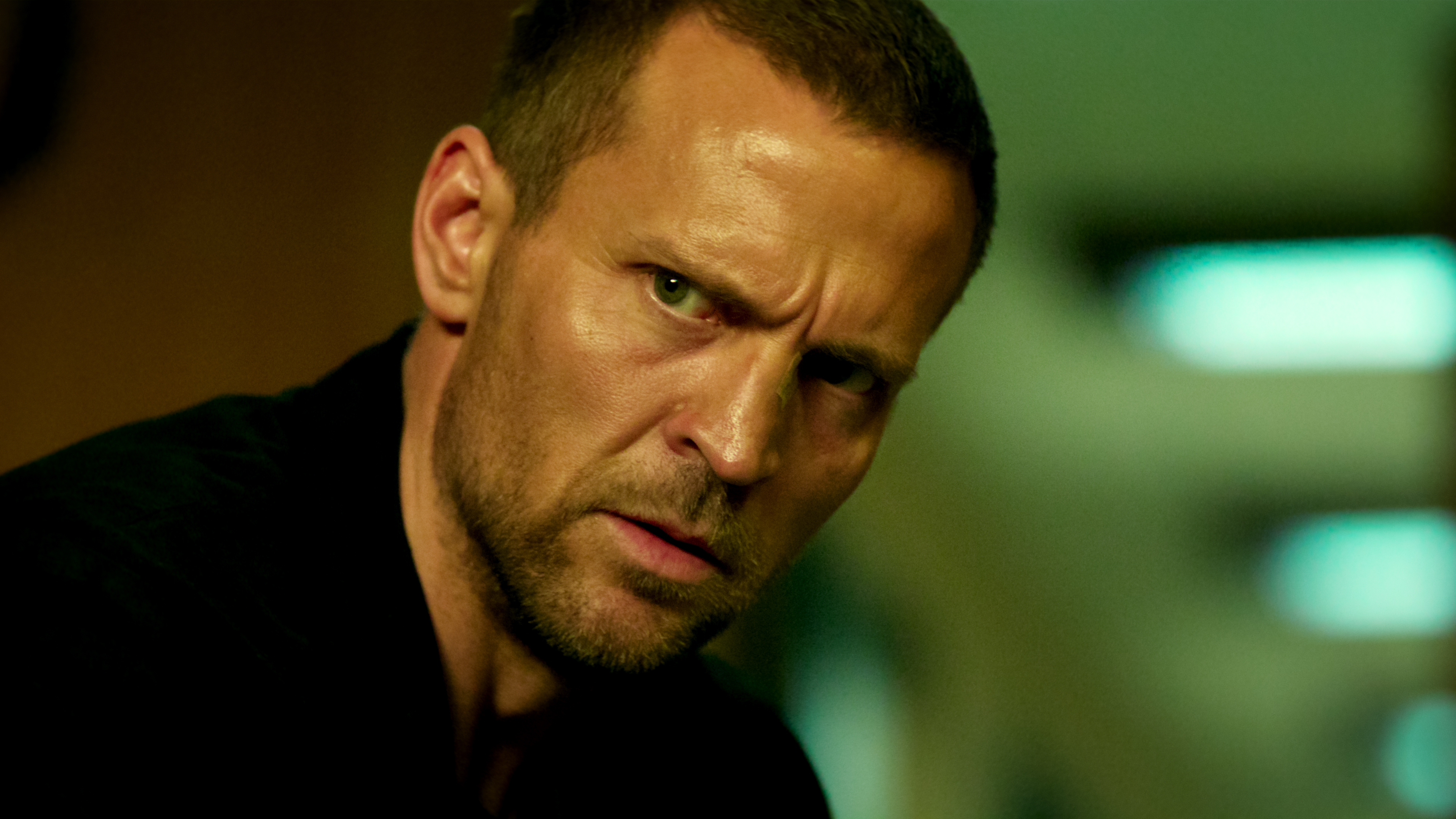
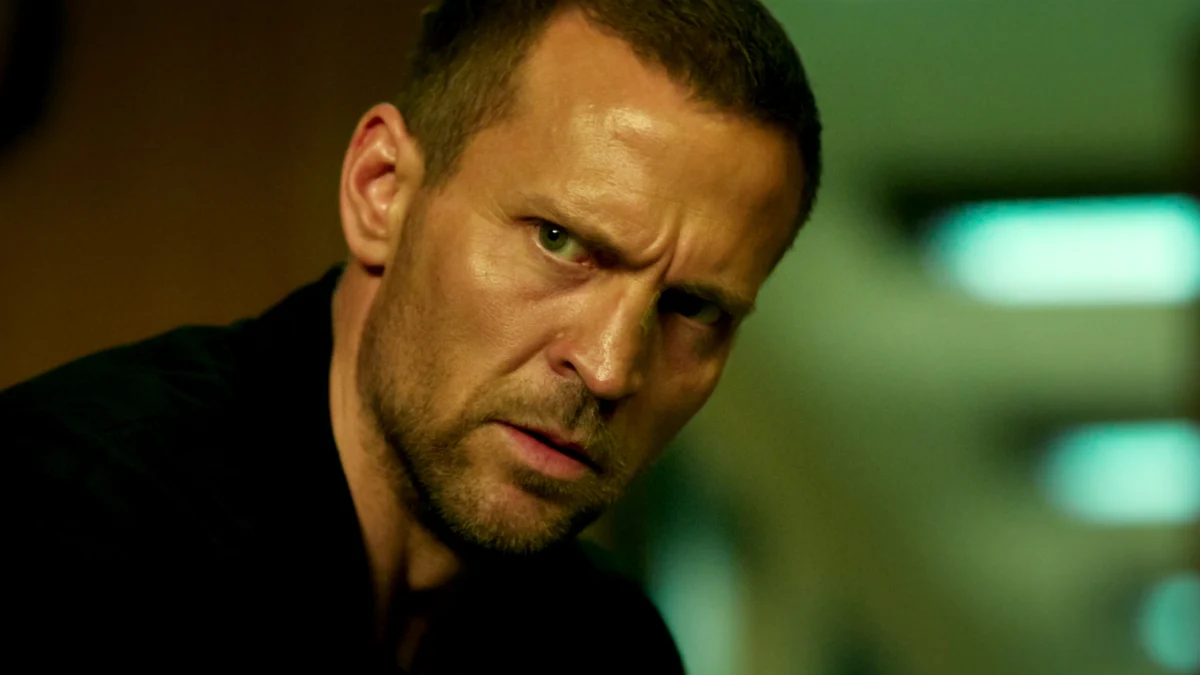
At the heart of "Harry Hole" are two compelling arcs. The first is the simmering rivalry between Hole and Tom Waaler, portrayed with chilling precision by Joel Kinnaman. Kinnaman, known for his roles in American series like AMC’s "The Killing," Prime Video’s "Hanna," and Netflix’s "Altered Carbon," delivers a controlled yet unnerving performance. His Waaler is outwardly respected by his superiors, yet harbors a deep-seated animosity towards Hole, stemming from the same tragic car accident that killed Waaler’s partner. Kinnaman’s portrayal, marked by "empty, creepy stares," effectively conveys Waaler’s recklessness and his shadowy dealings within the Oslo underworld.
Nesbø’s writing shines in crafting this "dance between lonely, tortured characters." Waaler evolves into a Mephistophelean figure for Harry, constantly tempting him towards the blurred ethical lines of the criminal justice system, even as Hole feels his career teetering on the brink. This cat-and-mouse game provides much of the series’ dramatic tension, though some critics suggest its insistence on this dynamic can occasionally overshadow other narrative elements. The chemistry between Santelmann and Kinnaman is palpable, establishing a compelling dynamic of two men on opposite sides of the law, yet bound by a shared, tragic past. Santelmann, in particular, faces the daunting task of embodying a character so beloved in literature, and early reactions suggest he navigates Hole’s complex internal world with nuance and depth, successfully portraying his brilliance and profound torment.
The Narrative Challenge: Pacing, Plot, and Psychological Depth
The second central arc revolves around the titular "Devil’s Star" case: a series of grisly murders of young women, each marked by a mysterious red jewel left at the scene. This is where the series, according to some initial critiques, begins to falter. While Nesbø’s direct involvement in adapting his own work ensures fidelity to the source, it also leads to a narrative rhythm that "takes its sweet time in unveiling the motives and sinister plans of the criminals at hand." A significant point of contention is the series’ tendency to clue the audience into developments before Hole himself, transforming the viewing experience from a traditional whodunnit into a more observational exercise as Hole pieces together information the audience already possesses.
This narrative choice, while potentially deepening the psychological focus on Hole’s investigative process, may not resonate with all viewers accustomed to more immediate thrills. The series’ "slow pace" rewards patience, demanding viewers to immerse themselves in the "moody, struggling lead characters" rather than relying on rapid plot twists. This deliberate rhythm is a hallmark of classic Nordic Noir, prioritizing atmosphere and character development over breakneck action. However, in a crowded streaming landscape, such a measured approach risks alienating audiences seeking more immediate gratification.
Stylistic Choices and Mature Themes
Beyond pacing, the series’ handling of violence has also garnered attention. "Harry Hole" does not shy away from "occasional bursts of graphic violence," which, in some instances, "eventually veer towards the gratuitous." While Nordic Noir is known for its unflinching portrayal of dark themes and grim realities, the line between impactful and excessive violence can be thin. The lack of "lighter moments," save for Hole’s tentative attempts to bond with Rakel’s son, contributes to an overall intense and unrelenting viewing experience, which may not be suitable for all subscribers. This relentless darkness, while true to the source material, means the series offers little respite from its grim subject matter, reinforcing its identity as a demanding watch.
Netflix’s Investment in Global IP
The decision by Netflix to invest heavily in a high-profile adaptation of the "Harry Hole" series underscores the platform’s strategic focus on acquiring and developing established intellectual property, particularly from international markets. Nordic Noir has a proven global appeal, and Nesbø’s books provide a ready-made fan base and a rich narrative universe ripe for multi-season exploration. By featuring a prominent Norwegian actor like Tobias Santelmann in the lead role and leveraging the widespread recognition of Joel Kinnaman, Netflix aims to appeal to both regional audiences and its vast international subscriber base. This move aligns with Netflix’s broader strategy of producing high-quality, culturally specific content that can transcend linguistic and geographical barriers, echoing the success of other non-English language productions.
Looking Ahead: The Future of Harry Hole on Screen
Ultimately, the verdict on Netflix’s "Harry Hole" is nuanced. While Santelmann and Kinnaman deliver captivating performances, showcasing a compelling chemistry as two sides of a tormented coin, the murder mystery itself is described as "messy" and perhaps "too comfortable with its own slow pace." Despite these critiques, the enduring appeal of the Harry Hole character and the vast, largely untapped literary universe crafted by Jo Nesbø hold significant potential. The review suggests that the series’ ability to earn "possible sequels" will depend heavily on its viewership numbers, despite the initial mixed reception regarding pacing and graphic content. For fans of the books, and those who appreciate the deep psychological dive characteristic of classic Nordic Noir, this adaptation offers a return to a beloved, albeit flawed, detective. For Netflix, the series represents a significant gamble on a prestigious literary franchise, with the potential to either cement Harry Hole’s on-screen legacy or leave viewers longing for a more dynamically paced narrative. The coming weeks will determine if this latest iteration of Harry Hole can truly escape the shadows of its past adaptations and forge a new, successful path on the global streaming stage.