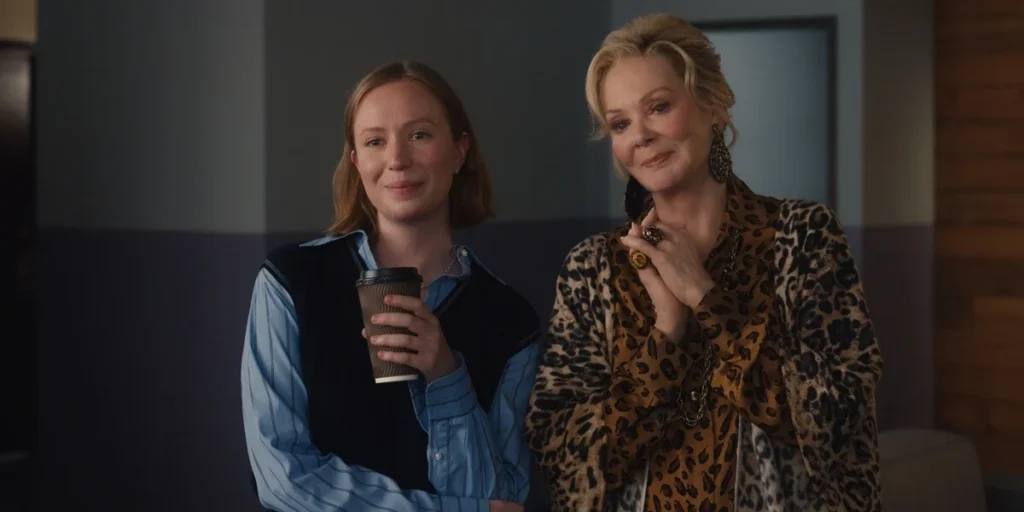
The Next Best Picture podcast has released its latest deep-dive review focusing on the new romantic comedy You, Me & Tuscany, a production that brings together a high-profile cast and creative team to explore the enduring "American abroad" cinematic trope. Hosted by Matt Neglia, the episode features contributors Katie Johnson and Dan Bayer, who provide a comprehensive analysis of the film’s narrative structure, the chemistry between its leads, and its broader implications for the film industry. The discussion centers on the film’s stars—Halle Bailey and Regé-Jean Page—and the specific pressures placed on modern romantic comedies in a theatrical landscape increasingly dominated by franchise blockbusters and streaming exclusives.
Production Overview and Narrative Premise
Directed by Kat Coiro and written by Ryan Engle, You, Me & Tuscany follows the story of a young, ambitious cook who finds herself in the heart of the Italian countryside. The plot is set in motion when the protagonist, portrayed by Halle Bailey, begins squatting in an abandoned Tuscan villa. The property belongs to a man she barely knows, leading to a series of complications when she encounters the owner’s cousin, played by Regé-Jean Page. The film utilizes its scenic Italian backdrop to facilitate a story of self-discovery, culinary passion, and romantic entanglement.
The project represents a notable departure for writer Ryan Engle, who is traditionally associated with high-octane action films such as Rampage and The Commuter. Conversely, Director Kat Coiro brings a wealth of experience in the contemporary romantic comedy and television sectors, having previously directed the Jennifer Lopez-led Marry Me and episodes of Marvel’s She-Hulk: Attorney at Law. The collaboration between a director rooted in character-driven comedy and a writer known for structural momentum creates a unique stylistic blend for the film.
The Evolution of the Leading Talent
A significant portion of the Next Best Picture review is dedicated to the career trajectories of the film’s two leads. Halle Bailey, who rose to international stardom following her role as Ariel in Disney’s live-action reimagining of The Little Mermaid and her performance in The Color Purple, continues to establish herself as a leading lady in non-musical roles. The podcast panel explores how Bailey’s "young and blossoming career" navigates the transition from studio-driven IP (Intellectual Property) to more intimate, character-led projects like You, Me & Tuscany.
The discussion also turns toward Regé-Jean Page, whose meteoric rise following the first season of Netflix’s Bridgerton made him a household name. Despite appearing in major productions such as Dungeons & Dragons: Honor Among Thieves and The Gray Man, the critics question why Page has not yet achieved the status of a perennial A-list leading man. The review analyzes his performance in this film as a potential bellwether for his future in the romantic genre, a space where he initially found his greatest success.
The supporting cast is also highlighted as a strength of the production. Featuring Lorenzo de Moor, Isabella Ferrari, Aziza Scott, and Marco Calvani, the film gains an authentic European texture. Additionally, the inclusion of Nia Vardalos—best known for writing and starring in My Big Fat Greek Wedding—adds a layer of genre pedigree to the project.
The State of the Romantic Comedy Genre
The podcast panel contextualizes You, Me & Tuscany within the current state of theatrical exhibition. For several years, the romantic comedy genre was largely relegated to streaming platforms, with studios hesitant to invest in theatrical releases for mid-budget adult dramas and comedies. However, the recent success of films like Anyone But You, which grossed over $200 million globally, and Ticket to Paradise, starring Julia Roberts and George Clooney, has signaled a potential "rom-com renaissance" in cinemas.
The critics discuss whether You, Me & Tuscany can maintain this momentum. The film faces the challenge of attracting audiences to a story that does not rely on established superhero lore or action-heavy sequences. The panel evaluates the "theatricality" of the film—whether its cinematography and scale justify a cinema ticket or if it feels more aligned with the direct-to-streaming models of Netflix or Prime Video.
Cultural Representation and Industry Expectations
One of the most poignant segments of the review addresses the "POC-led" (People of Color) nature of the film. As an American romantic comedy featuring two Black leads in a European setting, You, Me & Tuscany carries a weight of expectation that is often not applied to its white-led counterparts. The podcast hosts debate the fairness of this dynamic, noting that the film has been "saddled with expectations to perform well at the box office so that other similar projects can be greenlit."

This phenomenon, often referred to as the "burden of representation," means that the commercial failure of a diverse film is sometimes used by industry executives as a justification to avoid similar investments in the future. The panel explores the systemic issues within Hollywood distribution and marketing that lead to these high-stakes scenarios, questioning why a single film must represent the viability of an entire demographic of storytelling.
Chronology of Production and Release
The journey of You, Me & Tuscany from conception to screen reflects broader industry trends in international co-production.
- Project Announcement: The film was initially announced as a vehicle for Bailey and Page, capitalizing on their respective breakout years in 2021 and 2022.
- Principal Photography: Filming took place on location in the Tuscany region of Italy, aiming for an aesthetic of high-end escapism similar to classic films like Under the Tuscan Sun and Enchanted April.
- Post-Production and Distribution: During the editing phase, the film’s distribution strategy was closely watched by industry analysts to see if it would land a wide theatrical window or a hybrid release.
- Critical Review: The Next Best Picture podcast review serves as part of the initial wave of critical assessment, arriving as the film enters the public consciousness and faces the ultimate test of audience reception.
Critical Analysis: Chemistry and Execution
In their spoiler-filled discussion, Neglia, Johnson, and Bayer dissect the specific narrative choices made by Engle and Coiro. A primary focus is the romantic chemistry between Bailey and Page, which serves as the emotional anchor of the film. In the romantic comedy genre, the "spark" between leads is often cited as the most critical factor in a film’s success, transcending even plot holes or formulaic tropes.
The critics also weigh the film’s "flaws" against its "charms." They discuss the script’s handling of the "squatter" premise—a potentially controversial or unrealistic setup—and how the film attempts to ground it in a believable emotional reality. The comedy elements are scrutinized for their effectiveness, particularly how the film balances American humor with the more grounded, local sensibilities of its Italian setting.
Broader Implications and Future Outlook
The performance of You, Me & Tuscany is expected to influence how studios approach the "destination romance" subgenre moving forward. If successful, it could pave the way for more diverse casting in traditional "escapist" cinema, proving that international audiences are eager for fresh perspectives in familiar settings.
Furthermore, the film serves as a pivotal moment for Kat Coiro as a director. Successfully navigating a mid-budget theatrical comedy would solidify her position as a go-to filmmaker for studios looking to revitalize the genre. For Bailey and Page, the film is a test of their individual "draw"—their ability to bring fans into theaters based on their names alone.
About the Next Best Picture Podcast
The Next Best Picture Podcast is a prominent voice in the film criticism community, known for its extensive coverage of the Oscars, film festivals, and new releases. As part of the Evergreen Podcasts Network, it provides a platform for detailed critical discourse that goes beyond surface-level reviews. The podcast encourages listener engagement through platforms like Apple Podcasts and Patreon, where supporters can access ad-free content and exclusive reviews.
The episode concludes with a reminder of the importance of supporting independent and mid-budget cinema in an era of industry consolidation. By providing a space for "spoiler-filled" and nuanced conversation, the podcast aims to enrich the viewing experience for cinephiles and casual viewers alike.
For those interested in the full discussion, the episode is available across all major podcasting platforms. The panel’s insights into You, Me & Tuscany offer a window into the complex intersection of art, commerce, and representation in modern Hollywood. As the film continues its theatrical run, the questions raised by Neglia, Johnson, and Bayer will likely remain central to the conversation surrounding the future of the romantic comedy.