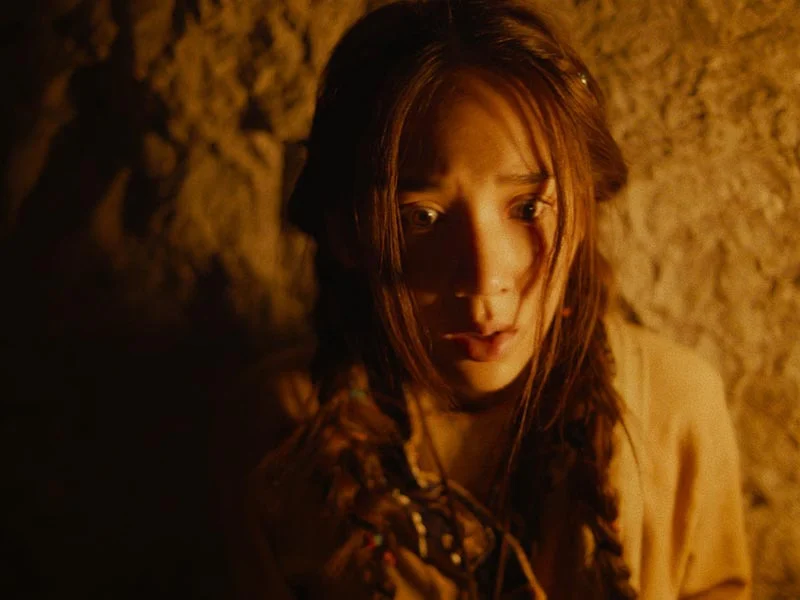
The cinematic landscape is poised for a significant entry into the supernatural horror genre with the upcoming release of "Omukade," a film drawing deeply from Japanese folklore. Scheduled to open in cinemas on April 23, 2026, the feature promises a gripping narrative set against a harrowing historical backdrop, intertwining human desperation with an ancient, malevolent force. The story centers on a British prisoner of war and his Thai guide, who embark on a perilous journey to escape an abandoned, cursed mine, navigating the treacherous border region into Burma. Their desperate bid for freedom unfolds in absolute darkness, where the lines between hunter and hunted blur, and their only hope for survival lies in evading the shadows that conceal a ravenous beast, indiscriminately preying on all in its path. This unique premise aims to deliver a chilling exploration of fear, survival, and the enduring power of myth in the face of unimaginable terror.
Thematic Fusion: History and Mythology
"Omukade" distinguishes itself by meticulously blending two powerful narrative elements: the brutal realities of World War II in Southeast Asia and the rich, often terrifying, tapestry of Japanese folklore. The choice of a British prisoner of war and a Thai guide immediately establishes a dynamic rooted in historical suffering and cross-cultural interaction. During WWII, Allied POWs in Southeast Asia endured horrific conditions, particularly under Japanese occupation, with forced labor on projects like the Burma Railway (often dubbed the "Death Railway") being a stark example of human endurance pushed to its limits. Escape attempts, though rare and fraught with danger, were acts of immense courage and desperation, often relying on the assistance of local populations. This historical context provides a grounded, visceral sense of peril even before the supernatural elements are introduced, amplifying the stakes for the protagonists. The "abandoned cursed mine" serves as a potent metaphor for the hidden horrors of war and exploitation, a place where human suffering has permeated the very earth, inviting darker entities.
Unveiling the Omukade: A Deep Dive into Japanese Mythology
Central to the film’s horror is the titular "Omukade," a creature deeply embedded in Japanese mythology. The term "mukade" (百足) literally translates to "one hundred feet," referring to the giant centipede. In folklore, the mukade is often depicted not merely as a large insect but as a formidable yōkai—a class of supernatural entities, spirits, and demons in Japanese folklore. Unlike many yōkai which might be mischievous or even benevolent, the mukade is almost universally portrayed as a creature of immense power, venomous, and relentlessly aggressive. One of the most famous tales involving a mukade is that of Fujiwara no Hidesato, a legendary warrior who famously slayed a giant centipede living on Mount Mikami, which had been terrorizing a dragon king. This legend underscores the creature’s formidable nature, even capable of challenging mythical dragons.
For "Omukade," the film appears to tap into the raw, primal fear associated with this creature: its multi-legged form, its venomous bite, and its association with dark, damp places like caves and mines. The horror it evokes is often physical and visceral, but also deeply psychological, representing an unstoppable, alien threat that defies human comprehension. By positioning this mythological beast as the primary antagonist, the film leverages a cultural fear that resonates deeply within Japanese tradition, offering a fresh alternative to more commonly depicted supernatural entities in Western horror. The concept of a "ravenous beast, ready to devour them all, friend or foe alike," suggests an indiscriminate force of nature, embodying chaos and inescapable doom, a stark contrast to human conflict but equally, if not more, terrifying.
A Perilous Journey: The Historical Backdrop of WWII Southeast Asia
The setting of a "cursed mine" in the border region between Thailand (then Siam) and Burma during WWII is not merely atmospheric; it is historically significant. This area was a crucible of conflict and human suffering. The construction of the Burma Railway by Allied prisoners of war and forced Asian laborers under brutal Japanese command led to immense casualties from disease, starvation, and overwork. Escape from these camps was incredibly risky, involving traversing dense jungles, mountains, and rivers, often with little food or knowledge of the terrain, and facing hostile forces or dangerous wildlife. The narrative’s focus on a British POW and a Thai guide hints at a narrative of unlikely alliance forged in desperation, reflecting the complex dynamics of the war where local populations sometimes aided prisoners despite immense personal risk. The "cursed mine" itself could be an abandoned site of wartime resource extraction, a place where the earth itself has been scarred by human greed and violence, making it fertile ground for supernatural malevolence to manifest. This fusion of tangible historical horror with supernatural terror promises a multi-layered experience that transcends simple jump scares.
Behind the Scenes: Crafting the Horror
While specific production details for "Omukade" are not yet widely disclosed, the ambition of its premise suggests a significant undertaking. Creating a supernatural horror film with historical depth requires meticulous research and artistic vision. The production likely involves a dedicated team focused on creature design, aiming to bring the Omukade to life in a way that is both terrifyingly realistic and steeped in mythological authenticity. This could involve a combination of practical effects, CGI, and atmospheric sound design to maximize the creature’s impact and the pervasive sense of dread.
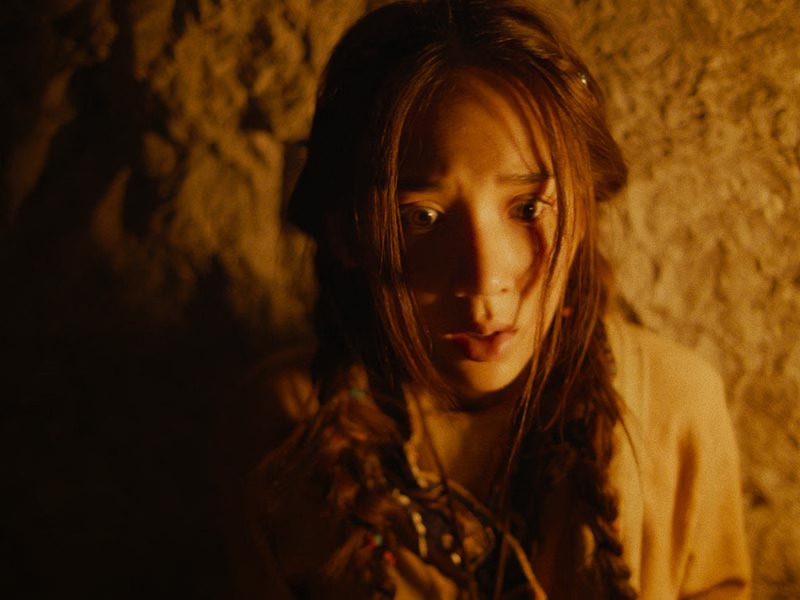
Furthermore, filming in locations that evoke the harsh realities of a wartime mine and the dense jungle environment would present considerable logistical challenges. Authenticity in set design, costumes, and historical details for the POW and guide characters would be paramount to grounding the supernatural elements in a believable reality. The director’s vision would likely involve balancing the claustrophobia of the mine with the expansive, yet equally dangerous, natural landscape. Potential statements from the creative team might emphasize the collaborative effort required to achieve this delicate balance. For instance, an inferred statement from the film’s hypothetical director might articulate: "Our goal with ‘Omukade’ was to craft a narrative that transcends typical horror, blending the visceral fear of the unknown with the very real historical struggles of the period. The Omukade, in its terrifying majesty, serves as a metaphor for the inescapable horrors faced by our protagonists, both human and supernatural, in an environment where hope is a dwindling commodity." Similarly, a producer might remark on the ambition: "Bringing ‘Omukade’ to life has been an immense undertaking, requiring intricate creature design, a commitment to historical authenticity, and a nuanced exploration of fear. We believe this film will resonate globally, offering a unique blend of cultural mythology and intense suspense."
The Global Appeal of Asian Horror: "Omukade" in Context
"Omukade" enters a global cinematic market that has long demonstrated a strong appetite for Asian horror. From the atmospheric dread of J-horror classics like "Ringu" and "Ju-On" to the psychological tension of K-horror such as "A Tale of Two Sisters" and "The Wailing," Asian cinema has consistently delivered some of the genre’s most innovative and terrifying contributions. Thai horror, too, has garnered international acclaim with films like "Shutter" and "Pee Mak Phra Khanong," often utilizing local folklore and spiritual beliefs to create unique scares.
What sets Asian horror apart is often its reliance on psychological terror, atmospheric build-up, and deeply rooted cultural myths rather than mere gore or jump scares. "Omukade" appears poised to continue this tradition, leveraging the specific terror associated with the Omukade yōkai and combining it with the historical trauma of WWII. This cross-cultural appeal—a British protagonist, a Thai setting, and Japanese folklore—positions the film to attract a diverse international audience, drawing in fans of historical dramas, survival thrillers, and supernatural horror alike. The film’s premise suggests a focus on the primal human instinct for survival against both human-made and supernatural adversaries, a theme with universal resonance.
Industry Perspectives and Anticipation
The announcement of "Omukade" has generated early buzz among industry observers who see its potential to be a standout horror release. Film analysts often look for unique concepts that blend established genres with fresh perspectives. The combination of historical drama and mythological horror is particularly intriguing. An industry commentator might observe, "The premise alone promises a fresh take on the survival horror genre, merging rich folklore with a compelling historical backdrop. It has the potential to be a standout by offering audiences not just scares, but a thoughtful exploration of human resilience and the enduring power of ancient myths."
The release date of April 23, 2026, positions "Omukade" strategically within the annual film calendar. While April can be competitive, horror films often find their niche, especially those that offer a distinct identity. Early spring releases can sometimes benefit from less direct competition from major summer blockbusters, allowing genre films to capture dedicated audiences. The lead-up to the release will likely involve a carefully planned marketing campaign, showcasing the film’s creature design, intense atmosphere, and the dramatic interplay between its human characters, aiming to build anticipation globally.
Broader Implications and Future Outlook
The success of "Omukade" could have several broader implications for the film industry. Firstly, it could further solidify the trend of international co-productions that blend diverse cultural elements, proving that stories rooted in specific national mythologies can find universal appeal when told effectively. This could encourage more filmmakers to explore lesser-known folklore from various cultures, enriching the global cinematic narrative. Secondly, it could reinforce the commercial viability of horror films that prioritize narrative depth and thematic richness over shock value, potentially influencing future genre trends. The film’s ability to navigate the complexities of historical trauma alongside supernatural terror could set a new benchmark for sophisticated horror storytelling.
Furthermore, "Omukade" has the potential to introduce a wider global audience to the intricacies of Japanese yōkai mythology, beyond the more commonly known figures. By presenting the Omukade as a terrifying, yet culturally significant, entity, the film could spark renewed interest in the folklore that inspired it. As the release date approaches, all eyes will be on "Omukade" to see if it lives up to its ambitious promise of delivering a truly unique and terrifying cinematic experience that resonates both intellectually and viscerally.