The second season of Netflix’s One Piece live-action adaptation has not only solidified its place as a rare triumph in the often-maligned genre of anime-to-live-action but has also surpassed expectations, proving its inaugural season’s success was no mere stroke of luck. Praised for its masterful ability to encapsulate the whimsical, cartoonish spirit of Eiichiro Oda’s manga while simultaneously grounding its beloved characters in relatable human emotions, Season 2 has been heralded as an evolution. It bravely embraced even more fantastical elements, from the debut of the fan-favorite reindeer doctor Tony Tony Chopper to the introduction of music-loving whales and bizarre animal-riding warriors, demonstrating a profound understanding of what makes One Piece resonate with millions worldwide. This achievement is particularly noteworthy given a significant shift in leadership, with co-creator Steve Maeda departing after Season 1 and Joe Tracz stepping in as the new co-showrunner, a role he now shares with long-time series veteran Ian Stokes for the upcoming third season.
The Unprecedented Success of One Piece Live-Action
For decades, the live-action adaptation of anime and manga has been fraught with peril, a graveyard of ambitious projects that often failed to capture the essence, tone, or narrative complexity of their source material. High-profile examples like Dragonball Evolution and Netflix’s own Death Note stand as cautionary tales, leaving fans with deep skepticism whenever a new adaptation is announced. Eiichiro Oda’s One Piece, with its sprawling world, eccentric characters, and often surreal battles, presented an even greater challenge. The sheer scale and unique visual style of the manga, which has sold over 520 million copies worldwide and boasts an anime run of over 1000 episodes, seemed almost impossible to translate into live-action without losing its distinctive charm or succumbing to budgetary limitations.
Yet, Season 1 of Netflix’s One Piece, spearheaded by Matt Owens and Steve Maeda, defied these grim predictions. It premiered to critical acclaim and phenomenal viewership, topping Netflix’s global charts and quickly becoming one of the most-watched English-language series in the platform’s history. Its success was attributed to a meticulous respect for Oda’s vision, a commitment to practical effects where possible, and pitch-perfect casting that brought the Straw Hat Pirates to life. This initial victory set a formidable precedent, raising the stakes for Season 2 to prove that the formula was sustainable.
A Seamless Transition: Joe Tracz Steps In
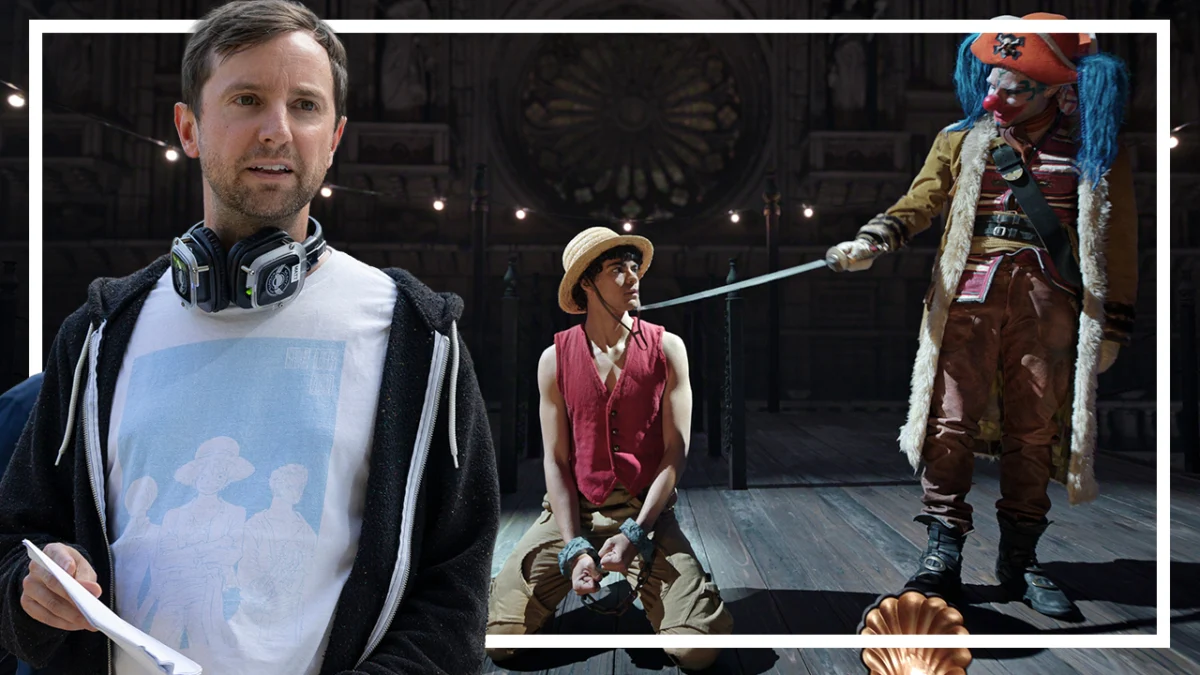
The transition from Steve Maeda to Joe Tracz as co-showrunner for Season 2 could have been a point of vulnerability, potentially disrupting the delicate balance established in the first season. However, Tracz, an acclaimed writer known for his work on Percy Jackson and the Olympians and Be More Chill, proved to be a fitting choice, bringing both a fresh perspective and a deep appreciation for the craft of storytelling.
In a recent interview, Tracz recounted his immersion into the One Piece universe, admitting it had been a "blind spot" despite his existing fandom for anime and manga. The opportunity to join the show served as his catalyst, leading to an intense binge-watching session where he consumed "a hundred episodes in a weekend," followed by a deep dive into the manga. This rapid, comprehensive absorption allowed him to quickly grasp the vastness and intricate layers of Oda’s narrative. He expressed profound admiration for Oda’s storytelling prowess, highlighting the manga’s unique ability to blend diverse genres seamlessly: "You can read it as just fun and funny and joyful. And yet there’s a political complexity to it. There’s riches to the world. There’s literally any kind of genre you want."
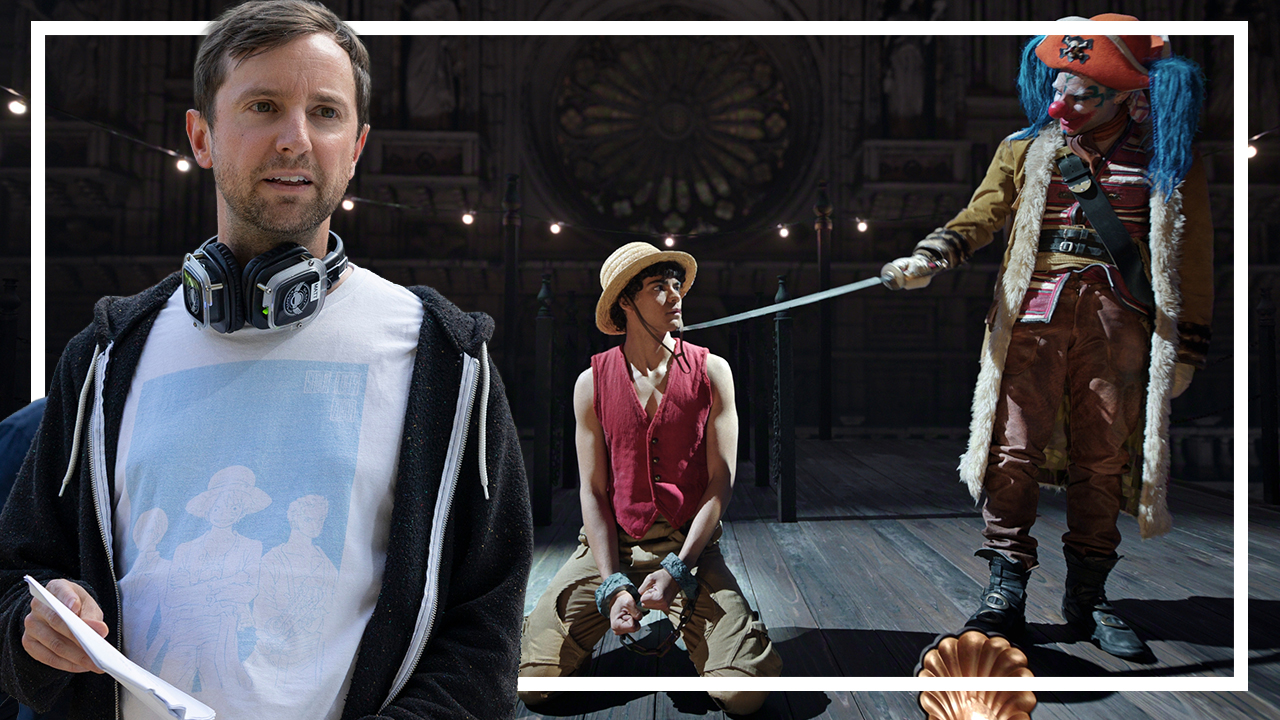
Tracz detailed how Season 2 itself became a canvas for this genre-bending, moving from the Western-meets-Samurai aesthetic of Whiskey Peak to the Jurassic Park-meets-Viking saga of Little Garden, and finally to the poignant fairy tale of Drum Island. This versatility, he noted, is a rare luxury for any storyteller, making One Piece an exceptional project to work on. The new showrunner’s immediate grasp of these core tenets ensured that the spirit of adventure, humor, and emotional depth remained firmly intact, even as the narrative ventured into increasingly outlandish territories.
Eiichiro Oda’s Guiding Hand: A Partnership in Adaptation
One of the most significant factors credited for the live-action One Piece‘s authentic feel is the unprecedented involvement of creator Eiichiro Oda. Unlike many adaptations where the original creator’s input is minimal or superficial, Oda serves as an active executive producer, meticulously reviewing scripts and providing feedback. Tracz emphasized that Oda is "not just a producer in name only," acknowledging the immense privilege of having his guidance despite his demanding schedule with the ongoing manga.
Oda’s insights are considered invaluable, almost sacred, by the production team. "No one knows this world and these characters more than he does," Tracz stated, underscoring why his notes are taken to heart. A particularly striking aspect of Oda’s involvement is his visual thinking; he often provides feedback by drawing directly on the scripts, creating "Oda drawings" that visually articulate his vision. For instance, for the Little Garden arc, he famously drew a story map illustrating how various plotlines intersected, a testament to his innate ability to visualize complex narratives. This blend of textual and visual guidance fosters a truly collaborative environment, bridging the gap between the writers’ script-centric approach and Oda’s illustrative genius, which is perfectly suited for a visual medium like television.
A key philosophical note from Oda that deeply influenced Season 2’s creative direction was his insistence on prioritizing "poetry" and emotional resonance over strict realism, especially for fantastical elements. When discussing the design of Tony Tony Chopper, a sentient reindeer who transforms, Oda’s directive was clear: "Think teddy bear." Tracz explained the rationale: while a "hyper-real" reindeer might appear uncanny, a design leaning into a cuddly, fairy-tale quality would evoke a stronger emotional connection, reminiscent of a beloved childhood stuffed animal. Similarly, for the iconic cherry blossom tree on Drum Island, Oda favored a poetic, stylized representation—a mountain peak adorned with spotlights on pink, powdery clouds—over a scientifically accurate depiction. This principle became a guiding star, ensuring that even in a live-action format, the show would embrace the fantastical, heartwarming, and often absurd beauty that defines One Piece.
Innovating While Honoring the Source
The live-action One Piece has proven that adaptation doesn’t necessarily mean slavish replication. While staying true to the core narrative and character arcs, the series has demonstrated a willingness to introduce original elements or reinterpret existing moments to enhance emotional impact or streamline storytelling for the new medium. This approach, however, is always undertaken with Oda’s blessing.
Tracz highlighted one such instance from Season 2: Luffy singing to Laboon, the giant whale guarding the entrance to the Grand Line. This moment was entirely original to the live-action series, yet Oda himself singled it out as one of his favorite moments, praising its surprising and moving conclusion to the arc. The creative team consciously built upon groundwork laid in Season 1, where a young Luffy was shown listening to Shanks singing "Bink’s Brew," providing a narrative antecedent for this new, emotionally resonant scene. While the iconic image of Luffy punching Laboon was retained, the addition of the song offered an unexpected layer of connection, enriching the experience even for veteran fans of the source material. This example perfectly illustrates the show’s philosophy: innovate where it strengthens the narrative and emotional core, but always with the creator’s approval, proving that creative liberties can coexist harmoniously with faithfulness.

Bringing Fantastical Creatures to Life: Season 3’s Alabasta Challenge
Looking ahead to Season 3, which is expected to adapt the expansive Alabasta arc, the challenge of translating One Piece‘s increasingly fantastical menagerie into live-action looms large. Alabasta is a vibrant desert kingdom teeming with unique creatures, from the giant duck Karoo to the martial arts-trained kung fu dugongs. Tracz affirmed the production’s unwavering commitment to including these elements, stating, "We’ll always rather do something than not do something." He emphasized that these creatures are not mere decorative additions but are integral to the world-building, contributing to the "scale of the world, and add to the feeling of danger and the fun of our world."
The showrunner acknowledged the logistical and budgetary hurdles inherent in bringing such fantastical beings to life, citing the "Unluckies" from Season 2 as an example of making the most of limited screen time. He also shared a specific anecdote about the "goldfish" from Little Garden, a creature that seemed destined for the chopping block due to its outlandish nature but was ultimately deemed too important to the giants’ storyline to be cut. This proactive approach to problem-solving, rather than simply omitting challenging elements, underscores the team’s dedication to delivering a truly One Piece experience. The successful integration of Chopper, a complex CGI character, in Season 2 sets a promising precedent for the numerous creatures awaiting their live-action debut in the Alabasta saga, ensuring that the visual spectacle will continue to expand.
Behind the Scenes: The Scale of Production and Collaborative Leadership
The sheer ambition and scale of One Piece live-action necessitate an equally colossal production effort. Tracz shed light on the intricate mechanics behind the scenes, explaining that the show operates with "two units shooting everything at the same time, stunts, drama, spectacle." This effectively means they are "making two shows simultaneously," a logistical feat that directly justifies the need for two showrunners.
For Season 3, Tracz is joined by Ian Stokes as co-showrunner, a collaboration built on a solid foundation. Stokes has been an integral part of the production since its inception, working alongside original co-creator Matt Owens from the ground level. This continuity ensures that the institutional knowledge and established workflow are maintained, even with leadership changes. Tracz praised Stokes’ long-standing involvement, acknowledging that while he might be the "senior co-showrunner," Stokes’ deep understanding of the show’s history and processes is invaluable.
The production employs extensive pre-visualization (pre-vis) for virtually everything, particularly for complex action sequences. Furthermore, a dedicated "third unit just for stunts" ensures safety and precision on set, minimizing surprises and maximizing efficiency during principal photography. This meticulous planning and multi-unit approach are crucial for managing a show of this magnitude, allowing it to translate its grand visions onto the screen with impressive fidelity. The resulting visual grandeur is a testament to the immense effort and collaborative spirit of the entire production team.
Navigating Character Arcs and Future Horizons

Beyond the immediate challenges of creature design and grand action sequences, Tracz hinted at the long-term narrative planning that goes into adapting One Piece‘s vast story. While he remained tight-lipped about specific future arcs he dreams of bringing to the screen, he confirmed ongoing discussions about character stories and backstories.
Season 2 offered glimpses into this strategic storytelling. The character of Miss All Sunday, known to manga fans as Nico Robin, received a "slightly expanded role," serving as a prominent face of Baroque Works. Tracz emphasized her "layers upon layers to dig into," promising deeper exploration in future seasons. Similarly, Sanji’s backstory was subtly teased, a deliberate choice. While early script versions included flashbacks featuring a younger Sanji (already cast for Season 1), the team ultimately decided to showcase actor Taz Skylar’s talent, having him deliver a powerful monologue about his mother instead. This decision highlights a flexible approach to adaptation, prioritizing emotional impact and actor performance over a rigid adherence to flashback structures, showcasing how the live-action series finds its own voice within Oda’s narrative framework.
The Blueprint for Future Adaptations and Broader Impact
The resounding success of Netflix’s One Piece live-action series, particularly its ability to evolve and improve in Season 2 despite showrunner changes, marks a pivotal moment for the entertainment industry. It has effectively redefined what is possible for live-action anime adaptations, moving them from a genre of perennial disappointment to one of genuine critical and commercial triumph. The show’s commitment to respecting the source material while also embracing necessary adaptations, all under the direct supervision of the original creator, provides a compelling blueprint for future projects.
Netflix’s investment in One Piece has paid off handsomely, bolstering its reputation as a home for ambitious, high-quality genre content. The series’ global appeal not only attracts existing One Piece fans but also introduces new audiences to Oda’s fantastical world, driving renewed interest in the manga and anime. This symbiotic relationship between adaptation and source material is a rare and valuable outcome.
As One Piece ventures deeper into the Grand Line with Season 3 and beyond, the expectations remain sky-high. The production team, under the seasoned leadership of Joe Tracz and Ian Stokes, and with the invaluable guidance of Eiichiro Oda, appears more than ready to meet these challenges. The series stands as a testament to the power of passionate collaboration, meticulous craftsmanship, and a deep understanding of storytelling, proving that even the most fantastical and beloved narratives can be faithfully and brilliantly translated across mediums. The journey of the Straw Hat Pirates in live-action is not just an adventure for its characters, but a groundbreaking voyage for the entire industry.