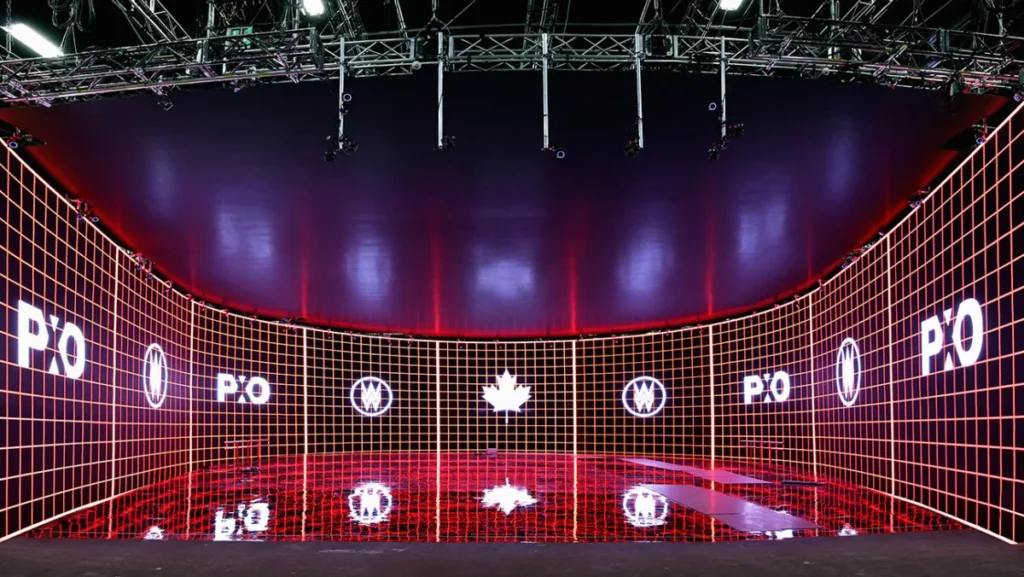
OpenAI, the San Francisco-based artificial intelligence research laboratory and technology giant, has officially entered the media and broadcasting sector through the acquisition of TBPN, a prominent streaming network specializing in business and technology coverage. The move, announced via internal communications and official statements, marks a significant departure from OpenAI’s traditional focus on software development and large language models, signaling a new era in how the company intends to manage its public narrative and engage with its global user base. TBPN, often described as a "Gen Z CNBC," has built a reputation for its deep-dive, long-form analysis of Silicon Valley trends, making it a strategic asset for an organization currently at the center of the global conversation regarding Artificial General Intelligence (AGI).
Under the terms of the acquisition, TBPN will maintain its presence on existing distribution platforms, including YouTube and X (formerly Twitter). Fidji Simo, OpenAI’s CEO of applications and a former high-ranking executive at Meta and Instacart, informed employees that the network would retain its editorial autonomy. The acquisition comes at a pivotal moment for OpenAI as it navigates increasing regulatory scrutiny, public curiosity, and the complex task of explaining the societal impacts of advanced AI technologies.
The Strategic Rationale Behind the Acquisition
The decision to acquire a media entity rather than simply hiring more public relations staff reflects a shift in OpenAI’s internal philosophy regarding communication. Fidji Simo articulated this shift in a memorandum to staff, noting that the "standard communications playbook" is insufficient for a company driving a historical technological transition. The objective, according to Simo, is to move beyond traditional press releases and structured media interactions toward a more "constructive conversation" about the future of AI.
OpenAI’s leadership believes that by owning a media platform, they can more effectively reach "builders" and everyday users who are at the center of the AI revolution. The acquisition is less about traditional corporate marketing and more about establishing a space where the complexities of AGI can be discussed with nuance. By integrating TBPN’s founders, Jordi Hays and John Coogan, into the OpenAI leadership structure, the company aims to leverage their expertise in digital-first storytelling to humanize the impact of AI on daily life.
Profiles of TBPN and Its Founders
TBPN rose to prominence by filling a void in the business news market, targeting a younger, tech-literate demographic that prefers streaming content over traditional cable news. The network’s programming is characterized by hours-long daily streams and in-depth interviews with founders, venture capitalists, and engineers. This format allowed TBPN to become a "Silicon Valley obsession," providing a level of technical depth and insider access that mainstream outlets often struggle to replicate.
The network’s founders, Jordi Hays and John Coogan, are seasoned figures in the tech-media landscape. Coogan, in particular, has built a significant following through his analytical videos on startup failures and successes, while Hays has been instrumental in the network’s rapid growth and brand positioning. As part of the acquisition, both will transition into roles focused on communications and marketing at OpenAI, reporting directly to Chris Lehane, the company’s vice president of global policy and strategy. Lehane, a veteran political strategist known for his work in the Clinton administration and at Airbnb, is expected to integrate TBPN’s creative output into OpenAI’s broader global strategy.
Chronology of OpenAI’s Media and Video Evolution
The acquisition of TBPN follows a series of high-profile developments within OpenAI’s multimedia and video divisions. Understanding the timeline of these events provides context for the company’s current trajectory:
- February 2024: OpenAI introduces Sora, a text-to-video AI model capable of generating highly realistic scenes. The announcement sends shockwaves through the film and creative industries, sparking debates about the future of traditional video production.
- Mid-2024: OpenAI engages in extensive talks with Hollywood studios and creative agencies to explore the integration of Sora into professional workflows. However, concerns regarding copyright, safety, and the "uncanny valley" effect of AI-generated video persist.
- Late 2024: In a surprising move, OpenAI announces the shutdown of the Sora standalone application in its current form. While the underlying technology remains a core research priority, the company pivots away from being a direct provider of video generation tools for the mass market.
- Current Period: The acquisition of TBPN is finalized. This marks a transition from OpenAI providing the tools for video generation to OpenAI owning the platform for human-led video content and discourse.
This chronology suggests that OpenAI is prioritizing the "narrative" aspect of its business over the "utility" aspect of video generation for the time being. By acquiring a human-hosted network, the company addresses the trust gap that often accompanies AI-generated content.
Maintaining Editorial Independence
A primary concern regarding corporate acquisitions of media outlets is the potential for censorship or the transformation of the outlet into a "propaganda arm." OpenAI has sought to address these concerns proactively. Fidji Simo emphasized that protecting TBPN’s credibility is "foundational" to the agreement.
"TBPN will continue to run their programming, choose their guests, and make their own editorial decisions," Simo stated. This model mirrors other successful tech-media integrations, such as HubSpot’s acquisition of The Hustle or Salesforce’s acquisition of TIME (though the latter was a personal purchase by Marc Benioff). By allowing TBPN to remain critical of the industry—as Jordi Hays admitted the network has been in the past—OpenAI aims to maintain the authenticity that drew its audience in the first place.
Hays noted that the decision to join OpenAI was influenced by the company’s "openness to feedback." He stated that the goal is to move from being mere commentators on the industry to having a "real impact" on how technology is distributed and understood globally.
Supporting Data: The Rise of Creator-Led Business Media
The acquisition reflects broader market trends in media consumption. Data from digital analytics firms suggest a significant migration of Gen Z and Millennial audiences away from legacy financial news networks toward creator-led platforms:
- Demographic Shift: According to a 2023 Reuters Institute Digital News Report, social media has overtaken traditional websites and apps as the primary source of news for younger audiences. YouTube and X are cited as the leading platforms for "news discovery" among those under 35.
- The "Expert" Economy: Audiences are increasingly seeking information from individuals with specific domain expertise (like Coogan and Hays) rather than generalist journalists.
- Engagement Metrics: Long-form streaming content, such as that produced by TBPN, sees higher average watch times and engagement rates compared to short-form news clips, making it a more effective medium for explaining complex topics like AGI and neural network architectures.
OpenAI’s move to bring this expertise in-house suggests they are capitalizing on these data-driven trends to ensure their message is not lost in the fragmented modern media landscape.
Broader Industry Implications and Analysis
The acquisition of TBPN by OpenAI has several far-reaching implications for the technology and media sectors:
The Convergence of Tech and "Owned Media"
OpenAI is following a path blazed by other tech giants who have realized that traditional media relations are no longer sufficient. By owning the channel, OpenAI can bypass the "filter" of traditional journalism, allowing them to frame discussions around AI safety, ethics, and benefits on their own terms. This represents a move toward "owned media" as a primary pillar of corporate strategy.
Redefining the "Communications Playbook"
Chris Lehane’s involvement suggests that OpenAI views its communication strategy as a form of high-stakes diplomacy. As the company approaches the threshold of AGI, the need to manage public expectations and fears becomes a matter of corporate survival. TBPN provides a laboratory for testing how to explain these shifts to a skeptical public.
Impact on the Media Landscape
For the media industry, this acquisition raises questions about the future of independent tech journalism. If the most successful "indie" networks are absorbed by the companies they cover, the pool of objective, external scrutiny may shrink. However, it also proves the immense value of niche, high-quality digital content in the current economy.
Transition from Generation to Curation
The pivot from Sora (video generation) to TBPN (content curation and broadcasting) highlights a realization within OpenAI: while AI can generate images, it cannot yet generate the "trust" and "authority" that comes with human-led analysis. By investing in human broadcasters, OpenAI is acknowledging that the "human element" remains indispensable in the era of AGI.
Conclusion
The acquisition of TBPN represents a calculated gamble by OpenAI to reinvent the relationship between a technology developer and its audience. By bringing Jordi Hays and John Coogan into the fold while promising editorial independence, the company is attempting to build a bridge between the high-level research occurring within its labs and the everyday reality of the people who will be affected by it. As the company continues its mission to bring AGI to the world, its success may depend as much on its ability to communicate its vision through platforms like TBPN as it does on the underlying code of its next-generation models.