In a move that has sent shockwaves through both Silicon Valley and the entertainment industry, OpenAI has officially announced the cessation of Sora, its high-profile text-to-video generation tool. The decision brings an abrupt end to a burgeoning multi-billion-dollar partnership with The Walt Disney Company, which had intended to integrate Sora’s capabilities into its Disney+ streaming platform. The dissolution of this alliance marks a significant retreat for OpenAI from the consumer media space and signals a pivot toward enterprise-grade artificial intelligence and national defense applications.
The termination of Sora represents one of the most abrupt reversals in recent tech history. Only months ago, the tool was hailed as a revolutionary force capable of disrupting traditional filmmaking and content creation. For Disney, the partnership was viewed as a cornerstone of its "future-proofing" strategy, designed to transform Disney+ from a passive viewing experience into a dynamic, user-generated content hub. With the deal now defunct, both companies face a period of intense scrutiny regarding their long-term digital strategies and the viability of generative AI in high-stakes creative environments.
The Rise and Fall of Sora: A Brief Chronology
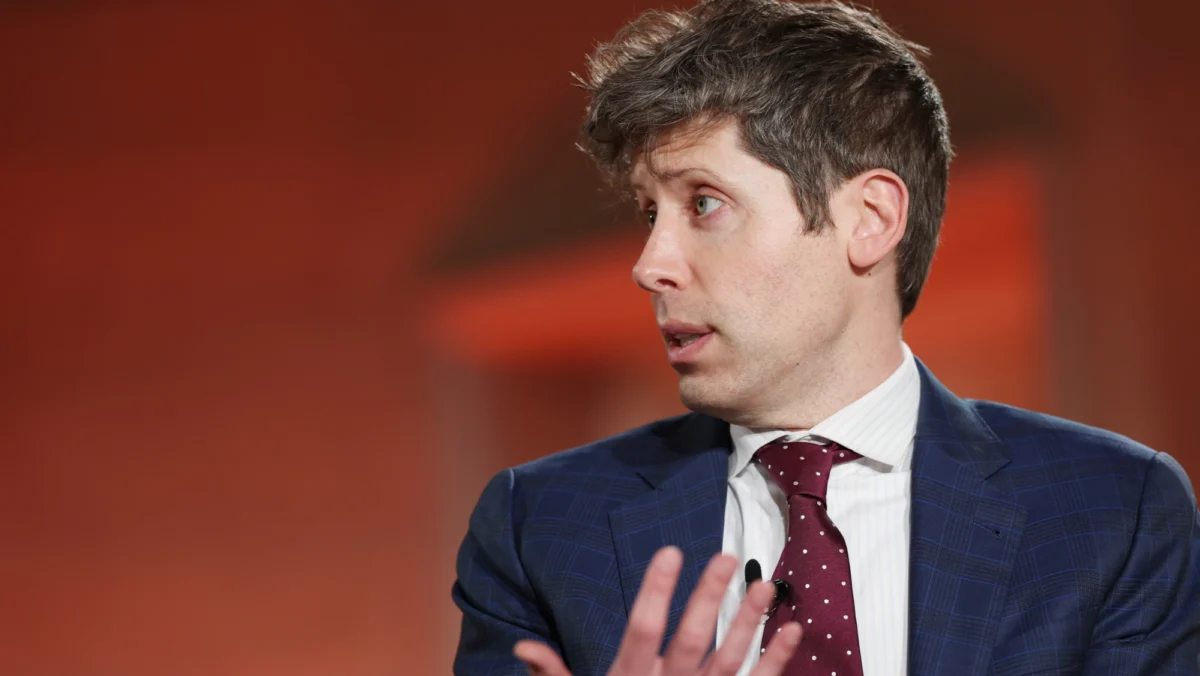
The trajectory of Sora began in February 2024, when OpenAI first showcased the model’s ability to generate hyper-realistic, minute-long video clips from simple text prompts. The demonstration immediately triggered a "code red" across Hollywood, prompting emergency meetings among studio executives, talent agencies, and labor unions. At the time, OpenAI CEO Sam Altman began a series of high-level consultations with major studios, positioning Sora as a tool that would reduce production costs and expand the boundaries of visual storytelling.
By mid-2024, rumors of a landmark agreement between OpenAI and Disney began to solidify. The deal was reportedly structured around a massive capital investment from Disney, aimed at securing exclusive integration rights for certain Disney+ features. The vision, championed by Disney’s executive leadership, involved allowing subscribers to use AI to create personalized content or "memes" using Disney’s vast library of intellectual property.
However, internal challenges at OpenAI began to mount in late 2024. Sources close to the company indicate that the "compute" costs—the massive processing power required to generate high-fidelity video—were significantly higher than initially projected. Simultaneously, the competitive landscape shifted. Anthropic, OpenAI’s primary rival in the large language model (LLM) space, began gaining significant ground in the enterprise sector, particularly with government and defense contracts. This forced a strategic re-evaluation within OpenAI, leading to the "code red" shift toward core business stability and away from the resource-intensive video generation market.
Strategic Realignment: Why OpenAI Withdrew
The decision to shutter Sora is not merely a product of technical hurdles but a calculated business pivot. Industry analysts point to three primary factors driving OpenAI’s withdrawal from the video-generation business:
1. The Economics of Compute
Training and running video-generation models requires an exponential increase in GPU (Graphics Processing Unit) resources compared to text-based models like ChatGPT. While OpenAI recently secured a $157 billion valuation, the burn rate associated with maintaining a consumer-facing video tool like Sora was deemed unsustainable in the face of cooling investor patience for non-revenue-generating "hype" projects. By cutting Sora, OpenAI can reallocate its limited H100 and B200 Blackwell chips toward more profitable enterprise services.
2. The Enterprise and Defense Pivot
OpenAI is reportedly facing intense pressure to prove the utility of its models in "serious" industries. With Anthropic’s Claude model making inroads into legal, medical, and governmental sectors, OpenAI has shifted its focus toward security, data synthesis, and complex reasoning models. The distractions of Hollywood—and the legal complexities of training AI on copyrighted cinematic material—were increasingly viewed as a liability rather than an asset.
3. Legal and Ethical Complexity
The ongoing legal battles regarding fair use and copyright—most notably the litigation involving The New York Times—have created a precarious environment for AI companies. Disney, a company famously protective of its IP, presented a unique challenge. While the partnership was intended to be collaborative, the risk of "model collapse" or the unauthorized generation of brand-damaging content created a persistent friction point that neither party was fully able to resolve.
Impact on Disney and the Tenure of Josh D’Amaro
For The Walt Disney Company, the news arrives at a sensitive time. Josh D’Amaro, recently elevated to a more prominent role in overseeing Disney’s broader strategic direction, must now manage the fallout of a project he inherited from the late-stage tenure of Bob Iger. The Sora deal was a centerpiece of Disney’s pitch to Wall Street, promising a "100X opportunity" to monetize the Disney+ subscriber base through interactive engagement.
Disney issued a formal statement on Tuesday, noting, "We respect OpenAI’s decision to exit the video generation business and to shift its priorities elsewhere. Our commitment to innovation and the exploration of new technologies remains unchanged." Despite the diplomatic tone, internal reports suggest a high level of frustration within Disney’s digital division. The company now faces the task of explaining to shareholders why a billion-dollar strategic pillar has vanished overnight.
Analysts suggest that D’Amaro may use this as an opportunity to reset Disney’s relationship with the creative community. The Sora deal was deeply unpopular among the Writers Guild of America (WGA) and SAG-AFTRA, who viewed the tool as an existential threat to their livelihoods. By distancing the company from "memeslop"—a derogatory term for low-quality, AI-generated content—D’Amaro could potentially regain favor with the actors and directors who are essential to Disney’s core business.
Supporting Data: The AI Market Landscape
The collapse of the Sora-Disney deal reflects broader trends in the AI industry. According to data from market research firms, while the generative AI market is projected to reach $1.3 trillion by 2032, the "content creation" segment is seeing the highest levels of volatility.
- Infrastructure Costs: Estimates suggest that generating a single minute of high-definition AI video can cost between $3 and $10 in cloud computing fees, whereas a text query costs fractions of a cent.
- Subscriber Engagement: Disney+ reported a stabilization in subscriber numbers in its last quarterly report, but "watch time" remains a key metric. The Sora integration was intended to boost engagement by 20-30% through social sharing features.
- Investment Recovery: Under the terms of the dissolution, Disney is expected to recoup its initial billion-dollar investment, though the opportunity cost of the lost development time remains a significant hurdle.
Broader Implications for Hollywood and Big Tech
The exit of OpenAI from the video space does not mean the end of AI in Hollywood; rather, it suggests a changing of the guard. As OpenAI retreats, other tech giants are poised to fill the vacuum.
The "Arms Race" Continues
Google’s "Veo" and Meta’s "Movie Gen" remain in active development, and ByteDance, the parent company of TikTok, has been quietly testing its own high-end video generation tools. Furthermore, Skydance Media’s David Ellison, following the merger with Paramount, has been vocal about using technology to increase engagement with legacy IP. Ellison has proposed a model where viewers can interact with Paramount franchises for hours a week rather than just the duration of a standard film or episode.
The Talent Play
The collapse of the deal provides a temporary reprieve for creative guilds. However, industry experts warn that the "nuclear non-proliferation" of AI tools may be short-lived. If a competitor like Google successfully launches a stable, cost-effective video generator, Disney and other legacy studios will be under immense pressure to return to the bargaining table to avoid falling behind in the technological arms race.
The Future of "Memeslop"
The debate over the quality of AI-generated content remains a central theme. Critics argue that tools like Sora would have flooded the market with "memeslop"—derivative, low-effort content that dilutes the value of premium brands. Proponents, however, see it as the democratization of creativity. OpenAI’s decision to ditch this lane suggests that, for now, the technical and financial costs of "democratizing" video production are too high for even the world’s most well-funded AI startup.
Conclusion: A Pivot to Pragmatism
The end of Sora and the Disney partnership marks the conclusion of the "hype phase" of generative AI in cinema. The move reflects a new era of pragmatism, where tech companies are forced to choose between the allure of consumer-facing "magic" and the reliability of enterprise-grade software.
For OpenAI, the path forward lies in the "code red" priorities of enterprise stability and competing with Anthropic. For Disney, the focus returns to its traditional strengths: high-quality, human-led storytelling, albeit with a slightly bruised reputation on Wall Street. As the dust settles on this "bomb" of an announcement, the industry is left to wonder which company will be the first to successfully bridge the gap between AI potential and cinematic reality, and whether the creative soul of Hollywood can survive the next attempt.