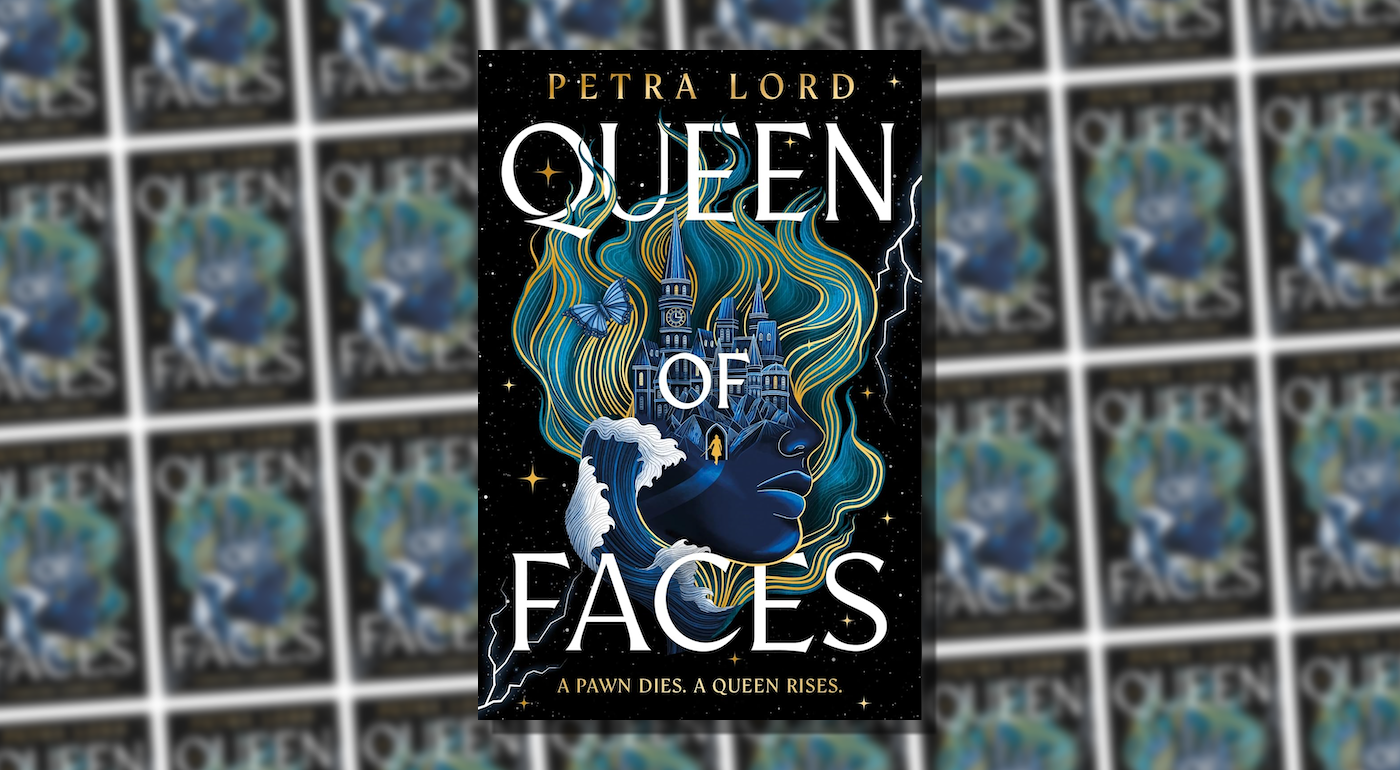
Petra Lord’s debut novel, Queen of Faces, has emerged as a significant entry in the dark academia and YA dystopian genres, offering a compelling narrative that resonates with the nostalgic appeal of early 2010s literature while embracing contemporary demands for diversity and nuanced character development. The novel, set in the fictional world of Caimor, explores themes of identity, survival, and the blurred lines between good and evil through the journey of its protagonist, Annabelle Gage.
The narrative centers on Annabelle, a young woman facing a dire prognosis: her current body is deteriorating, and her only hope for survival lies in acceptance into the highly competitive and cutthroat Paragon Academy. This prestigious institution offers not just academic rigor but also the revolutionary possibility of body transplantation – a chance to escape her failing form and embrace a new existence. However, Annabelle’s aspirations are immediately challenged by a rejection from the academy and a subsequent, failed body heist, leaving her future bleak. It is at this precipice that she is presented with a stark ultimatum by the Paragon Headmaster: face execution or become his operative, a mercenary tasked with dismantling the formidable influence of the infamous Black Wraith.
This setup immediately plunges the reader into a world where the sanctity of the body, memory, and even one’s name are framed as privileges, a poignant reflection on the societal structures and inequalities that underpin the narrative. Annabelle, empowered by magic she barely comprehends, is forced into an uneasy alliance with a mysterious boy named Wes. Their mission, complicated by a cast of rebel outcasts and Annabelle’s undercover role as Adam Weaver’s personal assistant at Paragon Academy, becomes a race against time and her own mortality. The novel delves into the moral complexities of Caimor, a society operating in shades of gray, where Annabelle, Wes, and their allies must confront their initial motivations for fighting the Black Wraith against the burgeoning need to protect the unconventional family they have formed.
A World of Stratification and Survival
Caimor, the world meticulously crafted by Lord, presents a society built upon a foundation of stark stratification, where access to advanced biological technologies, such as body transplantation, is a clear indicator of status and privilege. This system directly impacts Annabelle’s initial plight. Her “basic boy model” body, as described, is not merely a physical form but a societal designation, one that is actively failing her. The academy’s promise of a new body is therefore not just a medical solution but a gateway to social mobility and a form of survival in a world that seems to commodify existence itself. The concept of "body is a privilege," as quoted, encapsulates the core of this societal structure, highlighting how fundamental aspects of being are unequally distributed.
The rise of YA dystopian fiction in the late 2000s and early 2010s, exemplified by popular series like Divergent and The Maze Runner, laid the groundwork for narratives that explored oppressive societal structures and the resilience of young protagonists. Lord’s Queen of Faces taps into this established genre appeal, offering a familiar yet fresh take. The author’s previous engagement with the genre, including her admiration for Patrick Ness’s Chaos Walking trilogy and her current enjoyment of Naomi Novik’s Scholomance series, suggests a deep understanding and appreciation for the genre’s potential to explore complex themes. Queen of Faces is positioned as a fulfillment of this genre’s promise, bringing to the forefront a level of diversity that was often lacking in earlier iterations of YA dystopia.
The Paragon Academy and the Shadow of the Black Wraith
The Paragon Academy serves as a central hub of power and intrigue in Caimor. Its exclusivity and the life-altering technology it houses make it a focal point for ambition and desperation. The Headmaster, a figure of authority who manipulates Annabelle into his service, represents the entrenched power structures that maintain the status quo. His machinations, aimed at combating the enigmatic Black Wraith, Khaovie, reveal a conflict that extends beyond individual survival to a larger societal struggle.
The Black Wraith, Khaovie, is presented not merely as a villain but as an antagonist whose influence is significant enough to warrant the Headmaster’s drastic measures. The nature of Khaovie’s threat and the reasons behind the war of the past, which likely shaped Caimor’s current socio-political landscape, are gradually unveiled, adding layers to the narrative’s complexity. This element of historical context is crucial, as it informs the present-day tensions and the stakes involved in Annabelle’s mission.
A Rich Tapestry of Characters

Lord populates Queen of Faces with a diverse cast of characters, each contributing to the intricate plot. Beyond Annabelle and Wes, the narrative features the influential Headmaster and the elusive Black Wraith, Khaovie. The supporting cast includes students at Paragon Academy and figures from Annabelle’s past, such as the character Clementine, who adds a layer of personal conflict. The introduction of additional characters who join Annabelle and Wes’s cause is noted as a delightful element, though the author wisely refrains from divulging details to avoid spoilers. This careful management of character introductions and their potential fates underscores the precariousness of survival in Caimor, where "no one is safe from the consequence of simply trying to survive."
The character development is a significant strength, with Queen of Faces described as a book that "rides or dies with its characters." The central relationship between Annabelle and Wes, as well as the dynamics within their burgeoning found family, are key to the emotional resonance of the story. The exploration of these relationships within the high-stakes environment of Caimor provides a compelling human element to the fantastical and dystopian themes.
A Fast-Paced Narrative with Deep Lore
At 420 pages, Queen of Faces is a substantial novel that packs a significant amount of world-building and plot into its narrative. The pacing is characterized as fast, demanding the reader’s full attention to keep up with the unfolding events and the intricate lore. This lore encompasses a rich history of past wars, the geopolitical structure of Caimor, concepts such as "outstings" and "Codexes," and a unique magic system.
The magic system, in particular, is highlighted as a standout feature. The concept of unique magical specialties for each individual adds a personalized touch to the fantastical elements. Wes’s "paper magic" is singled out for its imaginative appeal, drawing a potential parallel to the anime series Read Or Die. This specific detail underscores Lord’s ability to weave in subtle, yet impactful, cultural references that enhance the reading experience for those familiar with them. The author’s creative prowess is evident throughout the novel, hinting at further imaginative developments in subsequent installments.
Diversity and Nostalgia in Modern Dystopia
Queen of Faces is praised for its ability to evoke a sense of nostalgia for the "heart-pounding, unpredictable dystopia" of the 2010s, while simultaneously enriching the genre with much-needed diversity. This dual appeal positions the novel as a significant contribution to contemporary YA literature. The reviewer’s personal reflection—that "Teen Cassie would have sprinted over to Fanfiction dot net for more"—speaks to the novel’s power to inspire imagination and engagement.
The physical edition of the book is further commended for its thoughtful inclusions, such as a map and a breakdown of the Four Schools of Magic. These elements not only enhance the reader’s immersion but also serve as valuable resources for navigating the complex world of Caimor. The acknowledgment of book designer Aurora Parlagreco highlights the aesthetic appeal of the first edition, suggesting a holistic approach to the book’s presentation.
Anticipation for the Future
The conclusion of Queen of Faces leaves readers with a sense of anticipation for the next installment. The unpredictable nature of the plot and the unresolved fates of Annabelle, Wes, and the inhabitants of Caimor ensure that the story’s trajectory remains a compelling mystery. The reviewer’s stated intention to pre-order the second book from a local independent bookstore reflects a strong endorsement of Lord’s storytelling capabilities and a commitment to supporting her work. This dedication from readers is a testament to the novel’s success in establishing a captivating world and memorable characters.
Queen of Faces is published by Henry Holt & Co. An excerpt of the novel is available for readers to preview.