A recent, albeit humorous, April Fool’s Day jest involving Rob Zombie’s potential involvement in a new Texas Chain Saw Massacre reboot for A24 unexpectedly resurfaced a significant piece of the franchise’s development history. The musician-turned-filmmaker, known for his distinctive brand of horror with films like House of 1000 Corpses and The Devil’s Rejects, was once slated to helm a direct continuation of the franchise following the 2013 release of Texas Chainsaw 3D. This revelation sheds light on the complex and often circuitous path of horror franchises, where directorial changes and creative shifts are commonplace.
The Road to Texas Chainsaw 3D and a Missed Opportunity
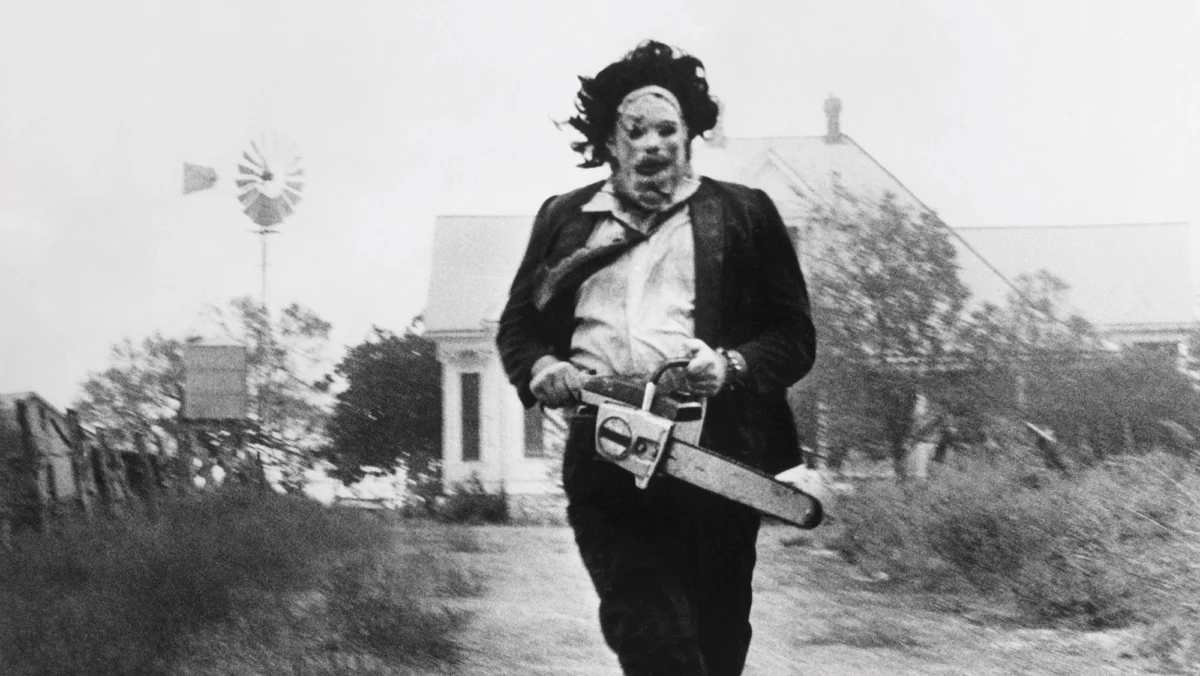
The 2013 film, Texas Chainsaw 3D, directed by John Luessenhop, represented a significant commercial endeavor for Lionsgate. The film opened strong, debuting at the number one spot at the box office with an impressive $21 million opening weekend and ultimately grossing approximately $47 million worldwide. Despite this commercial success, Texas Chainsaw 3D was met with considerable critical disdain. Reviewers frequently cited a weak script, narrative inconsistencies, and a perceived lack of the visceral terror that defined Tobe Hooper’s original 1974 masterpiece, The Texas Chain Saw Massacre.
Following the moderate financial performance of Texas Chainsaw 3D, Lionsgate was keen to capitalize on the enduring popularity of the Leatherface character and the franchise’s established brand recognition. It was during this period that Rob Zombie entered discussions to direct a follow-up. Zombie, who had already established himself as a formidable voice in the independent horror scene with his unique visual style and penchant for gritty, over-the-top violence, seemed a natural fit for the notoriously brutal world of the Texas Chainsaw Massacre. He actively engaged in the development process, working on screenplay concepts for a direct sequel to Texas Chainsaw 3D. This project would have seen him continue the narrative threads established in the 2013 film, potentially bringing his signature aesthetic to the iconic horror property.
![Rob Zombie Almost Directed a ‘Texas Chainsaw Massacre’ Sequel [Exclusive]](https://www.dreadcentral.com/wp-content/uploads/2026/04/image_1775224676197.jpg)
Zombie’s Departure and the Rise of Leatherface
However, creative ambitions and shifting priorities led to Zombie’s eventual departure from the Texas Chainsaw project. At the time, Zombie was deeply invested in bringing his passion project, 31, to fruition. This independent slasher film, which he famously crowdfunded, demanded his full attention and directorial resources. The decision to step away from the Texas Chainsaw sequel, while understandable from a personal creative standpoint, marked the end of what could have been a significant reinvention of the franchise under his guidance.
The void left by Zombie’s departure was eventually filled by French filmmakers Alexandre Bustillo and Julien Maury, known for their intense and graphic work on the French horror film Inside. Lionsgate entrusted them with the task of developing the next installment. Instead of a direct sequel to Texas Chainsaw 3D, Bustillo and Maury opted for a prequel approach, aiming to explore the origins of the infamous killer, Leatherface. This resulted in the 2017 film Leatherface. The film, which received a limited release, aimed to delve into the backstory of Jedidiah Sawyer, the young man who would become the chainsaw-wielding psychopath. Unfortunately, Leatherface also struggled to win over critics, garnering largely negative reviews and failing to reignite widespread audience enthusiasm for the franchise’s narrative continuity.
Rob Zombie’s Enduring Legacy and the Chainsaw Connection
While Rob Zombie never officially directed a Texas Chainsaw Massacre film, his own filmography bears a striking resemblance to the thematic and stylistic elements that define the franchise. His directorial debut, House of 1000 Corpses (2003), and its critically acclaimed follow-up, The Devil’s Rejects (2005), along with the more recent 3 From Hell (2019), are often viewed as an unofficial trilogy that draws significant inspiration from the raw, visceral horror pioneered by Tobe Hooper. These films feature deranged families, extreme violence, and a gritty, often bleak aesthetic that echoes the spirit of the Texas Chainsaw universe.
The comparison is not merely superficial. Zombie’s exploration of dysfunctional families, outlaw characters, and graphic, often transgressive, violence aligns closely with the core tenets of the Texas Chainsaw saga. His fascination with the macabre and his ability to create unsettling atmospheres suggest that a Texas Chainsaw Massacre film under his direction could have offered a unique and potentially compelling interpretation of the material.
![Rob Zombie Almost Directed a ‘Texas Chainsaw Massacre’ Sequel [Exclusive]](https://www.dreadcentral.com/cdn-cgi/image/width=788,height=444,fit=crop,quality=90,gravity=auto,sharpen=1,metadata=none,format=auto,onerror=redirect/wp-content/uploads/2026/04/image_1775224676197.jpg)
Analyzing the Implications of a Zombie-Directed Chainsaw Film
The near-miss of Rob Zombie directing a Texas Chainsaw sequel raises several interesting points for discussion among horror aficionados and industry observers:
- Creative Vision: Zombie’s distinct directorial voice, characterized by its lurid visuals, dark humor, and unapologetic embrace of exploitation cinema, would have undoubtedly left a significant mark on any Texas Chainsaw film he helmed. It is plausible that his approach would have been more aligned with the genre’s roots in grindhouse shock cinema than some of the more polished, albeit less impactful, modern iterations.
- Franchise Fatigue and Reinvention: The Texas Chainsaw Massacre franchise has a long and complex history, marked by numerous sequels, reboots, and prequels, with varying degrees of success. The decision by Lionsgate to pursue a prequel with Leatherface after Zombie’s departure, rather than a direct continuation, highlights the ongoing challenge of finding a consistent and resonant direction for such an established property. Zombie’s involvement could have offered a more direct, albeit potentially controversial, path forward.
- Box Office vs. Critical Acclaim: The Texas Chainsaw 3D scenario exemplifies a recurring tension in the film industry: the divergence between commercial performance and critical reception. The film’s initial box office success, coupled with its critical shortcomings, likely influenced subsequent strategic decisions regarding franchise development. The choice to pursue a prequel might have been an attempt to reset the narrative and appeal to a different audience segment.
- The "What If" Factor: The allure of a Rob Zombie-directed Texas Chainsaw film lies in the tantalizing "what if." Would his take have revitalized the franchise, or would it have been another divisive entry? His existing body of work suggests a strong potential for a brutal, stylish, and thematically resonant film that could have satisfied long-time fans while attracting new audiences.
The Evolving Landscape of Horror Franchises
The Texas Chainsaw Massacre franchise, like many other iconic horror properties, continues to navigate the ever-changing landscape of the film industry. The recent announcement of a new installment, Texas Chainsaw Massacre, released on Netflix in 2022, which acts as a direct sequel to the 1974 original and ignores all previous sequels and prequels, further underscores the franchise’s fluid continuity. This move, while seemingly a bold attempt to recapture the magic of the original, also reflects the challenges of maintaining a cohesive narrative across decades of filmmaking.
Rob Zombie’s nearly directed sequel stands as a fascinating footnote in this ongoing saga, a testament to the unpredictable nature of creative development and the enduring power of iconic horror figures. While his vision for Leatherface remains a tantalizing possibility confined to the realm of what-ifs, his own contributions to the horror genre continue to resonate, solidifying his status as a significant voice in modern horror cinema. The legacy of The Texas Chain Saw Massacre is one of reinvention and adaptation, and the story of Rob Zombie’s almost involvement is another compelling chapter in its rich and often turbulent history.