The world of comic books and sequential art is mourning the loss of Sam Kieth, a visionary artist and storyteller whose distinctive style left an indelible mark on the industry. Kieth, celebrated for his co-creation of Neil Gaiman’s seminal The Sandman and his independent masterpiece The Maxx, passed away on March 15th at the age of 63. His death followed a courageous battle with Lewy Body Dementia, a neurodegenerative disease that presents complex challenges, often exhibiting symptoms akin to both Alzheimer’s and Parkinson’s disease. Kieth is survived by his wife of 43 years, Kathy Kieth.
Born on January 11, 1963, Sam Kieth emerged as a multifaceted talent in the comic book landscape. His artistic prowess encompassed writing, drawing, and painting, characterized by a unique graffiti-inspired aesthetic. This distinctive visual language drew heavily from the works of influential artists such as Frank Frazetta, Bernie Wrightson, and Vaughn Bode, yet Kieth masterfully adapted these inspirations to achieve mainstream success within the superhero genre. His contributions to Marvel Comics included a bestselling run on Wolverine in Marvel Comics Presents and sporadic work on The Hulk, demonstrating his ability to infuse iconic characters with his signature artistic flair.
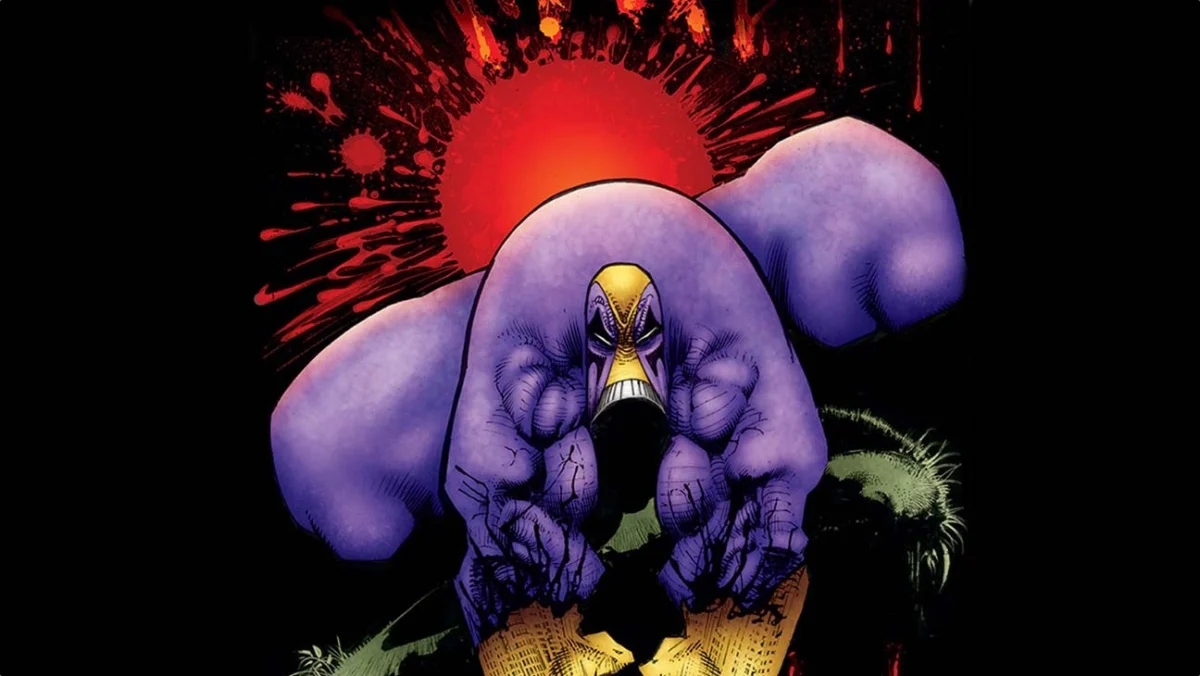
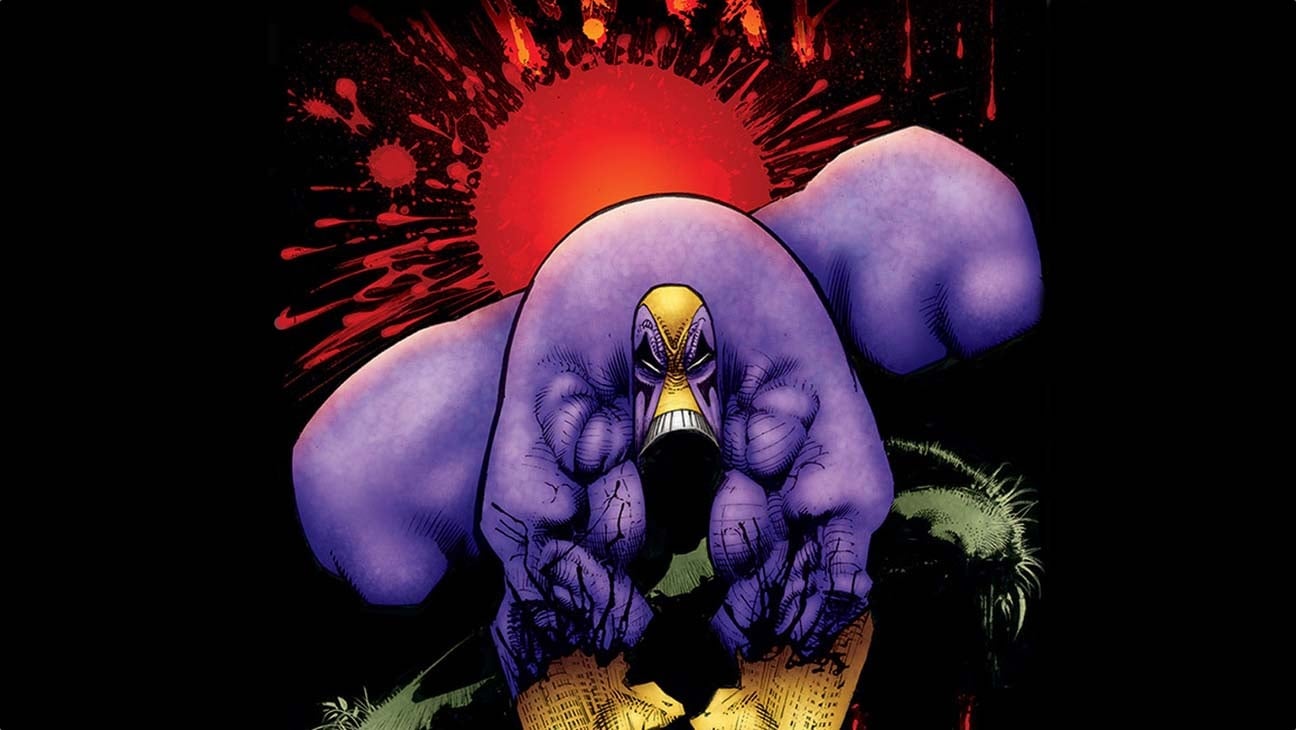
However, it was Kieth’s 1993 creation for Image Comics, The Maxx, that cemented his status as a groundbreaking artist and storyteller. The Maxx transcended the typical superhero narrative, delving into profound themes of identity, existence, dreams, and reality, all veiled within a seemingly conventional genre framework. The series garnered critical acclaim and a devoted following, captivating readers with its complex philosophical underpinnings and its visually arresting presentation. The impact of The Maxx extended beyond the comic book pages, leading to a critically acclaimed animated adaptation for MTV’s Liquid Television strand, which achieved global recognition. Later, Todd McFarlane would capitalize on the character’s enduring popularity, producing highly sought-after Maxx toys, including the elusive Izs figures. The profound influence of The Maxx is further underscored by the fact that legendary writer Alan Moore, a contemporary and admirer of Kieth’s work, guest-wrote an issue of the series and later penned the introduction to Kieth’s Zero Girl.
Beyond his independent triumphs, Kieth played a pivotal role in the early development of DC Comics’ The Sandman. Collaborating with writer Neil Gaiman, Kieth drew the first five issues of the series, establishing the initial visual tone and bringing a distinct aesthetic that resonated with the darker, horror-tinged legacy of DC Comics, a lineage deeply influenced by artists like Bernie Wrightson. This foundational work proved instrumental in the series’ eventual massive success and its place as a cornerstone of modern fantasy literature.
Kieth’s creative output was remarkably diverse and prolific. For Wildstorm, he developed other notable titles such as Zero Girl and Four Women, further showcasing his imaginative scope. His work with Oni Press included Ojo and My Inner Bimbo, demonstrating his willingness to explore a wide range of narrative and artistic territories. His talents also extended beyond comics; Kieth penned No Smoking, the pilot episode for the animated series Cow and Chicken, created by his cousin, David Feiss. In 2000, he further diversified his creative pursuits by directing the film Take It to the Limit for Roger Corman’s Concorde-New Horizons.
The news of Sam Kieth’s passing has elicited a wave of tributes and remembrances from across the creative community. While specific public statements from collaborators like Neil Gaiman or figures associated with Image Comics and MTV are not immediately available, the profound impact of Kieth’s work suggests that widespread expressions of grief and admiration are anticipated. The art of comic books thrives on the unique visions of its creators, and Kieth’s distinct style and innovative storytelling have inspired countless artists and writers who followed in his wake.
A Life Dedicated to Art and Storytelling
Sam Kieth’s artistic journey began in his formative years, where he cultivated a deep appreciation for the power of visual narrative. His early influences, as noted, were titans of fantasy and horror art, but he possessed a singular ability to synthesize these inspirations into something entirely his own. This process of assimilation and reinvention was a hallmark of his career.
Timeline of Key Creative Milestones:
- Late 1980s/Early 1990s: Kieth gains prominence for his work on prominent superhero titles at Marvel Comics, including a significant run on Wolverine.
- 1993: The Maxx is launched by Image Comics, quickly becoming a critical and commercial success, celebrated for its unique artistic style and thematic depth.
- 1993-1994: Kieth co-creates The Sandman with Neil Gaiman, drawing the first five issues for DC Comics, establishing a foundational visual identity for the series.
- Mid-to-Late 1990s: The Maxx is adapted into an animated series for MTV’s Liquid Television, reaching a broader international audience.
- Late 1990s/Early 2000s: Kieth continues to explore new creative avenues, developing titles like Zero Girl and Four Women for Wildstorm, and Ojo and My Inner Bimbo for Oni Press. He also contributes to Cow and Chicken and directs the film Take It to the Limit.
- 2016 onwards: Reports emerge of Kieth’s declining health due to Lewy Body Dementia.
- March 15, 2026: Sam Kieth passes away at the age of 63.
The development and subsequent success of The Maxx serve as a powerful case study in independent comic book creation. In an era where the direct market was still evolving, Kieth’s bold artistic vision and willingness to tackle complex psychological and philosophical themes resonated deeply with a readership seeking something beyond traditional superhero fare. The series’ adaptation into animation further amplified its reach, demonstrating the potential for comic book properties to transcend their original medium and capture the imaginations of a global audience. The subsequent commercial success of Maxx merchandise, particularly the toys produced by Todd McFarlane, underscored the enduring appeal and cultural impact of Kieth’s creation.
Kieth’s involvement in the early stages of The Sandman is another significant chapter in his career. While Neil Gaiman’s narrative evolved into a sprawling, critically lauded epic, the initial visual blueprint laid by Kieth was crucial. His interpretation of Morpheus and the Dream Realm set a distinct tone that, while later expanded upon by other artists, remains a vital part of the character’s history. The decision by DC Comics to entrust the initial visual interpretation of such a high-concept series to a relatively new but distinctive artist like Kieth speaks to a willingness within the industry to embrace fresh artistic voices, a trend that has continued to shape the comic book landscape.
Broader Impact and Legacy
Sam Kieth’s passing represents a significant loss to the comic book community and the broader artistic world. His influence can be seen in the work of numerous contemporary artists who have been inspired by his unique blend of raw energy, surrealism, and emotional depth. His ability to imbue his characters and worlds with a palpable sense of psychological intensity has left an enduring legacy.
The passing of such a seminal figure inevitably prompts reflection on the evolution of the comic book medium. Kieth was part of a generation of creators who pushed the boundaries of what comics could be, both in terms of artistic expression and thematic complexity. His work on The Maxx in particular stands as a testament to the power of independent storytelling and the potential for creators to explore deeply personal and philosophical concepts within the framework of sequential art.
The enduring appeal of his creations, from the gritty, dreamlike world of The Maxx to his foundational contributions to The Sandman, ensures that Sam Kieth’s artistic voice will continue to inspire and captivate audiences for generations to come. His oeuvre is a rich tapestry of imagination, skill, and profound insight, a testament to a life dedicated to the art of storytelling. The thoughts and deepest condolences of the wider community are extended to his wife, Kathy Kieth, and his loved ones during this difficult time.