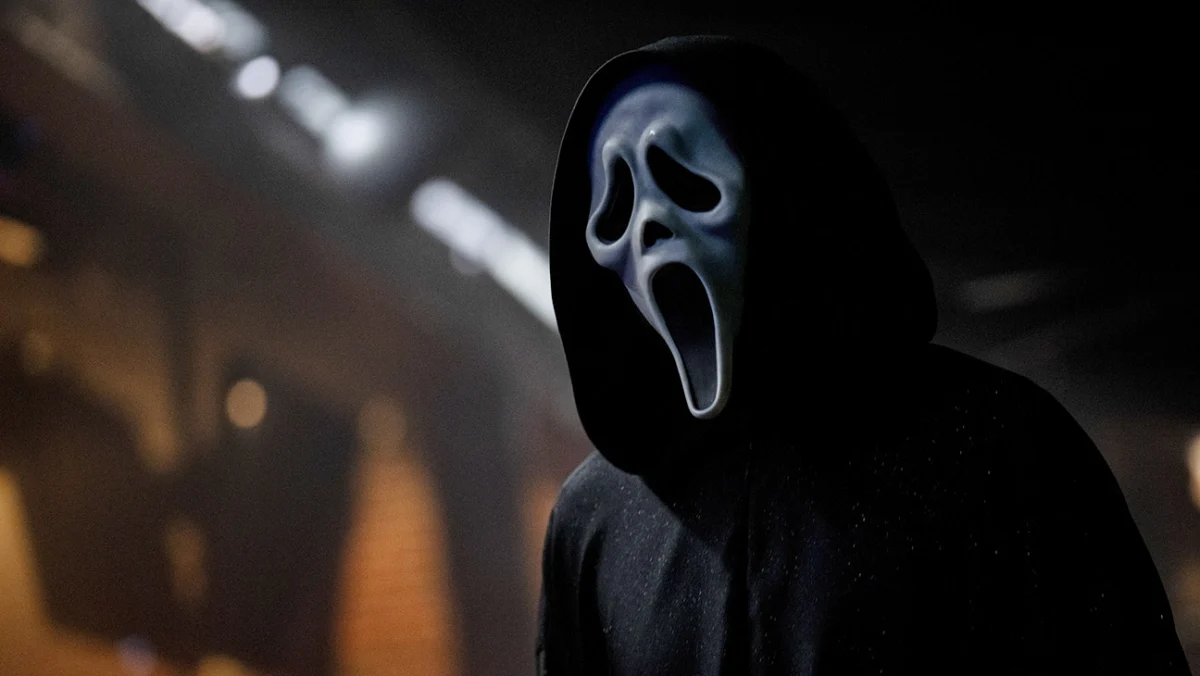
Spyglass Media Group is officially moving forward with Scream 8, the highly anticipated next installment in the beloved horror franchise, with Lilla and Nora Zuckerman, collectively known as the Zuckerman sisters, confirmed to write the screenplay. This development signals a robust future for the Ghostface saga, building on the phenomenal success of its recent predecessors and promising another thrilling chapter for fans worldwide. The announcement, initially reported by Deadline and subsequently confirmed by The Hollywood Reporter, has set the horror community abuzz, eager to see what new twists and turns the sisters will bring to the meticulously crafted meta-narrative that has defined Scream for decades.
A New Creative Vision for Woodsboro
The Zuckerman sisters bring a distinct blend of experience in compelling television narratives to the Scream universe. Their most prominent recent role was as showrunners for the critically acclaimed first season of Peacock’s procedural mystery series, Poker Face, starring Natasha Lyonne. The series, which earned widespread praise for its clever plotting, engaging characters, and episodic whodunit structure, demonstrates the sisters’ capability in crafting intricate mysteries and maintaining narrative tension—qualities essential to the Scream franchise’s DNA. Beyond Poker Face, their extensive credits as writers and executive producers span a variety of popular and genre-defining shows, including Marvel’s Agents of S.H.I.E.L.D., the legal drama Suits, the science fiction thriller Fringe, and the crime drama Prodigal Son. This diverse background suggests an ability to balance character development with high-stakes action and intricate plotting, elements that are cornerstones of the Scream appeal. Their experience in serialized storytelling, particularly in shows that blend mystery, suspense, and character arcs over extended periods, positions them well to navigate the complex legacy and evolving mythology of Ghostface. The sisters are represented by UTA and Lichter, Grossman, Nichols, Feldman, Rogal, Shikora & Clark.
The Enduring Legacy of the Scream Franchise
The Scream franchise, originally conceived by Kevin Williamson and masterfully directed by the late horror icon Wes Craven, revolutionized the slasher genre upon its debut in 1996. By self-referentially deconstructing horror tropes while simultaneously delivering genuine scares and a compelling whodunit mystery, Scream carved out a unique niche. It blended terror with sharp wit, creating a formula that allowed it to remain relevant and engaging across multiple decades. The initial four films, all directed by Craven, established a rich mythology centered around Sidney Prescott (Neve Campbell), the archetypal "final girl," and her recurring encounters with various individuals donning the Ghostface mask.
Following Wes Craven’s passing in 2015, the franchise faced an uncertain future. However, a successful "requel" strategy, beginning with 2022’s Scream (often referred to as Scream V), breathed new life into the series. This film, directed by Matt Bettinelli-Olpin and Tyler Gillett, successfully honored Craven’s legacy while introducing a new generation of characters alongside returning veterans like Campbell, Courteney Cox, and David Arquette. Its critical and commercial success, grossing over $137 million worldwide on a modest budget, proved that the appetite for Scream‘s unique brand of horror remained strong. This resurgence was further cemented by Scream VI in 2023, which bravely moved the action to New York City and, despite Neve Campbell’s absence due to salary disputes, achieved even greater box office success, reaching over $168 million globally. The consistent performance of these new installments demonstrated the franchise’s adaptability and enduring appeal, setting the stage for Scream 7 to reach unprecedented heights.
The Record-Breaking Success of Scream 7
The development of Scream 8 comes on the heels of the extraordinary triumph of Scream 7, which premiered on February 27th and immediately shattered franchise records. The film became the highest-grossing installment in the franchise’s nearly three-decade history, pulling in an impressive worldwide total exceeding $200 million. This monumental achievement underscores the resurgent popularity and commercial viability of the Scream brand. A significant factor in its success was its groundbreaking release in IMAX theaters, a first for the franchise, which allowed audiences to experience Ghostface’s terror on an even grander scale, contributing to its robust box office performance. The decision to embrace premium large formats signaled a new level of confidence from Spyglass and Paramount Pictures in the franchise’s ability to compete with other major theatrical releases.
Scream 7 was particularly notable for marking the return of franchise creator Kevin Williamson to a more direct creative role, stepping into the director’s chair for the first time in the series. Williamson also co-wrote the screenplay alongside Guy Busick, known for his work on films like Ready or Not and Abigail. Critically, the film saw the highly anticipated return of Neve Campbell as Sidney Prescott, the franchise’s iconic "final girl." Her absence from Scream VI due to well-publicized salary disputes had been a point of contention for many fans, making her triumphant return in Scream 7 a significant draw. The narrative also brought back Sidney’s teenage daughter, Tatum (Isabel May), who became a central target of Ghostface, further deepening the emotional stakes for legacy characters. The seamless integration of veteran characters with new blood, a hallmark of the recent "requels," resonated strongly with both long-time devotees and a fresh generation of horror enthusiasts.
Kevin Williamson’s Evolving Role and Future Direction
While Scream 7 marked a triumphant directorial debut for Kevin Williamson within the franchise, his involvement in Scream 8 appears set to shift. Earlier this month, Williamson made headlines when he indicated that he would likely not return to direct the upcoming installment. In an interview with Hello Sidney, he stated, "For the next Scream, I’ll probably step back and just be a part of the family again." This suggests a transition back to a more supervisory or creative consultant role, potentially as an executive producer, allowing new voices to take the helm while still benefiting from his invaluable insight and guidance.
Williamson’s decision, while perhaps unexpected given Scream 7‘s success, is not uncommon for established creators looking to ensure the longevity of a franchise. By stepping back from the intense demands of directing, he can maintain a strategic overview, helping to preserve the core spirit and narrative integrity of Scream while empowering new talent like the Zuckerman sisters to inject fresh perspectives. This model has proven effective in other long-running franchises, balancing foundational elements with necessary evolution. His continued presence, even if not in the director’s chair, provides a crucial link to the series’ origins and assures fans that the authentic Scream essence will be maintained.
Early Industry Buzz and Cast Dynamics
Even before the official confirmation of Scream 8, whispers of its development were circulating within Hollywood. Shortly after Scream 7 premiered, actress Anna Camp, who had a role in the film, publicly acknowledged hearing "chatter" about another sequel. In an interview with The Hollywood Reporter, Camp stated, "Just rumors, just rumors. I haven’t heard from anyone specifically that I worked with, like Kevin or Neve, but I’ve heard the rumors going around that there’s a Scream 8." Her comments provided an early indication of the positive industry sentiment and the strong possibility of a follow-up, fueled by Scream 7‘s immediate critical and commercial impact.
The ensemble cast of Scream 7 was a significant factor in its appeal, blending returning veterans with promising newcomers. In addition to Neve Campbell and Isabel May, the film featured franchise stalwarts Courteney Cox and Matthew Lillard, alongside a vibrant new generation including Mason Gooding, Jasmin Savoy Brown, Joel McHale, Mckenna Grace, Michelle Randolph, Ethan Embry, Mark Consuelos, Jimmy Tatro, Celeste O’Connor, Asa Germann, and Sam Rechner. The Scream franchise has always excelled at cultivating a strong ensemble, and the possibility of many of these actors returning for Scream 8 will undoubtedly excite fans. The careful balance between honoring legacy characters and introducing fresh faces, often with tragic results, is a delicate act that the recent films have managed with considerable skill. The continuity of certain character arcs, particularly those introduced in Scream V and VI, will likely be a key element in Scream 8, further expanding the lore and emotional investment for audiences.
A Chronology of Terror: The Scream Saga
To fully appreciate the significance of Scream 8, it’s helpful to review the franchise’s trajectory:
- 1996: Scream – The original classic, defining meta-horror and introducing Ghostface.
- 1997: Scream 2 – A rapid and successful sequel, exploring the aftermath of the original killings.
- 2000: Scream 3 – Concluding the original trilogy, set in Hollywood.
- 2011: Scream 4 – A decade later, a self-aware reboot-sequel that critiqued modern horror.
- 2015: Passing of legendary director Wes Craven.
- 2022: Scream (V) – The "requel" that revived the series with new directors and a blend of old and new cast members, honoring Craven’s legacy.
- 2023: Scream VI – A bold move to New York City, breaking box office records despite Neve Campbell’s absence.
- February 2024: Scream 7 – Directed by Kevin Williamson, marking Neve Campbell’s triumphant return, and becoming the highest-grossing film in the franchise.
- August 2024: Kevin Williamson indicates he will not direct Scream 8.
- September 2024: Anna Camp confirms industry rumors of Scream 8 development.
- October 2024: Official confirmation of Scream 8 in development with Lilla and Nora Zuckerman as writers.
This timeline illustrates the franchise’s remarkable resilience and ability to adapt to changing cinematic landscapes while maintaining its core identity. The rapid succession of Scream V, VI, and VII within just three years, each performing exceptionally well, underscores the current golden age for the franchise.
Broader Impact and Implications for the Horror Genre
The confirmation of Scream 8 with new writers like the Zuckerman sisters carries significant implications, not only for the franchise itself but for the broader horror genre.
- Franchise Longevity and Evolution: By bringing in writers with a proven track record in intricate storytelling and character development from shows like Poker Face, Spyglass is signaling a commitment to evolving the Scream narrative beyond mere slasher tropes. The sisters’ background could lead to deeper exploration of the characters’ psychological tolls, more complex motives for Ghostface, and perhaps even innovative ways to structure the whodunit element that is so central to the series. Their experience with serialized content could also influence the overarching narrative, potentially setting up multi-film arcs or more nuanced character journeys.
- Maintaining the Meta-Commentary: A core strength of Scream has always been its meta-commentary on horror film conventions. With the Zuckerman sisters at the helm, it will be fascinating to see how they continue this tradition, potentially critiquing current trends in horror, streaming culture, or even the legacy sequel phenomenon itself. Their background in shows that are smart and self-aware could inject new layers of meta-humor and critical analysis into the script.
- Industry Confidence in Horror: The sustained success of the Scream "requels," culminating in Scream 7‘s record-breaking performance, reinforces Hollywood’s confidence in the horror genre as a powerful box office draw. This success, particularly with a franchise that has been active for nearly three decades, demonstrates that audiences are eager for well-crafted, intelligent horror that respects its past while pushing forward. This could encourage more studios to invest in similar legacy reboots or original horror properties.
- Succession Planning for Creators: Kevin Williamson’s decision to step back from directing while remaining involved highlights a crucial aspect of long-running franchises: the need for effective succession planning. By entrusting new talent with the creative reins while still offering his guidance, Williamson ensures that the franchise can continue to thrive beyond any single individual’s direct involvement, fostering new voices while maintaining foundational continuity.
- Navigating Fan Expectations: The Zuckerman sisters face the dual challenge of honoring the established conventions and beloved characters of Scream while also bringing fresh ideas to the table. Fans will undoubtedly have high expectations, especially following the critically and commercially successful Scream 7. Their ability to balance fan service with genuine innovation will be key to Scream 8‘s reception.
As Scream 8 moves into its writing phase, the horror world watches with bated breath. The combination of a thriving franchise, a proven creative team in the Zuckerman sisters, and the continued foundational support of Kevin Williamson sets the stage for what promises to be another memorable and impactful chapter in the enduring saga of Ghostface. The legacy of Woodsboro’s masked killer is far from over, and its future looks both promising and terrifying.