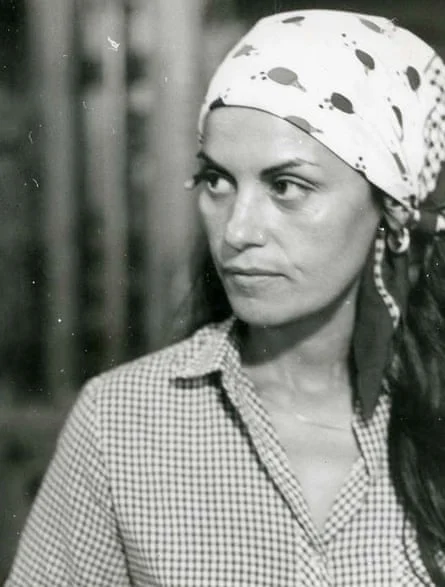
The Screen Cuba film festival, currently captivating audiences with sold-out screenings in the UK, serves as a vibrant testament to the enduring power and artistic innovation of Cuban cinema. Amidst a geopolitical climate marked by renewed US pressure and long-standing economic sanctions, the festival offers a crucial window into a cinematic tradition that has consistently navigated adversity with creativity and resilience. From the incisive social commentary of classics like Tomás Gutiérrez Alea’s Hasta Cierto Punto (1983) to the pioneering work of early female directors and the burgeoning contemporary scene, Screen Cuba underscores the vital role of film in understanding Cuba’s complex identity and its persistent struggle for self-determination.
The festival’s programming delves into the rich tapestry of Cuban filmmaking, showcasing how the nation’s cinematic output has evolved since the transformative 1959 revolution. Prior to this pivotal moment, Cuban cinema largely mirrored Hollywood conventions, producing films that adhered to established commercial formulas. However, the revolution ushered in an era of profound cultural reorientation, fostering an environment where cinema became a powerful tool for social reflection and artistic experimentation. This period of "effervescence," as described by Dr. Jessica Gordon-Burroughs, a lecturer in Latin American studies at the University of Edinburgh, marked a radical departure, birthing a cinematic landscape that was both politically engaged and aesthetically daring.
The Genesis of a National Cinema: ICAIC and the Post-Revolutionary Era
Within a year of overthrowing the Batista dictatorship, Fidel Castro’s revolutionary government established the Instituto Cubano del Arte e Industria Cinematográficos (ICAIC). This state-funded institution was conceived not merely as a production house but as a dynamic incubator for new cinematic practices, intended to contribute to the broader ideological and cultural project of what Aimé Césaire termed "tropical Marxism." ICAIC provided a crucial infrastructure for filmmakers to explore their artistic visions, fostering a generation of talent that would define Cuban cinema for decades.
Tomás Gutiérrez Alea, a prominent figure whose work is featured in the festival, stands as a prime example of the beneficiaries of this new cultural ecosystem. His oeuvre, spanning from the sharp satirical critique of everyday life in Death of a Bureaucrat (1966) to the internationally acclaimed Strawberry and Chocolate (1993) – a film necessitated by funding shortages during severe economic crises – illustrates the adaptive and evolving nature of Cuban filmmaking. The latter film, a co-production that marked a significant departure from earlier, more internally focused narratives, highlights the pragmatic strategies employed by Cuban filmmakers to secure resources in the face of economic hardship.
The Screen Cuba festival aims to bring these significant works, alongside lesser-known gems, to a wider UK audience. A standout example highlighted is Humberto Solas’s monumental 1968 triptych, Lucía. This epic film masterfully uses the lives of three women, all bearing the same name, to explore three distinct historical epochs in Cuban history, demonstrating a sophisticated approach to narrative and a deep engagement with the nation’s past. The film’s innovative structure and thematic depth have cemented its place as a cornerstone of Cuban cinematic heritage.

Navigating the Blockade: Challenges in Distribution and Restoration
The organizers of Screen Cuba acknowledge the profound difficulties faced in bringing these films to international audiences, largely attributable to the persistent U.S. embargo. Dodie Weppler, a festival organizer, described the U.S. blockade as a "catastrophic siege" that significantly impedes their efforts. "It has affected us with getting films sent electronically," Weppler stated. "You have outages in electricity, so you start having a discussion on WhatsApp and then the electricity is out." This practical reality underscores the pervasive impact of the U.S. sanctions, which extend beyond financial transactions to fundamental logistical challenges.
Restoration and distribution are therefore central to the festival’s mission, recognizing that many Cuban films exist in precarious states of preservation. The Screen Cuba festival has made a tangible contribution to this effort by partially financing the restoration of several short films by Juan Padrón, affectionately known as the "godfather of animation" in Cuba. Trish Meehan, another co-organizer, emphasized the ongoing struggle for international distribution: "It’s very, very difficult to get any international point of distribution of [Cuban] films," she explained, citing the complex and often prohibitive process of wiring submission fees. "It’s just a tiny little bit of the blockade, but it’s endless." This logistical hurdle, while seemingly minor, represents a significant barrier to the global recognition and accessibility of Cuban cinematic works.
The Legacy of "Imperfect Cinema" and Alternative Film Movements
Beyond the established festival circuits, which are often dominated by Western institutions like the Oscars, Cuba has fostered its own vibrant film culture. The Havana Film Festival, launched in 1979 as the International Film Festival for New Latin American Cinema, has been instrumental in championing radical cinematic movements. These movements, including "third cinema" and "imperfect cinema," emerged from Latin America but resonated globally, offering potent alternatives to mainstream Hollywood productions.
Dr. Gordon-Burroughs elaborates on the influence of these movements: "I think ‘imperfect cinema’ especially has been a source of inspiration for many filmmakers all over the world," she noted. "You see it cited by African filmmakers, Indian filmmakers. [It’s] a powerful oppositional concept in terms of thinking about alternative ways of producing cinema outside Hollywood, big productions and normative capitalist value systems." This philosophy emphasizes low-cost, accessible filmmaking techniques, often utilizing available resources and prioritizing thematic content and social engagement over technical polish. It represents a deliberate rejection of commercial imperatives and a commitment to cinema as a tool for social change and critical discourse.
The film Hasta Cierto Punto, which garnered the festival’s Grand Coral award for best film in 1983, is seen as a landmark in this evolution, signaling "a new openness, perhaps," in addressing complex societal issues like gender. The film’s narrative, which includes a pointed critique by the female character Lina of the male-dominated theatre world, directly engages with the gender dynamics within Cuban society. This thematic exploration was prescient, echoing the groundbreaking work of Sara Gómez, Cuba’s first female director.
Trailblazing Women in Cuban Cinema: The Overlooked Contributions
Sara Gómez, a figure whose directorial impact has been historically underestimated, stands as a pioneering force in Cuban filmmaking. Her first feature, De Cierta Manera (1974), though released posthumously, offered a remarkably prescient working-class feminist perspective on sexism, predating the wider discovery of these themes in films like Hasta Cierto Punto. Gómez’s documentaries, several of which are included in the Screen Cuba program, provide invaluable insights into the social fabric of revolutionary Cuba and the challenges faced by women. Dr. Gordon-Burroughs lamented that Gómez has "definitely been overlooked" in many accounts of Cuban film history, underscoring the festival’s commitment to rectifying these omissions.

Tania Delgado, the director of the Havana Film Festival and a former vice-president of ICAIC, offers a compelling perspective on the essence of Cuban cinema: "I like to think that Cuban cinema is a very honest one, but at the same time, very poetic," she stated. "When you see Cuban cinema, it’s very strong in terms of images, in terms of topics." This duality, she suggests, captures the spirit of a cinema that is both deeply rooted in reality and capable of profound artistic expression.
Contemporary Cuban Cinema: Addressing New Realities
While the Screen Cuba festival highlights historical achievements, it also gestures towards the evolving landscape of contemporary Cuban filmmaking. According to Dr. Gordon-Burroughs, Cuban films have "become less politicized in recent years," a shift that may reflect changing societal priorities and artistic approaches. Delgado, however, points to a continued engagement with pressing social issues, noting that current creative works address "the reality that we live [on a] daily basis – familial relationships, violence – LGBTQ+ plus topics are [also] very recurrent in our cinema." This indicates a vibrant contemporary scene that, while perhaps less overtly ideological than its revolutionary predecessors, remains deeply invested in reflecting the lived experiences of the Cuban people.
Geopolitical Pressures and the Enduring Spirit of Resilience
For the international community, Cuba often remains a subject of polarized perceptions. It is simultaneously recognized for its historical role in global solidarity movements, such as its support for African liberation struggles, as depicted in Jihan El-Tahri’s Cuba, An African Odyssey, and viewed through the lens of its one-party political system, which has led to significant emigration and a diasporic cinema tinged with frustration and loss.
The current geopolitical climate adds another layer of complexity to this ongoing narrative. The threat of renewed U.S. pressure, exemplified by recent political rhetoric and the imposition of further sanctions, casts a long shadow. This month alone, Cuba experienced its third nationwide blackout, an event linked to U.S. oil blockade policies, underscoring the tangible impact of these external pressures on daily life. In a symbolic act of solidarity, an international aid convoy, including prominent figures like Jeremy Corbyn and the Irish rap band Kneecap, recently arrived in Cuba. This gesture highlights the continued international support for the island nation in the face of adversity.
Tania Delgado eloquently summarizes the resilience of the Cuban people and their cultural output: "We have a very hard embargo – blockade – and it affects everything, cinema is not an exception," she stated. "We are a very resilient people and if anything, we are looking for solutions, and we are looking for maintaining the creation – of cultural life in Cuba – and what we cannot lose right now is the hope." This unwavering spirit, coupled with a commitment to artistic creation, defines the enduring legacy and the promising future of Cuban cinema, as celebrated by the Screen Cuba festival. The festival, by bringing these vital narratives to a global audience, serves as a powerful reminder of the strength and creativity that can emerge even in the most challenging circumstances.