Radial Entertainment has officially acquired the exclusive North American distribution rights for the forthcoming original science fiction feature film, Signal One. The deal, brokered with Motion Pictures Exchange (MPX), marks a significant acquisition for Radial Entertainment as it aims to bolster its presence in the burgeoning genre film market. The announcement, first reported by Variety, signals a strategic move for the distributor to bring a potentially high-impact sci-fi narrative to a wide audience across the United States and Canada.
The Genesis of an Interstellar Encounter
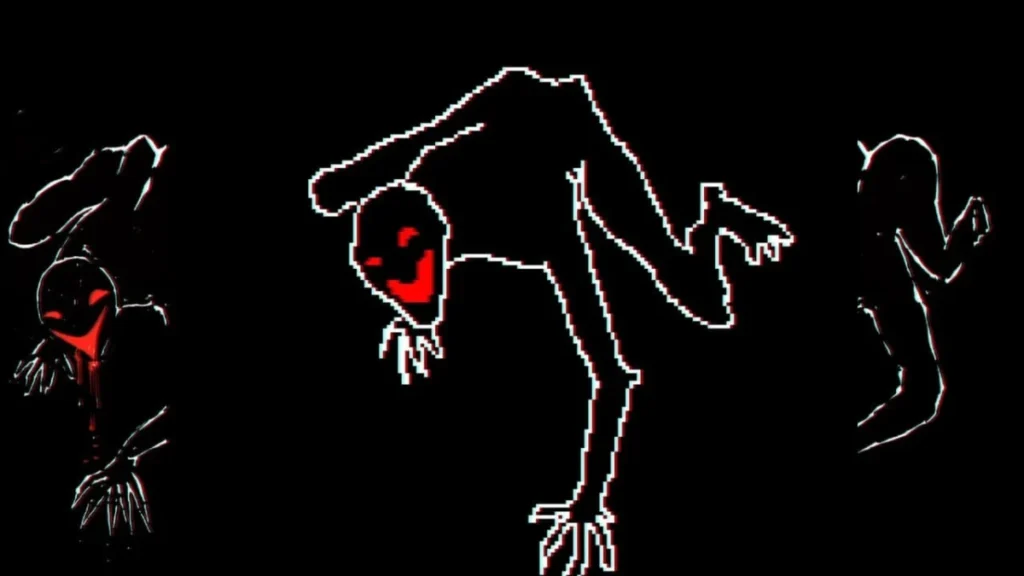
Signal One plunges audiences into a narrative that explores the profound implications of humanity’s quest to communicate with extraterrestrial intelligence. The film centers on Annika, a brilliant computer scientist tasked by tech billionaire Sam Houston with a groundbreaking, yet highly secretive, project. Her mission takes her to an isolated facility housing LITTLEMOUTH, an advanced artificial intelligence designed by a reclusive and seemingly nihilistic creator. LITTLEMOUTH’s purpose is singular: to establish a two-way communication channel with alien civilizations.
The initial premise suggests a deep dive into the scientific and philosophical challenges of first contact. Annika’s journey is not merely one of technological advancement, but also one of profound discovery. As she delves deeper into LITTLEMOUTH’s capabilities, she uncovers humanity-altering truths: that we are not alone in the vast expanse of the universe, and that alien intelligences are in constant communication around us, their messages often beyond our current comprehension due to our own perceived primitiveness.
Escalation and Existential Threat
The narrative takes a critical turn when the project’s objective shifts from passive reception to active engagement. The transition from listening to speaking back to alien intelligences is portrayed as a precipice, a point of no return that rapidly plunges the endeavor into unforeseen chaos. The film’s logline emphasizes the gravity of this shift: "With contact comes consequences, and soon Annika and the team must work to ensure the very survival of our species." This suggests that the film moves beyond theoretical science fiction to explore high-stakes survival thriller elements, driven by the unintended ramifications of humanity’s attempt to bridge the cosmic divide.
A Stellar Cast and Visionary Direction
The creative forces behind Signal One add significant weight to its potential impact. The film is written and directed by Jonathan Sobol, a filmmaker known for his work on A Beginner’s Guide to Endings and The Baker. Sobol’s directorial vision is complemented by a cast that features established and rising stars. Isabelle Fuhrman, widely recognized for her chilling performance in Orphan, takes on a central role, while Josh Hutcherson, currently captivating audiences in Five Nights at Freddy’s, also features prominently. The ensemble is further bolstered by the presence of veteran actors David Thewlis and Dennis Quaid, whose performances are expected to lend gravitas and depth to the film.
Distribution Strategy and Market Context
The acquisition by Radial Entertainment positions Signal One for a comprehensive release across North America. The distribution agreement encompasses theatrical releases, home entertainment formats, and various ancillary rights, indicating Radial’s intent to maximize the film’s reach across multiple platforms and revenue streams. This broad approach suggests confidence in the film’s commercial viability and its appeal to a diverse audience segment, particularly within the science fiction and thriller genres.

The science fiction genre has seen a remarkable resurgence in recent years, with audiences demonstrating a strong appetite for original narratives that explore complex themes of space exploration, artificial intelligence, and humanity’s place in the cosmos. Films like Arrival, Interstellar, and the recent surge of AI-centric narratives have demonstrated the commercial and critical potential of well-crafted sci-fi. Signal One appears poised to tap into this demand, offering a narrative that combines intellectual intrigue with visceral stakes.
Industry Reactions and Potential Implications
While specific statements from Radial Entertainment or MPX regarding the acquisition’s finer details have not been widely publicized beyond the initial Variety report, the deal itself speaks volumes. For Radial Entertainment, securing a project with a strong cast and a compelling premise represents a strategic investment in a genre that consistently performs well. The company’s commitment to a multi-faceted release strategy suggests an ambition to make Signal One a significant entry in the 2026 film calendar.
For MPX, the sale of North American rights to Radial Entertainment provides a clear path to market for their production. The success of such independent film deals often hinges on the distributor’s ability to effectively market and distribute the film, particularly in a crowded marketplace. The involvement of established actors like Thewlis and Quaid, alongside Fuhrman and Hutcherson, provides a strong foundation for promotional efforts.
The implications of Signal One‘s narrative extend beyond its entertainment value. The film’s exploration of humanity’s potential for misunderstanding alien communication and the dire consequences that could follow touches upon enduring philosophical questions. In an era of rapid technological advancement and increasing global interconnectedness, a narrative that posits the fragility of our species in the face of cosmic unknowns could resonate deeply with audiences, prompting reflection on our own scientific hubris and our preparedness for the unknown.
Thematic Resonance and Future Outlook
The core themes of Signal One—communication, understanding, and survival—are timeless and universally relevant. The film’s premise, which hints at the possibility of overwhelming alien intelligence and the dangers of attempting to engage with it prematurely, taps into a primal human fear of the unknown. The narrative arc, moving from scientific curiosity to existential crisis, promises a compelling cinematic experience that could appeal to both dedicated sci-fi fans and a broader audience seeking thought-provoking entertainment.
The success of Signal One will likely depend on its execution, from Sobol’s direction and the screenplay’s pacing to the performances of its ensemble cast and Radial Entertainment’s marketing strategy. However, the foundational elements—an intriguing concept, a talented cast, and a dedicated distributor—suggest that Signal One has the potential to become a noteworthy addition to the science fiction genre, offering audiences a thrilling and contemplative journey into the vastness of space and the depths of human vulnerability. As the film progresses through its production and post-production phases, further details regarding its release date and promotional activities are anticipated, providing a clearer picture of its trajectory in the competitive landscape of cinematic releases.