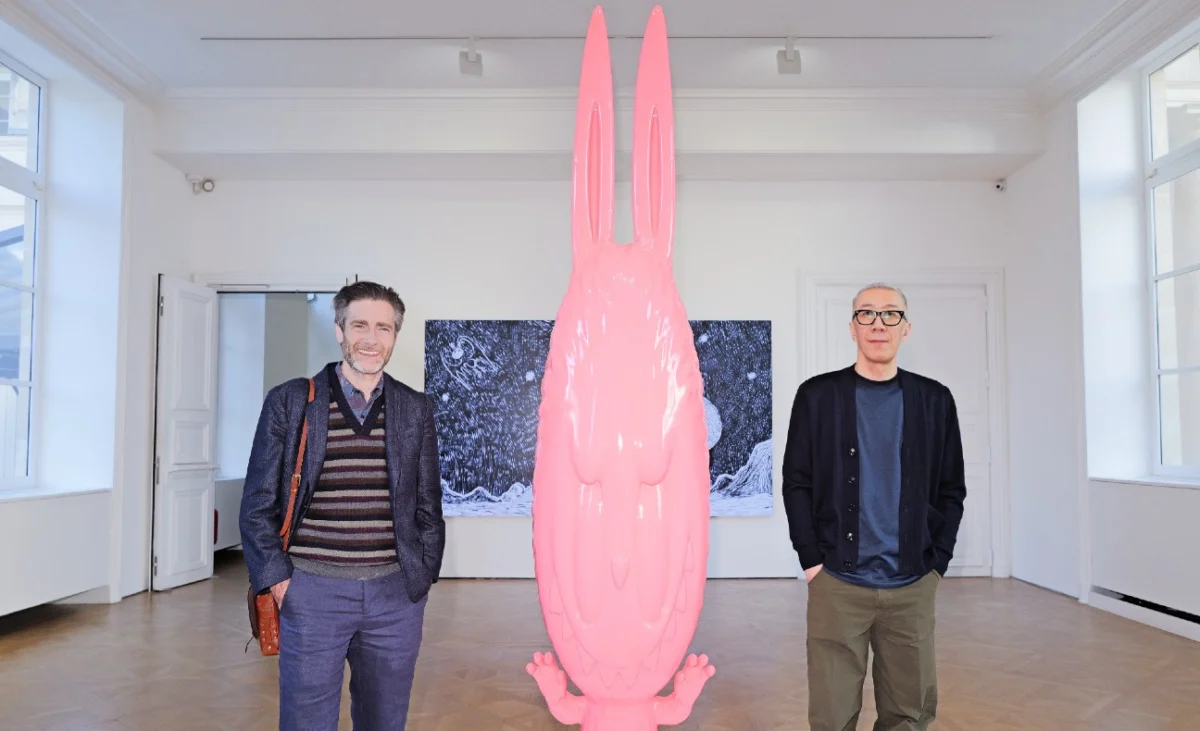
Sony Pictures has officially announced its commitment to bringing the popular Pop Mart character Labubu to the big screen, with acclaimed filmmaker Paul King (known for Wonka and the Paddington series) in early development to helm the project. The studio is partnering with Pop Mart, the China-based purveyor of collectible art toys, to adapt the whimsical world of Labubu into a feature film that will blend live-action and computer-generated imagery. The significant announcement was made during a special event in Paris, celebrating the 10th anniversary of Kasing Lung’s "The Monsters" universe, which prominently features Labubu. At this event, King revealed alongside Labubu creator Kasing Lung that he would be co-writing the screenplay with Tony Award-winning writer Steven Levenson.
While specific plot details remain under wraps, the film is poised to capture the distinctive charm and playful ferocity that defines Labubu and its companion characters. The production team includes King, Michael Schaefer (producer of The Martian), and Wenxin She (known for A Beautiful Day in the Neighborhood), who will serve as producers. Kasing Lung, the visionary artist behind the character, is slated to executive produce, ensuring creative fidelity to his original creation. Brittany Morrissey is overseeing the project on behalf of Sony Pictures, guiding the film through its developmental stages.
The journey to this official announcement has been chronicled, with The Hollywood Reporter having exclusively reported on the Labubu movie being in the works last November. A month later, THR again broke the news of Paul King’s attachment as director, signaling the studio’s ambition for the project and King’s continued involvement with beloved, character-driven narratives.
The Phenomenon of Labubu and Pop Mart
Labubu dolls are instantly recognizable for their unique aesthetic: a seemingly contradictory blend of cuddliness and fierce individuality, characterized by sharp, often mischievous teeth, furry bodies, and distinctive pointy ears. Labubu stands as the primary and most iconic character within "The Monsters" toy line, but the universe is populated by a vibrant ensemble of other beloved figures, including Zimomo, Mokoko, and Tycoco, each possessing their own unique quirks and appeal.
The genesis of Labubu traces back to 2015 when Hong Kong-born and Netherlands-raised artist Kasing Lung introduced "The Monsters" through a series of evocative picture books. These initial creations laid the groundwork for a rich narrative world. The characters first transitioned into collectible figurines with How2Work. However, their true explosion in global popularity occurred after Pop Mart acquired the rights to the toys in 2019. This strategic partnership catapulted Labubu and "The Monsters" into a cultural phenomenon, particularly in Asia, where the "blind box" collecting craze took hold.
Pop Mart, a behemoth in the collectible toy industry, has masterfully leveraged the appeal of designer toys and the thrill of the blind box purchasing model. This model involves consumers buying sealed boxes containing a random figure from a series, fostering a sense of excitement, surprise, and collectibility. The company’s innovative marketing and extensive collaborations with artists like Kasing Lung have cultivated a massive and devoted fanbase. Pop Mart’s financial success is staggering, with its market capitalization reaching billions of dollars and its retail presence expanding rapidly across Asia and into Western markets. The brand has become synonymous with a new era of art toy collecting, transcending traditional toy markets to appeal to a broad demographic, including an array of celebrity fans who proudly showcase their Labubu collections. The cinematic adaptation is expected to further globalize this unique brand, introducing Labubu to an even wider audience unfamiliar with the collectible toy scene.

Paul King: A Master of Whimsical Storytelling
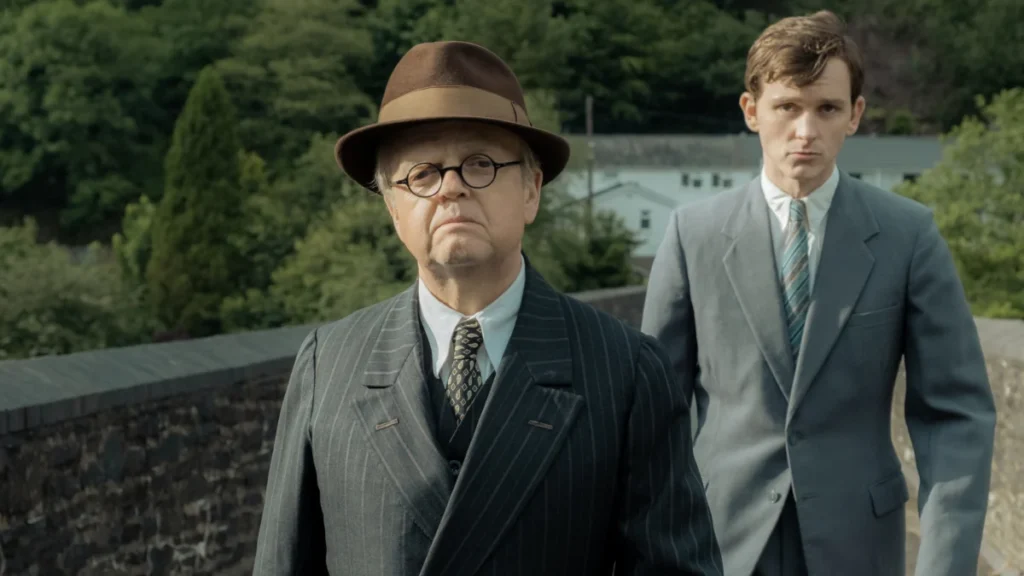
The selection of Paul King as the director for the Labubu feature is particularly noteworthy, given his distinguished track record in creating heartwarming and visually imaginative films that resonate with both critics and audiences. King’s most recent success was Wonka (2023), a musical fantasy that served as a prequel to Charlie and the Chocolate Factory. The film garnered significant commercial success, grossing over $630 million worldwide, and was praised for its enchanting visuals, whimsical tone, and emotional depth. King’s ability to reimagine a beloved literary character with fresh perspective and a strong narrative voice bodes well for his approach to Labubu.
Prior to Wonka, King earned widespread acclaim for his work on the Paddington films. He directed Paddington (2014) and its universally lauded sequel, Paddington 2 (2017). Both films were showered with critical praise for their sophisticated humor, genuine warmth, and groundbreaking visual effects that seamlessly integrated the CGI bear into a live-action world. Paddington 2, in particular, achieved a rare 100% approval rating on Rotten Tomatoes, often cited as a modern classic for its impeccable storytelling and visual artistry. King’s distinctive style, characterized by a blend of quirky humor, earnest emotion, and inventive visual flourishes, makes him an ideal candidate to translate Labubu’s unique charm and "cuddly but fierce" persona into a compelling cinematic experience. His proven ability to craft narratives that appeal across generations and blend fantastical elements with relatable human experiences is a significant asset for the Labubu project.
Steven Levenson: Adding Theatrical Depth
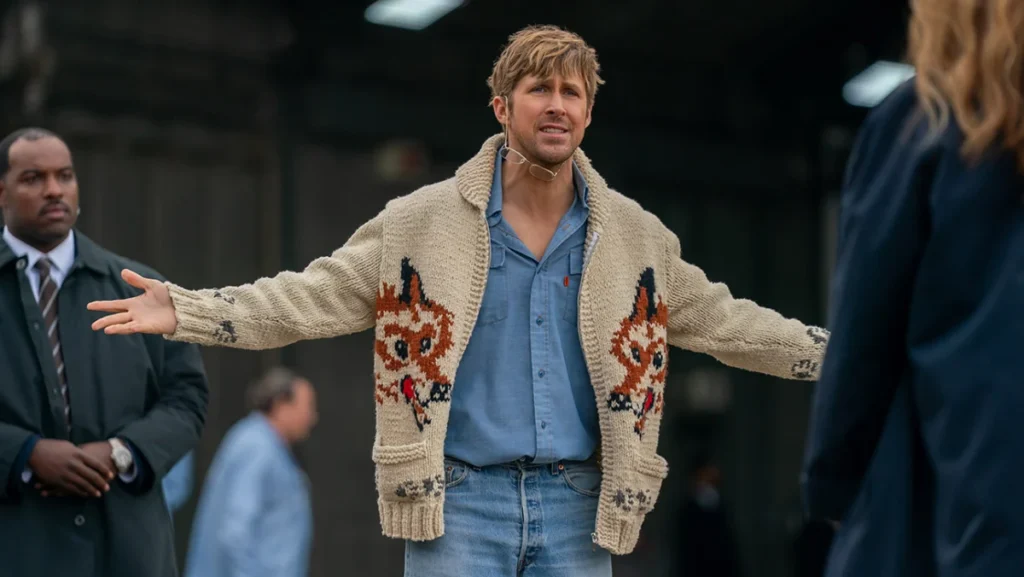
Joining King in the screenwriting process is Steven Levenson, a highly respected writer known for his work across stage and screen. Levenson’s most significant achievement is his Tony Award-winning book for the critically acclaimed Broadway musical Dear Evan Hansen. The musical explored complex themes of mental health, social anxiety, and connection in the digital age, earning numerous accolades for its poignant storytelling and emotional resonance. Levenson’s ability to craft narratives that delve into character psychology and explore profound human experiences suggests that the Labubu film will likely possess a narrative richness beyond mere visual spectacle.
Levenson also penned the screenplay for the feature film adaptation of Tick, Tick… Boom! (2021), directed by Lin-Manuel Miranda. This experience further showcases his talent for adapting stage material to the screen and his understanding of musical and dramatic storytelling. His television credits include working on critically acclaimed series such as Masters of Sex and Fosse/Verdon, demonstrating his versatility in handling diverse genres and historical periods. Levenson’s dramatic expertise and King’s whimsical vision could create a unique synergy, allowing the Labubu film to be both visually inventive and emotionally resonant, potentially exploring deeper themes through the lens of Labubu’s fantastical world.
The Hybrid Filmmaking Challenge and Opportunity
The decision to utilize a hybrid of live-action and CGI for the Labubu film presents both creative opportunities and technical challenges. This approach, successfully employed in films like Paddington, Detective Pikachu, and Sonic the Hedgehog, allows for the integration of fantastical characters into a tangible, real-world setting, grounding the story while still embracing its imaginative elements. For Labubu, this means audiences could see the beloved character interacting with human actors and navigating environments that feel both familiar and magical.
The success of such a hybrid approach hinges on the seamless integration of CGI characters with live-action elements, requiring sophisticated visual effects and meticulous direction. King’s experience with Paddington, where the titular bear felt incredibly real and emotionally expressive, is a strong indicator of his capability to achieve this demanding balance for Labubu. The format allows for the vivid portrayal of Labubu’s distinct physical characteristics—its furry texture, sharp teeth, and expressive ears—while giving the character a presence that feels grounded within the narrative’s world.
Broader Implications and Market Impact
The development of a Labubu film by Sony Pictures and Pop Mart signals several significant trends in the global entertainment industry.

Firstly, it underscores Hollywood’s continuing quest for unique and pre-existing intellectual properties (IPs) that come with built-in fanbases and strong merchandise potential. In an increasingly competitive market, studios are looking beyond traditional comics and novels to niche cultural phenomena, especially those with proven commercial success in other media. Labubu, with its global merchandise empire, represents a lucrative opportunity to tap into a fervent collector community and introduce the brand to a mainstream cinematic audience.
Secondly, this project highlights the growing influence of the Asian market on global entertainment. Pop Mart’s origins and immense success in China and across Asia make Labubu a valuable cross-cultural IP. A successful film adaptation could further bridge cultural gaps, bringing an Eastern-born phenomenon to Western screens and reinforcing the interconnectedness of global entertainment consumption. For Sony, investing in an IP with such a strong foundation in the rapidly expanding Asian market is a strategic move to solidify its international presence and appeal.
Thirdly, the film could serve as a significant legitimizer for the broader "art toy" or "designer toy" movement. Historically, collectible toys have rarely crossed over into major cinematic adaptations. Should Labubu succeed, it could pave the way for other popular art toy IPs to receive similar treatment, opening up a new frontier for film adaptations. This could further elevate the perception of designer toys from niche collectibles to mainstream cultural icons.
Finally, if the Labubu film resonates with audiences, it has the potential to spawn a new franchise, expanding "The Monsters" universe beyond toys and picture books into a multi-platform media juggernaut. Sequels, television series, and expanded merchandise lines would inevitably follow, solidifying Labubu’s place in popular culture. The creative team, led by King and Levenson, has the formidable task of not only introducing Labubu to new audiences but also crafting a narrative that possesses the depth, charm, and universal appeal necessary to sustain a long-running franchise.
In conclusion, the partnership between Sony Pictures and Pop Mart to develop a Labubu feature film, with Paul King and Steven Levenson at the creative helm, marks a compelling convergence of art, commerce, and global entertainment trends. It represents an ambitious effort to translate a beloved art toy phenomenon into a live-action/CGI cinematic experience, promising a whimsical and emotionally resonant journey into the unique world of Labubu. The project’s success could redefine IP adaptation strategies and underscore the power of niche cultural movements to achieve global mainstream appeal.