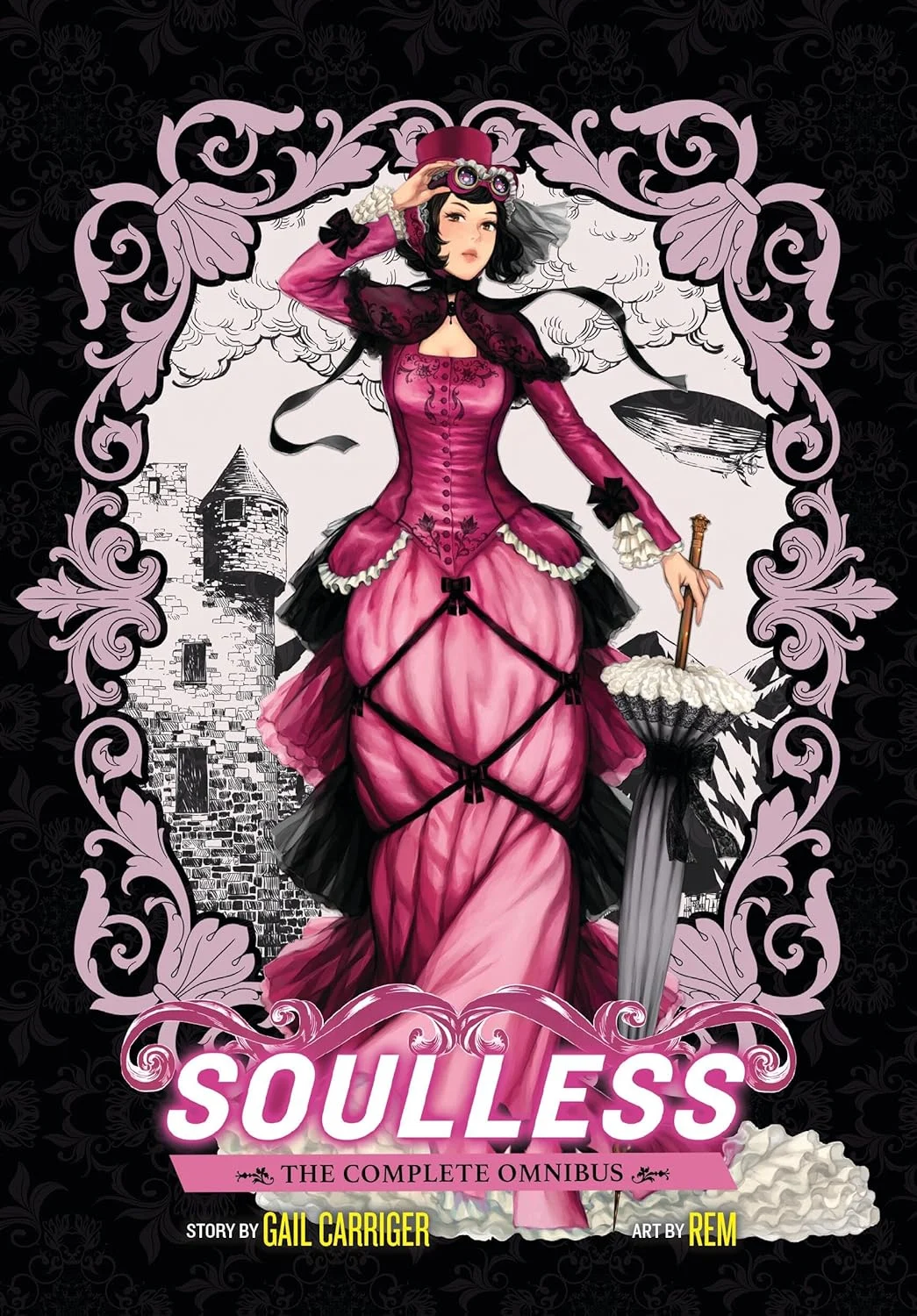
The Genesis of a Steampunk Phenomenon: Gail Carriger’s Literary Foundations
Gail Carriger’s "Soulless" emerged onto the literary scene in 2009, quickly distinguishing itself within the burgeoning steampunk and paranormal romance genres. Carriger, an author known for her distinctive voice and meticulous world-building, crafted a universe where Victorian societal strictures coexist with a hidden population of vampires, werewolves, and other supernatural entities, all underpinned by fantastical technological advancements. Her background in archaeology and her keen eye for historical detail are often cited as foundational to the rich, believable, yet utterly imaginative setting of "The Parasol Protectorate" series.
The novel’s reception was overwhelmingly positive. Publishers Weekly recognized "Soulless" as one of its Best Books of 2009, a testament to its literary merit and broad appeal. Further solidifying its standing, the American Library Association awarded it the prestigious Alex Award in 2010. The Alex Awards are presented to ten books written for adults that have special appeal to young adults, highlighting "Soulless"’s crossover potential and its ability to captivate a diverse readership. This recognition underscored the novel’s clever plotting, engaging characters, and fresh take on established genre tropes. Carriger’s ability to infuse humor, sharp social commentary, and a genuinely compelling romance into a steampunk framework set her apart from many contemporaries, establishing "The Parasol Protectorate" as a landmark series.
From Page to Panel: The Manga Adaptation’s Journey and Yen Press’s Role
The widespread success of "Soulless" naturally paved the way for adaptations into other media. The decision to adapt the novel into a manga, first serialized in 2011, was a strategic move to introduce Carriger’s unique world to the vast and eager audience of graphic novel enthusiasts. Yen Press, a prominent North American publisher specializing in Japanese manga, light novels, and Korean manhwa, took on the task of bringing the "Soulless" manga to English-speaking markets. Their track record includes a diverse catalog of popular and critically acclaimed titles, making them a fitting choice for a series that blends Western literary sensibilities with visual storytelling.
The manga adaptation, illustrated by Rem, faced the challenge of translating Carriger’s distinctive witty prose and intricate narrative into a visual format. This often requires a delicate balance: retaining the essence of the original while leveraging the unique strengths of the manga medium. Rem’s artistic execution has been widely praised for its fidelity to the novel’s aesthetic and its ability to convey the story’s charm and dynamism. Yen Press’s decision to compile the initial three volumes into "Soulless: The Complete Manga Omnibus" reflects a commitment to providing readers with a comprehensive and uninterrupted experience of Alexia Tarabotti’s inaugural adventure. This omnibus format is often favored by publishers for popular series, as it offers both new readers an accessible entry point and existing fans a collector’s item that consolidates the narrative arc.
Narrative Unveiled: Alexia Tarabotti’s Extraordinary Victorian Life
The core of "Soulless" revolves around Alexia Tarabotti, a character who defies Victorian conventions at every turn. Living in a meticulously detailed, gaslamp-lit London, Alexia is presented as a sharp-witted spinster whose most peculiar trait is her "soullessness." This preternatural condition renders her immune to supernatural powers, effectively nullifying the abilities of vampires, werewolves, and ghosts upon contact. This unique characteristic, while isolating her from society’s supernatural elite, also grants her an invaluable advantage in a world teeming with hidden dangers.
Alexia’s already unconventional life takes a dramatic turn when she is unexpectedly attacked by a rogue vampire at a formal gathering. In a moment of self-preservation, her soulless touch accidentally kills him. This unprecedented incident immediately draws the attention of the Bureau of Unnatural Registry, the clandestine organization responsible for overseeing the supernatural population. To investigate this perplexing matter, Queen Victoria dispatches Lord Conall Maccon, an imposing, often loud, and undeniably charismatic Alpha werewolf. His assignment thrusts Alexia into the very heart of a burgeoning mystery, intertwining her fate with the supernatural underworld she previously only observed from a distance.
As the narrative progresses, a series of strange disappearances begins to plague London’s vampire population. Suspicion, often fueled by Victorian society’s rigid prejudices and fear of the unknown, inevitably falls upon Alexia due to her unusual connection to the initial incident. Forced to clear her name and unravel the truth behind these disturbances, Alexia must navigate the labyrinthine complexities of high society, employing her sharp intellect and relying on her unique ability. Throughout this perilous investigation, her relationship with Lord Maccon evolves from one of professional antagonism to an "increasingly complicated" and deeply unconventional romance. Their burgeoning affection unfolds amidst the backdrop of secrets, conspiracies, and the ever-present scrutiny of those around them, highlighting the romantic tension and comedic friction that define their dynamic.
The expansive world-building of "Soulless" is a significant draw. Beyond the central mystery and romance, Alexia’s adventures, and those of her companions, introduce readers to a rich tapestry of supernatural and clandestine elements. This includes human secret societies operating in the shadows, ancient orders like the Templars with their own agendas, and a fascinating array of mechanical apparitions that underscore the steampunk ethos. The blend of these disparate elements—from ancient supernatural beings to advanced Victorian technology—creates a truly immersive and distinctive setting that continuously surprises and delights readers.
Artistic Excellence and Thematic Resonance in the Manga
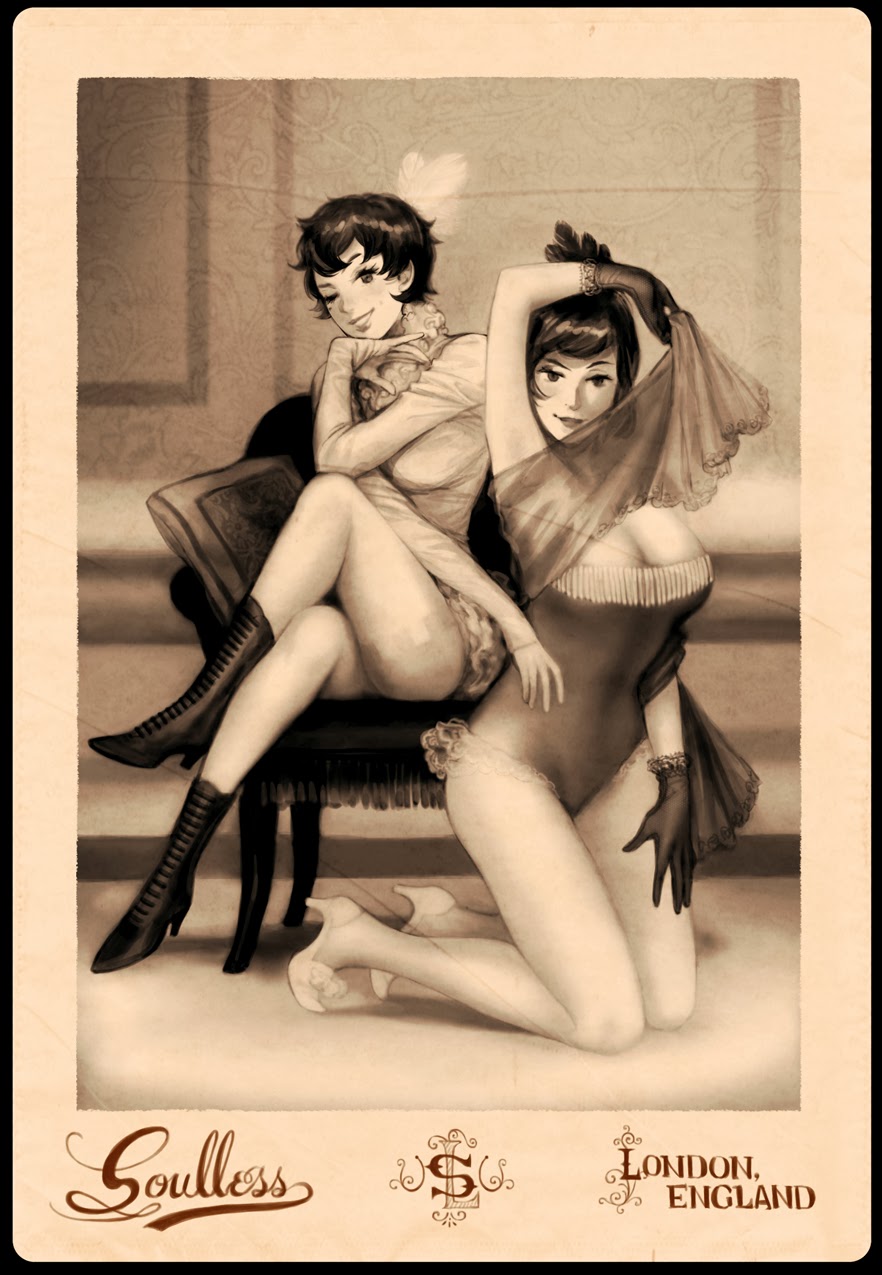
Rem’s artistic direction in "Soulless: The Complete Manga Omnibus" is a cornerstone of its success. The visual storytelling excels in capturing the intricate details of Carriger’s world. The linework dedicated to characters is particularly impressive, rendering their bodies, hair, and elaborate Victorian clothing with remarkable precision and elegance. This attention to detail extends to the backgrounds, which are richly illustrated to evoke the atmospheric grandeur and occasional grime of Victorian London. Furthermore, the depiction of the various supernatural creatures, including the dramatic metamorphoses of werewolves and the spectral apparitions, is executed with a dynamic flair that enhances the narrative’s fantastical elements.
Action sequences, especially those involving the raw power of werewolves, are rendered with impressive energy, utilizing larger panels to convey impact and motion effectively. While some critics might point to an occasional reliance on deus ex machina as a narrative device, its application in the manga is generally subtle enough not to detract significantly from the overall quality or the reader’s immersion. The inclusion of full-color pages at key junctures further elevates the visual experience, adding a luxurious touch and emphasizing pivotal moments, such as a particularly memorable scene in a torture room that stands out for its atmospheric tension.
Beyond its technical prowess, the artwork also masterfully reflects the "cheekiness" and underlying sensuality that permeates Carriger’s narrative. This is evident in the occasional emphasis on Alexia’s physical attributes, particularly her "bosom," which serves to highlight her femininity within the context of her unconventional role. Scenes of intimacy, including kissing and implied sexual encounters, are handled with a tasteful subtlety, never explicitly shown but always conveying a sensual quality that aligns with the paranormal romance genre.
Intriguingly, the manga also embraces and visually interprets the queer undertones present in the original novel. The flamboyant Lord Akeldama, a powerful vampire, is depicted with an overt charm and wit that suggests his non-traditional inclinations. Later, the appearance of Madame Lefoux, a mysterious inventor and hatter, introduces a character who openly expresses her attraction to Alexia. Notably, Alexia’s reactions to these advances are portrayed with a playful ambiguity, adding another layer of depth and modern sensibility to the narrative. This nuanced representation of diverse attractions contributes significantly to the story’s progressive appeal and its ability to resonate with a broad audience.
The Power of Wit and Social Commentary
The dialogue in "Soulless" is arguably one of its most celebrated features, and the manga successfully translates this essential element. The narrative is consistently infused with a sharp wit and playful exchanges that often appear unexpectedly, significantly enhancing the entertainment value of the omnibus. The conversations within high society, with their intricate social rituals and veiled barbs, are particularly well-rendered, showcasing Carriger’s talent for social satire. Lord Akeldama’s cutting remarks and clever observations are especially memorable, providing both comedic relief and insightful commentary. This commitment to intelligent and engaging dialogue ensures that the manga remains true to the spirit of the original novel, where verbal sparring is as crucial as physical action.
Beneath the veneer of supernatural intrigue and romantic escapades, "Soulless" also functions as a subtle yet effective piece of social commentary, particularly concerning Victorian patriarchy and the institution of marriage. A recurring "soap opera-like quality" threads through the narrative, starting with the central romance between Alexia and Lord Maccon, and extending to the involvement of Alexia’s sisters. Ivy, in particular, finds herself entangled in a complicated romantic triangle, betrothed to Captain Featherstonehaugh while harboring feelings for Tunstell, adding layers of interpersonal drama that highlight societal expectations.
Carriger, through both her original prose and the manga’s visual cues, handles these elements with a deft touch of humor and subtlety. Alexia’s mother’s persistent insistence that she marry promptly after being found alone with a man serves as a stark illustration of the intense societal pressures placed upon women in Victorian England. The later emergence of a pregnancy subplot further amplifies these themes, bringing to the forefront issues of reputation, social standing, and the omnipresent threat of gossip—a defining characteristic of the era. These narrative threads, while contributing to the romantic and comedic aspects of the story, also offer insightful critiques of historical gender roles and social conventions.
The overarching supernatural mystery remains consistently intriguing throughout the omnibus. Each resolution seems to give rise to new questions, maintaining a compelling sense of suspense. However, a significant point of note for readers is that not all mysteries are definitively resolved within this collection, a consequence of the manga adaptation ultimately being discontinued. While the omnibus provides a substantial and satisfying narrative arc, this discontinuation means that some plot threads, particularly those introduced towards the later parts of the adapted story, remain open-ended. This common challenge in cross-media adaptations can sometimes leave fans yearning for more, but it does not diminish the quality of the content presented within the completed volumes.
Broader Impact and Enduring Legacy
"Soulless: The Complete Manga Omnibus" stands as a compelling example of the cross-pollination between Western literature and Japanese manga. Its publication by Yen Press underscores the growing global appeal of genre fiction and the increasing willingness of publishers to bridge cultural and stylistic divides in storytelling. The success of Carriger’s novel and its subsequent adaptation has contributed to the broader popularization of steampunk as a genre, showcasing its versatility beyond niche audiences. It has also demonstrated the enduring appeal of paranormal romance, particularly when infused with intelligent humor and strong character development.
The omnibus format itself plays a crucial role in its legacy. By consolidating multiple volumes, it offers both existing fans and new readers an accessible and cohesive way to experience a significant portion of the "Soulless" narrative. This approach often proves successful in sustaining interest in a series, even if its original serialization faced challenges. The discontinuation of the manga adaptation, while regrettable for those who desired a full visual translation of the entire "Parasol Protectorate" series, does not negate the artistic and narrative achievements contained within this omnibus. It remains a testament to Rem’s artistic talent and the enduring charm of Gail Carriger’s world.
Ultimately, "Soulless: The Complete Manga Omnibus" is an excellent addition to any reader’s collection, whether they are long-time fans of Gail Carriger or newcomers to the steampunk paranormal romance genre. Despite containing more dialogue than is typical for many manga, a direct reflection of its literary source, it stands as a very satisfying work. Its strength lies in its exceptional wit, detailed artwork, engaging characters, and insightful social commentary, all woven into a unique and captivating narrative. The omnibus offers a rich, immersive experience that celebrates the synergy between different forms of storytelling, solidifying its place as a significant adaptation in the landscape of contemporary genre fiction.