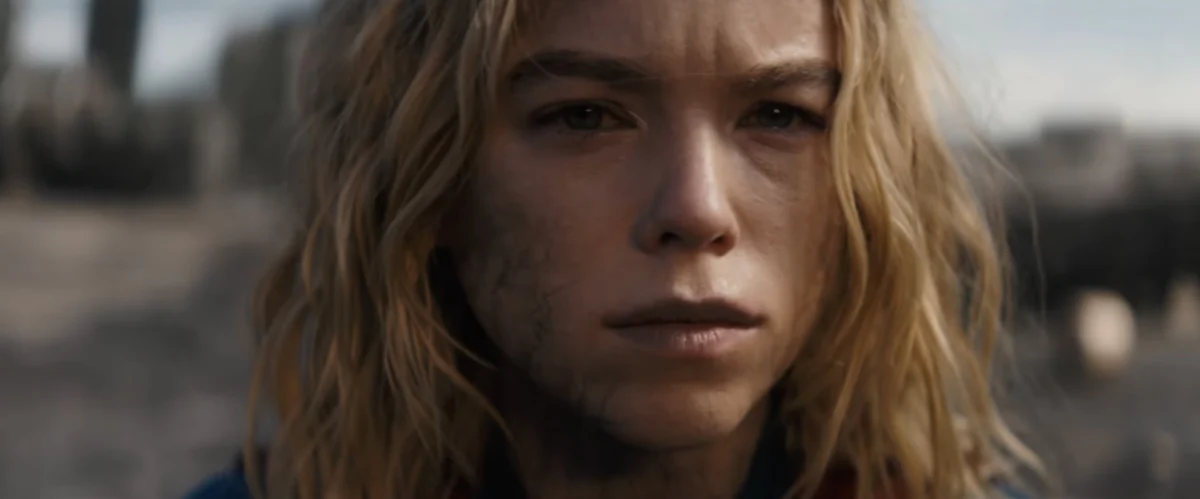
The highly anticipated trailer for DC Studios’ upcoming Supergirl: Woman of Tomorrow has ignited a firestorm of controversy, primarily centered on the apparent endangerment of the beloved super-dog, Krypto. The trailer, helmed by director Craig Gillespie, offers a glimpse into the film’s narrative premise, which has left many fans, particularly animal lovers, deeply distressed. This development follows a period of significant strategic shifts within DC Studios under the new leadership of James Gunn and Peter Safran, who have been tasked with revitalizing the DC Extended Universe (DCEU) and ushering in a new era of interconnected storytelling.
The Controversial Trailer and Krypto’s Peril
The trailer’s most jarring moment features the villainous Krem of the Yellow Hills, portrayed by Matthias Schoenaerts, seemingly attacking Krypto. The implication that the Kryptonian canine is left with "three days" to live has sent shockwaves through the fan community. Krypto the Superdog, a loyal companion to Superman and a symbol of hope and unwavering loyalty, holds a special place in the hearts of many comic book enthusiasts. His potential demise at the hands of a formidable antagonist raises immediate questions about the film’s tone and its departure from established character dynamics.
This harrowing scene serves to underscore Kara Zor-El’s (Milly Alcock) isolation and her desperate search for belonging. The trailer briefly shows a glimpse of a friendly, people-loving Superman (David Corenswet) on a television screen, a poignant reminder of the hero Kara believes she has lost and the alienating nature of her arrival on Earth. Without her people and believing herself to be utterly alone, Kara’s journey is framed as one of profound loneliness and vulnerability.
However, the trailer quickly pivots, introducing key allies who will join Kara on her quest. Notably, the formidable intergalactic bounty hunter Lobo (Jason Momoa) and a young, determined character named Ruthye (Eve Ridley) are revealed. The synopsis hints at an "epic, interstellar journey of vengeance and justice," suggesting a darker and more action-packed narrative than initially anticipated. The "unlikely companion" mentioned in the synopsis could refer to either Lobo or Ruthye, or potentially both, adding another layer of intrigue to Kara’s impending adventures.
From Woman of Tomorrow to a New Direction
The film was initially announced with the subtitle Woman of Tomorrow, a direct nod to the critically acclaimed Tom King and Bilquis Evely comic book series that serves as its primary inspiration. While the core plot elements—Kara’s alliance with Ruthye and the presence of the villainous Krem—appear to be retained, the removal of the subtitle has sparked speculation about the extent of the film’s deviation from its source material. The comic series, lauded for its gritty realism and compelling character development, presented a Supergirl narrative that was both deeply personal and grand in its cosmic scope. The trailer’s stark color palette, noticeably different from the vibrant and often melancholic hues of Evely’s artwork, might suggest a visual departure that mirrors thematic shifts as well.
The screenplay for Supergirl: Woman of Tomorrow is penned by Ana Nogueira, who is reportedly involved in a significant number of upcoming DC productions. This suggests a deep integration of her vision into the studio’s broader strategy. Director Craig Gillespie, known for his work on character-driven dramas like I, Tonya and Pam & Tommy, remains an interesting, perhaps even unconventional, choice for a superhero film of this magnitude. His previous projects have often explored complex psychological landscapes and the often-unseen struggles of their protagonists. This directorial choice could indicate a focus on Kara’s internal journey and the emotional weight of her experiences, even amidst the interstellar action.
DC Studios’ Strategic Overhaul and the Dawn of Chapter 1: Gods and Monsters
The Supergirl film is slated for a theatrical release on June 26, placing it within a crucial period for DC Studios. James Gunn and Peter Safran took the helm of DC Studios in late 2022, inheriting a DCEU that was facing considerable challenges in terms of narrative consistency and critical reception. Their mandate was clear: to create a cohesive and compelling cinematic universe that could rival the success of its competitors.
In January 2023, Gunn and Safran unveiled their ambitious slate for "Chapter 1: Gods and Monsters," a ten-project plan that includes both film and television series designed to lay the groundwork for a new DC Universe. This new universe aims to be more interconnected, with projects feeding into one another and building a shared narrative tapestry. The Supergirl film, as a foundational piece for this new DCU, carries significant weight in establishing the tone and thematic elements for future installments.
The decision to proceed with a narrative that includes the severe endangerment of Krypto, a character who has historically represented an unshakeable bond and a symbol of hope even in the darkest of times, is a bold one. It signals a willingness to explore more mature and potentially darker themes within the DC Universe. This approach may be intended to differentiate the new DCU from previous iterations and to appeal to a broader audience seeking more complex storytelling.
Fan Reactions and the Impact of Krypto’s Portrayal
The immediate fan reaction to the trailer has been a mixture of excitement for the new film and intense concern over Krypto’s fate. Social media platforms have been abuzz with discussions, many expressing outrage and disappointment. Hashtags such as #SaveKrypto and #NoToKryptoHarm have begun to trend, reflecting the deep emotional connection fans have with the character.
The historical significance of Krypto cannot be overstated. Introduced in 1955 in Adventure Comics #210, Krypto has been a consistent presence in Superman’s mythology, often serving as a source of comfort and an extension of Superman’s own values. His ability to fly and possess superpowers makes him a unique and powerful ally, but it is his unwavering loyalty and affection that have cemented his status as a beloved figure. For many, the prospect of Krypto being so brutally targeted is not just a plot point but a betrayal of the character’s established essence.
This controversy highlights the delicate balance DC Studios must strike. While creative risks are necessary to forge a new identity, alienating a significant portion of the established fanbase can have detrimental consequences. The studio’s decision to potentially include such a traumatic event for a beloved character may be a calculated move to establish the stakes and the severity of the threat posed by Krem, but it risks alienating viewers who are sensitive to animal harm in media.
Analysis of Narrative Implications and Director’s Vision
Director Craig Gillespie’s involvement, as mentioned, suggests a potential focus on the psychological aspects of Kara’s story. His previous work often delves into the human condition, exploring themes of ambition, trauma, and the struggle for identity. Applying this to Supergirl could mean a deeper exploration of her alien heritage, her displacement, and her fight to find her place in a universe that seems determined to break her. The potential loss of Krypto could serve as a catalyst for Kara to fully embrace her power and her mission, fueled by grief and a desire for justice.
The inclusion of Lobo, a character known for his brutal efficiency and morally ambiguous nature, further hints at a darker, more violent narrative. Lobo’s presence often signals a departure from traditional heroic tropes, and his collaboration with Supergirl could lead to unexpected and challenging dynamics. This pairing, alongside Ruthye’s quest for vengeance, suggests a film that is unafraid to explore the complexities of justice and the personal cost of achieving it.
The decision to remove the Woman of Tomorrow subtitle, while seemingly minor, could indicate a broader reinterpretation of the source material. The Tom King comic series was praised for its nuanced portrayal of Kara’s vulnerability and her capacity for both immense power and profound empathy. If the film deviates significantly from this tone, it may represent a shift towards a more action-oriented and less character-introspective approach, or perhaps a synthesis of both.
The Road Ahead for DC Studios
The Supergirl: Woman of Tomorrow trailer and its accompanying controversy serve as a potent early indicator of the bold and potentially divisive direction DC Studios is charting under Gunn and Safran. The studio’s commitment to building a shared universe through "Chapter 1: Gods and Monsters" necessitates establishing a clear tone and set of thematic pillars. Whether the decision to endanger Krypto is a strategic narrative choice that will ultimately serve the story or a misstep that alienates a key segment of the audience remains to be seen.
As the release date of June 26 approaches, all eyes will be on DC Studios to see how they navigate this fan backlash and how the Supergirl film ultimately delivers on its promise of an epic, interstellar journey. The success of this film, and indeed the entire "Chapter 1" initiative, will hinge on their ability to balance creative ambition with the enduring appeal of these iconic characters and the expectations of a devoted global fanbase. The conversation surrounding Krypto’s fate is a stark reminder of the deep emotional investment fans have in the DC Universe, and how crucial it is for the studio to honor that connection while forging a new path forward.