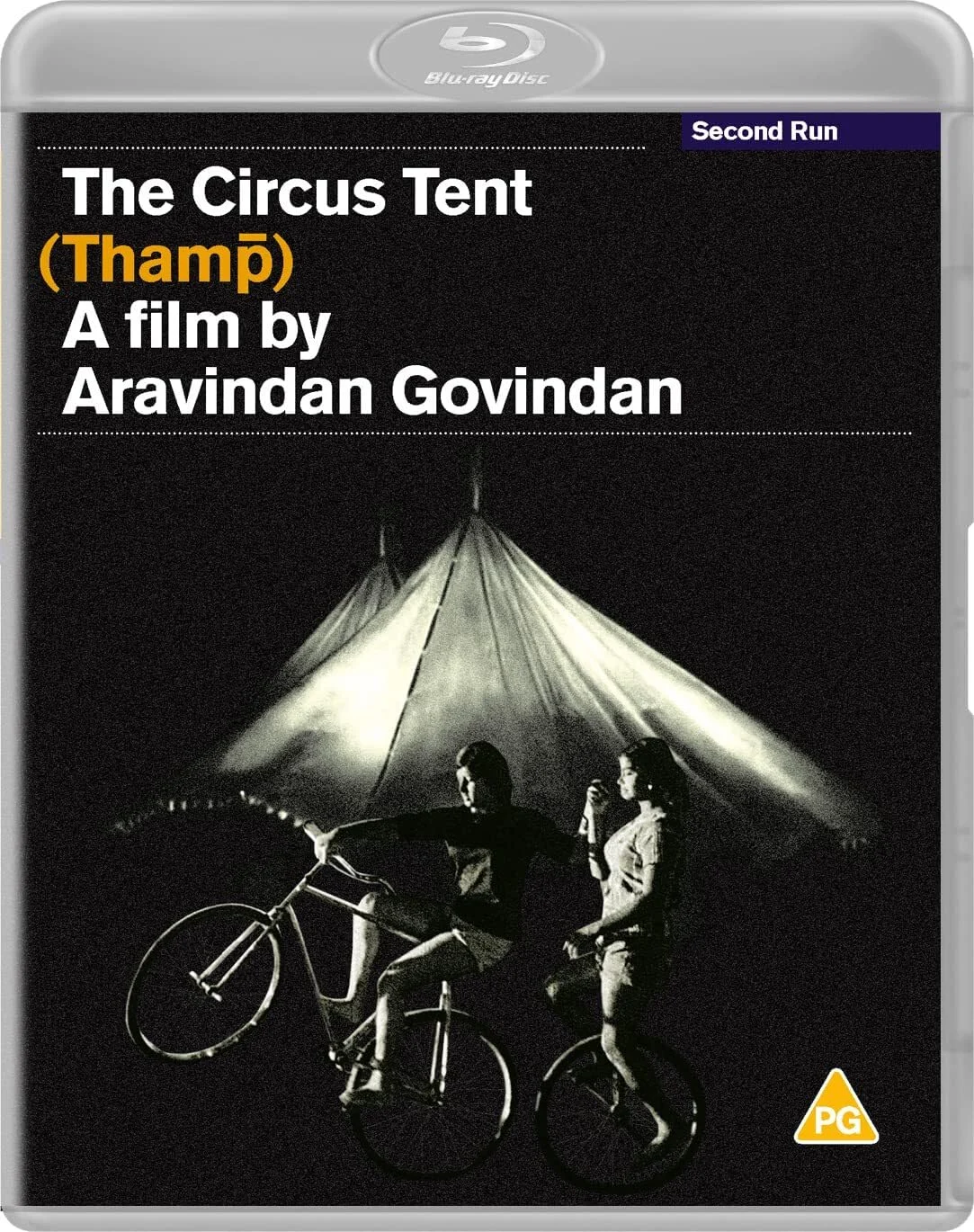
Released in 1978, G. Aravindan’s "Thampu" (The Circus Tent) stands as a foundational pillar of New Malayalam Cinema, a movement distinguished by its profound formal experimentation and an unflinching engagement with the social realities of its time. This black-and-white cinematic odyssey, approximately 130 minutes in length, masterfully blurs the conventional lines between fiction and documentary, embodying Aravindan’s celebrated cinéma vérité approach and his characteristic tendency to dissolve traditional narrative structures. Featuring an ensemble that includes esteemed performers such as Bharath Gopi, Nedumudi Venu, V. K. Sreeraman, and Jalaja, alongside authentic circus artists, the film was conceived without a conventional script, allowing events to unfold organically during its production in Thirunavaya, nestled on the scenic banks of the Bharathapuzha river in Kerala.
The Genesis of a Visionary Work: Aravindan’s Poetic Realism
G. Aravindan (1935-1991) was a polymath whose contributions to Malayalam culture spanned filmmaking, cartooning, music composition, and theatre direction. His cinematic oeuvre, though relatively small, is considered among the most significant in Indian parallel cinema, often characterized by a meditative pace, a deep connection to nature, and an empathetic observation of human existence. "Thampu" exemplifies his unique artistic philosophy, which prioritized capturing the essence of life as it unfolds, rather than imposing a predetermined plot. Aravindan’s previous works, such as "Kanchana Sita" (1977), an adaptation of a C. N. Sreekantan Nair play, and later "Kummatty" (1979), a poignant children’s film exploring folklore and transformation, further cemented his reputation as a director who transcended commercial constraints to pursue an intensely personal and philosophical vision. His films often explored themes of alienation, spirituality, and the fragile beauty of the human condition, frequently using non-professional actors and natural settings to achieve an unparalleled sense of authenticity.
The New Malayalam Cinema movement, which flourished from the late 1960s through the 1980s, marked a radical departure from the commercial mainstream, mirroring similar parallel cinema movements across India. Spearheaded by Aravindan and Adoor Gopalakrishnan, it sought to create artistically profound and socially relevant films that challenged conventional storytelling and explored the socio-political landscape of Kerala with nuanced realism. This period saw a shift towards minimalist aesthetics, experimental narratives, and a focus on psychological depth and cultural specificity. "Thampu," with its documentary-like realism and observational style, was a pivotal work within this movement, pushing the boundaries of what cinema could achieve by dissolving the distinction between artifice and reality.
The film’s unconventional production methodology is emblematic of Aravindan’s collaborative and improvisational genius. Instead of a rigid screenplay, Aravindan created a skeletal outline, allowing the interactions between the circus troupe and the local villagers to dictate the narrative’s progression. His approach involved inviting villagers to experience an actual circus performance, meticulously capturing their genuine reactions and integrating a local festival into the unfolding events. This organic process resulted in a work that feels both profoundly observational and deeply poetic, serving as a poignant meditation on the transience of life and the collective human experience. The choice of Thirunavaya, a tranquil riverside village, and the Bharathapuzha river, a cultural artery of Kerala, was deliberate, providing a picturesque yet grounded backdrop for the itinerant circus’s temporary intrusion.
The Narrative Unfolds: A Poetic Glimpse into Life’s Ephemerality
"Thampu" commences by immersing the viewer in the quiet rhythm of a small riverside village in Kerala, a serenity that is abruptly yet gently disrupted by the arrival of a traveling circus. The presentation of the troupe is meticulous and engaging, beginning with the visual of their truck rumbling along a bumpy, dusty road, the camera lingering on the faces of its members, hinting at the lives within. Soon, the focus subtly shifts to the local community, capturing the infectious excitement of children running towards the approaching spectacle, their eagerness palpable. The animals accompanying the troupe immediately become an attraction, with a particularly mischievous monkey drawing significant attention and amusement from the onlookers. The subsequent erection of the circus tent is portrayed in all its laborious glory, a communal effort culminating in the final stretching of the canvas, which provides one of the film’s initial truly memorable visual moments—a symbol of temporary establishment.

As the women of the village begin their daily ritual of washing clothes by the river, hanging them on the ropes near the nascent circus grounds, a subtle voyeuristic and sensual layer is introduced, enriching the film’s texture. This is followed by another striking sequence: the circus’s promotional band touring the fields and surrounding areas, an audiovisually rich moment that signifies the troupe’s efforts to announce its presence and draw in audiences. The inauguration of the circus also occupies a central place in the narrative, highlighting the painstaking efforts of the troupe members to secure a respected local figure to officiate the opening, underscoring their desire for acceptance and legitimacy within the community.
The circus acts themselves unfold with captivating detail: clowns eliciting laughter, wild animals enthralling children with a mixture of fear and intrigue, and acrobats leaving everyone in awe with their daring feats. The daily practice routines of the performers are also highlighted, revealing the discipline and dedication behind the spectacle. Amidst these observations, a subtle romance arc begins to emerge, adding a layer of human connection to the itinerant lives. The overall presentation maintains a calm, almost serene pace, which makes a sudden, jarring slap scene resonate loudly, both literally and narratively, puncturing the tranquil atmosphere with an unexpected moment of tension. However, the most profound moment arrives with the film’s ending, which is as unexpected as it is fitting in terms of the circus’s ephemeral impact on the local community, yet it remains shrouded in a degree of enigma, leaving the viewer to ponder its implications long after the screen fades to black.
Cinematic Craftsmanship: A Tapestry of Sight and Sound
Aravindan’s directorial genius is complemented by the exceptional contributions of his collaborators. Govindan Aravindan deliberately eschewed a conventional storyline, instead immersing the viewer in the unfolding reality through a succession of simple, yet potent, scenes. Editors Rameshan and Selvanathan meticulously weave these moments together, allowing the narrative to gracefully linger between documentary and fiction. This deliberate pacing and structure invite the audience to observe rather than merely consume, fostering a deeper engagement with the film’s thematic concerns.
A cornerstone of "Thampu"’s artistic success is the striking black-and-white cinematography by Shaji N. Karun. Karun, who would later become a celebrated director himself ("Piravi"), captures images that effectively tell a story of their own. His lens meticulously frames the rustic beauty of Kerala, the fleeting expressions of wonder on the faces of the villagers, and the quiet dignity of the circus performers. The many shots of the mesmerized audience, particularly the children, watching the performances, are indelible, reflecting a universal sense of childlike awe. Karun’s use of natural light and shadow imbues the film with a timeless quality, enhancing its observational realism and poetic depth. Bharath Gopi’s portrayal of the circus manager is another highlight, delivered with such understated authenticity that it becomes difficult to discern whether he is acting or simply existing within the role, a testament to Aravindan’s directorial style and Gopi’s immersive performance.
The film’s soundscape also plays a crucial role. The music, characterized by its intensity, stands out, contributing significantly to the film’s immersive quality. While its particular style might be somewhat unfamiliar to certain audiences, it is integral to the film’s atmosphere, often echoing the raw emotions and the transient nature of the circus’s presence. Coupled with the ambient sounds of the village and the circus, the audio design ensures a rich sensory experience that reinforces the film’s cinéma vérité aesthetic.
Awards and Recognition: Cementing a Legacy
Upon its release, "Thampu" was met with widespread critical acclaim, quickly establishing itself as a landmark in Indian cinema. Its artistic merit and innovative approach were recognized with several prestigious accolades. At the 26th National Film Awards in 1979, G. Aravindan was honored with the National Film Award for Best Direction, a testament to his unique vision and execution. Shaji N. Karun received the National Film Award for Best Cinematography, acknowledging his masterful black-and-white photography that so effectively captured the film’s delicate balance between reality and poetry. Furthermore, "Thampu" was crowned the Best Feature Film in Malayalam, solidifying its status as a paragon of regional cinematic excellence. Beyond the national stage, the film also garnered multiple Kerala State Film Awards and Critics Association awards, underscoring its profound impact within its home state and among film critics. These early accolades firmly cemented "Thampu"’s place in the pantheon of Indian cinematic masterpieces and highlighted the artistic vibrancy of New Malayalam Cinema.
The Restoration Journey: Preserving a Masterpiece for Posterity
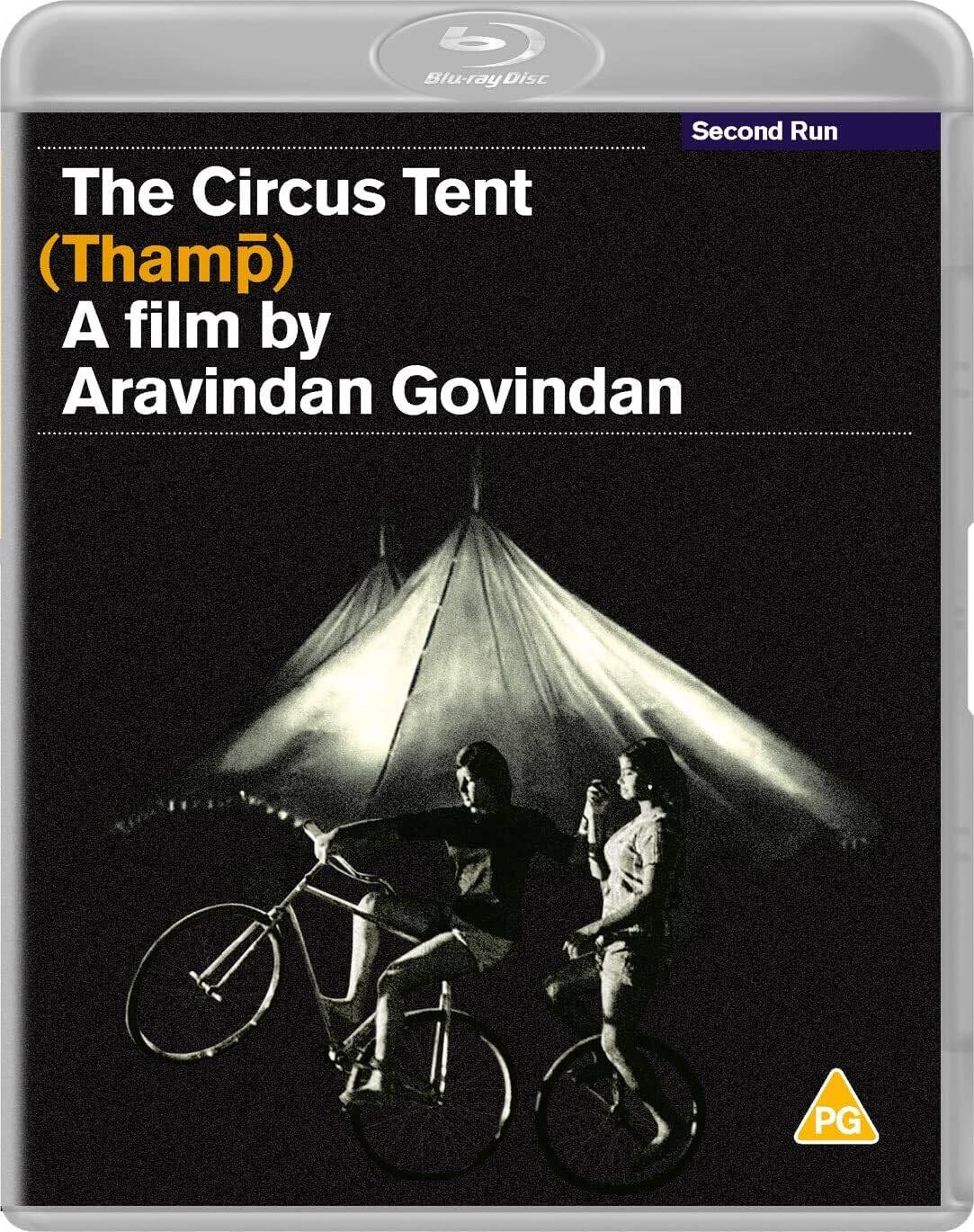
Decades after its initial release, the enduring importance of "Thampu" was reaffirmed through a meticulous 4K restoration project undertaken by the Film Heritage Foundation (FHF). The FHF, a non-profit organization dedicated to the preservation, restoration, and archiving of India’s cinematic heritage, recognized the urgent need to salvage and restore this seminal work. Under the leadership of its founder-director, Shivendra Singh Dungarpur, the FHF has been instrumental in raising awareness about the precarious state of film preservation in India, where countless cinematic treasures have been lost to neglect and decay.
The 4K restoration of "Thampu" was a painstaking process, involving the careful handling of original negatives and prints. This intricate work included repairing physical damage, meticulously cleaning each frame, and digitally scanning the film at ultra-high resolution. The goal was to not only preserve the film but also to enhance its visual and auditory quality while remaining faithful to Aravindan’s original artistic intent, especially the nuanced aesthetic of its black-and-white cinematography. The project ensured that the film’s delicate texture, dynamic range, and the subtle interplay of light and shadow, so crucial to Karun’s vision, were faithfully reproduced for contemporary audiences.
The culmination of this monumental preservation effort was the film’s premiere in the esteemed Cannes Classics section of the Cannes Film Festival in 2022. A Cannes Classics premiere is a highly significant event, signifying global recognition of a film’s historical and artistic importance. This international re-introduction brought "Thampu" to a new generation of cinephiles and critics worldwide, reaffirming its timeless relevance. Following its triumphant debut at Cannes, the restored version of "Thampu" subsequently screened at major international venues and festivals, including the MAMI Mumbai Film Festival, the New York Film Festival, and the BFI London Film Festival, among others, ensuring its continued visibility and study for new audiences across the globe.
Broader Impact and Enduring Relevance
"Thampu" functions not merely as a cinematic narrative but as a kind of cinematic tour through the region and its customs, particularly in how these are influenced and temporarily altered by the arrival of the circus. Shaji N. Karun’s cinematography effectively highlights the local beauty, capturing the essence of rural Kerala. As the villagers’ initial fascination and interest gradually wanes, eventually leading to the troupe’s inevitable departure, a profound sense of nostalgia emerges, accompanied by a subtle degree of disillusionment regarding the transient rhythms of life. The circus, a temporary spectacle, leaves an indelible, if melancholic, mark on the permanent landscape of the village.
The film’s legacy is intertwined with that of G. Aravindan, who is remembered as one of India’s most sensitive and profound filmmakers. "Thampu" cemented his reputation as a master of observational cinema, a director capable of extracting deep emotional resonance from everyday occurrences. His approach influenced a generation of filmmakers, inspiring them to explore realistic narratives and push artistic boundaries. The film’s contribution to Indian cinema is immense, showcasing the artistic prowess of regional cinema on both national and international platforms and solidifying the importance of the parallel cinema movement in offering alternatives to mainstream narratives.
The themes explored in "Thampu"—transience, human connection, the allure of the unknown, and the inevitability of departure—resonate deeply even decades later. The circus serves as a powerful metaphor for life itself: a fleeting spectacle of joy, wonder, and occasional sorrow, leaving behind memories and a changed perspective. The successful 4K restoration by the Film Heritage Foundation underscores the critical importance of film preservation, not just as an act of archiving, but as a vital endeavor that ensures artistic heritage remains accessible and relevant for future generations. "Thampu" is more than just an excellent movie; it is a testament to the unparalleled quality of Malayalam cinema of its era and a true triumph of cinéma vérité, ultimately standing as a genuine, timeless masterpiece that continues to captivate and provoke thought.