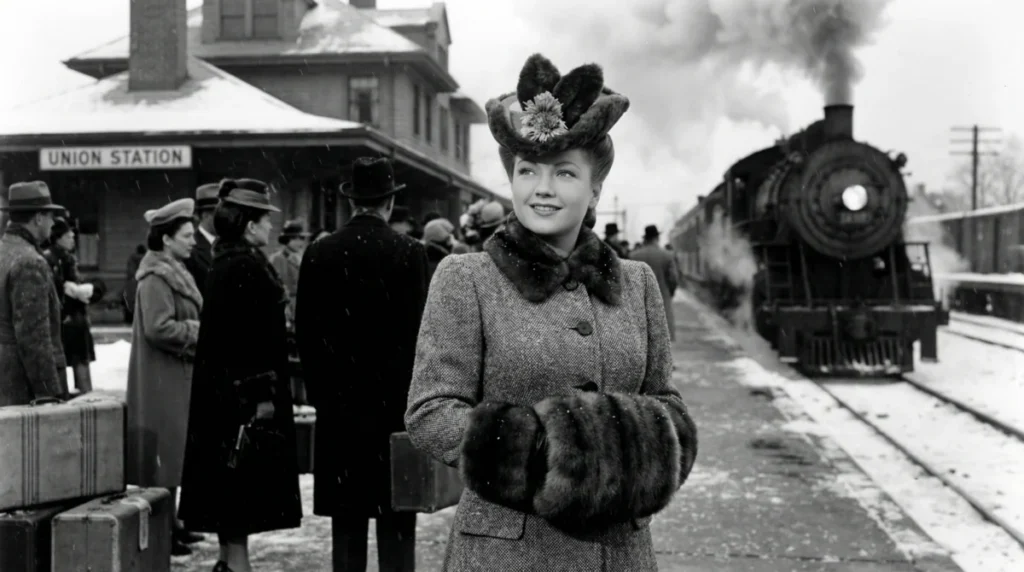
The 28th edition of the Far East Film Festival (FEFF), a cornerstone event for Asian cinema enthusiasts, has officially unveiled its comprehensive program, promising an immersive journey into the dynamic and multifaceted landscape of filmmaking from across the continent. Set against the picturesque backdrop of Udine, Italy, FEFF 2026 is poised to present a curated selection of 76 films from 12 distinct countries, affirming its reputation as a premier European platform for showcasing the best and brightest narratives emerging from Asia. Of these, 52 films will vie for the prestigious competition awards, while 24 will be presented out of competition, offering a broad spectrum of genres, themes, and directorial visions to an eager international audience.
A Legacy of Bridging Continents: The Far East Film Festival’s Enduring Mission
Established in 1999, the Far East Film Festival has grown from a niche event focused primarily on Hong Kong cinema into a comprehensive showcase for the entire Asian film industry. Over nearly three decades, FEFF has distinguished itself by championing films that might otherwise struggle to find distribution or recognition in Western markets. Its mission extends beyond mere screening; it actively fosters cultural exchange, encourages industry networking through its "Focus Asia" market, and educates audiences on the rich diversity of Asian storytelling. The festival’s location in Udine, a city in Italy’s Friuli-Venezia Giulia region, provides an idyllic and accessible European hub, drawing filmmakers, industry professionals, critics, and cinephiles from around the globe. This long-standing commitment has solidified FEFF’s status as one of the most respected and influential festivals dedicated to Asian cinema outside of Asia itself, playing a critical role in the global propagation and appreciation of these cinematic works. The 28th edition continues this proud tradition, highlighting both established masters and emerging talents, thereby offering a crucial barometer of contemporary Asian filmmaking trends.
Opening and Closing Galas: A Glimpse into Regional Strengths
The festival is scheduled to commence its vibrant program on April 24, inaugurating the screenings with Anthony Chen’s highly anticipated Singaporean family drama, We Are All Strangers. Chen, an acclaimed director known for his poignant and introspective portrayals of familial relationships and societal pressures, first garnered international recognition with his Camera d’Or-winning debut Ilo Ilo in 2013, followed by the critically praised Wet Season. His opening film selection underscores FEFF’s commitment to showcasing thought-provoking narratives from Southeast Asia, a region increasingly gaining traction in the global film circuit. We Are All Strangers is expected to delve into universal themes of connection and alienation within the intimate confines of a family unit, a hallmark of Chen’s sensitive directorial style.
Bringing the festival to a celebratory close on May 2 will be Phan Gia Nhất Linh’s Blood Moon Rite 8, a Vietnamese remake of the globally celebrated cult Japanese zombie film One Cut of the Dead. The original Japanese film, directed by Shinichirō Ueda, was lauded for its innovative meta-narrative, comedic brilliance, and a surprising twist that redefined the zombie genre. The decision to close with a Vietnamese remake speaks volumes about the growing confidence and creative ambition within Vietnamese cinema, demonstrating its capacity to adapt and reinterpret international successes with a unique local flavour. This choice also highlights a burgeoning trend of cross-cultural cinematic dialogue within Asia, where successful concepts are reimagined for new audiences and cultural contexts.
Spotlight on Southeast Asia: Singapore and Vietnam Take Center Stage
FEFF 2026 is poised to offer a significant platform for the burgeoning cinemas of Singapore and Vietnam, with a robust representation that transcends the opening and closing night features. This focus reflects a broader industry trend acknowledging the increasing artistic and commercial vitality of films from these nations.
Beyond Anthony Chen’s opener, Singaporean cinema will be further represented by Geck Priscilla Ang’s Ah Girl and Michael Kam’s The Old Man and his Car. While specific plot details are often kept under wraps before festival premieres, these selections typically represent the diverse storytelling traditions emerging from the island nation. Singaporean cinema has, in recent years, navigated a path between arthouse sensibilities and commercial viability, often exploring themes of identity, social change, and urban life in a multicultural society. The presence of these films at FEFF provides crucial international exposure, allowing these unique voices to resonate with a wider audience.
Vietnam’s cinematic landscape, in particular, will see a strong showing, reinforcing its status as an exciting new frontier for Asian filmmaking. In addition to Blood Moon Rite 8, the festival will screen Leon Lê’s romance drama Ky Nam Inn, Ham Tran’s action thriller Hijacked, and Bùi Thạc Chuyên’s Vietnam War movie Tunnels: Sun in the Dark. This diverse trio showcases the breadth of Vietnamese filmmaking, from intimate character-driven stories to high-octane genre pieces and historically significant dramas. The inclusion of Tunnels: Sun in the Dark from Bùi Thạc Chuyên is particularly notable. Films addressing the Vietnam War from a Vietnamese perspective offer invaluable insights and often challenge conventional Western narratives, providing a nuanced and deeply personal portrayal of a conflict that shaped generations. This strong showing from Vietnam underscores the country’s cinematic renaissance, marked by a new generation of filmmakers eager to tell their stories to the world, often blending traditional aesthetics with modern narrative techniques.
East Asian Powerhouses: Japan and South Korea’s Continued Dominance
While Southeast Asian cinema enjoys a moment in the spotlight, the established cinematic powerhouses of Japan and South Korea continue to assert their global influence with highly anticipated entries.
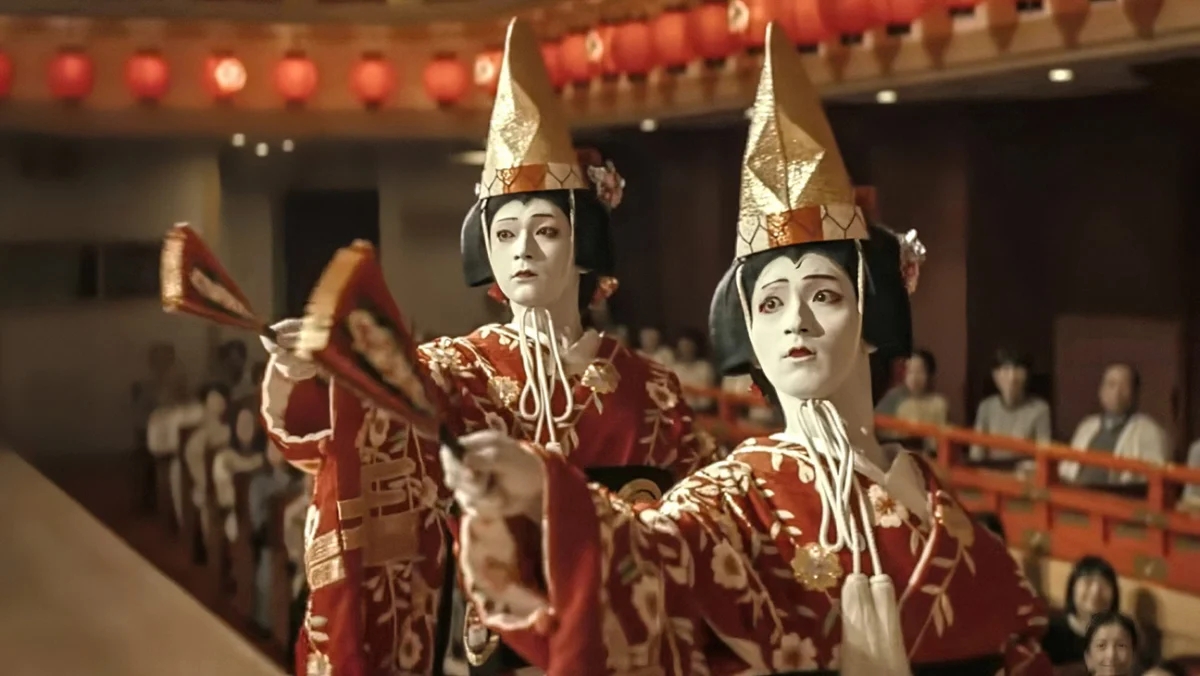
From Japan, Lee Sang-il’s globally acclaimed historical drama Kokuho is set for a special screening at FEFF, just days before its much-anticipated Italian theatrical debut. Kokuho, which delves into the intricate world of traditional Japanese kabuki theatre, has already captivated audiences and critics alike, becoming Japan’s all-time highest-grossing live-action film. Its selection as Japan’s official entry for the Academy Awards further cemented its critical and cultural significance. Lee Sang-il, renowned for his intense and character-driven works like Villain and Rage, is expected to be in attendance, offering festival-goers a unique opportunity to engage with the celebrated director. Kokuho‘s success highlights the enduring appeal of Japanese historical epics, particularly when infused with contemporary storytelling and technical prowess.
Further enriching the Japanese contingent is the world premiere of Fujiko, a female-led drama starring and directed by the multifaceted talent Megumi. Known across Japan as a singer, actress, and "tarento" (media personality), Megumi’s return to Italy for this premiere marks a significant moment for her career and for Japanese independent cinema. Fujiko is anticipated to explore themes pertinent to women’s experiences, reflecting a growing global trend towards more diverse and inclusive narratives within film.
South Korea, a nation synonymous with groundbreaking cinema, will be represented by Jang Hang-jun’s The King’s Warden and the collaborative documentary The Seoul Guardians, directed by Cho Chul-young, Kim Jong-woo, and Shin-Wan Kim. The King’s Warden is expected to deliver the intricate plotting and high production values typical of Korean historical dramas and thrillers, genres that have consistently found international acclaim. However, it is The Seoul Guardians that marks a notable milestone for FEFF: it is the first documentary film to be included in the main competition in Udine. This inclusion signifies an evolving curatorial approach at FEFF, acknowledging the increasing artistic merit and critical importance of non-fiction filmmaking within the broader Asian cinematic landscape. Documentaries from South Korea, much like their narrative counterparts, are often characterized by their fearless exploration of social issues, historical injustices, and human experiences, offering profound insights into contemporary Korean society.
Honoring Legends: Golden Mulberry for Lifetime Achievement
A highlight of FEFF 2026 will undoubtedly be the presentation of the Golden Mulberry for Lifetime Achievement awards to two titans of Asian cinema, both of whom are currently enjoying significant career renaissances: Chinese actress Fan Bingbing and Japanese actor Koji Yakusho. These awards not only celebrate their profound contributions to film but also acknowledge their sustained relevance and recent critical successes.
Fan Bingbing, a global icon, will be present in Udine to accept her award. Her career trajectory is a testament to her versatility, spanning from critically acclaimed arthouse productions like I Am Not Madame Bovary and Ever Since We Love to major commercial blockbusters such as The White Haired Witch of Lunar Kingdom, League of Gods, and Lady of the Dynasty. Fan’s ability to navigate both artistic and commercial realms, alongside her striking presence, has solidified her status as one of China’s most recognizable and influential actresses. Her recent film, the drama Mother Bhumi, garnered significant attention, screening in competition at the Tokyo International Film Festival and receiving an impressive eight Golden Horse nominations, signaling a powerful return to the forefront of Asian cinema after a period of relative quiet. Her journey reflects the complex pressures and triumphs faced by public figures in the modern entertainment industry, making her current resurgence particularly resonant.
Joining her in receiving this prestigious honor is the venerable Japanese legend Koji Yakusho. With a career spanning over four decades, Yakusho has an unparalleled filmography, having starred in an astonishing array of genres and collaborated with many of Japan’s most celebrated directors. His iconic roles include performances in modern classics such as The Blood of Wolves, The Woodsman and the Rain, Shohei Imamura’s Palme d’Or winner The Eel, Juzo Itami’s cult classic Tampopo, Miwa Nishikawa’s Under The Open Sky, Takashi Miike’s 13 Assassins, and Kiyoshi Kurosawa’s seminal horror film Cure. Yakusho’s remarkable ability to inhabit diverse characters, from stoic samurai to vulnerable everymen, has earned him a reputation as one of the finest actors of his generation. Most recently, he achieved universal acclaim and the coveted Best Actor prize at the Cannes Film Festival for his profoundly moving portrayal in Wim Wenders’ acclaimed film Perfect Days. This recent international recognition has further cemented his legacy, bringing his masterful performances to a new global audience and proving that his artistry continues to evolve and captivate. The simultaneous honoring of these two immensely influential figures underscores FEFF’s dedication to celebrating the breadth and depth of Asian cinematic talent, from iconic actresses who define an era to veteran actors whose performances transcend generations.
Broader Implications and The Future of Asian Cinema
The meticulously curated lineup of FEFF 2026 offers more than just a schedule of screenings; it presents a vivid snapshot of the current state and future trajectory of Asian cinema. The festival’s emphasis on films from Singapore and Vietnam, alongside the continued strong representation from Japan and South Korea, signifies a dynamic shift in global cinematic attention. While East Asian giants maintain their artistic and commercial might, the increasing visibility of Southeast Asian narratives points to a diversification of influential voices within the continent. This trend is crucial for fostering a more inclusive and representative global film landscape.
FEFF’s role as a cultural bridge is more vital than ever. For many of the featured independent and regional films, the festival serves as a critical launchpad for international distribution and critical discourse. The opportunity for European audiences to engage directly with these films, and for filmmakers to interact with international industry professionals, can significantly impact their future reach and success. Moreover, the inclusion of a documentary in competition signals an expanding definition of "cinema" within the festival’s purview, reflecting a global appreciation for diverse forms of storytelling.
The honoring of Fan Bingbing and Koji Yakusho also carries significant implications. Beyond celebrating individual careers, these lifetime achievement awards serve as affirmations of the immense talent and global impact of Asian actors and their contribution to the art form. Their presence in Udine will undoubtedly draw further attention to the festival and to the broader narratives of Asian film history and contemporary excellence. As the world becomes increasingly interconnected, festivals like FEFF play an indispensable role in promoting cross-cultural understanding and ensuring that the rich tapestry of Asian cinematic expression continues to captivate and inspire audiences worldwide. The 28th edition of the Far East Film Festival is not merely an event; it is a vital celebration of cinema’s power to connect, to enlighten, and to transport, reaffirming Udine as a crucial nexus for the global appreciation of Asian storytelling.