The Academy of Motion Picture Arts and Sciences and AEG have officially entered into a transformative multi-year partnership that will see the Academy Awards transition to a new permanent home at L.A. LIVE in Downtown Los Angeles. This historic agreement marks the end of an era for the Dolby Theatre in Hollywood and signals a new chapter for the film industry’s most prestigious ceremony, which will relocate to the Peacock Theater starting with the 101st Oscars in 2029. The partnership is slated to span at least eleven years, securing the venue as the epicenter of the cinematic world through 2039.
This strategic relocation represents a significant shift in the geographic and cultural landscape of Los Angeles’ entertainment industry. Since 2002, the Oscars have been synonymous with Hollywood Boulevard, but the move to the 23-acre L.A. LIVE district places the ceremony within a modern, technologically advanced hub designed specifically for large-scale global events. Owned and operated by AEG—the world’s leading sports and live entertainment company—L.A. LIVE is a 4-million-square-foot complex that already serves as the backdrop for the Grammy Awards and the home of the Crypto.com Arena.
A New Era for the Academy Awards
The transition to the Peacock Theater is not merely a change of address but a comprehensive reimagining of the Oscars experience. As part of the landmark deal, AEG has committed to a series of extensive infrastructure upgrades to the Peacock Theater. These enhancements will target critical production areas, including the modernization of stage mechanics, sound engineering, and lighting systems. Furthermore, the venue’s lobbies and backstage facilities will undergo significant renovations to meet the specific, high-security, and high-glamour requirements of the Academy.
The Academy and AEG will collaborate on bespoke design elements to ensure the theater can accommodate the unique technical demands of the Oscars telecast. This includes the integration of advanced broadcasting technology and the creation of specialized spaces for the thousands of journalists, nominees, and industry professionals who descend upon the city for the event. The recently expanded plaza at L.A. LIVE will also play a central role, serving as the primary site for the iconic red carpet arrivals and various pre-show festivities.
The Evolution of the Oscars Venue: A Historical Timeline
The decision to move to Downtown Los Angeles is a return to form in some respects, as the Oscars have a long history of migrating between the city’s most storied venues. To understand the weight of this move, one must look at the chronology of the ceremony’s locations:
- 1929: The inaugural Academy Awards were held at the Hollywood Roosevelt Hotel, a private dinner for roughly 270 guests.
- 1930s–1940s: The ceremony rotated between the Ambassador Hotel and the Biltmore Hotel in Downtown Los Angeles, reflecting the era’s penchant for grand ballroom settings.
- 1944–1946: The event moved to Grauman’s Chinese Theatre, marking its first major stint in a dedicated cinema house.
- 1947–1948: The Shrine Auditorium served as the host, providing the large capacity needed for the growing industry.
- 1950s–1960s: The Oscars split time between the RKO Pantages Theatre and the Santa Monica Civic Auditorium.
- 1969–1987: The Dorothy Chandler Pavilion at the Los Angeles Music Center in Downtown L.A. became the long-term home, hosting the event for nearly two decades.
- 1988–2001: The ceremony alternated between the Dorothy Chandler Pavilion and the Shrine Auditorium.
- 2002–Present: The Academy moved into the purpose-built Kodak Theatre (now the Dolby Theatre) at the Hollywood & Highland complex (now Ovation Hollywood).
The move to the Peacock Theater in 2029 will end a 27-year residency in Hollywood, moving the "biggest night in movies" back to the downtown corridor where it spent much of its mid-century history.
Strategic Shift to Digital and Global Streaming
One of the most groundbreaking aspects of the new agreement is the shift in broadcasting rights. For decades, the Oscars have been a staple of traditional linear television, primarily through its long-standing partnership with ABC. However, beginning in 2029, the Peacock Theater will be the first venue to host the Oscars under an exclusive global rights deal with YouTube.
This move to a digital-first platform reflects the Academy’s efforts to modernize its reach and engage with a younger, more global audience. While the 100th Oscars in 2028 will still be televised on ABC and distributed to more than 200 territories via traditional means, the 101st ceremony will mark a pivot toward streaming. The YouTube partnership is expected to offer unprecedented accessibility, providing film fans around the world with multiple viewing angles, interactive features, and real-time social integration that traditional broadcasting struggles to provide.
Infrastructure and Economic Impact of L.A. LIVE
The selection of L.A. LIVE as the future home of the Oscars is a testament to the district’s success as a "city within a city." Since the opening of the Crypto.com Arena (then STAPLES Center) in 1999 and the subsequent launch of L.A. LIVE in 2007, the area has revitalized Downtown Los Angeles. The district boasts high-end hospitality options, including The Ritz-Carlton and JW Marriott Los Angeles L.A. LIVE, which provide over 1,000 luxury rooms combined—essential for hosting the international elite of the film world.
The Peacock Theater itself offers a seating capacity of approximately 7,100, which is significantly larger than the Dolby Theatre’s capacity of roughly 3,400. This increased space allows the Academy to invite more members of the filmmaking community, who have often faced ticket shortages in the more intimate Hollywood venue. The proximity of the theater to the L.A. LIVE event deck and various ballroom spaces also simplifies the logistics of the Governors Ball, the Academy’s official post-Oscars celebration.
Official Responses and Leadership Vision
The leadership teams at both the Academy and AEG have expressed immense optimism regarding the long-term implications of this partnership. Bill Kramer, CEO of the Academy, and Lynette Howell Taylor, President of the Academy, released a joint statement highlighting the technical prowess of their new partner.
“We are thrilled to partner with a global powerhouse like AEG. Their track record for building and operating technologically sophisticated live performance venues is unrivaled,” said Kramer and Taylor. “For the 101st Oscars and beyond, the Academy looks forward to closely collaborating with AEG to make L.A. LIVE the perfect backdrop for our global celebration of cinema, both for our live in-theater audience and for film fans around the world.”
Todd Goldstein, Chief Revenue Officer of AEG, emphasized the cultural significance of the deal, noting that L.A. LIVE was designed specifically for moments of this magnitude.
“L.A. LIVE was built to host the moments that define culture, and there is no greater global stage than the Oscars,” Goldstein stated. “We’re proud to partner with the Academy to reimagine what the Oscars can look and feel like in the years ahead. Together, we will create an environment that celebrates creativity, honors excellence, and delivers an unforgettable experience for movie fans everywhere.”
Analysis of Implications for Hollywood and the Film Industry
The relocation of the Oscars is likely to have ripple effects across several sectors. For the neighborhood of Hollywood, the departure of the Oscars is a symbolic and economic blow. The ceremony has long been the crown jewel of Hollywood Boulevard’s tourism industry. However, the move may allow for a different kind of revitalization of the Dolby Theatre and the Ovation Hollywood complex, potentially opening the door for more year-round theatrical residencies or diverse live events.
For the film industry, the move to a larger venue and a streaming platform suggests a focus on inclusivity and modernization. By doubling the available seating, the Academy can address long-standing criticisms regarding the difficulty for rank-and-file guild members to attend the ceremony. Furthermore, the YouTube deal addresses the declining ratings of linear television, positioning the Oscars to compete in an era where "appointment viewing" is increasingly dominated by digital platforms.
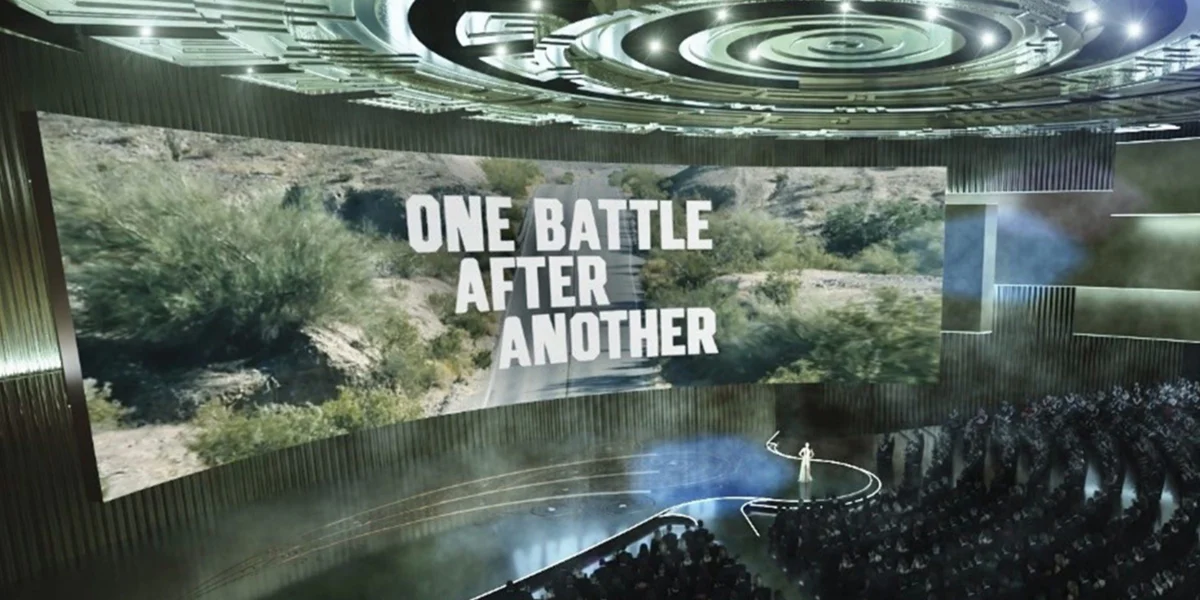
The technical upgrades at the Peacock Theater will also allow for more ambitious stage designs. In recent years, the Oscars have leaned heavily on LED technology and immersive projections; the bespoke upgrades promised by AEG will likely push these boundaries further, creating a more cinematic experience for those watching at home.
Looking Toward the Centennial Celebration
While the move to L.A. LIVE is a major focal point for the Academy’s future, the organization remains committed to celebrating its history in Hollywood for the next four years. The 97th through the 100th Oscars will continue to be held at the Dolby Theatre. The 100th anniversary in 2028 is expected to be a monumental event, serving as a grand finale for the Oscars’ tenure in Hollywood.
As the industry prepares for this transition, the collaboration between the Academy and AEG stands as a significant investment in the future of the motion picture arts. By aligning with a venue and a district that are built for the demands of the 21st century, the Academy of Motion Picture Arts and Sciences is ensuring that the Oscars remain the most significant and technologically advanced celebration of filmmaking in the world.